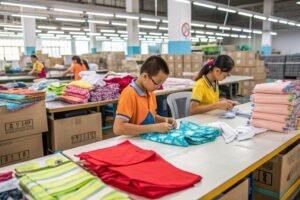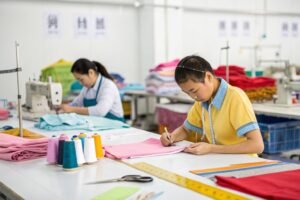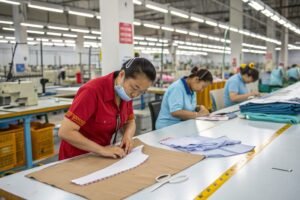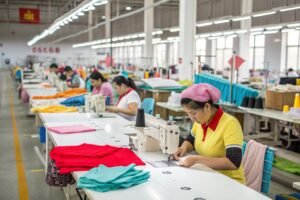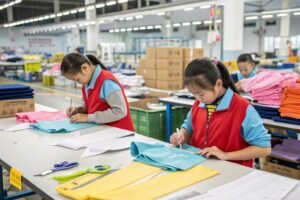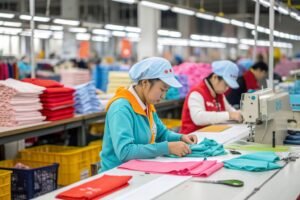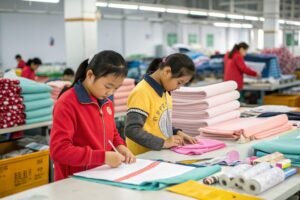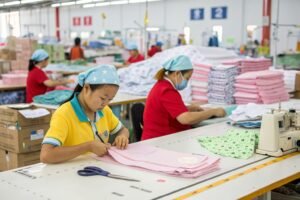
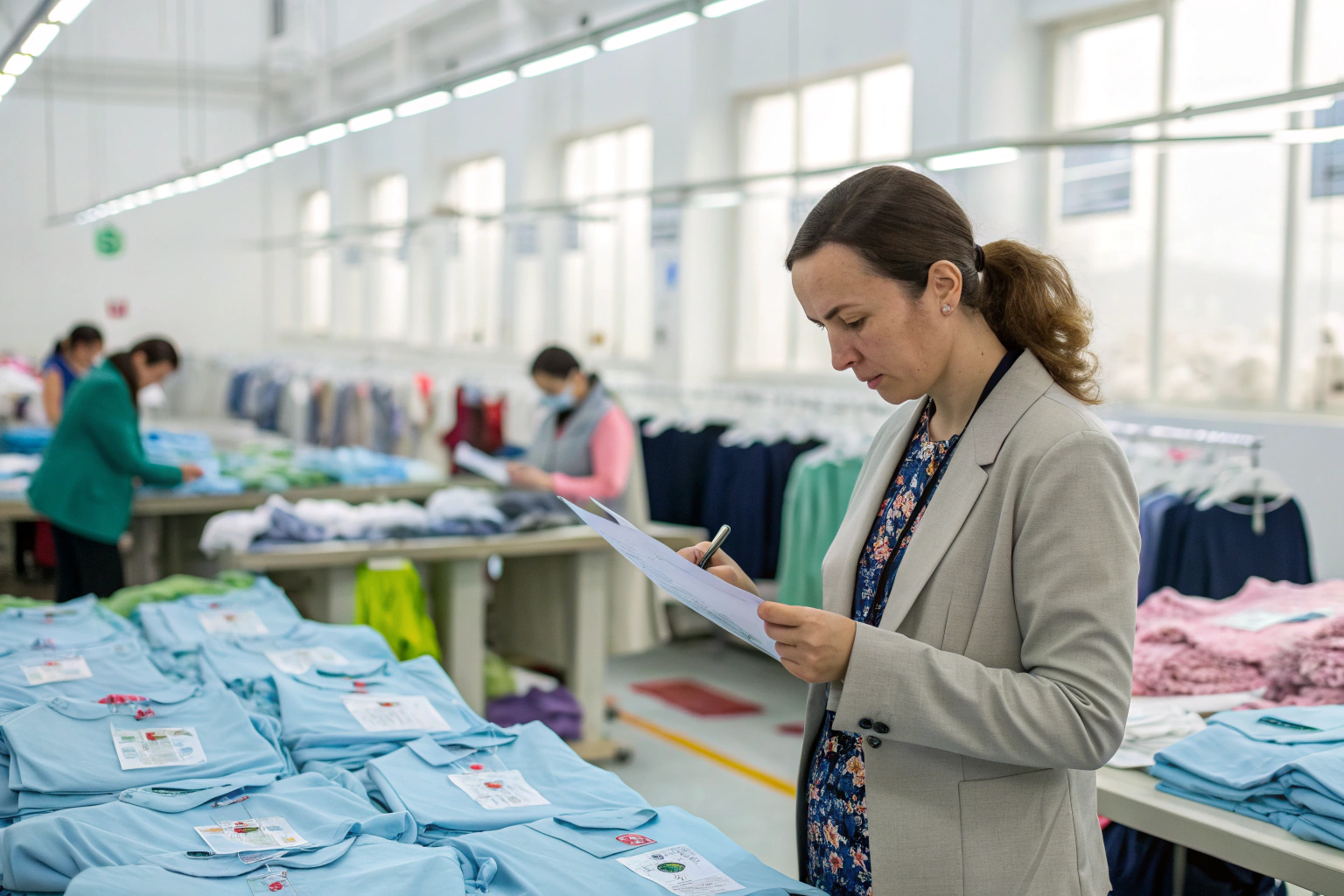
When I first entered the children’s fashion industry, I quickly realized that the biggest challenge for many global buyers is finding suppliers who are not only affordable but also truly sustainable. Too often, brands face problems like delayed shipments, false certifications, or suppliers who exaggerate their eco-friendly claims. These issues do not just create financial loss; they also damage brand credibility in the eyes of parents who demand safety and responsibility in children’s clothing.
The best way to find sustainable kids wear factories is to work with certified partners, verify their processes through audits, and use reliable sourcing channels like trade shows and trusted B2B platforms. These steps reduce risks and help buyers secure long-term partnerships with factories that are transparent and ethical.
The global kids wear market is growing fast, and sustainability is no longer optional. By understanding where to look, what to ask, and how to verify, you can avoid common sourcing traps and build a supply chain that supports your brand’s growth.
What certifications should I look for in kids wear factories?
When I talk to buyers from the United States and Europe, the first question they often ask me is: “How do I know if a supplier is trustworthy?” The easiest way to begin is by checking certifications. Without them, any sustainability claim is just empty words. Many brands have already suffered losses because they skipped this step.
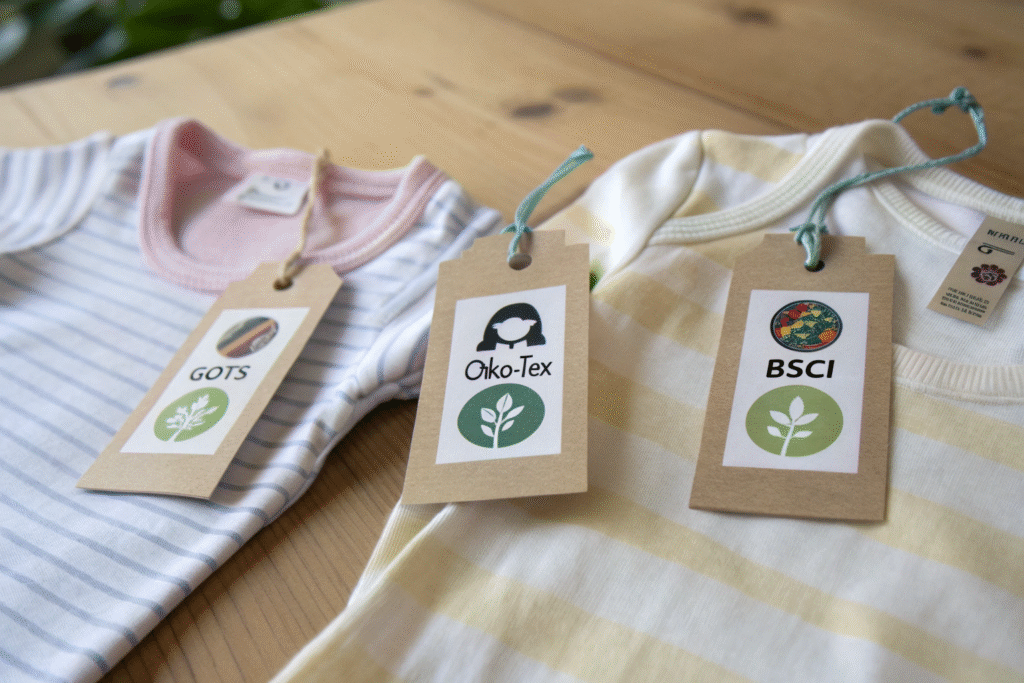
Factories with GOTS (Global Organic Textile Standard), OEKO-TEX Standard 100, and BSCI (Business Social Compliance Initiative) certifications are generally recognized as reliable worldwide. These certifications prove that the fabrics are safe for children, that workers are treated fairly, and that the production process follows sustainable practices.
Why is GOTS certification important?
GOTS requires that at least 70% of fibers are organic and limits the use of harmful chemicals. This is critical for baby and toddler clothing since their skin is more sensitive. Brands that partner with GOTS-certified factories often use the Global Organic Textile Standard website as a reference to check compliance. This step not only ensures safety but also builds consumer trust in your product labeling.
How does OEKO-TEX protect kids wear?
OEKO-TEX Standard 100 is another certification I always recommend. It tests every fabric component for harmful substances. This is especially important for kids wear because children may chew or suck on their clothing. More details can be found on the OEKO-TEX official website. Working with OEKO-TEX-certified factories means fewer complaints, fewer product returns, and stronger customer loyalty.
How to verify if a kids wear factory is truly sustainable?
Almost every supplier today will say they are “sustainable.” But how can you tell if it is real? As a manufacturer myself, I know the truth: many factories only apply for certificates without following the actual standards in daily production. Buyers must take the extra step to verify.
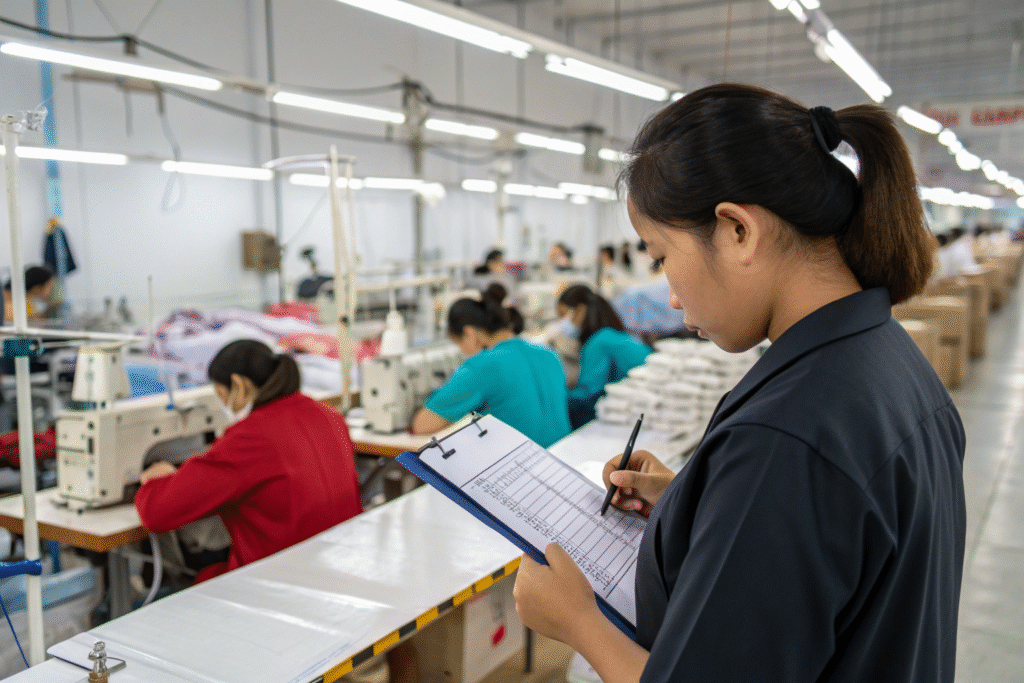
The safest way is to ask for factory audits, compliance reports, and recent test documents. A personal visit or third-party inspection can protect your investment and reputation.
Should I request a third-party audit?
Yes, and I always encourage buyers to do this. Independent audits such as the Sedex Members Ethical Trade Audit (SMETA) check labor conditions, environmental practices, and workplace safety. These reports offer objective evidence of sustainability, which is much more reliable than a factory’s marketing brochure.
Can I use online tools to check supplier reliability?
Yes, but use them with caution. Platforms like Alibaba Verified Suppliers or Global Sources provide certification and audit details. Still, I advise buyers to request documents directly from the factory before signing any agreement. Cross-checking online information with on-site evidence is the best approach.
Where can I source sustainable kids wear factories?
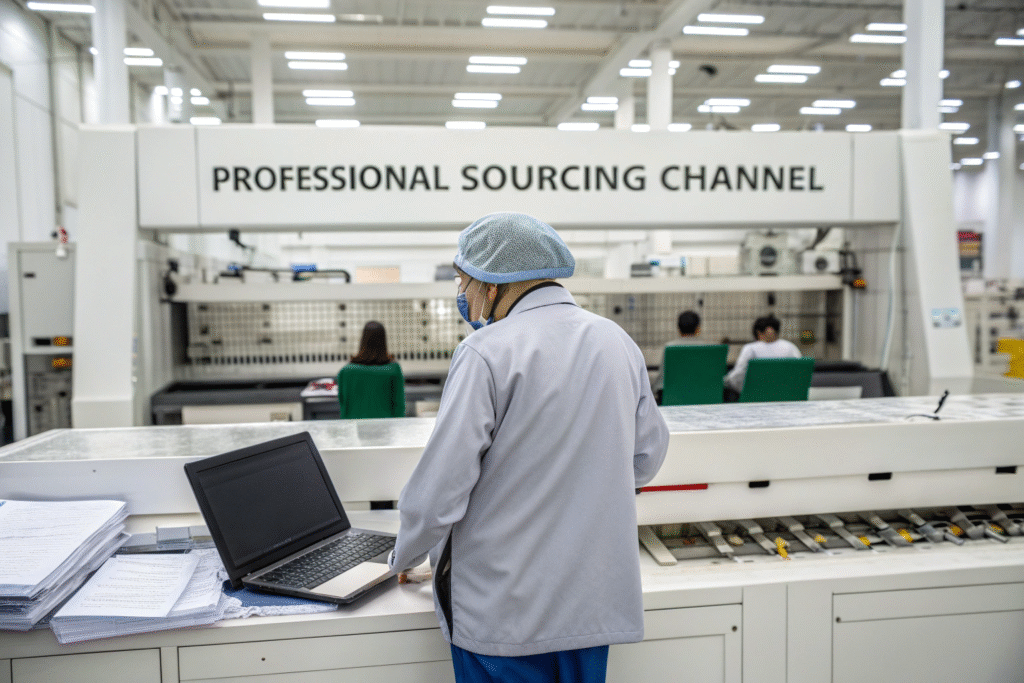
The next question I often hear from buyers is: “Where do I actually find these factories?” The truth is that sourcing requires patience and strategy. Factories that are truly sustainable will appear in professional sourcing channels more than in random online ads.
The best options are international trade shows, reliable B2B platforms, and sourcing agents specialized in kids wear.
Are trade shows still useful?
Yes, they remain very powerful. Events like Canton Fair in China and Playtime Paris in France allow buyers to meet factory representatives face-to-face. This not only saves time but also builds personal trust. Many of my current clients first met me at such exhibitions.
What about online sourcing platforms?
B2B websites such as Fibre2Fashion are highly effective for finding sustainable suppliers. LinkedIn has also become a strong tool for connecting with kids wear manufacturers directly. Many CEOs and sourcing managers prefer this channel because it allows them to bypass sales reps and talk with decision-makers.
What questions should I ask a sustainable kids wear supplier?
Even after finding a potential partner, buyers sometimes fail because they do not ask the right questions. Communication gaps are one of the biggest causes of shipment delays or quality disputes.
The best practice is to ask about fabric sources, production capacity, compliance documents, lead times, and payment methods. Clear answers show the supplier’s honesty and capability.

Can I ask for fabric traceability?
Yes, you should. Responsible factories provide full details of their cotton, polyester, or blended material sources. Some use Better Cotton Initiative (BCI) certified cotton, which reduces environmental impact and improves farmer welfare. This level of transparency is a clear sign of trustworthiness.
How do I confirm production capacity?
One effective way is to ask for export records and production line details. Many buyers also use tools like ImportYeti to check a supplier’s shipping history. If a factory has shipped large volumes consistently, you can trust their capacity to deliver on time.
Conclusion
Finding sustainable kids wear factories is a step-by-step process that requires attention to detail. From checking certifications to verifying compliance and asking the right questions, each action reduces your risk and increases your confidence. Trade shows and online platforms are great starting points, but personal verification always matters most.
At Shanghai Fumao Clothing, we combine decades of manufacturing experience with sustainable practices tailored to international standards. Our production lines focus on safety, quality, and eco-friendly solutions for children’s clothing. If you are ready to develop your own sustainable kids wear collection, please reach out to our Business Director Elaine at elaine@fumaoclothing.com. We are here to help you create reliable, profitable, and responsible fashion for the next generation.