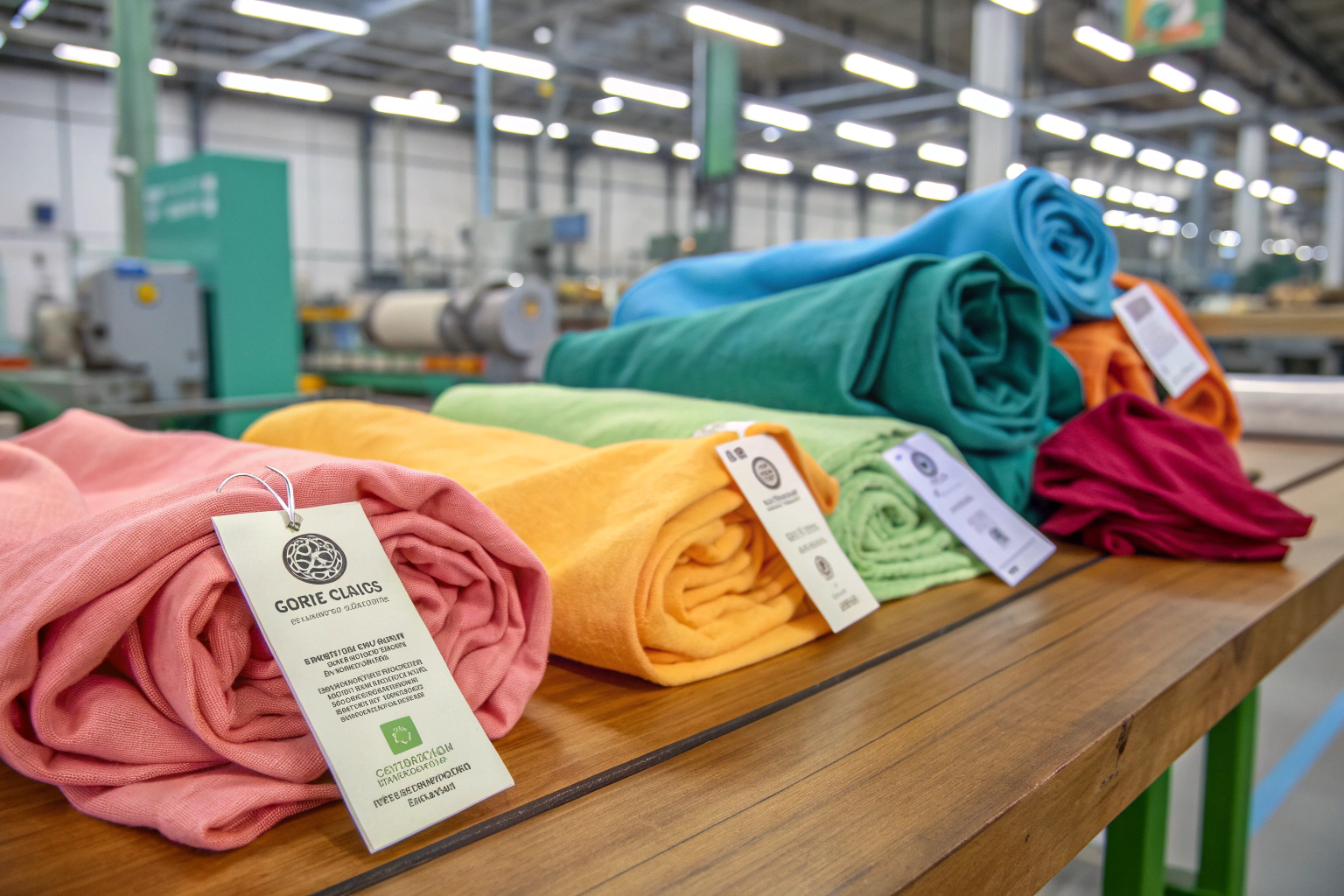
As a children’s clothing manufacturer, I know how important safe and sustainable fabrics are for parents and brands alike. Kidswear requires not just durability and style, but also the guarantee that every color touching a child’s skin is free of harmful chemicals. Traditional dyeing methods often involve heavy water usage, toxic effluents, and unsafe chemical residues. But new eco-friendly dyeing innovations are changing the landscape for children’s apparel.
Yes — eco-friendly dyeing ensures fabrics remain vibrant, safe for sensitive skin, and sustainable for the planet. By using waterless technologies, plant-based dyes, and closed-loop systems, suppliers can deliver both compliance with global standards and peace of mind for buyers. This article explores why sustainable dyeing is critical for kidswear and how brands can leverage it for quality and compliance.
As the children’s wear market expands, sourcing safe and eco-certified fabrics becomes more than a regulatory requirement — it becomes a marketing edge. Buyers who invest in eco-friendly dyeing processes win customer trust and reduce long-term costs by avoiding compliance risks.
Why Is Eco-Friendly Dyeing Essential for Kidswear?
Children’s skin is more sensitive than adults, making harmful chemical residues particularly dangerous. Fabrics dyed with azo dyes or heavy metals can cause irritation, allergies, or long-term health risks. In an industry where safety is paramount, eco-friendly dyeing is not optional — it is essential.
Safe dyeing methods not only protect children’s health but also meet global compliance standards demanded by US and EU markets. Buyers who ignore this risk penalties, product recalls, and damaged brand reputations.
What Health Risks Do Conventional Dyes Pose?
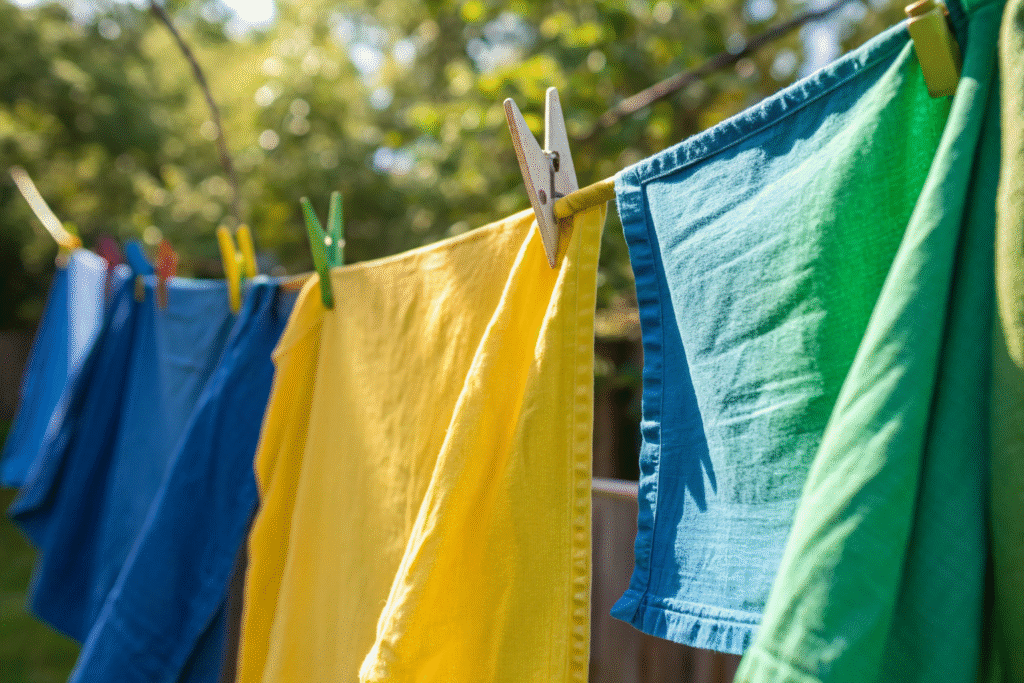
Conventional dyeing often involves azo compounds, formaldehyde, and heavy metals. According to OEKO-TEX®, prolonged exposure can cause allergic reactions and is unsafe for sensitive skin. Many import bans specifically target these harmful residues. Studies from DermNet NZ confirm that children are more prone to skin reactions.
How Do Eco-Friendly Alternatives Improve Safety?
Eco-friendly dyes are plant-based or low-impact chemical alternatives that pass international standards. Certifications like GOTS and bluesign® guarantee fabrics are free from hazardous chemicals. These fabrics not only look vibrant but also remain safe after multiple washes.
What Sustainable Dyeing Methods Are Available?
New methods in textile dyeing are reducing water consumption, energy usage, and chemical waste. For kidswear, these technologies ensure both safety and vibrant color fastness.
From waterless dyeing to natural plant-based alternatives, sustainable methods are already available at scale in China’s textile clusters.
How Does Waterless Dyeing Work?
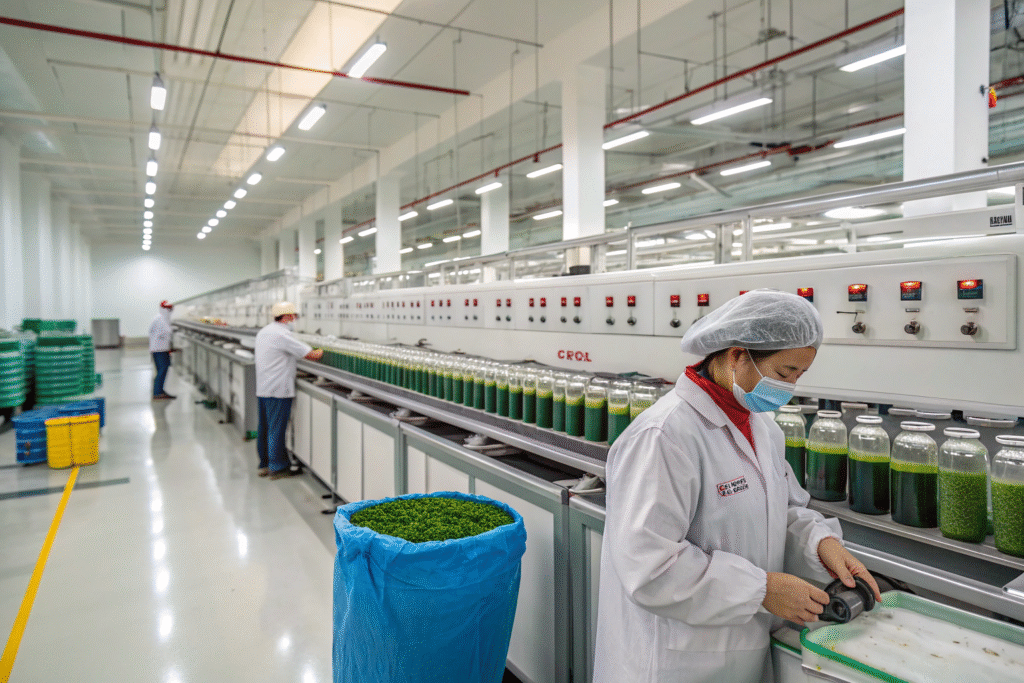
Waterless dyeing technologies, like supercritical CO₂ dyeing, eliminate water waste and chemical runoff. Reports by Textile World show that CO₂ dyeing reduces water use by 95% while ensuring consistent shade quality. For kidswear, this means bright colors without environmental costs.
Are Plant-Based Dyes a Scalable Solution?
Plant-based dyes derived from turmeric, indigo, and madder are gaining traction. While once seen as niche, suppliers now scale these processes with improved mordants. Research published by ScienceDirect highlights plant dyes’ biodegradability and safety advantages for children’s clothing.
How Do Certifications Ensure Compliance?
Certifications are the backbone of trust in children’s textiles. Without them, importers face uncertainty and reputational risks.
Eco-dye certifications confirm fabrics are safe, sustainable, and legally compliant for export to the US and EU.
Which Certifications Matter Most for Kidswear?
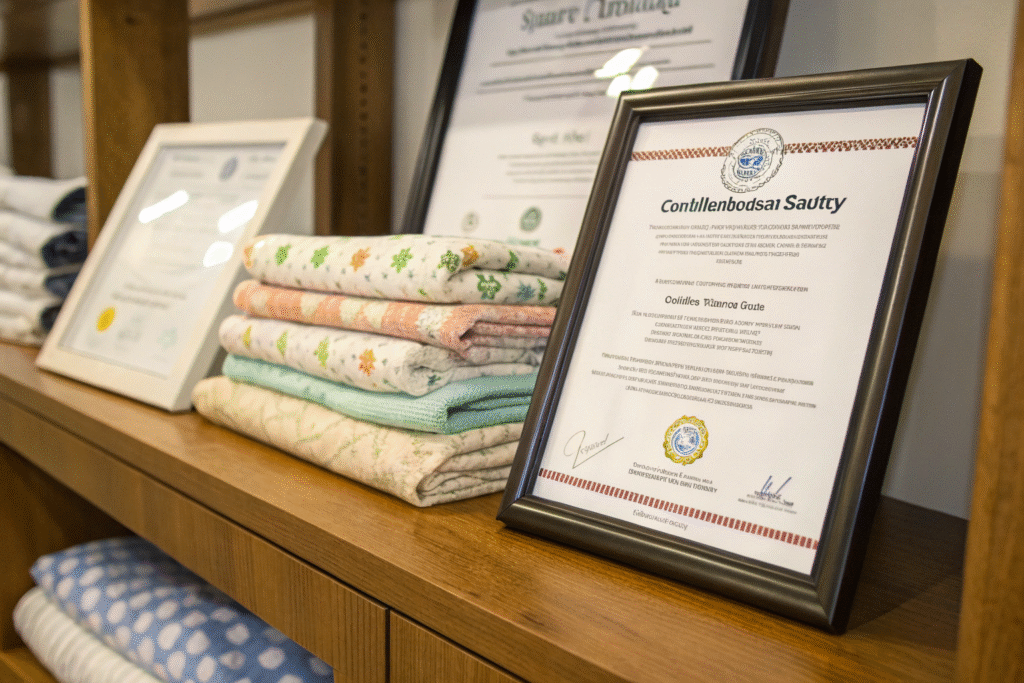
Key certifications include OEKO-TEX® Standard 100, GOTS, and bluesign®. Each tests for harmful substances, production safety, and environmental impact. Retailers like H&M and Zara mandate these standards for suppliers.
How Do Buyers Verify Certification Claims?
Buyers can cross-check certification numbers on public databases like the OEKO-TEX® Label Check. Independent audits by firms such as Intertek also confirm compliance. This transparency protects brands against greenwashing claims.
What Are the Cost Implications of Eco-Friendly Dyeing?
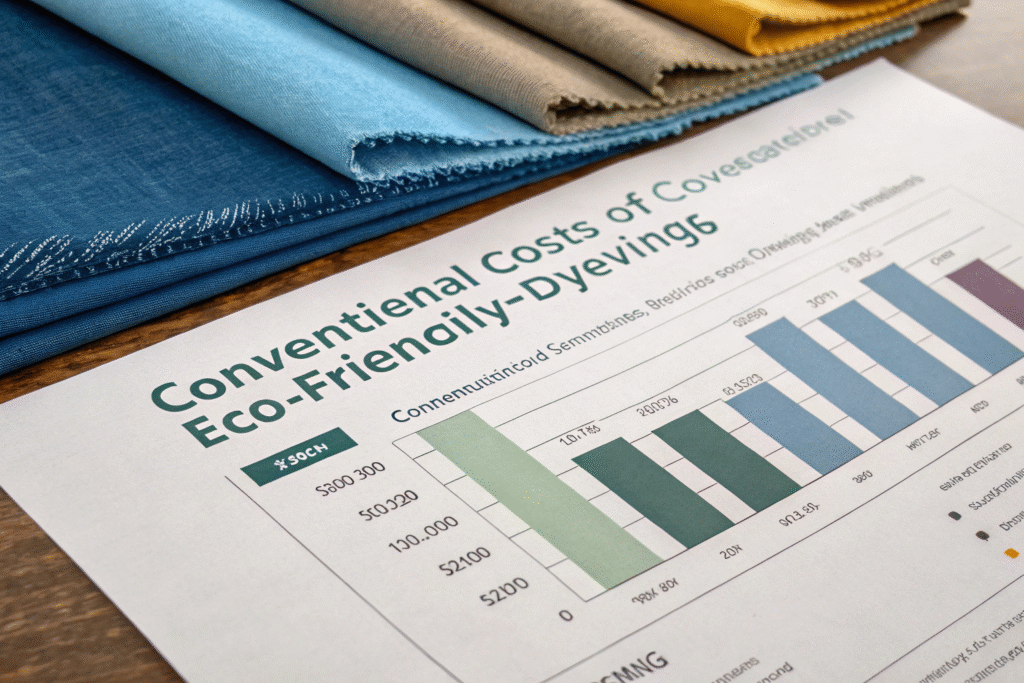
Many buyers assume sustainable dyeing is more expensive. While initial costs can be higher, long-term savings make it competitive.
Eco-friendly dyeing reduces water bills, chemical disposal costs, and compliance penalties, balancing out the investment.
Is Eco-Dyeing More Expensive Than Conventional Methods?
Yes, at first. For instance, waterless dyeing equipment is costly. But lifecycle assessments from Textile Exchange show savings in water, energy, and waste management offset these expenses. Brands that switch often break even within 2–3 years.
How Do Long-Term Savings Benefit Importers?
Avoiding compliance penalties and product recalls saves millions. According to Fashion Revolution, sustainable practices improve buyer confidence and secure premium contracts with eco-conscious retailers. This means better ROI over time.
How Can Buyers Partner with Eco-Friendly Suppliers?
Sourcing eco-friendly kidswear requires strong supplier partnerships. Buyers need transparency, consistent quality, and reliable delivery.
China’s textile clusters offer suppliers with eco-certifications and advanced dyeing facilities, ready to serve global kidswear brands.

What Should Buyers Look for in a Supplier?
Look for suppliers with proven certifications, in-house labs, and transparent traceability systems. Platforms like Global Sources and Made-in-China can help shortlist vendors with eco-dyeing capabilities.
How Do Partnerships Improve Product Development?
Collaborating with eco-focused suppliers allows for co-creation of new colors and sustainable finishes. For example, brands can request low-impact functional finishes such as antibacterial coatings that meet REACH regulations.
What Is the Future of Eco-Friendly Dyeing in Kidswear?
The future of dyeing is smart, digital, and sustainable. With consumer demand rising, kidswear brands will prioritize both eco-compliance and unique color vibrancy.
Digital dyeing, AI-driven shade management, and biodegradable dyes will redefine the kidswear supply chain within the next decade.
How Will Digital Dyeing Change the Industry?
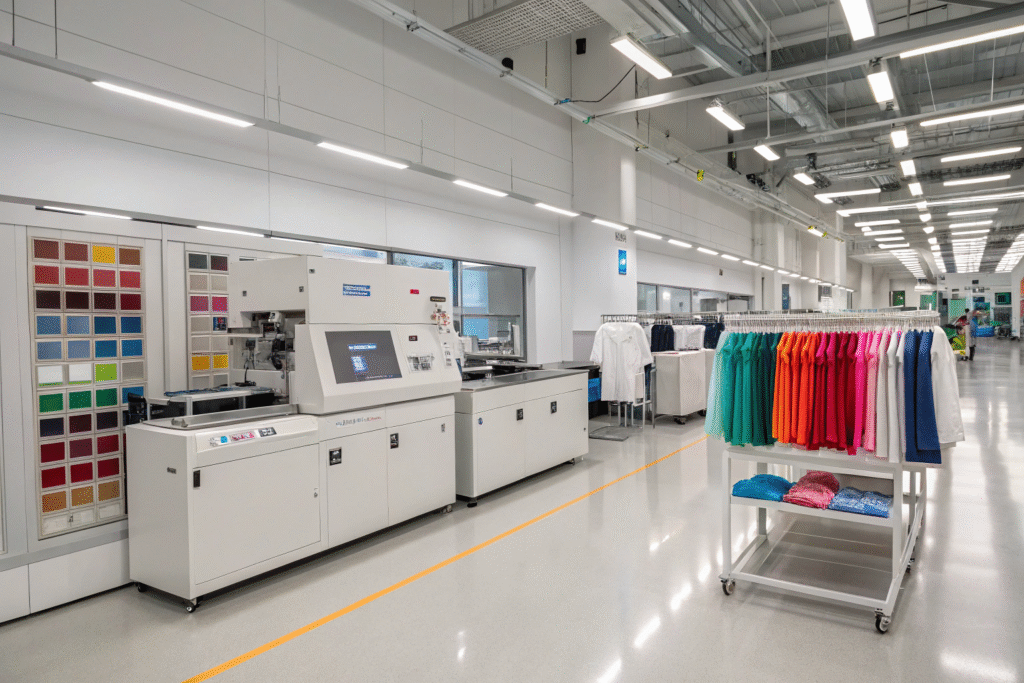
Digital dyeing reduces water and energy use while providing unmatched design flexibility. Reports from Fashion for Good highlight that digital methods also cut lead times by half, enabling faster seasonal launches.
Can Biodegradable Dyes Become the Norm?
Research from Nature suggests biodegradable synthetic dyes are emerging. Within years, these may replace petrochemical dyes entirely, making kidswear both vibrant and planet-friendly.
Conclusion
Eco-friendly dyeing is no longer just a trend; it is a necessity for safe and sustainable kidswear. By investing in certified fabrics, advanced dyeing technologies, and reliable suppliers, US and EU buyers can ensure every piece of children’s clothing meets safety and sustainability expectations.
At Shanghai Fumao, we specialize in producing eco-dyed fabrics tailored for kidswear brands worldwide. Our certified processes guarantee safety, compliance, and vibrant color performance. To explore custom eco-friendly solutions for your kidswear line, reach out to our Business Director Elaine at elaine@fumaoclothing.com today.