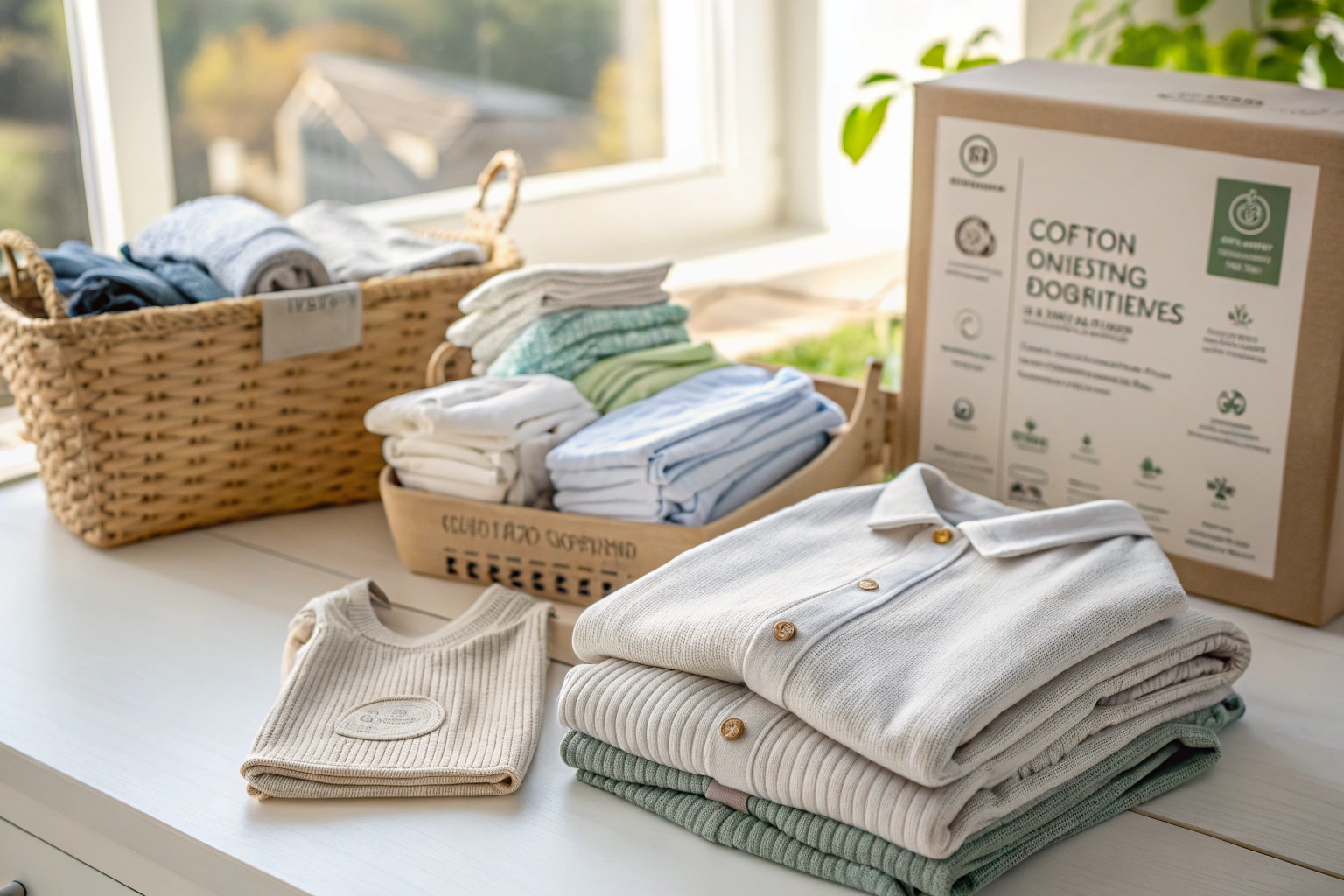
Shrinkage is one of the most common quality challenges in baby garments. Because these clothes are washed frequently and often at higher temperatures, even small dimensional changes can affect comfort, fit, and customer satisfaction. For parents, it creates frustration when garments no longer fit after only a few washes. For brands and factories, it increases return rates and can damage market reputation.
Preventing shrinkage in baby garments requires attention at every stage: from fabric selection to pre-treatment, from production testing to clear consumer care instructions.
Fabric Selection as the First Defense
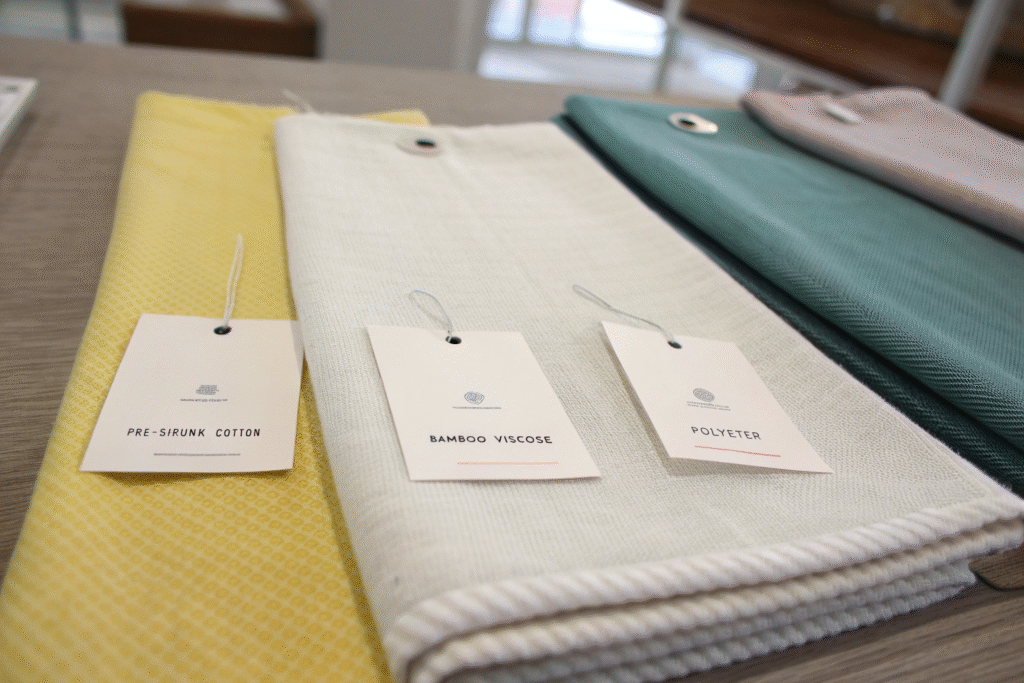
The choice of fabric is the foundation for shrinkage control. Natural fibers such as cotton and bamboo offer softness and breathability but are more prone to dimensional change. Blends with polyester or elastane provide greater stability while retaining comfort.
Selecting shrink-resistant fabrics ensures that garments remain consistent in size after repeated laundering.
Which fabrics are most effective?
- Pre-shrunk cotton for everyday basics
- Cotton/polyester blends for improved stability
- Bamboo viscose with elastane for softness and stretch
- High-quality organic cotton finished with controlled processes
Why is this important?
Baby clothes must balance comfort with durability. Choosing the right fabric reduces the risk of distortion without compromising safety or softness.
Pre-Shrinking and Fabric Finishing Treatments
Before garments reach sewing lines, fabrics can be stabilized through treatments such as sanforization, heat-setting, or enzyme washing. These processes reduce the fabric’s natural tendency to shrink when exposed to moisture and heat.
Pre-shrinking ensures dimensional stability and reduces unexpected changes in size after the first wash.

What treatments are commonly applied?
- Sanforization for woven fabrics like twill or denim
- Heat-setting for polyester or blended knits
- Enzyme washes for cotton knits, improving softness and shrink resistance
How do these methods help?
They prepare fabrics for production, ensuring that finished garments maintain their intended measurements throughout use.
Quality Control and Testing Standards
Shrinkage prevention must be validated through structured quality control. Factories conduct wash tests under AATCC or ISO standards to confirm that garments fall within acceptable tolerance levels, typically ±3–5%.
Testing provides assurance that garments will perform reliably in real-life laundry conditions.

Which standards are applied?
- AATCC test method 135 for dimensional change after home laundering
- ISO 6330 standard for domestic washing and drying tests
Why is this critical?
Reliable QC reduces complaints, protects brand reputation, and builds stronger trust with international buyers.
Clear and Accurate Care Instructions
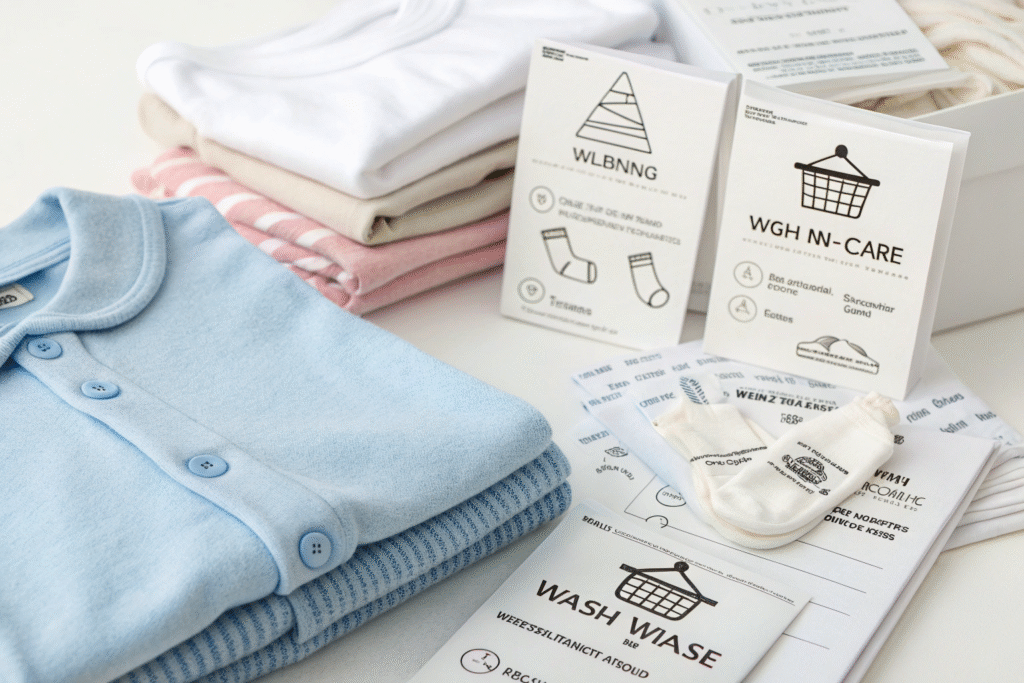
Even the best fabrics will shrink if washed incorrectly. Brands must provide clear, easy-to-understand care labels with standardized washing, drying, and ironing instructions.
Accurate guidance helps parents preserve garment quality and minimizes shrinkage risks after purchase.
What information should be included?
- Wash at 30°C or below for natural fibers
- Avoid tumble drying unless fabrics are shrink-resistant
- Use mild detergents free from harsh chemicals
- Iron on low heat when needed
Why is this essential?
Care labels protect both consumers and brands. They extend garment lifespan, prevent misuse, and reduce unnecessary return claims.
Conclusion
Preventing shrinkage in baby garments is not a single action but a chain of coordinated steps. It begins with choosing the right fabrics, continues with pre-shrinking and finishing treatments, is reinforced by strict quality control and testing, and ends with clear care instructions for consumers. Together, these measures safeguard garment quality, protect brand reputation, and ensure customer satisfaction.
At Shanghai Fumao, we integrate shrinkage prevention at every stage of production. From sourcing shrink-resistant fabrics to applying certified treatments and running AATCC wash tests, we guarantee dimensional stability in every garment.
👉 To develop shrink-resistant babywear collections, contact our Business Director Elaine at elaine@fumaoclothing.com. We provide end-to-end solutions, from fabric sourcing to QC and global delivery.