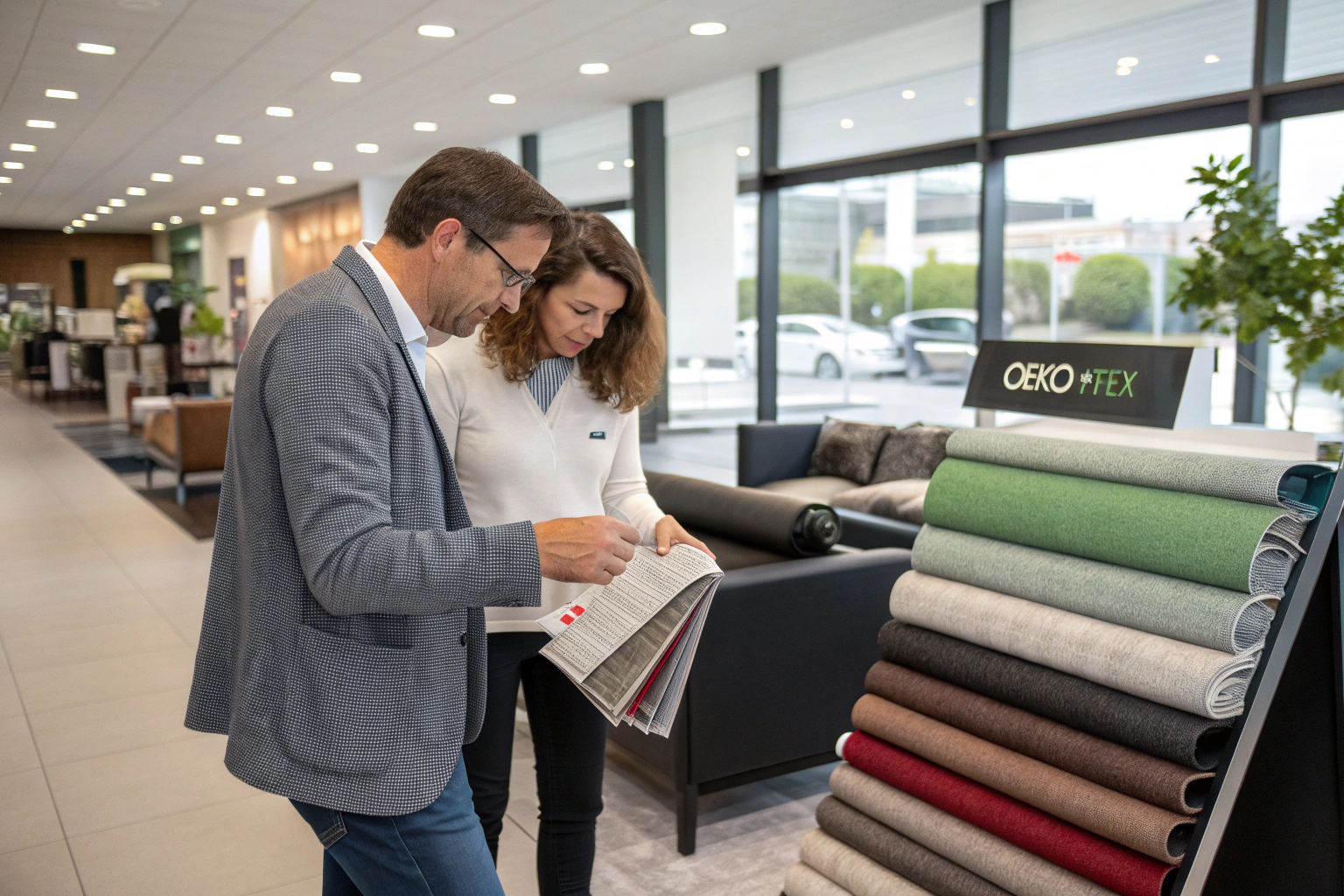
In textile sourcing, OEKO-TEX® certification has become a globally recognized quality benchmark. It verifies that fabrics and components are tested for harmful substances and produced under strict safety parameters. For children’s apparel and infantwear, sourcing OEKO-TEX certified fabrics is not only a compliance measure but also a core strategy for brand credibility and consumer trust.
Sourcing OEKO-TEX certified fabrics requires verification of certification validity, supplier qualification, documentation review, and alignment with compliant manufacturers.
Verify Certification Standards
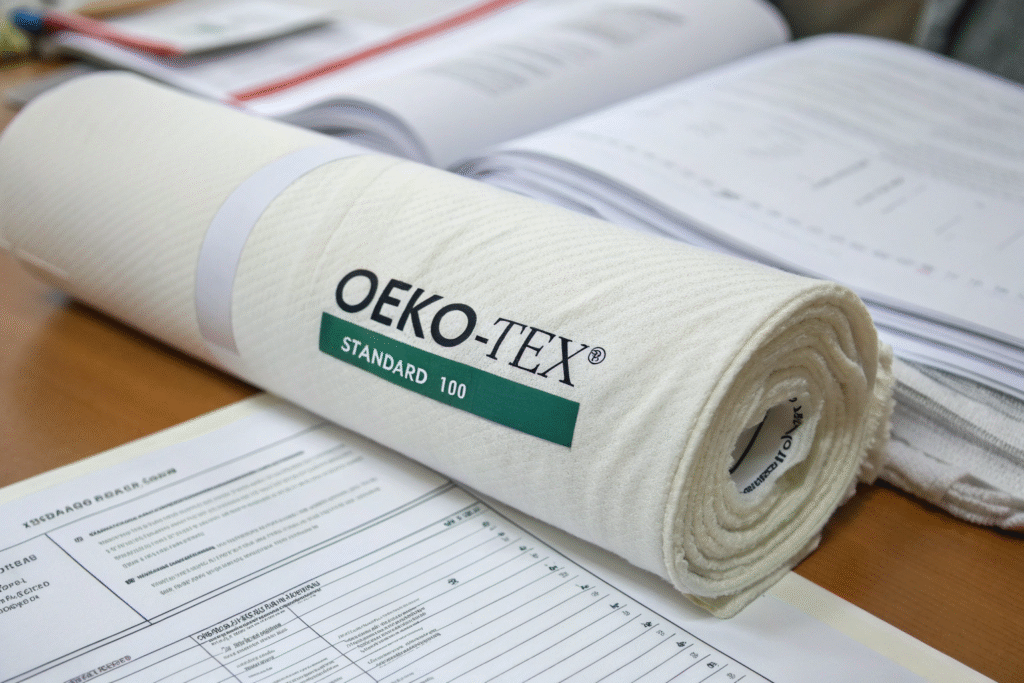
The most widely applied certification is OEKO-TEX® Standard 100. This protocol mandates that every component—from yarns and dyes to fasteners—is tested against a comprehensive restricted substances list (RSL).
Verification of certification scope and validity is the first step in due diligence.
Why is verification essential?
Suppliers may claim compliance without valid credentials. Buyers should cross-check license numbers on the OEKO-TEX official database.
Which category is critical for babywear?
Product Class I applies to textiles intended for infants and toddlers up to 36 months, with the strictest permissible chemical thresholds.
Identify Certified Suppliers
Buyers should prioritize sourcing from mills and vendors already listed in the OEKO-TEX system. This minimizes audit risks and ensures consistency in compliance.
Partnering with pre-certified suppliers streamlines procurement and strengthens traceability across the supply chain.

Where to locate suppliers?
The OEKO-TEX Buying Guide provides searchable databases of certified partners by region, fabric type, and certification scope.
Why does supplier qualification matter?
Certified suppliers undergo annual re-testing, ensuring continuity in compliance for bulk and repeat orders.
Request Documentation and Test Reports
Procurement teams should always request official certificates, including scope statements, certification numbers, validity periods, and product class designations.
Documentation review protects brands during audits and facilitates compliance with retailer and regulatory requirements.

Why is documentation review critical?
Retailers often demand certification proof as part of vendor onboarding. The OEKO-TEX Standard 100 certificate functions as an internationally recognized assurance document.
How often must certificates be renewed?
Certificates expire annually. Buyers must confirm renewal before approving fabrics for production.
Align With Compliant Manufacturers
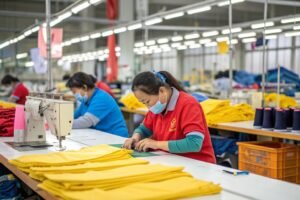
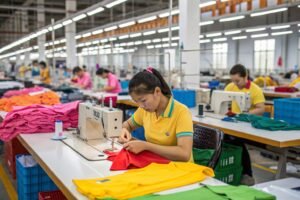
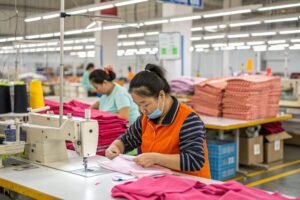
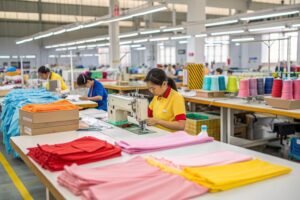
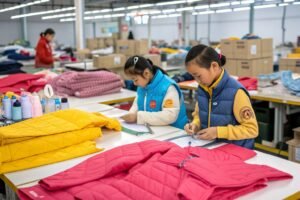
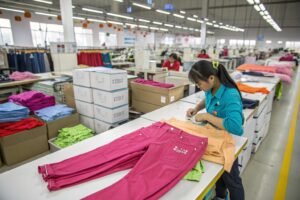
Even when raw materials are certified, compliance risks remain if manufacturers mix uncertified inputs or mismanage documentation. Partnering with factories that specialize in OEKO-TEX sourcing ensures process integrity.
Reliable manufacturers integrate certification into procurement, cutting, sewing, and finishing workflows, reducing exposure to compliance failures.

Why does manufacturer selection matter?
Experienced factories maintain traceability protocols and can provide complete material declarations, making third-party audits straightforward.
Which sectors demand this most?
Children’s apparel, babywear, and home textiles are categories where OEKO-TEX certification is frequently mandated by buyers.
Conclusion
Sourcing OEKO-TEX certified fabrics requires rigorous verification and structured supplier engagement. By confirming certification status, working with certified suppliers, requesting documentation, and partnering with compliant manufacturers, apparel brands can secure safe and sustainable textiles.
At Shanghai Fumao, we source and process OEKO-TEX certified fabrics for global children’s wear buyers. Our compliance-driven approach ensures every garment meets international safety benchmarks and sustainability expectations.
👉 To explore OEKO-TEX certified fabric sourcing for your brand, contact our Business Director Elaine at elaine@fumaoclothing.com. We provide full supply chain traceability, QC support, and global delivery solutions.