Parents want kids’ clothes that stay clean and last longer. Stain-resistant fabrics make this possible. They repel liquids and reduce washing needs. For buyers, sourcing stain-resistant clothing means finding the right fabrics, checking certifications, and working with skilled factories.
The best way to source stain-resistant kids clothing is to choose treated fabrics, confirm supplier safety, test performance, and partner with experienced manufacturers.
Selecting the Right Fabrics and Treatments
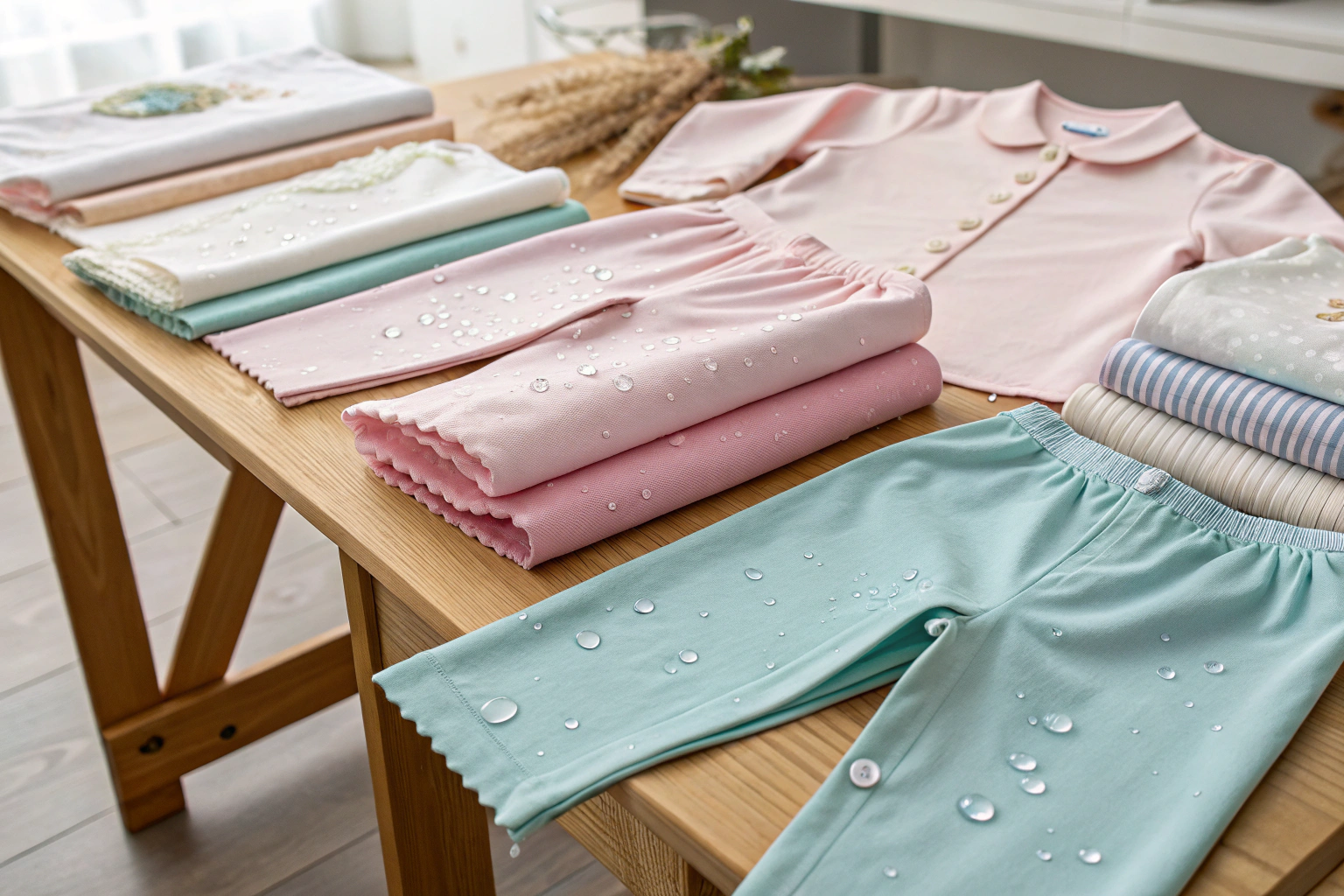
Fabric choice decides stain performance. Cotton is soft but absorbs liquids. Blends resist stains better. Special finishes add extra protection.
Blended fabrics with nano or eco-friendly finishes are the best choice for stain-resistant kidswear.

Which fabrics work best?
Cotton-polyester blends and performance textiles resist stains more effectively.
How do treatments improve fabrics?
Finishes such as Teflon EcoElite use plant-based chemistry. They help fabrics repel spills while staying safe for children.
Working With Certified Suppliers
Children’s wear must meet strict safety standards. Only certified suppliers can guarantee safe stain-resistant treatments.
Buyers should work with OEKO-TEX, CPSIA, or Bluesign certified suppliers.

Why do certifications matter?
They prove fabrics are free from harmful chemicals. OEKO-TEX Standard 100 is one of the most trusted standards worldwide.
How do certifications help brands?
They reduce risks of recalls or fines. Large retailers like Walmart require proof of compliance from all suppliers.
Testing Stain Resistance and Durability
Testing makes sure fabrics stay effective after use. Buyers should check stain resistance and durability before mass production.
Performance tests confirm wash durability, safety, and resistance to daily wear.

Why is testing necessary?
It prevents wasted investment. Intertek offers stain and wash durability testing for apparel buyers.
How do buyers manage testing?
They request pre-production samples. Testing small runs ensures confidence before placing large orders.
Partnering With Experienced Manufacturers
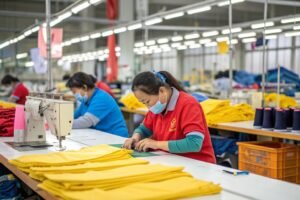
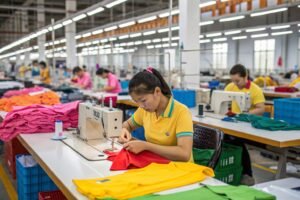
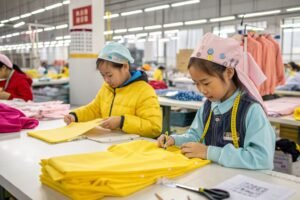
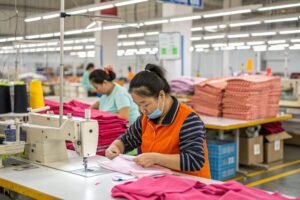
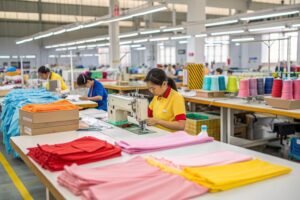
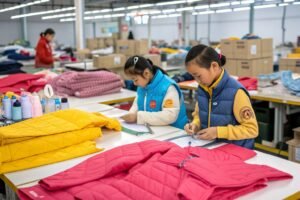
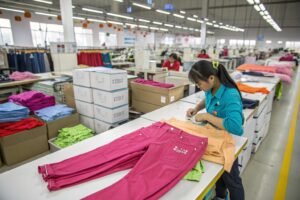
Factories need skill to handle treated fabrics. Poor sewing or washing during production can weaken finishes.
Experienced manufacturers know how to protect coatings and keep quality consistent.

Why does factory experience matter?
Inexperienced handling can ruin protective finishes. Many Alibaba suppliers highlight their ability to work with technical fabrics.
How do manufacturers support buyers?
They handle logistics as well as production. Many provide DDP shipping, which helps buyers receive goods smoothly.
Conclusion
Sourcing stain-resistant kids clothing requires careful choices. Buyers must select the right fabrics, confirm certifications, test durability, and work with trusted manufacturers. These steps ensure safety, performance, and parent satisfaction.
At Shanghai Fumao, we produce stain-resistant kids clothing with certified fabrics and advanced finishing. We manage production and delivery to meet international standards.
👉 To start your stain-resistant clothing project, contact our Business Director Elaine at elaine@fumaoclothing.com. We are ready to help your brand grow with safe and practical kidswear.