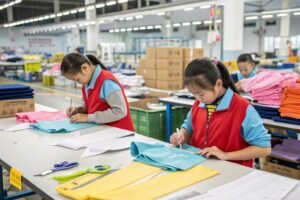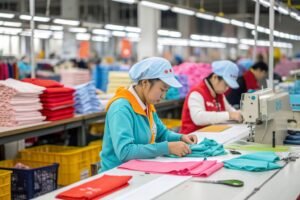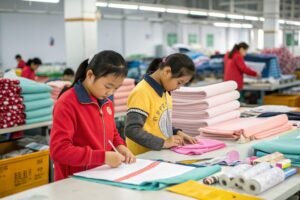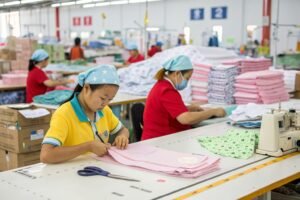
How Can Buyers Compare Kids Clothing Manufacturers in China, Vietnam, and India?
How Can Buyers Compare Kids Clothing Manufacturers in China, Vietnam, and India is a question I hear often from American apparel buyers. The pain behind this question is real. A buyer can find hundreds of children’s clothing suppliers online, but many of them cannot control choosing the right country and factory for quality, price, speed, compliance, and logistics. I run a Chinese kidswear factory, so I see how a good sourcing decision is made long before a purchase order is signed.
The best answer is to choose a children’s wear manufacturer with clear product development, honest capacity, verified compliance, and a production calendar that protects your selling season. For Fumao Clothing and Shanghai Fumao, I prefer to show buyers the sample route, fabric route, QC route, and shipping route in one simple plan. This lets a brand buyer compare quality and price without guessing.
In this article, I will explain comparing kids clothing manufacturers in China, Vietnam, and India from my factory-owner point of view. I will use the same logic I use when our team works with U.S. brands, distributors, and owners who need wholesale only, custom logo, DDP support, and steady communication.
What Are the Main Country Differences?
What Are the Main Country Differences? The wrong answer can cost more than a bad unit price. It can create late shipments, rejected cartons, weak sell-through, or a product that does not match the buyer’s brand promise. I treat this part of comparing kids clothing manufacturers in China, Vietnam, and India as a business decision, not just a factory task.
A buyer should review China, Vietnam, and India compared by category strength, speed, MOQ, and communication with written proof, not only with a friendly sales reply. The right supplier will answer with photos, samples, records, dates, and clear responsibility. If a supplier cannot explain the next step, the buyer should slow down before paying a deposit.
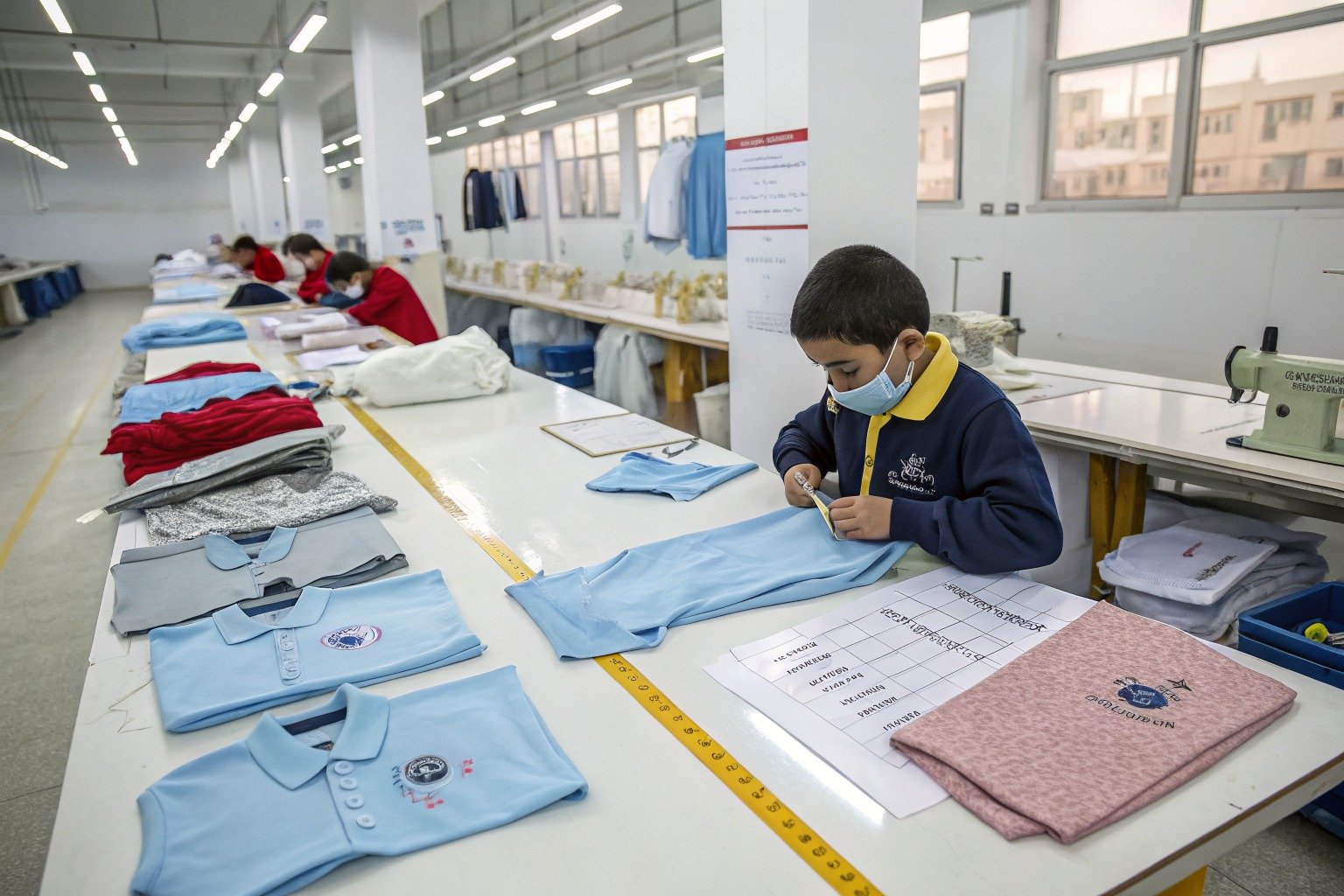
I use a simple rule in our factory. Every promise must connect to a production action. If we promise soft cotton handfeel, we need fabric approval and shrinkage control. If we promise a rare style, we need pattern notes and sample-room feedback. If we promise DDP delivery, we need export documents, carton data, and freight timing. This is how a supplier becomes useful to a U.S. apparel company.
| Buyer Check | What I Verify | Why It Matters |
|---|---|---|
| Factory fit | Category experience for comparing kids clothing manufacturers in China, Vietnam, and India | It reduces sample mistakes and protects development time. |
| Quality plan | Fabric, sewing, measurement, and packing checkpoints | It makes the order easier to inspect before shipment. |
| Compliance | Testing, labels, and certificate traceability | It lowers the risk of false documents or failed customs review. |
| Delivery | Calendar, cut date, sewing capacity, and freight plan | It helps the buyer avoid missing the selling season. |
How Can Buyers Identify a Real Factory?
When I review comparing kids clothing manufacturers in China, Vietnam, and India, I do not treat how can buyers identify a real factory? as a small detail. I connect it to real purchase risk. A U.S. buyer can sell a good style only when the garment is safe, consistent, and delivered on time. For children’s apparel, I ask my team to compare each request with children’s product safety rules and the buyer’s own internal standard before we confirm the order.
The practical test is simple. I want a buyer like Ron to see the same facts that I see inside the factory. We write down the fabric, size tolerance, color standard, packing method, and inspection point. Then we link the order plan to children’s clothing guidance. This habit removes many arguments because both sides know what must be checked before fabric cutting, before sewing, before packing, and before shipment.
What Should the First Supplier Message Include?
When I review comparing kids clothing manufacturers in China, Vietnam, and India, I do not treat what should the first supplier message include? as a small detail. I connect it to real purchase risk. A U.S. buyer can sell a good style only when the garment is safe, consistent, and delivered on time. For children’s apparel, I ask my team to compare each request with tracking label requirements and the buyer’s own internal standard before we confirm the order.
The practical test is simple. I want a buyer like Ron to see the same facts that I see inside the factory. We write down the fabric, size tolerance, color standard, packing method, and inspection point. Then we link the order plan to FTC textile labeling rules. This habit removes many arguments because both sides know what must be checked before fabric cutting, before sewing, before packing, and before shipment.
How Should Buyers Compare True Cost?
How Should Buyers Compare True Cost? The wrong answer can cost more than a bad unit price. It can create late shipments, rejected cartons, weak sell-through, or a product that does not match the buyer’s brand promise. I treat this part of comparing kids clothing manufacturers in China, Vietnam, and India as a business decision, not just a factory task.
A buyer should review FOB, DDP, duty exposure, testing, rejects, delay cost, and rework with written proof, not only with a friendly sales reply. The right supplier will answer with photos, samples, records, dates, and clear responsibility. If a supplier cannot explain the next step, the buyer should slow down before paying a deposit.
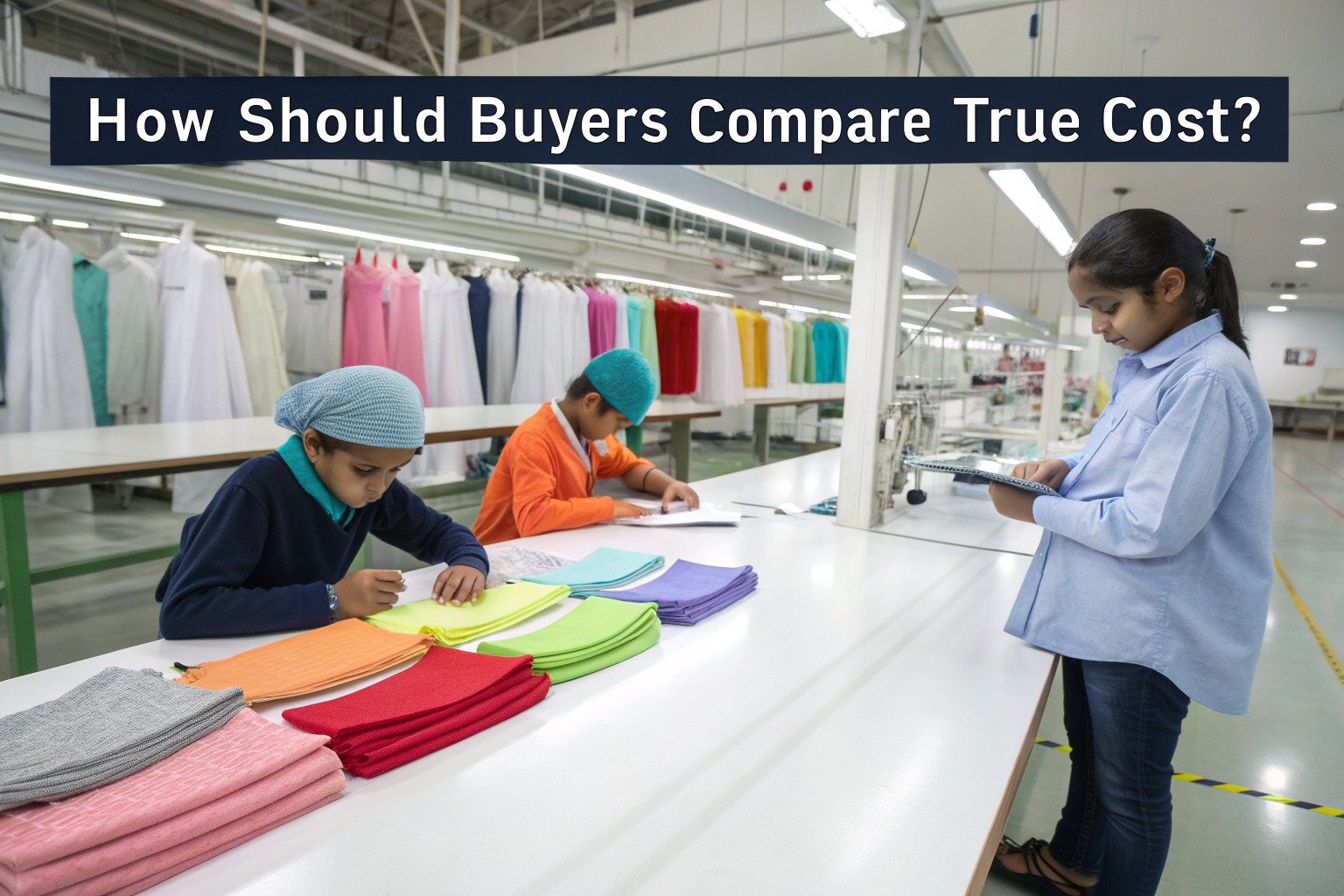
I use a simple rule in our factory. Every promise must connect to a production action. If we promise soft cotton handfeel, we need fabric approval and shrinkage control. If we promise a rare style, we need pattern notes and sample-room feedback. If we promise DDP delivery, we need export documents, carton data, and freight timing. This is how a supplier becomes useful to a U.S. apparel company.
| Buyer Check | What I Verify | Why It Matters |
|---|---|---|
| Factory fit | Category experience for comparing kids clothing manufacturers in China, Vietnam, and India | It reduces sample mistakes and protects development time. |
| Quality plan | Fabric, sewing, measurement, and packing checkpoints | It makes the order easier to inspect before shipment. |
| Compliance | Testing, labels, and certificate traceability | It lowers the risk of false documents or failed customs review. |
| Delivery | Calendar, cut date, sewing capacity, and freight plan | It helps the buyer avoid missing the selling season. |
How Should Buyers Read a Kidswear Quote?
When I review comparing kids clothing manufacturers in China, Vietnam, and India, I do not treat how should buyers read a kidswear quote? as a small detail. I connect it to real purchase risk. A U.S. buyer can sell a good style only when the garment is safe, consistent, and delivered on time. For children’s apparel, I ask my team to compare each request with CBP importer tips and the buyer’s own internal standard before we confirm the order.
The practical test is simple. I want a buyer like Ron to see the same facts that I see inside the factory. We write down the fabric, size tolerance, color standard, packing method, and inspection point. Then we link the order plan to entry summary process. This habit removes many arguments because both sides know what must be checked before fabric cutting, before sewing, before packing, and before shipment.
Which Cost Details Are Easy to Miss?
When I review comparing kids clothing manufacturers in China, Vietnam, and India, I do not treat which cost details are easy to miss? as a small detail. I connect it to real purchase risk. A U.S. buyer can sell a good style only when the garment is safe, consistent, and delivered on time. For children’s apparel, I ask my team to compare each request with Section 301 tariff actions and the buyer’s own internal standard before we confirm the order.
The practical test is simple. I want a buyer like Ron to see the same facts that I see inside the factory. We write down the fabric, size tolerance, color standard, packing method, and inspection point. Then we link the order plan to OEKO-TEX Standard 100. This habit removes many arguments because both sides know what must be checked before fabric cutting, before sewing, before packing, and before shipment.
Which Country Fits Each Kidswear Category?
Which Country Fits Each Kidswear Category? The wrong answer can cost more than a bad unit price. It can create late shipments, rejected cartons, weak sell-through, or a product that does not match the buyer’s brand promise. I treat this part of comparing kids clothing manufacturers in China, Vietnam, and India as a business decision, not just a factory task.
A buyer should review knitwear, woven styles, outerwear, activewear, embroidery, and small batch orders with written proof, not only with a friendly sales reply. The right supplier will answer with photos, samples, records, dates, and clear responsibility. If a supplier cannot explain the next step, the buyer should slow down before paying a deposit.
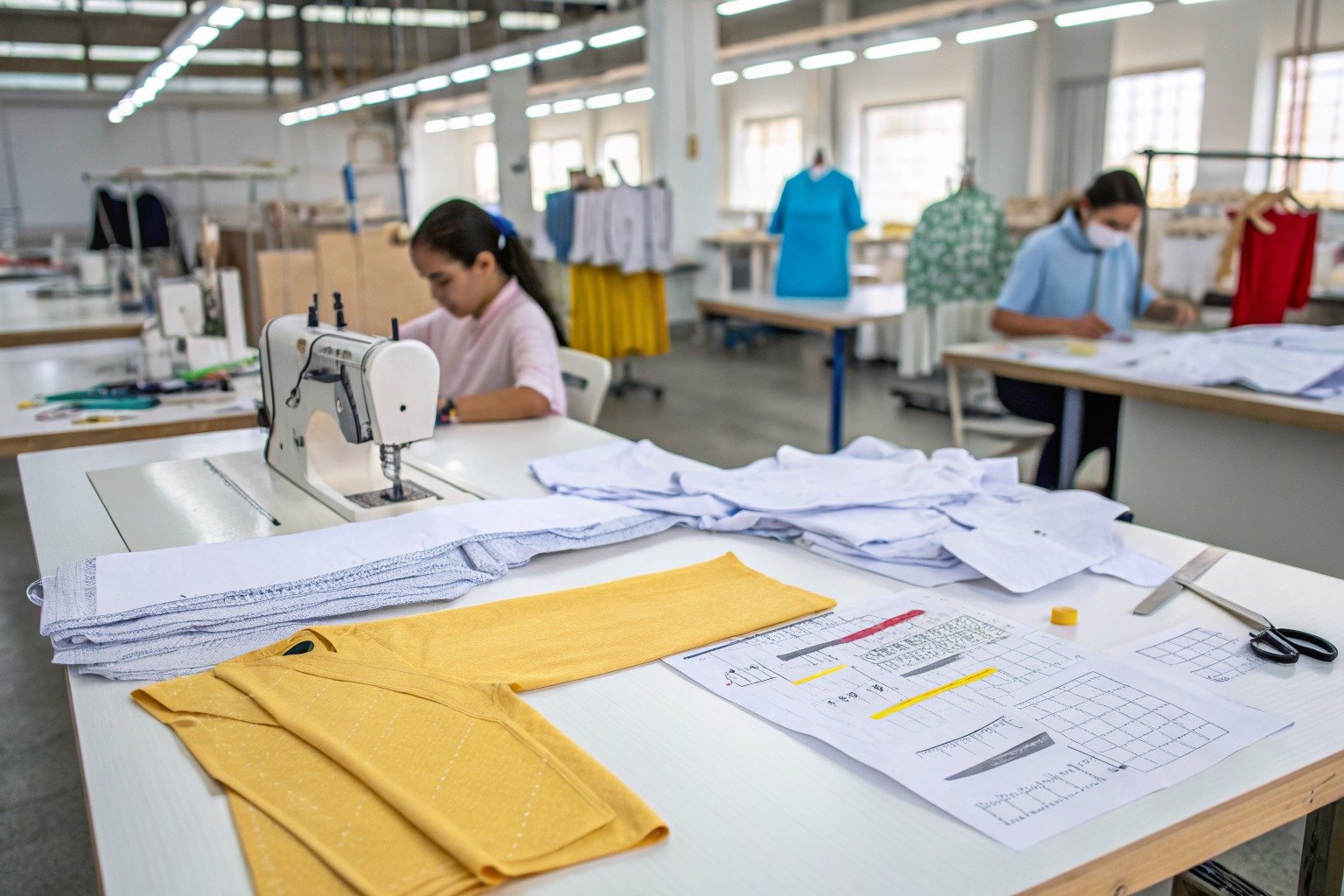
I use a simple rule in our factory. Every promise must connect to a production action. If we promise soft cotton handfeel, we need fabric approval and shrinkage control. If we promise a rare style, we need pattern notes and sample-room feedback. If we promise DDP delivery, we need export documents, carton data, and freight timing. This is how a supplier becomes useful to a U.S. apparel company.
| Buyer Check | What I Verify | Why It Matters |
|---|---|---|
| Factory fit | Category experience for comparing kids clothing manufacturers in China, Vietnam, and India | It reduces sample mistakes and protects development time. |
| Quality plan | Fabric, sewing, measurement, and packing checkpoints | It makes the order easier to inspect before shipment. |
| Compliance | Testing, labels, and certificate traceability | It lowers the risk of false documents or failed customs review. |
| Delivery | Calendar, cut date, sewing capacity, and freight plan | It helps the buyer avoid missing the selling season. |
How Can Samples Predict Bulk Quality?
When I review comparing kids clothing manufacturers in China, Vietnam, and India, I do not treat how can samples predict bulk quality? as a small detail. I connect it to real purchase risk. A U.S. buyer can sell a good style only when the garment is safe, consistent, and delivered on time. For children’s apparel, I ask my team to compare each request with Intertek apparel testing and the buyer’s own internal standard before we confirm the order.
The practical test is simple. I want a buyer like Ron to see the same facts that I see inside the factory. We write down the fabric, size tolerance, color standard, packing method, and inspection point. Then we link the order plan to SGS textile services. This habit removes many arguments because both sides know what must be checked before fabric cutting, before sewing, before packing, and before shipment.
Which Certificates Should Buyers Verify?
When I review comparing kids clothing manufacturers in China, Vietnam, and India, I do not treat which certificates should buyers verify? as a small detail. I connect it to real purchase risk. A U.S. buyer can sell a good style only when the garment is safe, consistent, and delivered on time. For children’s apparel, I ask my team to compare each request with WRAP certification and the buyer’s own internal standard before we confirm the order.
The practical test is simple. I want a buyer like Ron to see the same facts that I see inside the factory. We write down the fabric, size tolerance, color standard, packing method, and inspection point. Then we link the order plan to Social & Labor Convergence Program. This habit removes many arguments because both sides know what must be checked before fabric cutting, before sewing, before packing, and before shipment.
How Do You Avoid a Wrong Country Decision?
How Do You Avoid a Wrong Country Decision? The wrong answer can cost more than a bad unit price. It can create late shipments, rejected cartons, weak sell-through, or a product that does not match the buyer’s brand promise. I treat this part of comparing kids clothing manufacturers in China, Vietnam, and India as a business decision, not just a factory task.
A buyer should review pilot orders, audit checks, sample scoring, and backup supplier planning with written proof, not only with a friendly sales reply. The right supplier will answer with photos, samples, records, dates, and clear responsibility. If a supplier cannot explain the next step, the buyer should slow down before paying a deposit.
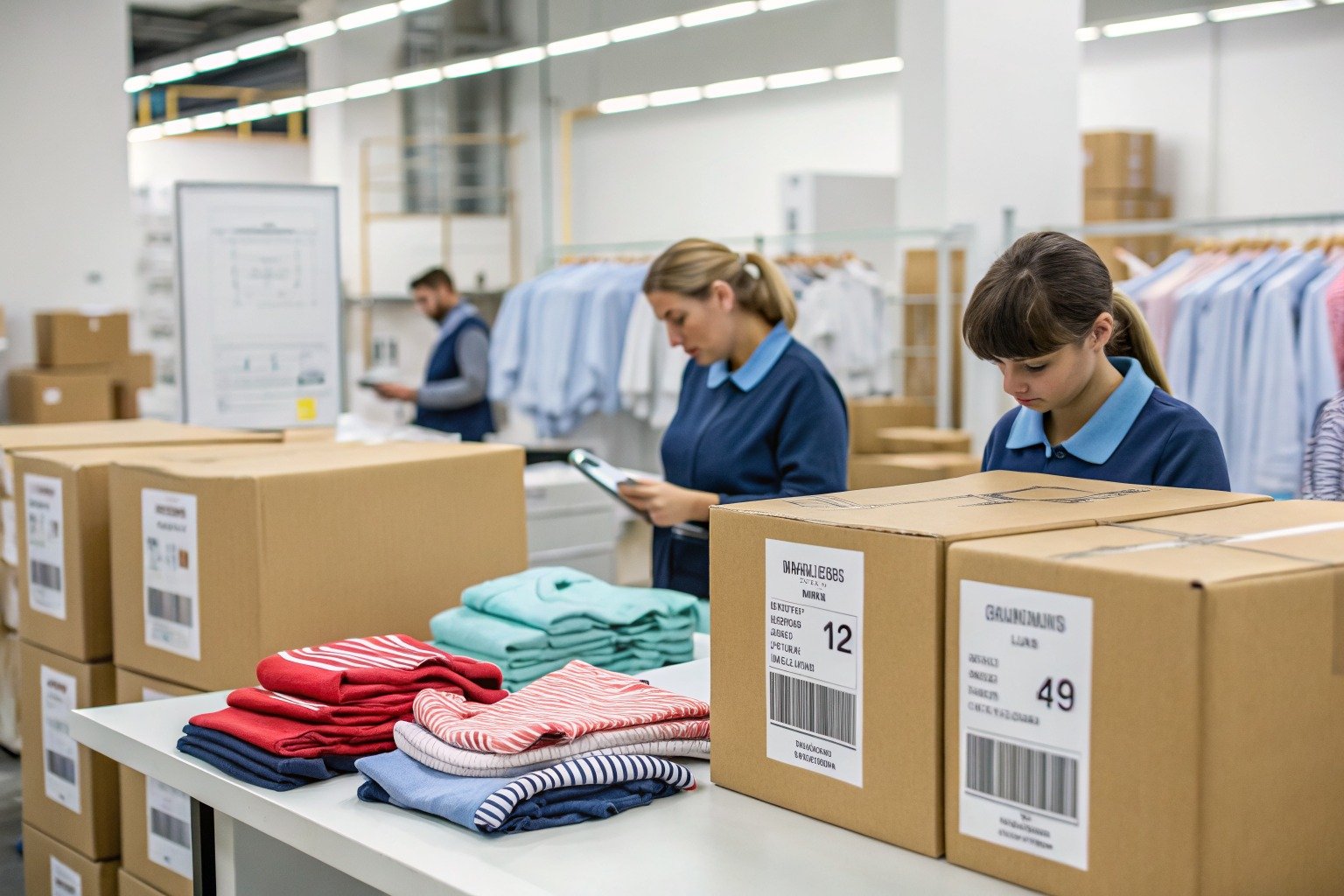
I use a simple rule in our factory. Every promise must connect to a production action. If we promise soft cotton handfeel, we need fabric approval and shrinkage control. If we promise a rare style, we need pattern notes and sample-room feedback. If we promise DDP delivery, we need export documents, carton data, and freight timing. This is how a supplier becomes useful to a U.S. apparel company.
| Buyer Check | What I Verify | Why It Matters |
|---|---|---|
| Factory fit | Category experience for comparing kids clothing manufacturers in China, Vietnam, and India | It reduces sample mistakes and protects development time. |
| Quality plan | Fabric, sewing, measurement, and packing checkpoints | It makes the order easier to inspect before shipment. |
| Compliance | Testing, labels, and certificate traceability | It lowers the risk of false documents or failed customs review. |
| Delivery | Calendar, cut date, sewing capacity, and freight plan | It helps the buyer avoid missing the selling season. |
How Can Buyers Protect Delivery Dates?
When I review comparing kids clothing manufacturers in China, Vietnam, and India, I do not treat how can buyers protect delivery dates? as a small detail. I connect it to real purchase risk. A U.S. buyer can sell a good style only when the garment is safe, consistent, and delivered on time. For children’s apparel, I ask my team to compare each request with ISO 9001 quality management and the buyer’s own internal standard before we confirm the order.
The practical test is simple. I want a buyer like Ron to see the same facts that I see inside the factory. We write down the fabric, size tolerance, color standard, packing method, and inspection point. Then we link the order plan to AATCC textile testing. This habit removes many arguments because both sides know what must be checked before fabric cutting, before sewing, before packing, and before shipment.
What Makes DDP Shipping Easier to Control?
When I review comparing kids clothing manufacturers in China, Vietnam, and India, I do not treat what makes ddp shipping easier to control? as a small detail. I connect it to real purchase risk. A U.S. buyer can sell a good style only when the garment is safe, consistent, and delivered on time. For children’s apparel, I ask my team to compare each request with ASTM textile standards and the buyer’s own internal standard before we confirm the order.
The practical test is simple. I want a buyer like Ron to see the same facts that I see inside the factory. We write down the fabric, size tolerance, color standard, packing method, and inspection point. Then we link the order plan to GS1 apparel standards. This habit removes many arguments because both sides know what must be checked before fabric cutting, before sewing, before packing, and before shipment.
Conclusion
My best advice is to make comparing kids clothing manufacturers in China, Vietnam, and India visible before you make it cheap. A low price is useful only when the factory can protect quality, compliance, packaging, and delivery. When a buyer compares factories, I suggest checking samples, documents, communication speed, production capacity, and shipment planning together. This is the way to build a safer wholesale children’s clothing supply chain.
If you want to develop your own children’s clothing order with Shanghai Fumao, you can contact our Business Director Elaine at elaine@fumaoclothing.com. Our company will not add any possible extra tariffs on China-to-U.S. products to your order. We prefer clear pricing, serious development work, and a factory relationship that helps your brand sell with confidence.
#shagnhaigarment #fumao #fumaoclothing #fumaokids #chinasourcing #vietnamsourcing #indiasourcing #kidsclothingfactory #apparelimport #global-sourcing