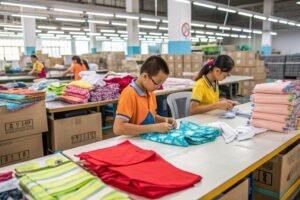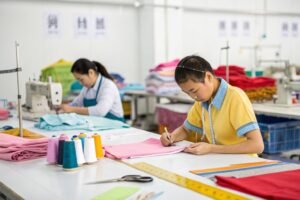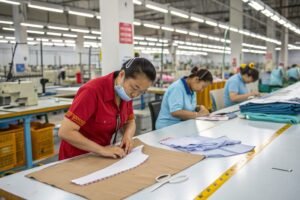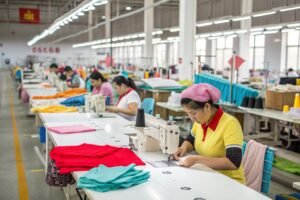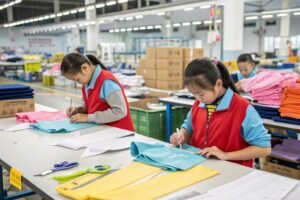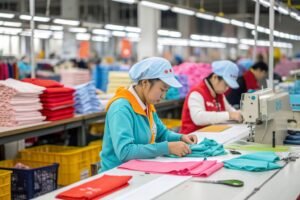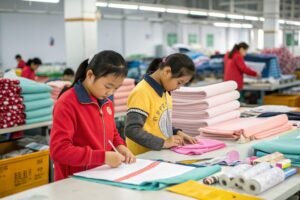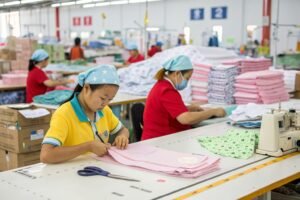
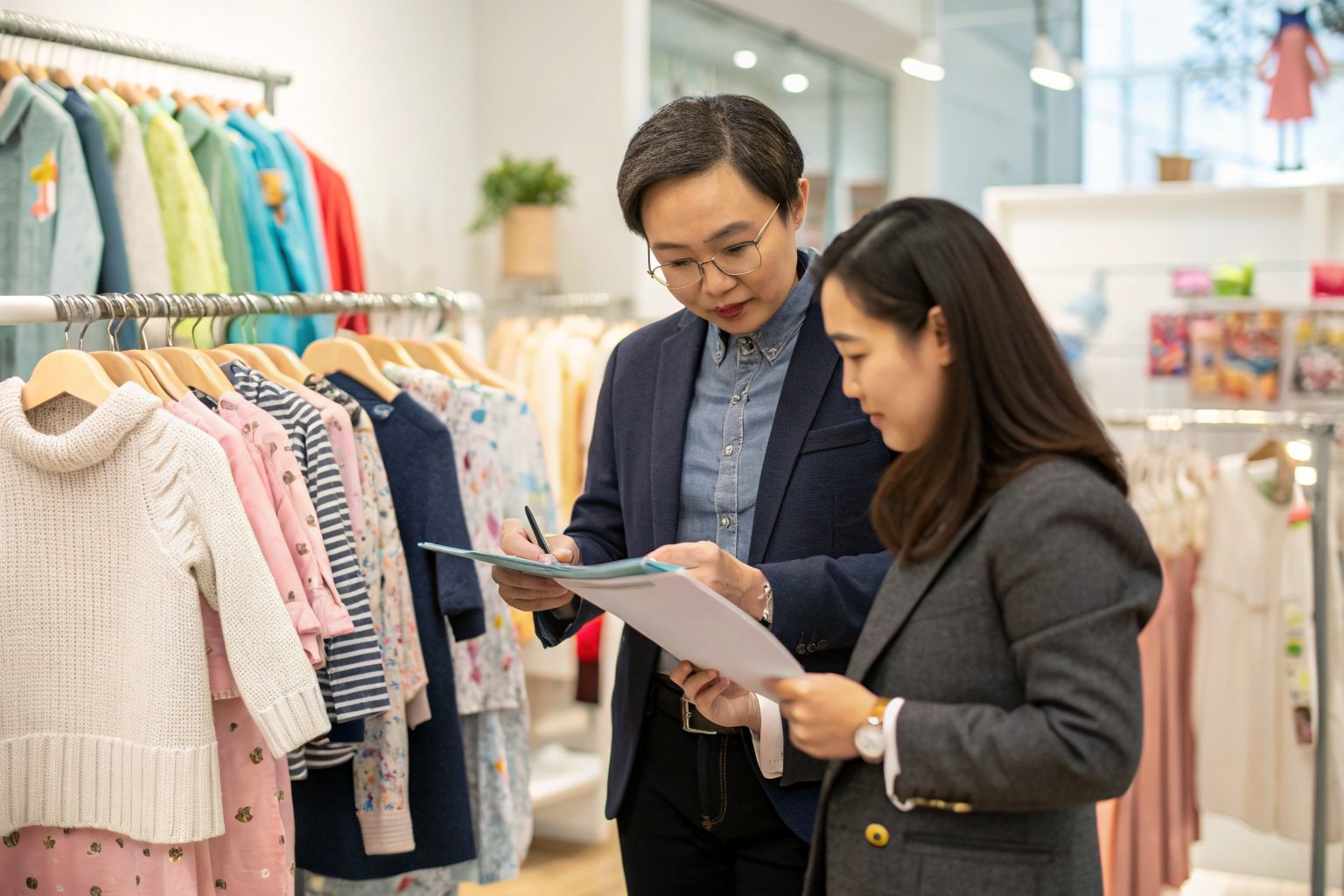
Finding a reliable wholesale kids clothing manufacturer in 2026 is harder than most buyers expect. Many suppliers look strong online. Many sales reps answer fast before payment. Many factory photos look clean. Then the real problems start. The fabric handfeel does not match the sample. The size chart shifts between sizes. The shipment leaves late and misses the selling season. The certificate looks official, but the buyer cannot verify it. I have seen these problems from both sides of the table. I run a Chinese children wear manufacturing and export business, and I know how one weak supplier can damage a whole retail season.
The best way to find reliable wholesale kids clothing manufacturers in 2026 is to judge suppliers by verified factory identity, children clothing compliance, production capacity, communication speed, quality control records, export experience, and logistics discipline. A serious buyer should not choose only by the lowest unit price. A serious buyer should compare proof before placing a bulk kidswear order.
In my view, a strong supplier search should feel like a buyer audit, not a shopping trip. You can still use Alibaba, trade shows, Google, LinkedIn, and AI tools. You can still ask for competitive pricing. But each channel must lead to evidence. The factory must show what it can produce, how it controls children's garment safety, how it manages delivery, and how it handles problems when they happen. That is the practical path I would recommend to an American buyer like Ron, who wants quality, margin, and fewer surprises.
Where Should Buyers Search First?
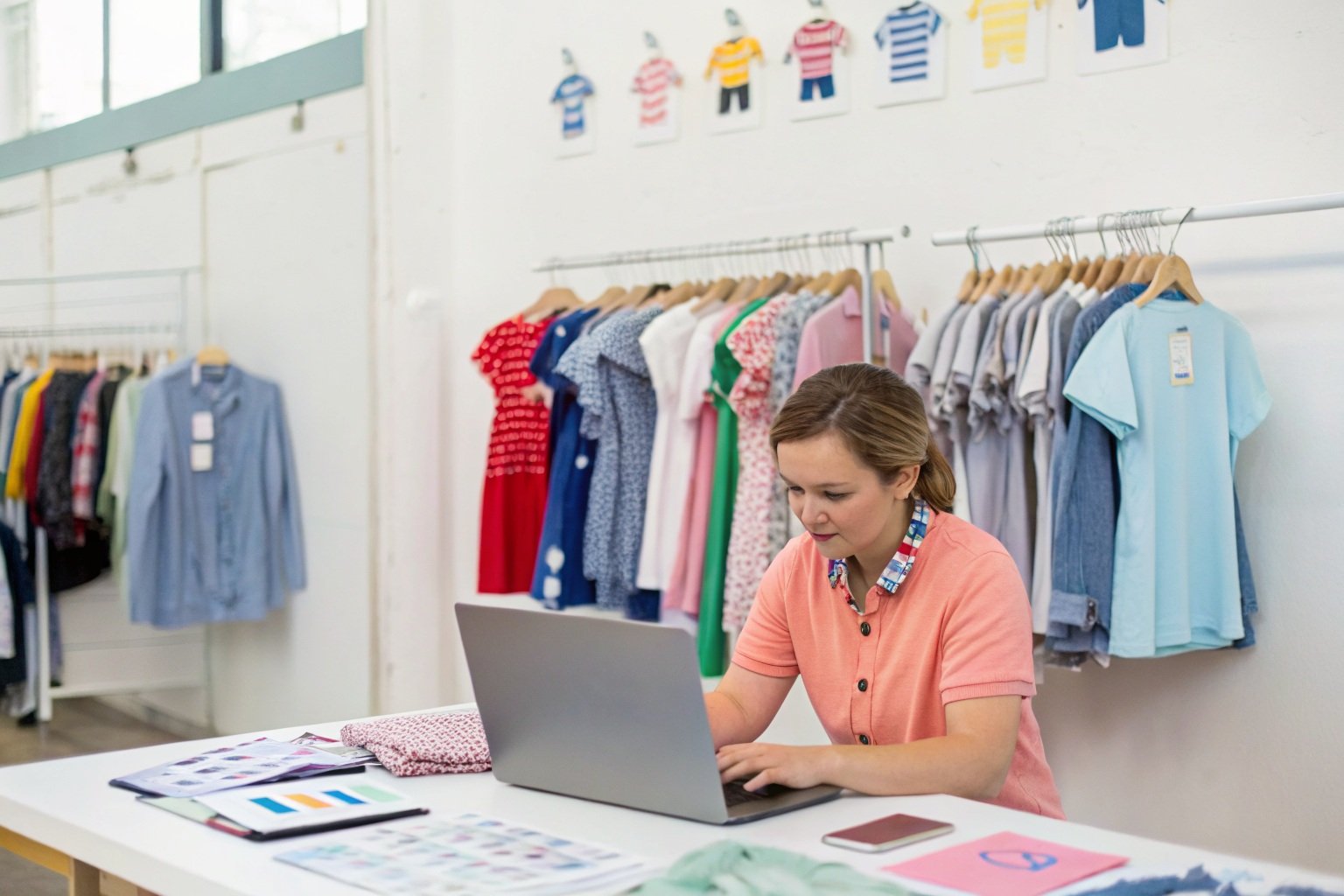
The first mistake many buyers make is starting with price instead of search quality. A low price from the wrong source is not a good deal. It is a risk with a nice number attached. In kidswear, the supplier has to handle fabric safety, sizing, trims, labels, packing, and export timing. So the first search question should be simple: where can I find suppliers that are visible, checkable, and active in the children apparel business?
Buyers should search first through a mix of Google, Alibaba, major apparel trade shows, LinkedIn, and supplier websites. Each channel shows a different signal. Google shows whether a factory has built long term search visibility. Alibaba shows platform activity and buyer protection options. Trade shows show whether the supplier invests in face to face business. LinkedIn shows people, history, and relationship depth.
I do not advise buyers to trust only one channel. If a supplier appears only in one place, the buyer has less evidence. A real children's clothing manufacturer should leave a trail. The company should have product pages, factory details, export categories, social proof, and named contacts. The product range should also match your order. A knitwear factory may not be the best outerwear supplier. A fashion dress factory may not be strong at activewear. This matters because kidswear has many small details that change cost and quality.
For Fumao Clothing, we sell B2B and wholesale only, so I respect buyers who come prepared. When a buyer tells me the product category, target price, compliance market, size range, delivery window, and logo needs, I can answer faster and more accurately. Good search is not just finding a supplier. Good search is finding the right type of supplier before the first quote.
| Search Channel | Best Use | Buyer Check |
|---|---|---|
| Find factory websites and SEO-visible suppliers | Check product depth, export focus, and contact clarity | |
| Alibaba | Compare many suppliers quickly | Check verification, transaction protection, and response quality |
| Trade shows | Meet suppliers and see samples | Ask for factory proof and past export experience |
| Review people and company activity | Check if the team looks stable and professional |
Which Channels Find Real Factories?
Real factories are easier to find when buyers combine online search with physical market signals. I like trade shows because a supplier that invests in a booth is usually more serious than a supplier that only sends low price messages. U.S. buyers can review events like MAGIC Las Vegas for fashion sourcing and Texworld NYC for textile and apparel sourcing. These events do not replace factory verification, but they give buyers a stronger first filter. When you meet a supplier, ask which kidswear categories they make every month. Ask for photos from current production lines. Ask who handles quality control. A trading company may still be useful, but it should not pretend to be a factory. Real factories can explain machines, line capacity, sampling time, fabric sourcing, trims, packing, and final inspection in direct language.
What Search Terms Bring Better Suppliers?
Better search terms bring better supplier lists. I would not search only for cheap kids clothes. That phrase attracts sellers who compete mostly on price. Stronger terms include custom kidswear manufacturer, wholesale children's clothing factory, private label kids clothing supplier, OEM kids apparel China, and children's garment manufacturer DDP shipping. Buyers can also compare platform signals by checking Alibaba Trade Assurance and supplier identity signals such as Alibaba Verified Supplier. These tools do not make every supplier perfect, but they help buyers ask better questions. I also suggest searching by category. A buyer who needs boys' polos should search for kids polo shirt manufacturer. A buyer who needs winter jackets should search for children's outerwear factory. Category search reduces wasted messages and improves quote accuracy.
How Can You Verify a Real Factory?
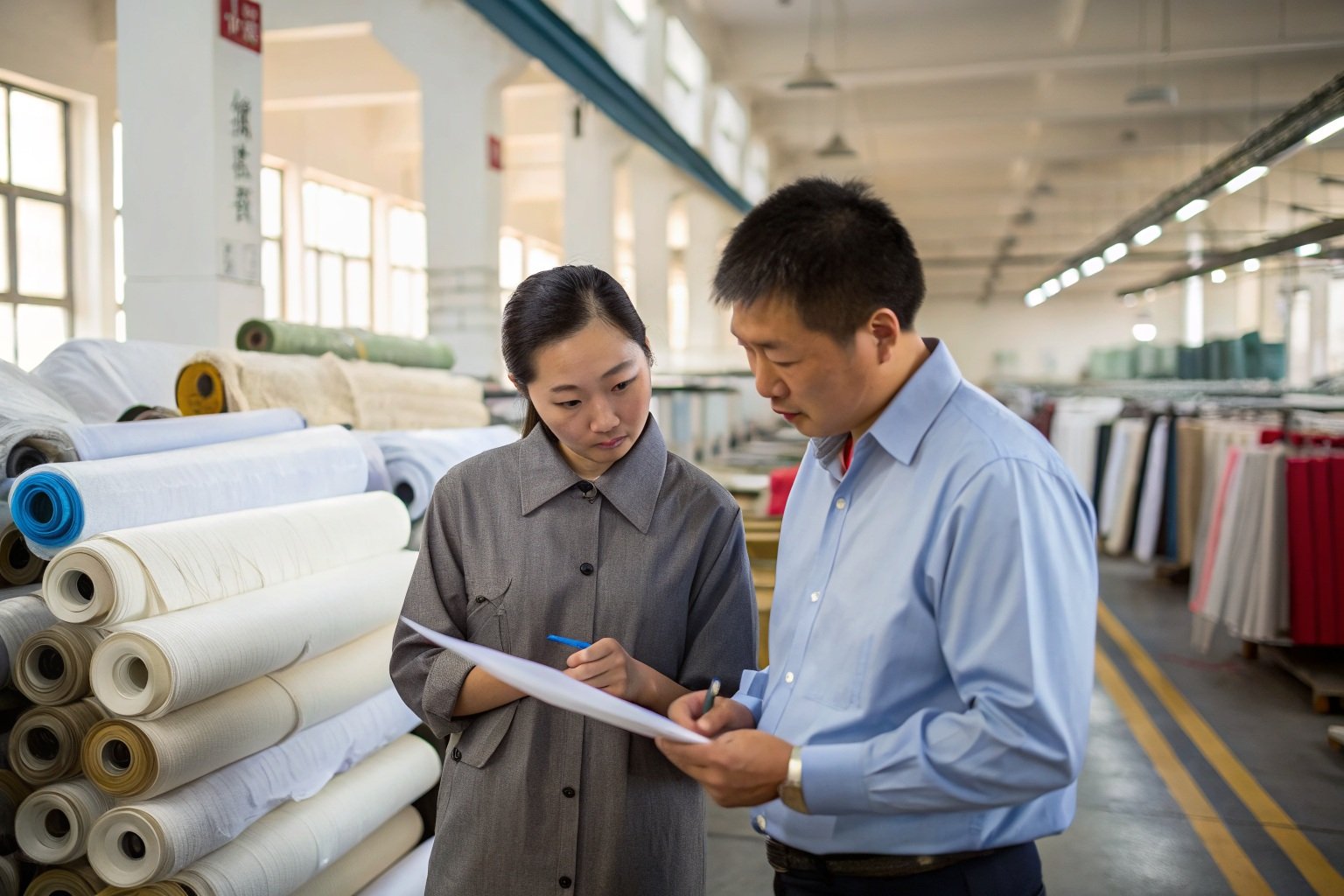
A supplier can say it is a factory in one sentence. Verifying that claim takes more work. Buyers should not feel embarrassed to ask for proof. In children's wear manufacturing, proof protects both sides. It protects the buyer from false claims. It protects the factory from unclear expectations. I prefer direct verification because it saves time later.
Buyers can verify a real factory by checking its business identity, production line photos, sample room, machinery, worker capacity, quality control process, export documents, and third party audit history. A video call inside the factory is useful, but it should be supported by documents and production records.
When I speak with American buyers, I often notice that they ask for a quote before they ask who will make the goods. I understand why. Price is important. But price without identity is weak information. A real kidswear factory should be able to show its company name, address, product categories, production lines, sample room, and export experience. If the supplier avoids simple proof, the buyer should slow down.
The best factory check is layered. First, review the supplier website and platform profile. Second, request a live video tour. Third, ask for recent product photos that match your category. Fourth, check certificates and audit documents. Fifth, place a small sample order before bulk production. This process is not slow. It is faster than fixing a failed bulk order after the shipment arrives.
| Verification Item | What It Shows | Red Flag |
|---|---|---|
| Factory video call | Real workspace and people | Only showroom photos, no production view |
| Production line capacity | Ability to handle volume | Vague monthly output numbers |
| Audit or compliance records | Management discipline | Documents cannot be verified |
| Export documents | Real shipping history | No past U.S. or Europe experience |
How Do You Check Factory Identity?
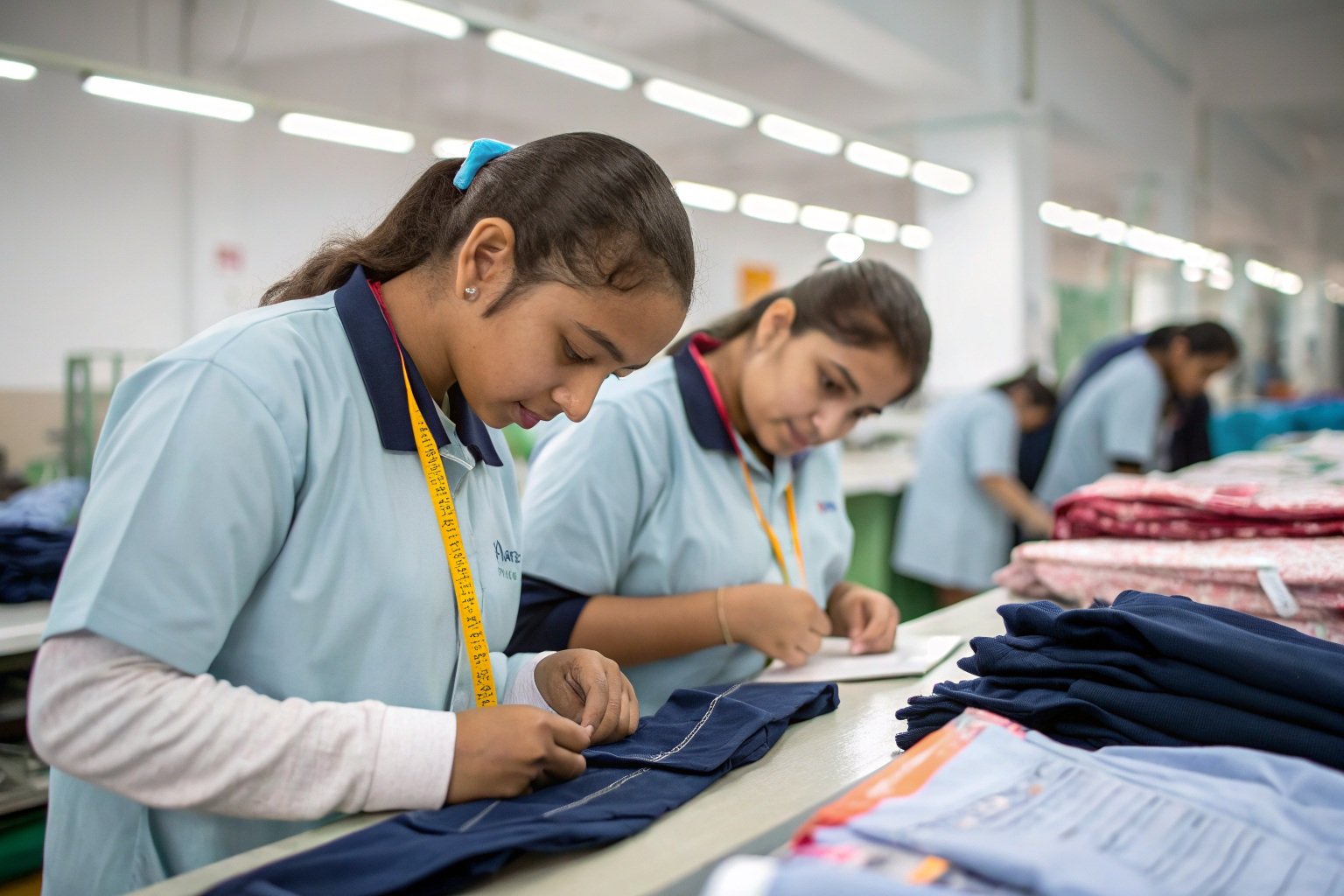
Factory identity is the first gate. I would ask for the legal company name, address, business license, factory photos, production line video, and the name of the person responsible for quality. Buyers can also compare supplier claims with audit frameworks such as WRAP certification or social compliance systems like amfori BSCI. A factory does not need every certificate for every order, but it should be honest about what it has and what it does not have. I do not like suppliers who send a certificate before explaining whether it applies to the actual production site. If the document name, factory name, and address do not match, the buyer should ask for clarification. Honest suppliers answer these questions clearly.
What Proof Shows Export Experience?
Export experience matters because production is only half of the job. The goods must also clear customs, meet labeling rules, and arrive in the right selling window. For U.S. buyers, I would check whether the supplier understands CBP importing goods guidance and apparel labeling expectations such as the FTC guide on textile labeling requirements. A real exporter should know how to prepare packing lists, commercial invoices, carton marks, care labels, and shipping documents. The supplier should also understand that U.S. retailers cannot sell children's garments with missing fiber content or wrong origin labels. I like buyers who ask about documents early, because document problems can delay a shipment even when production is finished.
What Quality Signals Matter Most?
Quality in children's clothing is not only about a nice first sample. A sample can be handmade slowly. Bulk production is different. Bulk production needs stable fabric, correct patterns, clean sewing, safe trims, and repeatable inspection. If buyers judge quality only by a photo, they are taking too much risk.
The strongest quality signals are verified fabric tests, clear tech packs, approved pre production samples, stable size grading, AQL inspection plans, safe trims, accurate labeling, and a supplier who can explain defects before the buyer finds them. A reliable kidswear manufacturer talks about quality in process language, not only in marketing words.
For kidswear, I care about comfort and safety before decoration. A beautiful style can still fail if the neck opening is tight, the zipper scratches, the fabric shrinks, or the print cracks after washing. Parents notice these problems fast. Retailers notice them when return rates rise. The buyer may lose margin, but the brand may also lose trust.
I tell buyers to ask for a quality plan before bulk production. The plan should include fabric approval, trim approval, sample approval, inline inspection, final inspection, packing check, and shipment release. If the supplier cannot explain this flow, the supplier may be relying on luck. Luck is not a quality system.
| Quality Signal | Why It Matters | Buyer Question |
|---|---|---|
| Fabric test | Protects comfort and compliance | Can you share test scope and lab name? |
| PP sample | Locks bulk standard | Will bulk follow this exact sample? |
| AQL plan | Defines inspection rules | What defects are critical, major, and minor? |
| Size grading | Reduces returns | Can you check full size set before bulk? |
Which Certificates Should Buyers Ask For?
Certificate requests should match the product, market, and fabric. For U.S. children's products, buyers should understand the Children's Product Certificate process and ask whether the garment or fabric needs specific testing. For fabric safety and chemical confidence, buyers often ask about OEKO-TEX STANDARD 100. The important point is not to collect logos. The important point is to connect the certificate to the actual item. A T-shirt, a pajama, a jacket, and a decorated dress may need different checks. I tell buyers to ask for the test report date, product scope, factory name, and sample description. If the supplier only sends a blurry certificate image, that is not enough.
How Should You Inspect Bulk Orders?
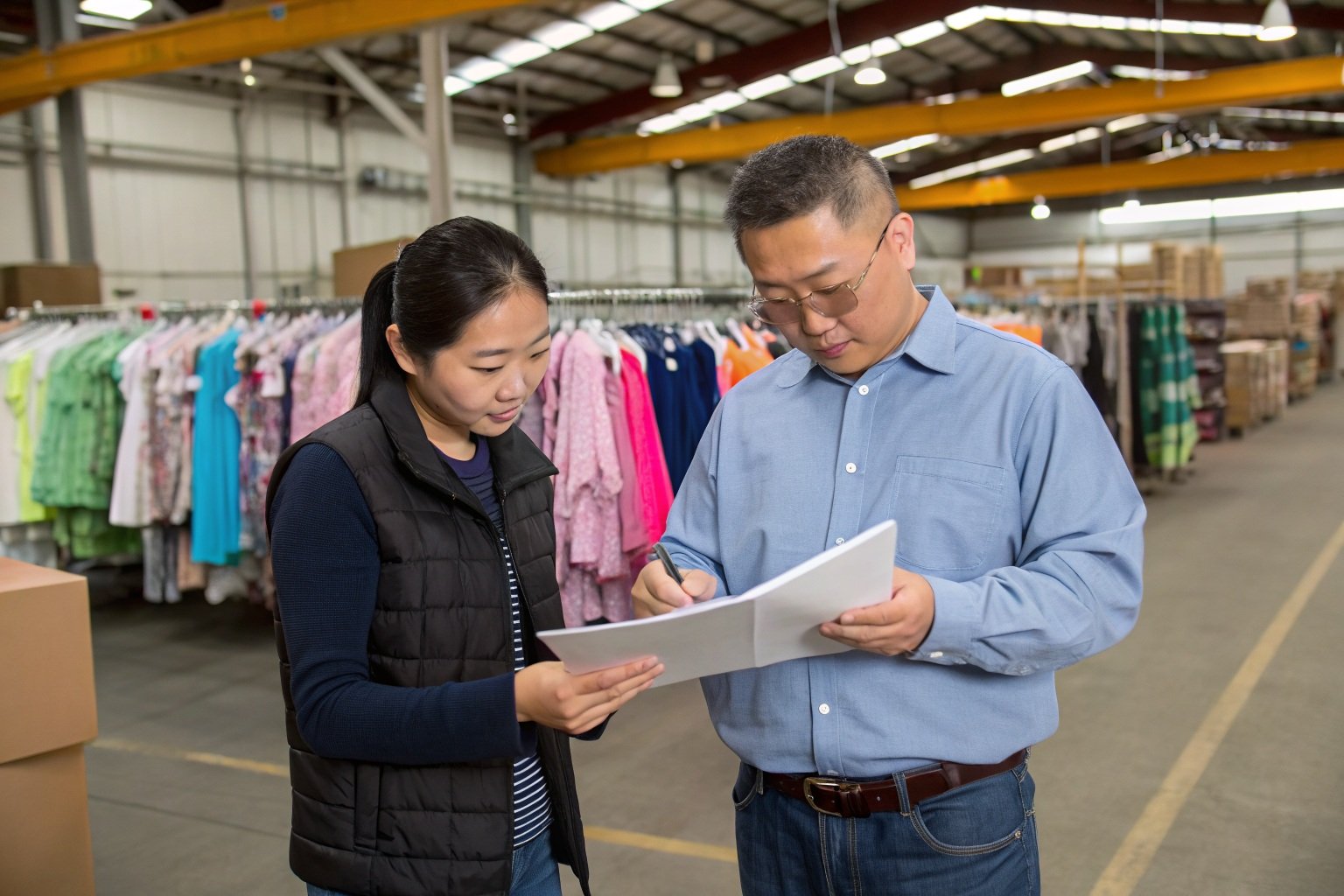
Bulk inspection should be planned before sewing starts. Buyers can use an AQL method to define how many pieces to inspect and how to judge defects. A practical buyer can review the QIMA AQL guide and compare testing support from labs such as SGS softlines testing. In our factory work, I like inline inspection because it catches problems while we can still correct them. Final inspection is important, but final inspection should not be the first quality check. Buyers should define critical defects clearly. For children's garments, loose buttons, sharp edges, broken needles, wrong labels, serious stains, and unsafe drawstrings cannot be treated as small issues.
How Do You Reduce Sourcing Risk?
Most sourcing risk appears after the buyer feels comfortable. The sample looks good. The price looks fair. The sales rep sounds friendly. Then a fabric delay, payment dispute, inspection failure, or shipping issue changes the whole order. Good buyers plan for these problems before they happen.
Buyers reduce sourcing risk by using clear purchase orders, realistic lead times, verified certificates, milestone payments, sample approvals, inspection rules, DDP or well defined Incoterms, and written shipment plans. A reliable wholesale kids clothing manufacturer should make the process visible from development to delivery.
I believe risk control is a shared job. The buyer must give clear order details. The factory must give honest timelines. Both sides must agree on what happens if fabric arrives late, a sample needs revision, or inspection finds a defect. A vague agreement creates arguments. A clear agreement creates action.
For U.S. kidswear buyers, logistics is not a small back office topic. Delivery timing can decide whether a product sells at full price or gets discounted. If a back to school order arrives after school starts, the buyer may lose the best sales window. That is why I like DDP mode when it fits the order. It makes landed cost and delivery responsibility easier for many buyers to understand.
| Risk Area | Control Method | Best Timing |
|---|---|---|
| Payment | Use milestone terms and written PO | Before sampling and deposit |
| Quality | Approve PP sample and AQL plan | Before bulk sewing |
| Delivery | Build buffer and confirm shipment mode | Before fabric booking |
| Compliance | Verify reports and label rules | Before production release |
Which Terms Prevent Late Shipments?
Late shipments are often caused by unclear time ownership. Buyers should write sample due dates, fabric approval dates, production start dates, final inspection dates, and cargo ready dates into the purchase order. Shipping terms should also be clear. Buyers can compare practical international shipping resources from FedEx international shipping and customs support information from DHL Global Forwarding. For larger orders, sea freight needs more planning than air freight. For urgent replenishment, air freight may protect a selling season, but it raises cost. A good supplier should warn the buyer early when fabric, printing, embroidery, packing, or booking may affect delivery.
What Payment Terms Protect Buyers?
Payment terms should protect the buyer without making the factory carry unfair risk. For a new supplier, I suggest a written purchase order, sample approval record, deposit, balance tied to inspection or shipment, and clear bank details. Buyers can review general payment and finance ideas in the U.S. government's Trade Finance Guide and define delivery responsibility with Incoterms rules. I do not like loose promises such as pay later if everything is good. That sentence creates stress for both sides. A fair structure is better. The factory needs cash flow to buy fabric and trims. The buyer needs proof before final payment. Good terms respect both needs.
Conclusion
A reliable wholesale kids clothing manufacturer is not the supplier with the loudest promise or the lowest first quote. It is the supplier that can prove identity, control quality, understand children's garment compliance, communicate clearly, and ship on time. In 2026, buyers have more tools than ever, but the basic judgment has not changed. A strong supplier must show real production ability, clear documents, stable quality systems, and respect for the buyer's selling season.
If you are building or expanding a children's clothing line for the U.S. market, Shanghai Fumao can help you develop and manufacture your own apparel orders with factory direct support. We focus on B2B wholesale, customization, quality control, export logistics, and DDP service when it fits the order. We will not add any extra charge for any possible additional tariffs on China to U.S. products. You can contact our Business Director Elaine at elaine@fumaoclothing.com to discuss your next kidswear production project.