Imagine this: Instead of waiting six weeks and spending thousands of dollars to see a physical sample of a new children’s jacket, a designer can create, tweak, and approve a perfectly realistic digital version in a single afternoon. This isn’t science fiction; it’s the reality that 3D design technology is bringing to the children’s wear industry. From my perspective at Fumao Clothing, the shift isn’t just about cooler software—it’s a fundamental change in how collections are created, costing tens of thousands of dollars and months of time. For an industry driven by fast-paced trends and tight margins, these inefficiencies are crippling. 3D design compresses this timeline from months to weeks. Designers can iterate endlessly—changing a color, adjusting a silhouette, or swapping a fabric—in minutes, with instant visual feedback. This agility is priceless in a market where being first to market with the right trend can define a season’s success.
Kids’ wear brands are investing in 3D design technology because it dramatically accelerates the product development cycle, slashes sample costs and material waste, enhances collaboration and accuracy across global teams, and enables powerful consumer engagement through hyper-realistic digital assets, ultimately creating a more agile, sustainable, and creative design process.
This investment goes far beyond the design department. It’s transforming the entire value chain, from initial sketch to marketing campaign, and solving some of the industry’s most persistent pain points. Let’s explore the concrete drivers behind this technological adoption.
1. How Does 3D Design Radically Accelerate Time-to-Market?
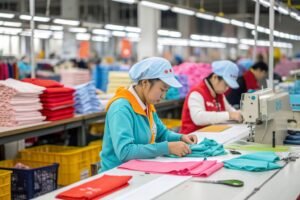
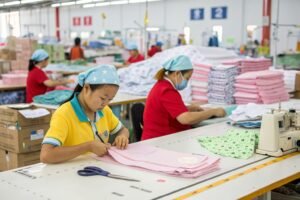
In traditional design, the path from concept to approved sample is a linear, physical slog: sketch → tech pack → first physical sample (wait 4-6 weeks) → review → revise tech pack → second sample (wait another 4-6 weeks). This cycle often repeats 3-4 times per style. For a full collection, this can mean a 6-9 month lead time before bulk production even begins.
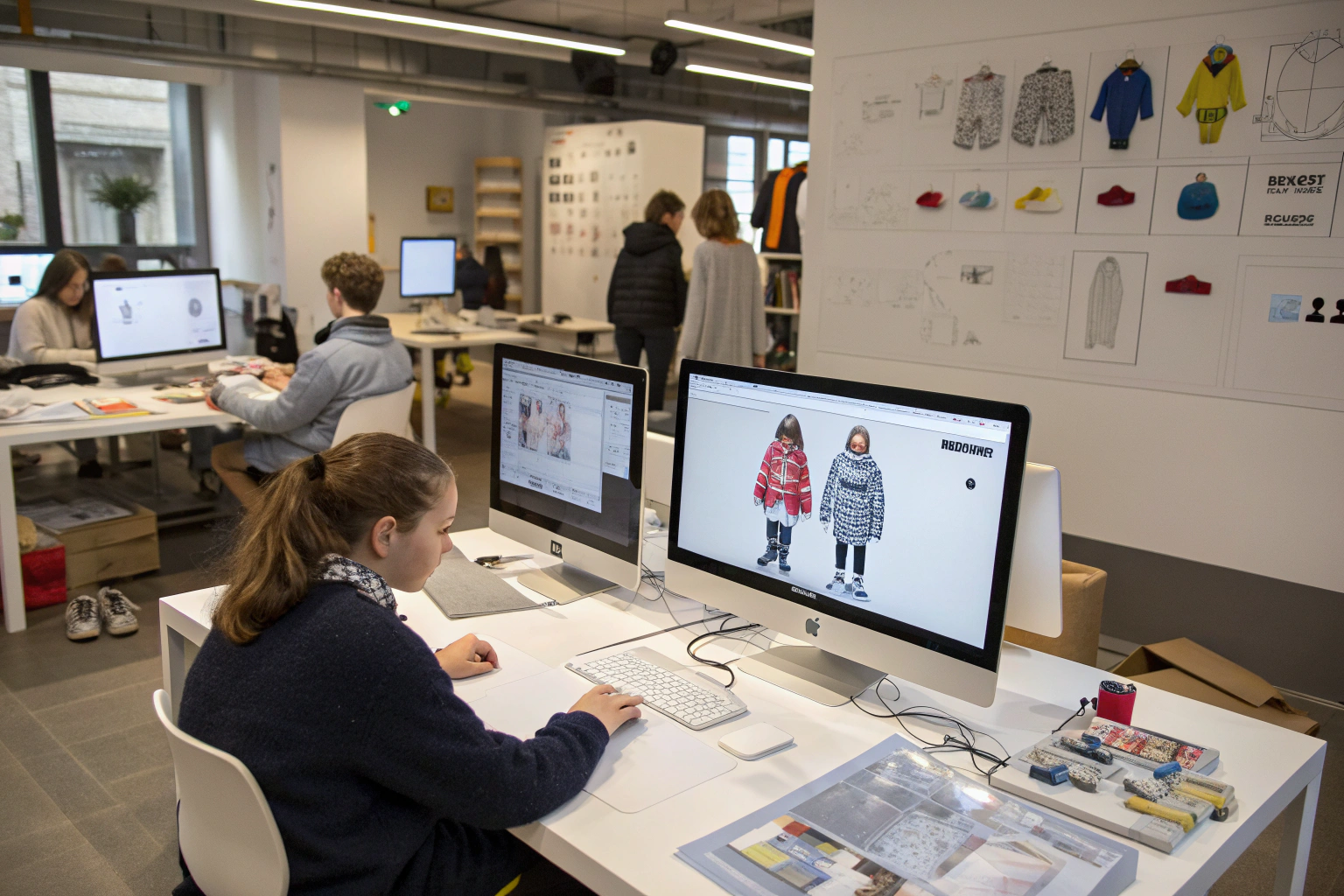
3D design shatters this bottleneck. Designers work in a digital environment where the garment is built on a virtual avatar that can be sized and posed. They can apply digital fabrics with accurate physical properties (drape, stretch, texture) and see how the garment moves and fits in real-time. A change that would require a new sample round—like moving a pocket or adjusting a sleeve length—is executed and visualized in seconds. This allows brands to explore more creative options, make confident decisions faster, and finalize designs in a fraction of the time. When the digital prototype is perfect, a single golden sample for physical validation is often all that’s needed before production, cutting months off the development calendar.
What is the Impact on Sampling Costs and Sustainability?
The financial and environmental cost of sampling is staggering. A single physical sample can cost hundreds of dollars in materials, labor, and shipping. For a new brand developing a 20-SKU collection, sample costs can easily exceed $10,000 before a single sale is made. 3D design reduces the need for physical samples by 70-80%. This direct cost saving is immense. Furthermore, it eliminates the waste associated with sample fabrics, trims, and the shipping of heavy packages across the globe. This aligns powerfully with the sustainability goals that many kids’ wear brands and their customers now prioritize, reducing the carbon footprint of the development phase significantly.
How Does This Speed Benefit Seasonal Planning?
Children’s fashion is intensely seasonal. The ability to react quickly to emerging trends (spotted on social media or at trade shows) is a competitive advantage. With 3D, a brand can design, visualize, and present a new capsule collection to buyers in a matter of days, not months. This allows for more "fast fashion"-like responsiveness without the ethical and environmental downsides, enabling brands to be more trend-relevant and capture fleeting market opportunities.
2. How Does 3D Technology Enhance Accuracy and Reduce Errors?
The "telephone game" between design, technical design, and the factory is a major source of errors. A tech pack, no matter how detailed, is still a 2D interpretation of a 3D product. Misunderstandings about fit, drape, or proportion are common and aren’t caught until a physical sample arrives, triggering costly rework and delays.
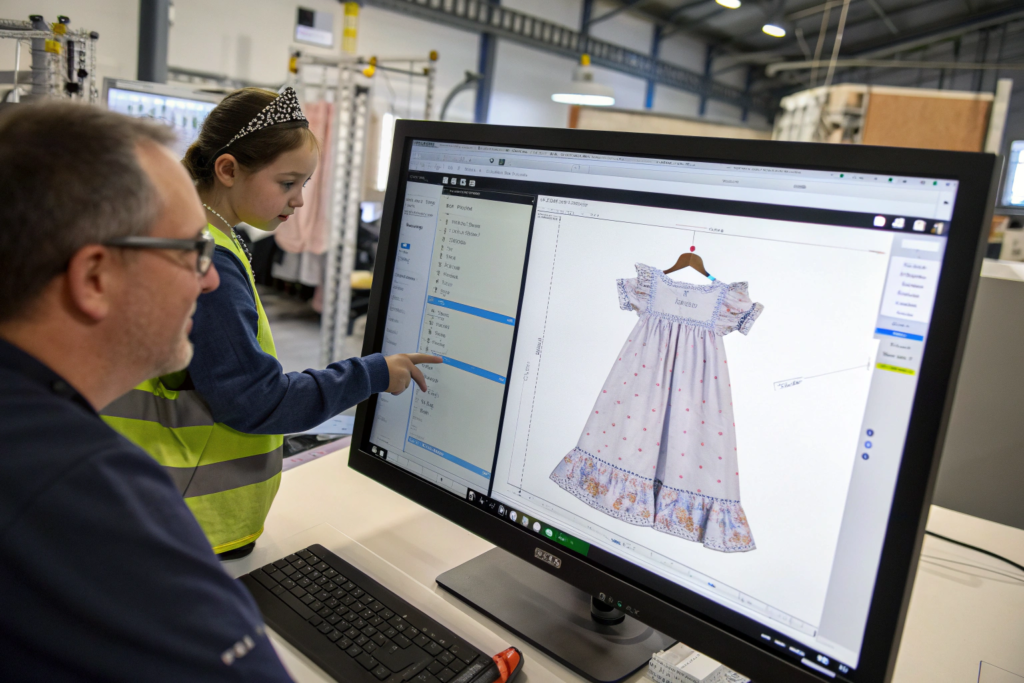
3D design creates a single source of visual truth. The digital garment is the tech pack. Factories (like ours at Fumao) can receive the 3D file and see exactly how every seam, dart, and panel should come together. They can analyze the digital pattern for potential construction issues before cutting any fabric. This dramatically reduces misinterpretation. When both brand and manufacturer are looking at the same hyper-realistic 3D model, communication becomes precise and unambiguous. The result is fewer sample rounds, fewer production errors, and a higher likelihood that the first physical sample is very close to the digital intent.
Can 3D Design Improve Fit and Sizing?
Absolutely. Advanced 3D platforms allow designers to test garments on avatars with a range of body sizes and proportions, moving beyond the standard size chart. They can simulate how the fabric will stretch and strain in key areas (like knees and elbows) for different sizes. This digital fit analysis can identify potential comfort or fit issues early—like a neckline that is too tight on a larger size or a sleeve that restricts movement. By addressing these in the digital realm, brands can develop more inclusive and comfortable sizing from the start, reducing fit-related returns from customers.
What is the Role of Digital Fabric Libraries?
A key component of 3D accuracy is the digital fabric. Brands and manufacturers are building libraries of digitally calibrated materials. This means scanning and testing physical fabrics to create a digital "twin" that accurately simulates weight, drape, stretch, and texture. Once a fabric is in the library, it can be applied to any design instantly. This ensures that the digital prototype is not just a visual approximation but a true simulation of the final product’s look and feel.
3. How is 3D Design Transforming Marketing and Sales?
The digital assets created during the design process have immense value beyond production. A photorealistic 3D model of a garment is a versatile marketing tool that can be used long before the physical stock arrives.
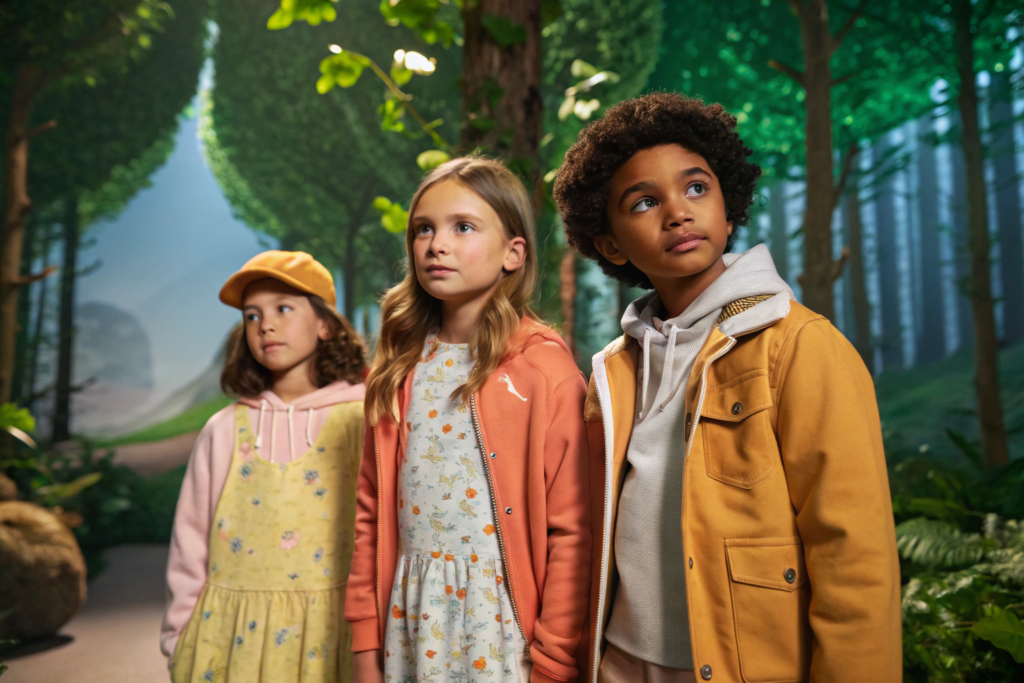
Brands can create entire digital lookbooks and marketing campaigns with 3D renders. They can place digital garments on diverse, photo-realistic child models in various virtual environments. This allows for the creation of seasonal campaign imagery without the logistical nightmare and cost of organizing a photoshoot with samples, child models, photographers, and stylists. Furthermore, these assets can be used for e-commerce product imagery, social media content, and even Augmented Reality (AR) try-on experiences, engaging customers in innovative ways. For sales teams, 3D visualizations are powerful tools for selling to retail buyers early in the season, helping secure orders based on compelling digital prototypes.
What is the Potential for Digital Showrooms and B2B Sales?
The pandemic accelerated the adoption of digital B2B tools. 3D design enables the creation of immersive virtual showrooms. Buyers from around the world can "walk through" a digital space, view entire collections on avatars, click on garments for details, and even see custom colorways—all without traveling to a trade show or showroom. This not only reduces costs but also makes the buying process more efficient and data-rich, as brands can track which digital items garner the most attention.
How Does This Enable Pre-Order and Demand Forecasting?
With compelling 3D visuals and videos, brands can launch products for pre-order directly to consumers months before production is complete. This serves as a powerful market test, validating demand for specific styles, colors, or prints. The sales data from pre-orders can then inform production planning, reducing the risk of overproduction and dead stock—a critical advantage in the volatile children’s fashion market.
4. What Are the Implementation Challenges and Future Outlook?
Adopting 3D design is not without its hurdles. It requires investment in software (like Browzwear, CLO, or Optitex), training for design teams, and a shift in mindset and process. The initial learning curve can be steep, and it requires close collaboration with manufacturing partners who must also be equipped to work with 3D files and digital twins of materials.
The key to successful implementation is phased integration. Brands often start by using 3D for specific, repetitive categories like basic tees or jackets before expanding to more complex designs. Partnering with a forward-thinking manufacturer who is already investing in this technology is crucial. At Fumao, we are integrating 3D data into our workflow to ensure a seamless bridge between digital design and physical production, checking digital patterns for manufacturability and using them to guide our sample makers.
How is AI Integrating with 3D Design?
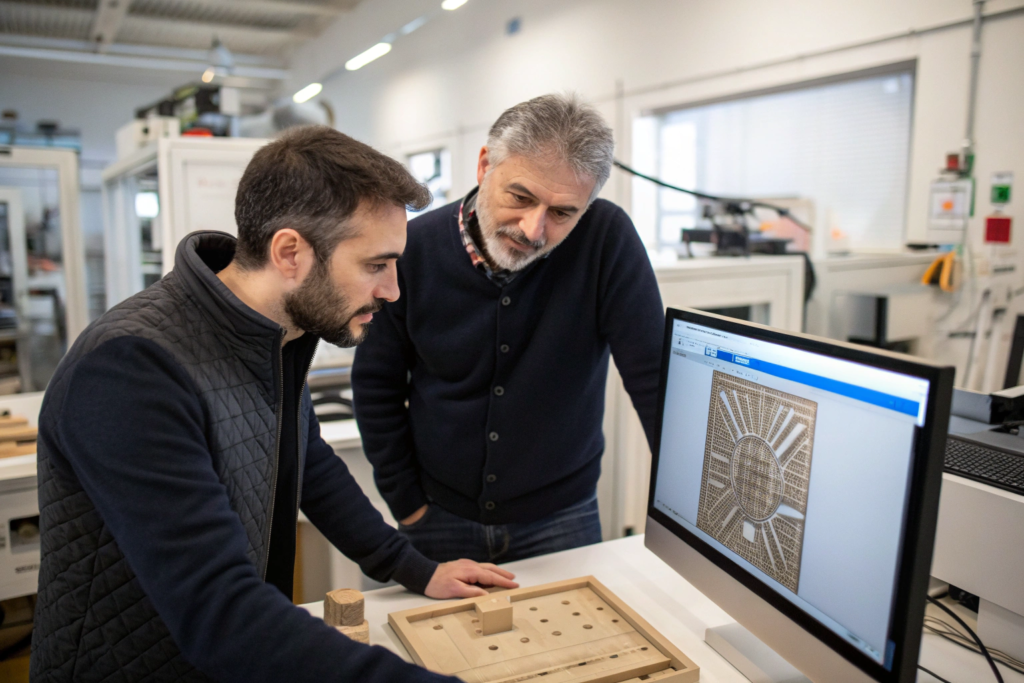
The next frontier is the fusion of AI and 3D. AI algorithms can now generate initial design variations based on trend data, create unique prints, or even suggest improvements to a digital garment’s fit and sustainability profile (e.g., recommending fabric usage optimization). This will further accelerate the creative process and push the boundaries of what’s possible in digital product creation.
Is 3D Design Replacing Traditional Skills?
Not replacing, but evolving. The need for deep understanding of garment construction, fit, and fabric behavior is more important than ever. 3D is a tool that empowers these skills. Pattern makers become "digital pattern engineers," and designers become "creative directors of virtual and physical products." The human eye for aesthetics and understanding of a child’s comfort remains irreplaceable, but it is now augmented by powerful technology.
Conclusion
The investment in 3D design technology by kids’ wear brands is a strategic imperative, not a fleeting trend. It addresses the core commercial pressures of speed, cost, accuracy, and sustainability in product development. It unlocks new avenues for creativity, marketing, and sales. Most importantly, it builds a more responsive and responsible supply chain—one that can adapt quickly to market needs while wasting fewer resources.
Brands that embrace this digital transformation are building a significant competitive moat. They are not just making clothes faster; they are building a smarter, more connected, and more imaginative way of bringing children’s fashion to life. The future of design is digital, and it’s arriving in the children’s wear industry right now.
Ready to explore how 3D design and digital product creation can streamline your development process and reduce time-to-market? Partner with a manufacturer who is ready for the digital future. Contact our Business Director, Elaine, at elaine@fumaoclothing.com to discuss how Shanghai Fumao can integrate with your 3D workflow to bring your digital designs to physical life with precision and efficiency.