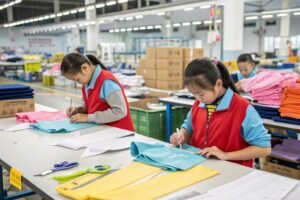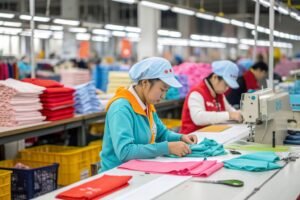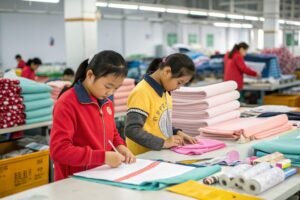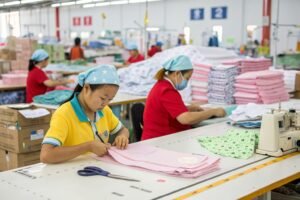

Imagine this: It’s mid-August, and your flagship back-to-school collection is stuck at a port halfway across the world. Your warehouse is empty, your marketing campaign is live, and angry customer emails are starting to pile up. For a children’s clothing brand, this isn’t just a logistical hiccup—it’s a season-ending crisis that erodes trust and damages your bottom line. At Fumao Clothing, we’ve seen how the traditional "black box" supply chain model creates unbearable stress for brand owners. You place an order, wait anxiously for months, and hope for the best. But in today’s market, hope is not a strategy.
Supply chain visibility is crucial for children’s clothing brands because it transforms uncertainty into control. It enables proactive risk management, ensures compliance with stringent safety regulations, optimizes inventory to meet fast-paced demand, and ultimately protects brand reputation by guaranteeing that safe, high-quality products arrive on time, every time.
Visibility is no longer a luxury for large corporations; it’s a survival tool for any brand sourcing overseas. For children’s apparel, the stakes are multiplied by the non-negotiable demands of product safety and seasonal relevance. A visible supply chain acts as your central nervous system, providing real-time data that allows you to make informed decisions, not desperate guesses. Let’s explore the concrete reasons why investing in visibility is your smartest business move.
1. How Does Real-Time Visibility Prevent Costly Delays and Stockouts?
Delays are inevitable in global logistics, but being blindsided by them is not. Without visibility, a delay at a fabric mill or a customs hold becomes a nasty surprise that arrives weeks too late to fix. This leads to missed selling seasons, forced discounting of late goods, and lost customer loyalty. For children’s clothing, where trends and sizes are incredibly time-sensitive, these costs are catastrophic.
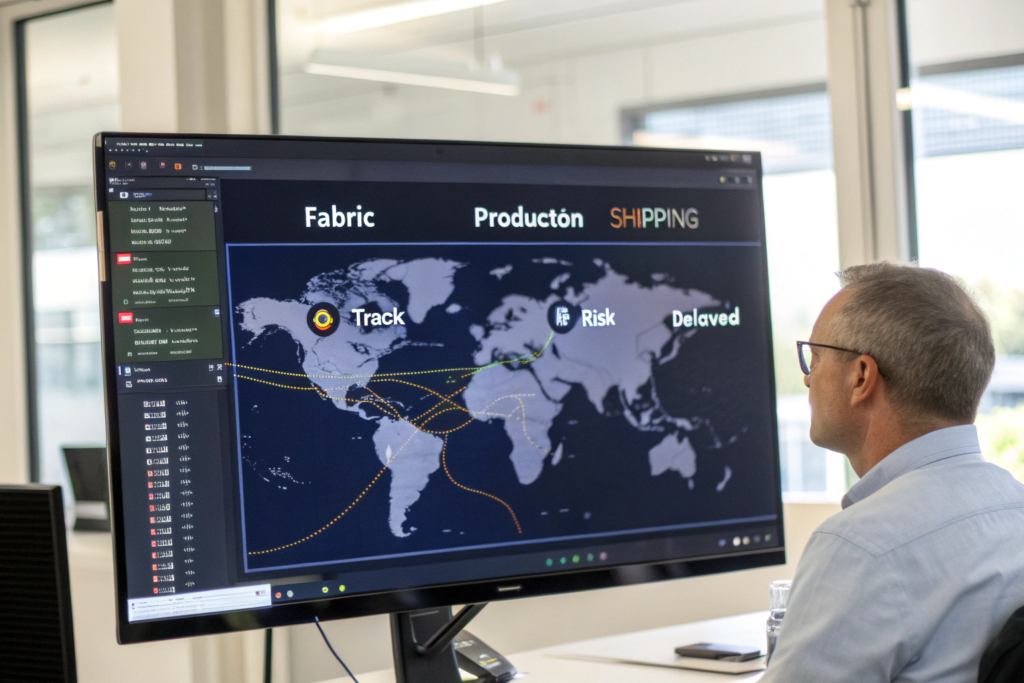
Real-time visibility gives you the foresight to manage delays, not just suffer them. When you can track an order from yarn sourcing to final delivery, you see bottlenecks as they form. If our system flags that the organic cotton for your line is running two weeks late from the mill, we don’t wait. We immediately alert you and present contingency options—like allocating pre-approved alternative fabric or adjusting production schedules. This proactive approach can mean the difference between missing a season and catching it with a partial, on-time shipment. Tools like shared production dashboards and GPS container tracking turn your supply chain from a mystery into a manageable process.
What Are the Key Milestones to Track in Your Production Cycle?
Effective tracking means monitoring specific, actionable milestones, not just "production started." Key checkpoints include:
- Raw Material Sourcing: Order confirmation and lab-test approval for fabrics and components.
- Production Stages: Fabric cutting, sewing line completion (20%, 50%, 80%), quality inspection (DPI), and final packaging.
- Logistics: Factory gate-out, vessel departure/airlift, customs clearance at origin and destination, and final mile delivery.
At Fumao, we provide regular updates at these stages, often accompanied by photos or videos. This granular view allows you to coordinate your marketing, warehouse labor, and sales plans with precision, turning your supply chain into a synchronized engine rather than a source of constant anxiety.
How Can Visibility Improve Your Inventory and Cash Flow?
Lack of visibility forces brands to over-order "just in case" or face costly air freight for "just-in-time" emergencies. Both strategies hurt cash flow. With clear visibility into production and shipping timelines, you can practice smarter inventory management. You can place smaller, more frequent orders with confidence, knowing exactly when replenishments will arrive. This reduces capital tied up in stagnant inventory and minimizes deep discounting at season’s end. For growing brands, this efficient use of working capital is essential for scaling sustainably.
2. How Does Transparency Ensure Compliance and Product Safety?
For children’s wear, compliance isn’t just about paperwork—it’s about legal liability and consumer trust. A visible supply chain extends beyond logistics into the very materials and processes that make your product. It allows you to verify that every component, from dye to button, meets stringent safety standards like CPSIA and OEKO-TEX®. In an era of heightened consumer awareness, "trust me" is not enough; you need "show me."
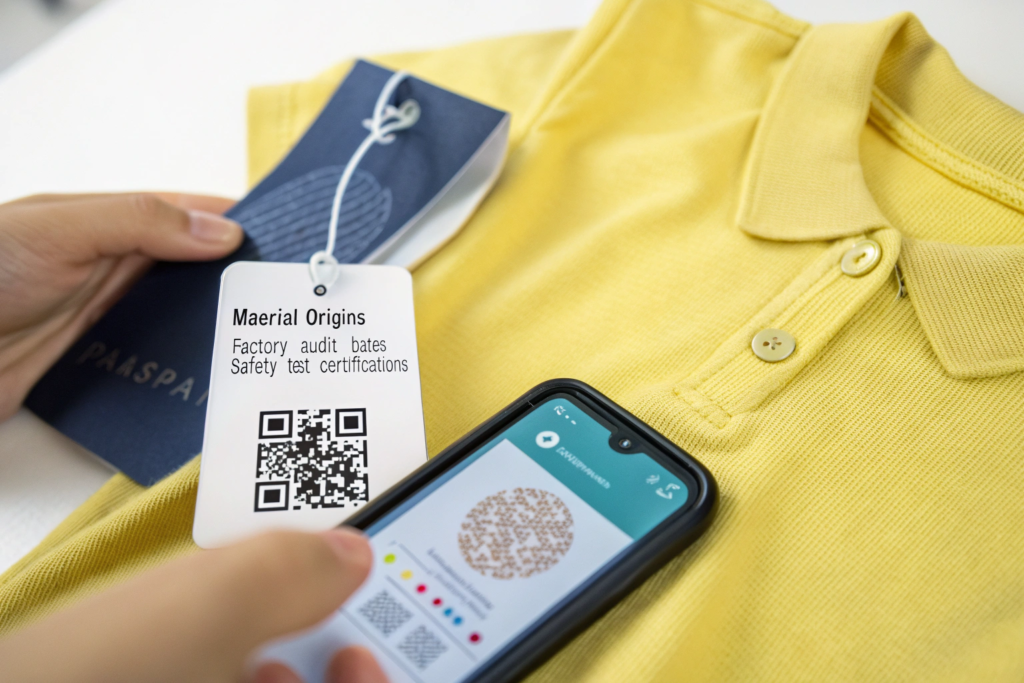
True safety compliance requires traceability. When you have visibility, you can demand and receive documented proof at every step. This means access to mill test reports for fabrics, safety certificates for trims, and audit reports from the factory floor. For instance, if a retailer questions the phthalate content in your prints, you can quickly trace back to the specific ink batch’s compliance certificate. This level of traceability is your best defense against recalls, legal action, and the devastating brand damage that follows a safety scandal. It transforms compliance from a reactive cost into a proactive brand asset.
Why is Documented Traceability a Competitive Advantage?
Modern parents are increasingly "conscious consumers." They seek brands that align with their values on safety and ethics. Documented traceability allows you to tell a powerful story. You can share insights into your responsible sourcing, ethical manufacturing partners, and rigorous safety checks. This builds immense trust and can justify a premium price point. Platforms like Transparency-One enable brands to create these digital product stories. In a crowded market, this transparency becomes a key differentiator that attracts and retains loyal customers.
How Can Visibility Mitigate the Risk of Certificate Falsification?
One of the biggest fears for buyers like Ron is suppliers providing falsified safety or audit certificates. A transparent supply chain relationship minimizes this risk. When you work with a partner who provides open access to their processes and original documentation from accredited third-party labs (e.g., SGS, Intertek), verification becomes straightforward. You can cross-reference certificate numbers on the issuer’s website. Visibility fosters a culture of honesty, as all actions and claims are open to scrutiny, making malpractice far more difficult to hide.
3. How Does Supply Chain Visibility Enhance Brand Responsiveness?
The children’s fashion market moves fast. A style goes viral on TikTok, a celebrity’s kid wears a particular look, or a unexpected weather pattern changes demand. Brands stuck with a rigid, opaque supply chain cannot capitalize on these opportunities or mitigate new risks. They are stuck with what they ordered six months ago.
Visibility provides the agility to adapt. If a particular item in your collection is selling out faster than forecasted, a visible supply chain lets you see if you have fabric in reserve, if the production line can be adjusted to prioritize re-orders, and what the expedited shipping options and costs would be. Conversely, if an item is underperforming, you can potentially pause or reduce the remaining order before it’s cut or sewn, saving significant costs. This data-driven responsiveness turns your supply chain into a strategic tool for maximizing sales and minimizing markdowns.

What Role Does the Factory Partner Play in Your Agility?
Your agility is only as good as your factory’s flexibility and communication. A partner like Fumao, with integrated production lines and real-time internal tracking, can provide accurate, immediate answers to your "what-if" scenarios. We can quickly query our system to check material availability, line capacity, and potential impact on other orders. This enables a true collaborative partnership where we work as an extension of your team to navigate market fluctuations, rather than a rigid vendor that says "no" to changes.
How Can Visibility Improve Forecasting and Planning for Future Seasons?
Historical data from a transparent supply chain is gold for planning. By analyzing timelines from previous orders—where delays actually occurred, how long quality checks took, real vs. estimated shipping times—you can create far more accurate forecasts and production plans for future seasons. You move from guesswork to fact-based planning, reducing stress and improving financial accuracy. This continuous improvement cycle is only possible with detailed visibility into past performance.
4. How Does End-to-End Visibility Build Trust with Retailers and Consumers?
Today’s marketplace is a chain of trust. Retailers need to trust that you will deliver as promised before they give you valuable shelf space or online promotion. Consumers need to trust that your products are safe and that your brand values align with theirs. An opaque supply chain breaks this chain; a visible one strengthens it at every link.
For retailers, providing them with visibility into their order’s status reduces their administrative burden and risk. They don’t need to chase you for updates; they can access a portal to see the status themselves. This professional approach makes you a reliable, preferred vendor. For consumers, as mentioned, transparency about sourcing and safety builds deep brand loyalty. It shows you have nothing to hide and everything to prove about your commitment to quality and responsibility. In an age of skepticism, this trust is the ultimate currency.

What Information Should Be Shared with Different Stakeholders?
Tailor visibility to the audience:
- Internal Team: Full, granular data on costs, timelines, and risks for decision-making.
- Retail Partners: Access to a clean portal with key milestones, shipping details, and compliance documentation for their specific orders.
- Consumers: A simplified, engaging story about product origin, material story, and safety commitments, often via a QR code or a dedicated website page.
This tiered approach protects sensitive business data while building appropriate trust with each stakeholder.
How Can Technology Facilitate This Trust-Building?
Cloud-based platforms, blockchain for immutable record-keeping, and integrated data systems make sharing secure, real-time information feasible and scalable. These technologies provide a single source of truth that all parties can rely on, eliminating conflicting information and building a foundation of integrity for every transaction and communication.
Conclusion
For children’s clothing brands, supply chain visibility is far more than a tracking number. It is the foundational element for managing risk, ensuring safety, responding to the market, and building unshakable trust. It replaces fear and uncertainty with confidence and control. In a competitive industry where margins are tight and reputations are fragile, investing in a transparent partnership with your manufacturer is not an IT cost—it’s a strategic imperative for growth and longevity.
The goal is to see your supply chain not as a necessary evil, but as a clear, connected, and collaborative ecosystem that actively supports your brand’s success.
If you are ready to replace supply chain anxiety with clarity and control, partner with a manufacturer built for transparency. Contact our Business Director, Elaine, at elaine@fumaoclothing.com to see how Shanghai Fumao’s visible and reliable supply chain can become your brand’s greatest asset.