In the competitive world of children’s fashion, acquiring a new customer is significantly more costly than retaining an existing one. Customer retention is the engine of sustainable growth, transforming one-time buyers into a loyal community that provides predictable revenue, valuable feedback, and powerful word-of-mouth marketing. As a manufacturer who sees the backend data of many brands, I can confirm that the most profitable and resilient businesses are those built on a foundation of loyal customers, not just flashy launch campaigns.
The best practices for kids clothing customer retention focus on delivering exceptional, personalized post-purchase experiences, building a genuine community around shared values, implementing smart loyalty and rewards programs, maintaining consistent quality and fit that earns trust, and using data-driven communication to stay relevant and helpful throughout the child’s growth journey.
Retention is a long-term relationship strategy, not a series of transactional tricks. Let’s explore the systematic approaches that turn satisfied customers into lifelong brand advocates.
How to Master the Post-Purchase Experience and Service?
The moment after a customer clicks "buy" is when the retention relationship truly begins. A seamless, transparent, and surprisingly delightful post-purchase journey sets the tone for all future interactions. This is where trust is either solidified or broken.
This encompasses proactive and transparent shipping communication (with tracking), a thoughtful and branded unboxing experience, easy and fair return policies, and exceptional, empathetic customer service. The goal is to reduce anxiety (e.g., "Where’s my order?") and exceed expectations at every touchpoint.

What Does an "Unboxing Experience" That Drives Loyalty Look Like?
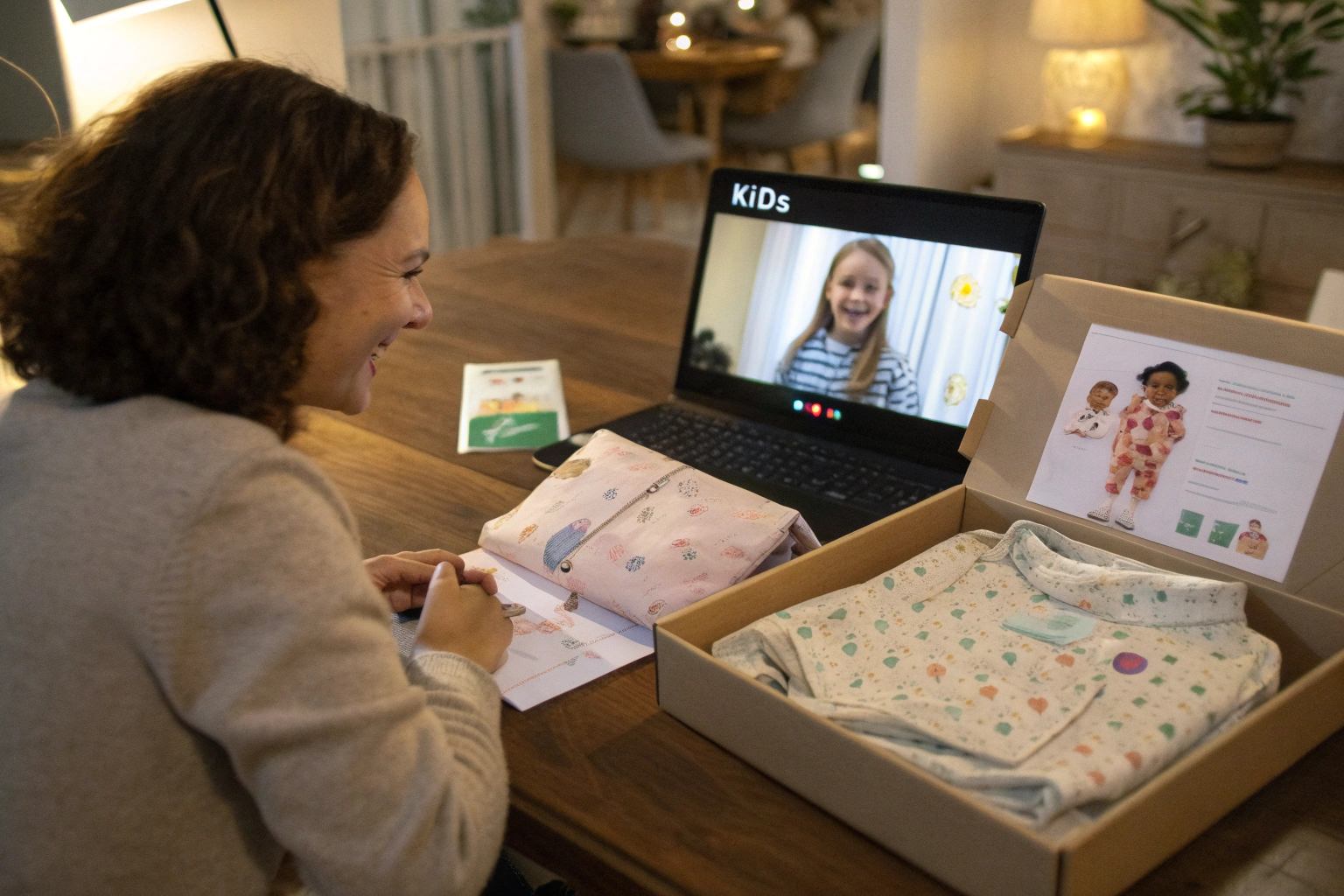
The package that arrives is a tangible representation of your brand. A retention-focused unboxing includes:
- Quality Packaging: Sturdy, attractive, and eco-friendly where possible.
- Personal Touch: A handwritten thank-you note or a note referencing the specific items purchased.
- Useful Extras: A beautiful sticker for the child, a care guide for the fabrics, or a discount code for a future purchase (not for the current one, which can feel cheapening).
- Brand Storytelling: A small card reiterating your mission or the story behind the collection.
This transforms a routine delivery into a memorable event that customers are excited to share on social media, providing free marketing and positive association.
Why is "Heroic" Customer Service Your Best Retention Tool?
For kids’ wear, issues are often emotional (a ruined outfit for a big event) or practical (confusing sizing). Service that goes beyond solving a problem to delighting the customer is priceless. Best practices include:
- Easy Returns/Exchanges: A hassle-free process, potentially with a pre-paid label.
- Proactive Problem Solving: If an item is delayed, offer a small future discount before they complain.
- Empowerment: Allow service reps to make judgment calls to make things right.
- Knowledgeability: Reps should understand your products, fabrics, and fit intimately.
A single positive service interaction can create a more powerful bond than ten marketing emails. Resources like Zendesk or Gorgias help scale this personal touch.
How to Build a Community, Not Just a Mailing List?
Retention thrives in community. When customers feel they are part of a group that shares their values and interests, their connection to the brand transcends the products. They stay for the people and the shared identity.
This involves creating private social media groups (Facebook, Instagram) for loyal customers, hosting real-world or virtual events (playdates, parenting workshops, styling sessions), and prominently featuring user-generated content (UGC). The brand acts as a facilitator and curator, not just a broadcaster.

How to Foster Engagement in a Brand Community?
An active community requires nurturing. Strategies include:
- Exclusive Content: Share behind-the-scenes peeks, early access to sales, or ask for community input on new designs.
- Expert-Led Discussions: Host Q&As with child development experts, nutritionists, or sustainability advocates.
- Challenges and Contests: "Share your best backyard adventure photo in our clothes."
- Peer-to-Peer Support: Encourage parents to ask and answer each other’s questions about parenting or styling.
This transforms your brand from a store into a trusted hub in their lifestyle, making disengagement unlikely.
Why is User-Generated Content (UGC) a Retention Superpower?
When you repurpose customer photos on your website, social feed, or even in emails, you achieve two powerful retention goals:
- Validation: You show other customers real-life proof of your products.
- Recognition: You make the featured customer feel seen and valued, turning them into a brand evangelist.
Creating a branded hashtag and regularly running UGC campaigns ensures a constant stream of this authentic content and deepens individual customer investment.
How to Design Effective Loyalty and Rewards Programs?
A well-structured loyalty program is a concrete way to say "thank you" and incentivize repeat behavior. However, the best programs offer value beyond simple transactional discounts, fostering a sense of progression and exclusive access.
Move beyond basic points-for-discounts. Consider tiered programs (Silver, Gold, Platinum) with increasing benefits like free shipping, early access, birthday gifts, and double points days. Incorporate non-purchase actions like writing a review or referring a friend to earn rewards, encouraging deeper engagement.

What Makes a Loyalty Program Feel Valuable, Not Just Cheap?
The psychology of rewards matters. Best practices include:
- Earning Speed: Points should accumulate at a perceptible rate. A $1 = 1 point that needs 500 points for $5 off feels slow. Consider a more generous ratio or bonus point opportunities.
- Aspirational Rewards: Beyond discounts, offer exclusive products, charitable donation matching, or experiences (e.g., a virtual styling session).
- Surprise and Delight: Occasionally give bonus points or a free gift to top-tier members "just because."
- Seamless Integration: Use a platform like Smile.io or LoyaltyLion that integrates directly with your e-commerce store for a smooth user experience.
How Can a "Subscription" Model Lock in Long-Term Retention?
For categories with predictable repurchase cycles, a subscription box is the ultimate retention tool. For kids, this works perfectly for basics:
- The Sock/Underwear Club: Deliver new sets every 3-6 months.
- The Seasonal Capsule Box: Curated mix-and-match pieces delivered at the start of each season.
- The "Growth Spurt" Box: Based on the child’s age and projected size, delivering essential staples.
This model guarantees recurring revenue, solves a problem for parents (remembering to size up), and creates a "set-it-and-forget-it" loyalty that is hard to break.
How Does Consistent Product Quality and Fit Drive Repeat Purchases?
Nothing erodes trust faster than inconsistency. A parent who buys a perfectly sized, durable pair of pants will expect the same from their next purchase. Retention is built on the reliable delivery of the brand promise.
This requires rigorous quality control (QC) from your manufacturer, detailed and accurate size charts, investment in pattern grading that scales correctly across sizes, and transparency about fabric sourcing and care. When customers know exactly what they’re getting, they buy with confidence again and again.

Why is a "Fit Promise" or Guarantee a Powerful Retention Tool?
Sizing anxiety is a major barrier to repurchase, especially online. Address it head-on with a robust fit guarantee. This could be:
- Free Exchanges on size for a certain period.
- Detailed Fit Guides with video explanations and comparison to common brands ("Fits like Cat & Jack but runs longer in the torso").
- Pre-Purchase Consultation: Offer a quick chat or form to help recommend the right size based on the child’s measurements and fit preference.
Reducing the perceived risk of a bad fit makes customers much more likely to click "buy" a second, third, and fourth time.
How Can You Use Customer Data to Improve Fit and Quality?
Leverage the data you collect. Analyze return reasons—if a specific style has high returns for "runs small," you have a pattern grading issue to fix with your manufacturer. Send follow-up surveys after purchase asking about fit and durability after 30 days of wear. This direct feedback loop allows you to continuously refine your products, demonstrating to customers that you listen and improve, which in itself is a retention driver.
How to Use Personalized, Lifecycle Communication?
Children grow and families’ needs change. Retention-focused communication acknowledges this journey. Using data wisely, you can send relevant, helpful messages that feel like a service, not spam.
This involves segmenting your email list based on the child’s age/stage, sending triggered emails for birthdays or "size-up reminders," and providing content that matches their current life phase (e.g., "Preparing for Preschool" guides for parents of 3-year-olds, "Independent Dressing Tips" for parents of 5-year-olds).

What is a "Lifecycle Marketing" Strategy for a Kids’ Brand?
Map the typical customer journey and communicate accordingly:
- New Customer/Newborn: Welcome series, care guides, introduction to your brand values.
- Toddler (1-3 yrs): Content on play-friendly fabrics, stain tips, potty-training friendly clothing.
- Child (4-8 yrs): Content on encouraging self-dressing, school-ready styles, activity-based outfits.
- Re-Engagement: Win-back campaigns for customers who haven’t purchased in 12+ months, often tied to a child’s birthday or a new season.
Tools like Klaviyo or Omnisend are built for this sophisticated, automated lifecycle marketing.
Why is a "Birthday Club" a Simple but Effective Tactic?
A birthday offer (e.g., 20% off) sent via email is a classic for a reason. It’s highly personalized, anticipated, and drives a purchase during a sentimental time. It reminds the customer you’re there and thinking of their child, reinforcing the emotional connection. It’s a low-cost, high-impact retention tactic that should be standard for any kids’ brand.
Conclusion
Mastering customer retention in kids’ clothing is about systematically building trust, community, and value at every stage of the customer lifecycle. It requires a shift from a transactional mindset to a relational one, where every interaction—from the unboxing to the customer service call to the birthday email—is an opportunity to deepen loyalty. By focusing on exceptional experiences, fostering genuine community, rewarding loyalty intelligently, guaranteeing quality, and communicating with personalized relevance, a brand can create a self-reinforcing ecosystem of advocates who drive sustainable, profitable growth.
For manufacturers, being a partner in retention means delivering the consistent quality and reliable timelines that allow brands to make and keep promises to their customers. At Fumao Clothing, our commitment to rigorous QC and transparent communication helps our brand partners build that essential foundation of trust. If you’re building a brand for the long haul, let’s ensure your products are worthy of a lifetime of loyalty. Contact our Business Director, Elaine, at elaine@fumaoclothing.com to partner on quality that brings customers back.