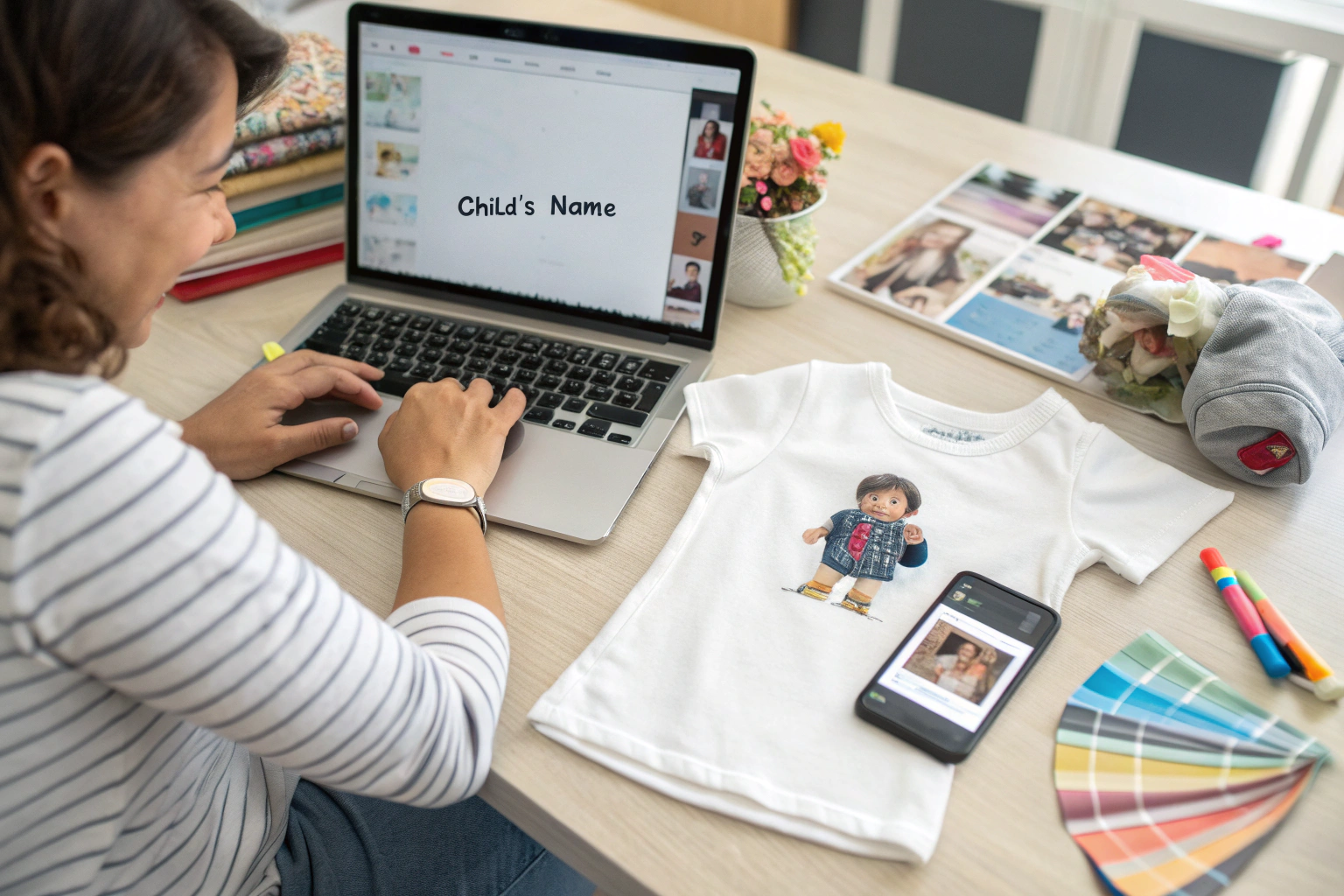
The market for personalized children’s clothing is experiencing a significant surge, moving from a niche, special-occasion service to a mainstream expectation. This growth is not a fleeting trend but a fundamental shift in consumer behavior, driven by digitalization, evolving parenting philosophies, and a deep human desire for individuality. As a manufacturer at the forefront of customization technology, I see this demand as a powerful convergence of emotional need and technological possibility, creating a lucrative and defensible segment for forward-thinking brands.
The demand for kids personalized clothing is growing because it fulfills the deep-seated parental desire to celebrate a child’s unique identity, leverages social media’s drive for shareable and unique content, is enabled by accessible digital printing and manufacturing technologies, serves as a powerful tool for community and group affiliation (like teams or schools), and aligns with the broader consumer shift towards meaningful, intentional consumption over mass-produced items.
Personalization transforms clothing from a commodity into a cherished, meaningful object. Let’s explore the multifaceted drivers behind this expanding market.
How Does Personalization Tap into Emotional and Psychological Drivers?
At its core, personalized clothing is about storytelling and identity. For parents, it’s a tangible expression of love and celebration of their child as a unique individual. It transforms a simple garment into a keepsake, marking milestones, expressing personality, and creating a sense of specialness that off-the-rack clothing cannot match.
Key emotional drivers include: Celebrating Milestones (first birthday, first day of school), Fostering a Child’s Sense of Self by allowing them choice in their appearance, Creating Family Heirlooms and Memories (often saved long after the child outgrows them), and Providing a Sense of Belonging and Pride when wearing a item with their own name or a symbol they love.

Why is the "Keepsake" Factor So Powerful for Parents?
In an era of fast fashion and disposable goods, personalized items represent the opposite: intentionality and longevity. A beautifully embroidered Christmas stocking with a child’s name or a "Big Sister" t-shirt for a newborn’s arrival are items imbued with sentiment. They are photographed, saved in memory boxes, and often passed down. This emotional weight justifies a higher price point and creates an emotional bond with the brand that provided this meaningful product. It shifts the purchase from a transaction to an investment in family narrative.
How Does Customization Empower Child Agency and Confidence?
Giving a child a say in their clothing—whether choosing the color of a monogram, picking a graphic that reflects their passion (dinosaurs, ballet, space), or even designing their own artwork to be printed—fosters autonomy and self-expression. This is particularly potent for the ‘tween’ age group developing their identity. Wearing something they helped create can boost confidence and provide a sense of ownership over their style. For brands, offering a co-design platform engages the child as a participant, not just a passive wearer, building brand affinity from a young age.
What Role Do Digital Platforms and Social Media Play?
The rise of user-friendly e-commerce technology has democratized personalization. What once required a visit to a specialized embroidery shop can now be done in minutes online. Simultaneously, social media platforms have created a culture where unique, photogenic items are not just worn but shared, fueling desire and normalization.
Platforms like Instagram and Pinterest showcase personalized outfits, creating endless inspiration. Brands’ own websites now integrate sophisticated product configurators that allow real-time previews. The "unboxing" experience of a custom item is inherently shareable, providing brands with free, authentic user-generated content (UGC) that acts as peer-to-peer marketing.

How Have On-Demand Manufacturing Technologies Enabled This Growth?
The logistical barrier has collapsed. Key technologies include:
- Direct-to-Garment (DTG) Printing: Allows for high-quality, full-color prints of any design with no setup cost per item, making one-off production economically viable.
- Computerized Embroidery Machines: Enable precise, scalable embroidery of names and logos.
- Laser Cutting and Etching: For intricate details on fabrics or leather patches.
- Integrated Software: Platforms like Shopify’s product customizer apps or Printful seamlessly connect the customer’s design to the production machinery and fulfillment.
This on-demand model means brands can offer vast personalization without holding inventory, drastically reducing risk and waste.
Why is Social Sharing a Critical Accelerant?
Personalized clothing is inherently "Instagrammable." A child’s name on a backpack or a witty, custom phrase on a onesie invites a photo and a post. Parents share these moments, tagging the brand and using relevant hashtags. This creates a powerful, self-replicating cycle of social proof and aspiration. Seeing a friend’s child in a custom item triggers the thought, "I want something unique for my child." This organic, community-driven marketing is incredibly cost-effective and authentic.
How Does Personalization Serve Niche Markets and Communities?
Beyond the individual family, personalization is a powerful tool for building group identity and serving specialized needs. It allows for small-batch production that is economically feasible, catering to communities that mass retailers overlook.
This includes uniforms for small sports teams or clubs, merchandise for schools and daycare centers, clothing for children with specific medical or sensory needs (e.g., tags with emergency info, adaptive closures), and apparel for cultural or religious celebrations that require specific text or symbols. Personalization provides both practical utility and a sense of belonging.

Why are Team Uniforms and Group Orders a Major Growth Segment?
The demand extends beyond professional leagues. Local soccer teams, dance troupes, and preschool classes all desire their own identity. Customization allows for low minimum order quantities (MOQs), enabling a 10-person team to have their own jerseys with individual names and numbers. This segment values durable personalization methods like screen printing or tackle twill embroidery. For brands, mastering efficient small-batch group order logistics is key to capturing this reliable, recurring B2B2C market.
How is Personalization Meeting Demand for Adaptive and Inclusive Fashion?
This is one of the most meaningful drivers. For children with disabilities or sensory sensitivities, customization can be life-changing. It allows for:
- Adding Functional Details: Magnetic closures, open-back designs, or communication symbols.
- Adjusting Fit: Tailoring for atypical body shapes or medical devices.
- Incorporating Safety Features: Embroidered name and contact info for children who may wander.
Brands that offer these options are filling a critical gap, building deep loyalty by providing dignity, independence, and style through personalized solutions.
What Are the Business and Strategic Advantages for Brands?
For brands, the shift toward personalization is not just a response to demand; it’s a strategic opportunity with compelling commercial benefits. It creates higher-value transactions, builds stronger customer relationships, and erects barriers to competition.
Advantages include higher average order value (AOV) and profit margins, reduced inventory risk through on-demand production, increased customer loyalty and data (personalization requires customer input, creating a richer profile), and a powerful differentiator that is difficult for fast fashion to replicate at scale due to its complex logistics.

How Does Personalization Enhance Customer Lifetime Value (CLTV)?
A customer who engages in personalization is investing more than money; they’re investing time and creative energy. This heightened involvement creates a sticky relationship. They are more likely to return for subsequent personalized items (e.g., holiday gifts each year, new team uniforms) and to recommend the brand. The data gathered from their choices (preferred colors, names, styles) provides invaluable insights for future marketing and product development, allowing for hyper-personalized outreach that further deepens the bond.
Why is it a Defensible Model Against Large Competitors?
Mass-market retailers and fast fashion giants are built on scale, speed, and standardization. Their supply chains are ill-suited for handling millions of unique, one-off orders. The operational complexity of managing countless individual designs, ensuring quality control on each, and maintaining quick turnaround is a significant competitive moat. A brand that masters this agile, customized model offers something Amazon or Zara cannot easily copy, protecting its market position.
Conclusion
The growing demand for kids personalized clothing is a permanent shift rooted in timeless human desires for identity, connection, and meaning, supercharged by modern technology and social dynamics. It represents a move away from passive consumption toward active creation, allowing families to participate in the story of what their children wear. For brands, this is a golden opportunity to build deeper relationships, command premium value, and create a business model that is both profitable and personally resonant.
For manufacturers, thriving in this space requires extreme flexibility, technological investment, and a partnership mindset. At Fumao Clothing, we have integrated agile production lines, digital printing capabilities, and small-batch expertise to be the ideal partner for brands launching or scaling personalized offerings. If you’re ready to tap into this powerful demand and build a brand that celebrates individuality, let’s create the operational backbone to make it possible. Contact our Business Director, Elaine, at elaine@fumaoclothing.com to design a future where every garment tells a story.