In the fast-paced, trend-driven world of children’s fashion, "staying fresh" is not a luxury; it’s an existential imperative. It means remaining relevant, exciting, and top-of-mind for parents who are bombarded with endless choices. Freshness isn’t just about chasing every micro-trend; it’s about cultivating a brand that feels alive, responsive, and consistently engaging. As a manufacturer who has partnered with brands across the longevity spectrum, I can affirm that sustained freshness is a deliberate strategy, not an accident of creative inspiration.
To ensure your kids clothing brand stays fresh, you must implement a continuous loop of customer insight and community engagement, adopt an agile, data-informed product development cycle, maintain a dynamic and multi-format content strategy, innovate within your brand’s core identity, and build strategic partnerships that inject new energy and reach.
This is an ongoing discipline of listening, adapting, and evolving while never losing the core essence that made your brand beloved in the first place. Let’s explore the actionable systems that keep a brand perpetually vibrant.
How to Build a Continuous Feedback Loop with Your Community?
Your customers are your most valuable source of insight. A brand that listens and responds feels current and cared for. Freshness stems from this dialogue, transforming customers from passive buyers into active co-creators.
This involves creating multiple, accessible channels for feedback: post-purchase surveys, active social media polls and Q&As, a dedicated customer advisory panel, and monitoring unsolicited reviews and social mentions. The key is not just collecting data, but visibly acting on it and closing the loop by communicating back what you’ve learned and changed.

What is a "Customer Advisory Panel" and How Does It Work?
A Customer Advisory Panel (CAP) is a curated group of your most loyal or representative customers. You engage them quarterly via a private group (Facebook, Slack) or surveys to:
- Preview new designs and gather honest reactions.
- Discuss pain points with current products (fit, fabric, functionality).
- Brainstorm ideas for future collections or features.
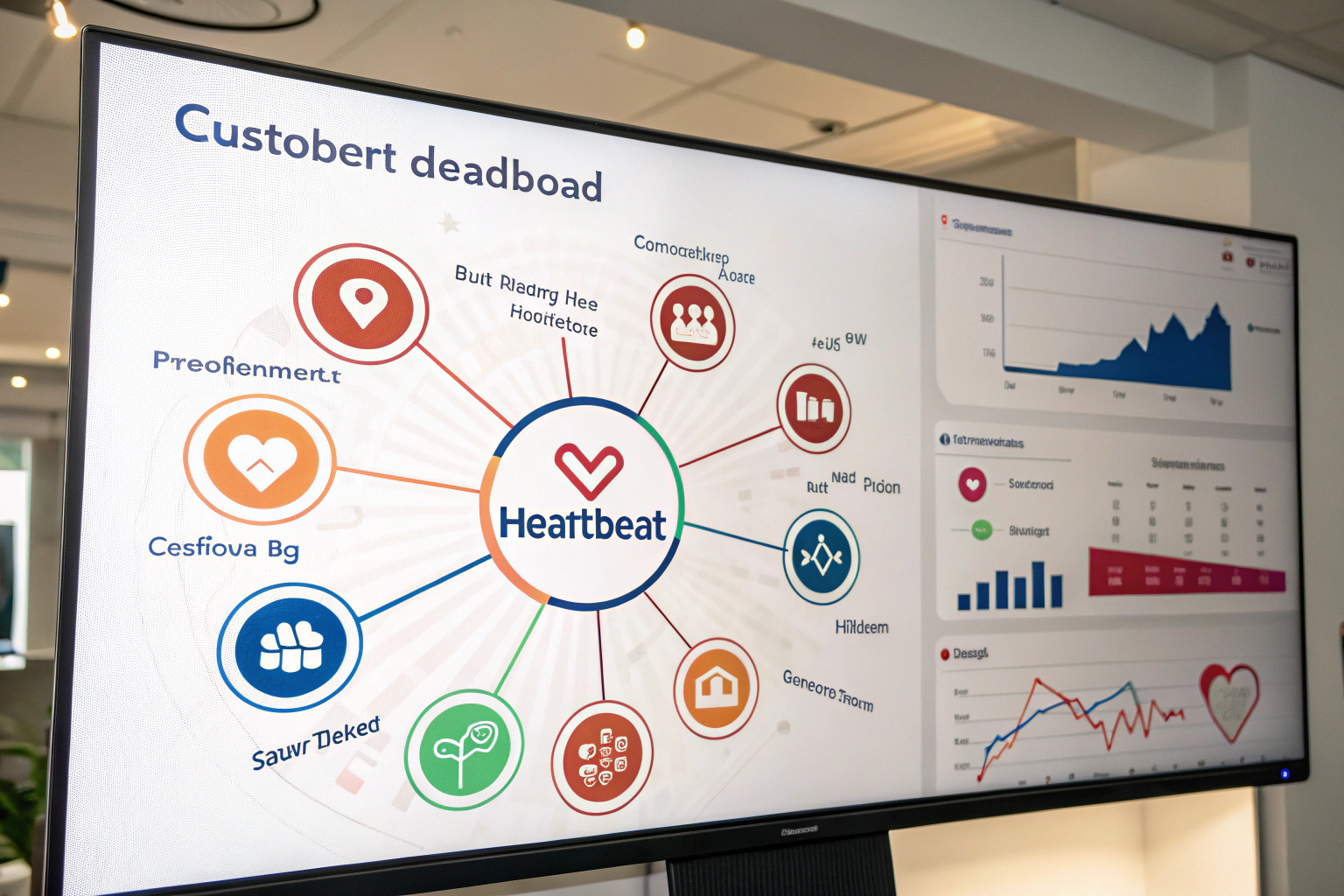
This provides qualitative, nuanced feedback that raw sales data cannot. It makes your community feel invested and ensures your development is guided by real needs. Tools like SurveyMonkey or Typeform facilitate this structured feedback.
How to Use Social Media as a Real-Time Focus Group?
Move beyond broadcasting. Use Instagram Stories polls and question stickers to ask: "Which color should we produce next?" or "What’s missing from your child’s spring wardrobe?" Run "Choose the Print" contests. Analyze the comments and direct messages on your posts for recurring themes. This real-time interaction provides immediate, authentic sentiment and makes your audience feel heard, fostering a sense of ownership in the brand’s direction.
How to Implement an Agile, Data-Informed Product Cycle?
The old model of designing two major collections a year in a vacuum is obsolete. Freshness requires agility—the ability to test, learn, and respond quickly. This means supplementing your core seasonal collections with smaller, faster drops informed by real-world data.
Adopt a test-and-learn approach using small-batch productions or pre-orders. Analyze sales data (Sell-Through Rates), website analytics (page views, time on product), and search trend data (Google Trends, Pinterest Predicts) to identify what’s resonating now. Use this intelligence to inform quick-turnaround capsules or "drops" that capitalize on emerging trends or customer requests.

What is the "Core + Drop" Collection Strategy?
This model provides stability and excitement:
- Core Collection (60-70%): Your evergreen, seasonless basics that are always in stock. This is your reliable revenue foundation.
- Seasonal Collections (20-30%): Your main thematic, forward-designed lines released 2-4 times a year.
- Micro-Drops (10-20%): Small, surprise releases of limited-edition items, trend-driven pieces, or community-requested styles. These create urgency, buzz, and a reason for customers to check back frequently.
This structure requires a manufacturing partner capable of low minimum order quantities (MOQs) and fast turnaround times for the drop elements, which is exactly the agility we provide at Fumao.
How Can Data Prevent You From Becoming Stale?
Data tells you when to pivot. Key metrics to watch:
- Declining Engagement Rates: On email or social media may signal content fatigue.
- Slowing Sell-Through on a Once-Hot Category: Indicates the trend is saturating.
- Rising Returns for a Specific Reason (e.g., fit): Signals a need for immediate correction.
- Spiking Traffic from Unexpected Keywords: Reveals new customer interests.
Regularly scheduled data review sessions should directly feed into your product and marketing planning, ensuring decisions are objective, not just instinctual.
How to Maintain a Dynamic, Multi-Format Content Strategy?
Content is the heartbeat of a fresh brand. It’s how you tell your evolving story, educate, entertain, and build relationship beyond the transaction. Stale content = stale brand.
Diversify your formats relentlessly. Mix educational blog posts (e.g., "How to Build a Capsule Wardrobe for Kids"), behind-the-scenes videos of design or production, user-generated content (UGC) galleries, live Q&A sessions, podcast interviews with founders or experts, and interactive Instagram Reels or TikTok tutorials. The goal is to be a source of value in your customer’s feed.

Why is "Behind-the-Scenes" Content Perennially Fresh?
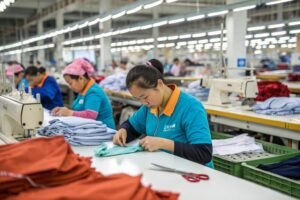
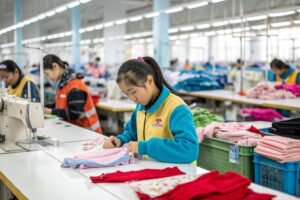
Transparency never goes out of style. Showing the design process, fabric selection, factory visits (like ours at Fumao), or packaging design makes your brand feel human, honest, and in motion. It demystifies production and builds immense trust. This type of content is inherently renewable because there’s always a new development stage to share. It aligns perfectly with the consumer demand for brand authenticity.
How Can UGC Be Your Most Powerful Freshness Engine?
User-Generated Content is authentic marketing created by your community. Actively encourage it with branded hashtags and repost it on your channels. A steady stream of UGC:
- Provides endless, authentic visual content.
- Shows real kids in real situations wearing your clothes, which is more relatable than studio shots.
- Validates your products through peer endorsement.
- Makes customers feel famous, deepening loyalty.
Featuring UGC weekly in a "Customer Spotlight" ensures your feed constantly reflects the vibrant, diverse reality of your community.
How to Innovate Within Your Core Brand Identity?
Staying fresh doesn’t mean rebooting your brand every season. It means innovating within your established lane. Your core values and aesthetic are your anchor; innovation is how you explore new territories without drifting away.
This could mean exploring new sustainable materials (e.g., moving from organic cotton to seaweed fiber), introducing a new product category that logically extends your line (e.g., a sleepwear brand launching a loungewear collection), refreshing your packaging in an eco-friendlier way, or collaborating with artists who reinterpret your brand’s visual themes. The innovation should feel like a natural evolution, not a jarring departure.

What is the Role of Strategic Collaborations and Partnerships?
Collaborations are rocket fuel for freshness. They introduce your brand to new audiences and bring in new creative perspectives. Consider:
- Artist Collaborations: For limited-edition prints.
- Charity Partnerships: For cause-related collections (as discussed in a previous article).
- Complementary Brand Collaborations: A clothing brand partnering with a children’s shoe company or a organic snack brand for a gift set.
- Influencer Co-Designs: Working with a trusted creator to design a capsule collection.
These partnerships create buzz, exclusivity, and a compelling reason for both your audience and your partner’s audience to engage.
How Can You "Re-Skin" Your Best Sellers?
Instead of constantly chasing new silhouettes, look at your all-time best-selling items. How can you reintroduce them in a fresh way? This could be through:
- New Colorways: Introducing the perfect pants in a seasonal color.
- New Prints: Applying a trending print to your classic dress shape.
- Material Updates: Offering your bestselling hoodie in a new fabric blend (e.g., organic cotton fleece).
This leverages proven demand while making the product feel new and timely. It’s efficient and low-risk.
Conclusion
Ensuring your kids’ clothing brand stays fresh is a proactive, systematic endeavor. It’s built on the twin engines of deep customer connection and operational agility. By fostering a true community dialogue, leveraging data for agile product cycles, producing a dynamic stream of valuable content, and pursuing smart innovations within your brand world, you create a business that is resilient, responsive, and perennially interesting. Freshness is not a destination; it’s the quality of motion.
For manufacturers, supporting a brand’s quest for freshness means being a flexible, responsive partner. It means enabling small batches, facilitating rapid sampling, and maintaining the consistent quality that allows a brand to experiment with confidence. At Fumao Clothing, we are built to be that partner. If you’re committed to keeping your brand vibrant and relevant, let’s build the systems and products that make it happen. Contact our Business Director, Elaine, at elaine@fumaoclothing.com to future-proof your brand together.