The landscape of children’s fashion is undergoing a profound shift. Beyond aesthetics and quality, parents are increasingly seeking brands that align with their family’s values. In this context, strategic partnerships with charities have moved from occasional philanthropic gestures to core components of brand strategy. As a manufacturer observing these alliances, I see them not as mere marketing tactics, but as powerful, multi-faceted tools for building authentic brand identity, fostering customer loyalty, and creating tangible positive impact. This trend reflects a deeper evolution in consumer capitalism towards purpose-driven business.
Kids clothing brands are partnering with charities to build authentic brand narratives and emotional connections, differentiate themselves in a crowded market, directly address the values of conscious parents (Millennials/Gen Z), create compelling "buy one, give one" or donation-based marketing campaigns, and fulfill a genuine corporate responsibility to contribute to causes affecting children and families.
These partnerships are a sophisticated blend of heart and strategy, offering mutual benefits for the brand, the charity, and the customer. Let’s explore the compelling reasons behind this purposeful trend.
How Do Charity Partnerships Build Authentic Brand Stories?
In an era of consumer skepticism, authenticity is the ultimate currency. A one-off donation can feel transactional, but a strategic, long-term partnership with a charity allows a brand to weave a meaningful narrative into its very DNA. This story answers the "why" behind the brand, moving beyond selling products to championing a cause.
This builds an emotional resonance that pure product marketing cannot achieve. It transforms customers into stakeholders in a shared mission. For example, a brand partnering with a charity focused on childhood literacy can create collections themed around reading, donate books with every purchase, and share stories of the children helped. This creates a rich, multi-layered brand world that parents are proud to be part of.

Why is Long-Term Alignment More Powerful Than One-Off Donations?
A deep, integrated partnership signals genuine commitment. Brands are moving beyond writing a check to embedding the charity’s mission into their operations. This could mean:
- Co-creating products where the charity provides input on design or messaging.
- Offering volunteer opportunities for employees and customers.
- Sharing regular impact reports that show exactly how customer purchases have made a difference.
This long-term view, as advocated by frameworks like shared value creation, builds immense credibility. It shows the partnership is a core part of the business model, not a PR afterthought. Consumers, especially younger ones, are adept at spotting inauthentic "cause-washing."
How Does This Storytelling Enhance Customer Loyalty and Community?
When a purchase supports a cause a parent cares about, it creates a positive emotional feedback loop. The parent feels good about the buy, associating your brand with that positive feeling. This fosters fierce loyalty and turns customers into brand advocates. They are more likely to repurchase, share the brand on social media, and defend it. Furthermore, it builds a community of like-minded individuals—parents who care about the same issues—around your brand, creating a powerful network effect that fuels organic growth.
What Are the Strategic Business and Marketing Advantages?
Beyond storytelling, these partnerships offer concrete commercial benefits. In a saturated market, they provide a clear point of differentiation that is difficult for competitors to copy quickly. They also create ready-made, compelling content for marketing campaigns and can directly influence purchasing decisions.
Key advantages include: creating unique "purchase with purpose" campaigns, generating positive PR and media coverage, driving sales during key periods (e.g., holiday giving campaigns), and attracting and retaining talent who want to work for a company with a conscience.

How Do "Buy One, Give One" and Donation-Based Models Work?
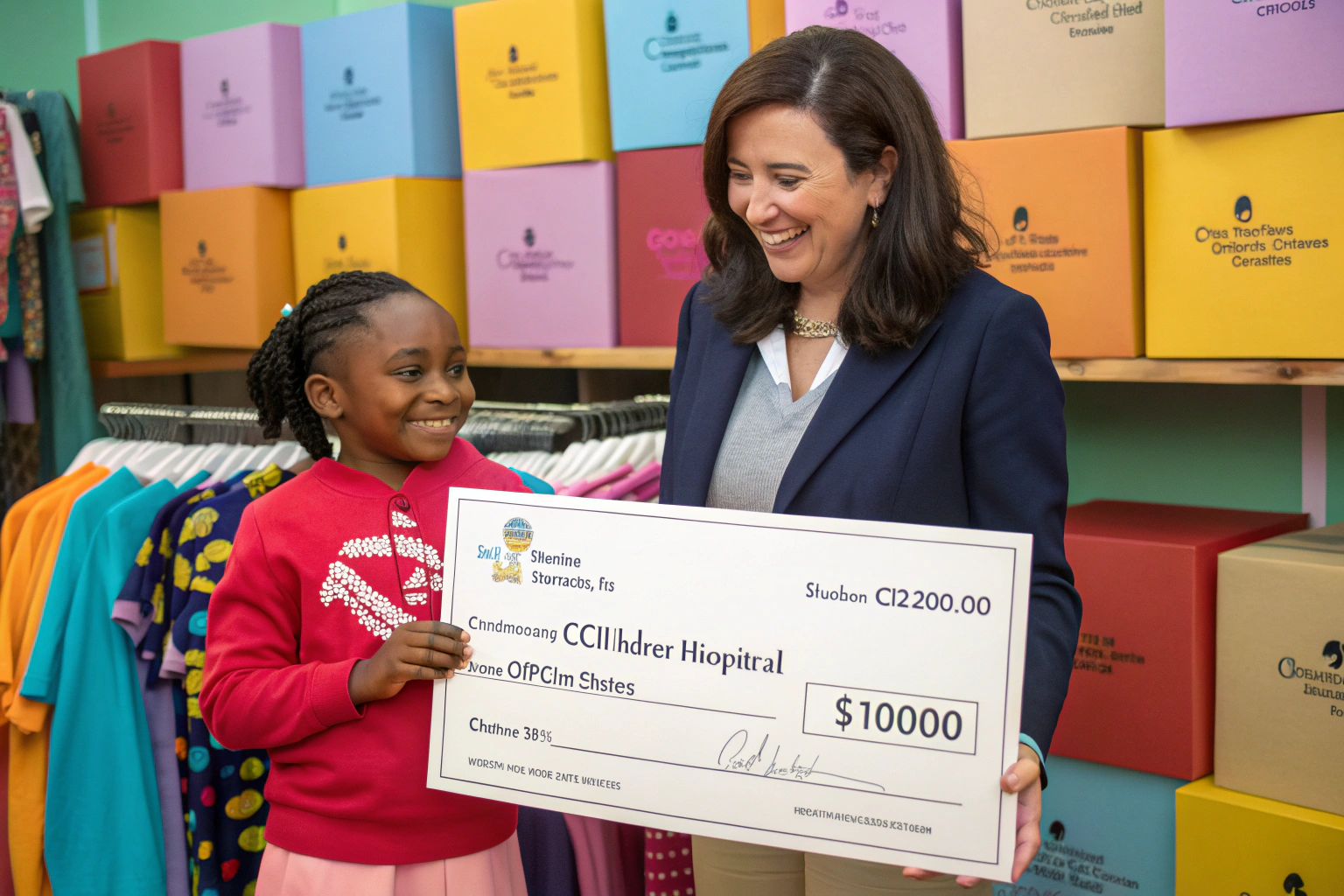
The "Buy One, Give One" (BOGO) model, popularized by TOMS, is highly effective in kids’ wear. For every item purchased, the brand donates an item (e.g., a pair of shoes, a warm coat) to a child in need via a charity partner. This model is incredibly clear and emotionally satisfying for the consumer. Variations include donating a fixed percentage of profits or a fixed dollar amount per item sold. The key is transparency: brands must clearly communicate what is being donated, to whom, and through which partner. This model directly ties consumer action to social outcome, making the impact feel immediate and personal.
Why is Co-Branding with Charities a Powerful Marketing Tool?
A charity partnership provides a wealth of authentic marketing content. Brands can:
- Share stories and testimonials from the charity’s beneficiaries.
- Co-host events (virtual or in-person) with the charity.
- Feature the charity’s logo on product tags and marketing materials.
This co-branding lends the charity’s credibility and goodwill to the brand. It also gives the brand access to the charity’s supporter base, and vice versa, effectively cross-pollinating audiences. Campaigns like these often earn free media coverage in local and niche press, further amplifying reach beyond paid advertising.
How Do These Partnerships Align with Modern Consumer Values?
Today’s parents, particularly Millennials and Gen Z, are "values-based consumers." They actively research brands and prefer to buy from companies that reflect their social and environmental concerns. A partnership with a reputable charity is a tangible, easily understood signal that a brand shares those values.
This alignment addresses critical issues parents care about: children’s health (partnering with hospitals or disease research), education and equity (supporting literacy programs or schools in underserved areas), mental health (partnering with organizations like The Jed Foundation), and environmental conservation (supporting wildlife or reforestation charities). By choosing a cause, a brand defines its community.

What Does Research Say About the Purchasing Power of Conscious Consumers?
Studies consistently show that consumers, especially younger demographics, are willing to pay more for products from socially responsible companies and will switch brands based on a company’s advocacy for an issue they care about. A partnership is a direct response to this market force. It’s not just about feeling good; it’s a strategic response to demonstrated consumer demand. Brands that ignore this shift risk appearing out of touch or, worse, indifferent to the world their young customers will inherit.
How Can Partnerships Address Specific Parental Pain Points?
Smart brands choose charity partners that solve problems their customers worry about. A brand selling allergy-friendly clothing might partner with Asthma and Allergy Foundation of America (AAFA). A brand focused on outdoor play might partner with a charity like The Trust for Public Land to fund playgrounds in urban areas. This shows a deep understanding of the customer’s lifestyle and concerns, moving the brand from a product supplier to a solution-oriented ally in their parenting journey.
What Are the Operational and Impact Considerations?
For a partnership to be successful and credible, it must be managed with the same rigor as any other business function. This involves due diligence in selecting the right charity partner, establishing clear goals and metrics, ensuring transparent communication, and measuring real-world impact.
Key steps include: vetting the charity’s financials and effectiveness (using tools like Charity Navigator or GuideStar), setting clear contractual terms (donation amounts, use of logos, reporting requirements), integrating the partnership into operations (from website to packaging), and regularly reporting impact back to customers in an engaging way.

How to Choose the Right Charity Partner for Your Brand?
The partnership must be authentic. Criteria should include:
- Mission Alignment: Does the charity’s work logically connect to your brand’s products, values, or customer interests?
- Reputation and Transparency: Is the charity well-regarded and open about its finances and impact?
- Scale and Capacity: Can they effectively manage the influx of funds or goods from your partnership?
- Collaborative Spirit: Are they willing to be a true partner, not just a recipient?
A poorly chosen partner can lead to accusations of exploitation or "poverty marketing." The goal is a win-win-win for brand, charity, and customer.
Why is Measuring and Communicating Impact Non-Negotiable?
To avoid cynicism, brands must go beyond vague claims like "we give back." They need to quantify the impact:
- "Your purchase provided 10 meals to a family in need."
- "This collection funded 500 hours of tutoring for kids in foster care."
- "We’ve donated 5,000 coats through our partner, [Charity Name]."
Use impact reports, videos from the field, and infographics to make the results tangible. This transparency validates the consumer’s choice and proves the partnership is creating real change, which in turn fuels further support. This closes the "impact loop" for the customer.
Conclusion
The trend of kids’ clothing brands partnering with charities is a sophisticated reflection of a new market reality: commerce and conscience are no longer separate spheres. These partnerships allow brands to build authentic narratives, achieve meaningful differentiation, connect with values-driven parents, and contribute to positive social change. When executed with integrity, transparency, and long-term commitment, they create a powerful virtuous cycle that benefits the business, its customers, and society at large.
For manufacturers, supporting brands with charitable missions means ensuring our own practices are ethically aligned and that we can provide the reliability needed to support cause-related campaigns (like timely production for a holiday donation drive). At Fumao Clothing, we are proud to partner with brands that are making a difference. If you are building a brand with a purpose that extends beyond profit, let’s ensure your products are made to support that mission. Contact our Business Director, Elaine, at elaine@fumaoclothing.com to discuss a manufacturing partnership rooted in shared values.