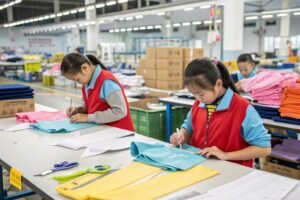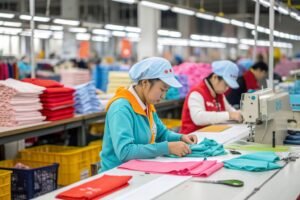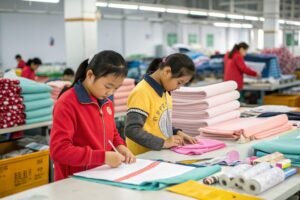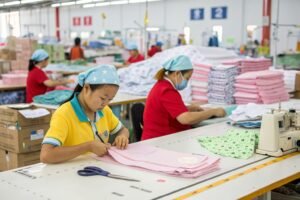
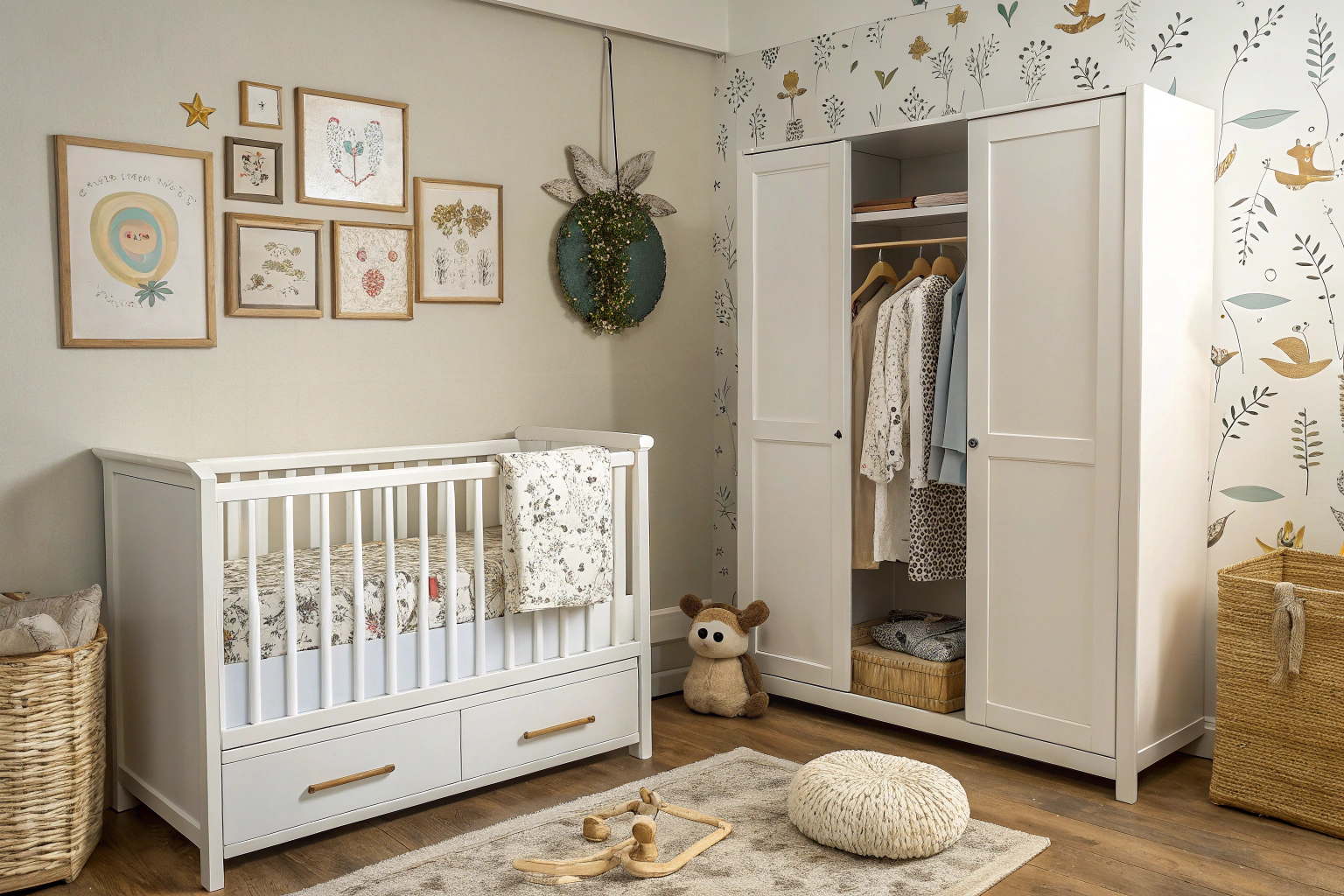
A quiet but significant evolution is reshaping the children’s lifestyle market: the strategic expansion of kids’ clothing brands into home goods—think bedding, blankets, décor, and bath items. This isn’t mere diversification for the sake of growth; it’s a calculated move to deepen brand relevance, solve more problems for the modern family, and build a more resilient, holistic business. As a manufacturer witnessing this shift from the supply side, I see it as a logical and powerful response to evolving consumer behavior and the relentless pursuit of brand loyalty.
Kids clothing brands are expanding into home goods to create a cohesive, immersive brand world, increase customer lifetime value by serving more needs, leverage their brand equity in safety and design, and build a more predictable revenue stream that is less susceptible to seasonal fashion volatility.
This expansion represents a shift from selling discrete products to curating a complete lifestyle ecosystem around the child and the family. Let’s explore the strategic imperatives driving this "beyond the wardrobe" movement.
How Does a Cohesive Brand World Drive Deeper Engagement?
In today’s retail landscape, storytelling is paramount. A clothing brand tells a story through fabric, cut, and print. By expanding into home goods, that story can fill an entire room, creating a tangible, immersive experience that transcends the closet. This holistic approach builds a stronger emotional connection with parents who are curating not just a wardrobe, but an entire environment for their child.
A cohesive world means a shared design language, color palette, and core values across all categories. A brand known for minimalist Scandinavian style in its clothing will offer simple, wooden toys and neutral linen bedding. A brand built on adventurous prints will translate those patterns onto duvet covers and wallpaper. This consistency turns customers into brand ambassadors for a complete aesthetic.

Why is the "Nursery-to-Wardrobe" Concept So Compelling?
For new parents, building a nursery is a major project filled with emotional weight. A clothing brand that can also provide the crib sheet, the swaddle blanket, and the art print that perfectly matches their going-home outfit solves a major pain point: cohesion. It simplifies decision-making by offering a trusted, pre-curated solution. This "head-to-toe, wall-to-wall" approach, pioneered by brands like Milo and Mimi or Parade Organics, establishes the brand as an authoritative guide during a highly receptive and sentimental time in a family’s life.
How Does This Expansion Enhance Perceived Brand Value and Quality?
When a brand successfully executes in a new category like home goods—where safety, durability, and material quality are paramount—it reinforces its core brand promise. If a parent trusts your organic cotton on their baby’s skin, they will extend that trust to your organic cotton crib sheets. This halo effect elevates the perceived quality and integrity of the entire brand. It signals that the brand’s commitment to safety, sustainability, or design isn’t limited to apparel but is a fundamental philosophy applied to everything they create.
What Are the Key Business and Financial Drivers?
Beyond branding, the move into home goods is underpinned by sound commercial logic. It leverages existing assets to access new revenue streams with attractive margins and different cyclical patterns, building a more stable and valuable business.
Key drivers include: Increasing Customer Lifetime Value (CLTV), Achieving Higher Average Order Value (AOV), Smoothing Out Seasonal Sales Peaks, and Reducing Customer Acquisition Cost (CAC) by marketing to an already-loyal audience.

How Does This Strategy Increase Customer Lifetime Value (CLTV)?
CLTV measures the total revenue a business can expect from a single customer over time. A clothing brand’s relationship is often tied to specific growth stages (e.g., newborn, toddler). Home goods expand that relationship in two ways:
- Longer Engagement: A beloved crib blanket or night light is used for years, keeping the brand top-of-mind long after the child outgrows their infant clothing.
- More Frequent Touchpoints: Home goods like bath towels, bedding, and décor are purchased at different intervals and for different reasons (gifts, room refreshes) than clothing, creating more natural repurchase opportunities.
This transforms a customer from a seasonal apparel shopper into a year-round, multi-category patron.
Why Do Home Goods Offer Attractive Margin and Inventory Benefits?
Well-designed home goods, especially in the premium children’s space, can carry healthy margins. The production of items like printed bedding, while requiring new manufacturing partnerships, often involves less complex sizing and fit issues than apparel, which can reduce quality control headaches and returns. Furthermore, home goods have a longer product lifecycle and are less subject to the rapid micro-trend cycles of fashion. A bestselling print on a duvet cover can remain in the line for several seasons, unlike a fast-fashion dress style, leading to better inventory turnover and less markdown risk.
How Do Safety and Trust Translate Seamlessly Between Categories?
For kids’ brands, especially those in the premium or "clean" space, trust is the most valuable currency. This trust, built on rigorous safety standards and transparent sourcing for clothing, becomes a powerful launchpad into adjacent categories where safety is equally (if not more) critical.
Parents are highly concerned about what touches their child’s skin (clothing) and what surrounds them for hours of sleep (bedding). A brand with a proven track record in OEKO-TEX Standard 100 certification, GOTS organic cotton, and non-toxic dyes has already done the hard work of establishing safety credentials. Applying these to home goods is a logical and reassuring extension.

What Certifications and Standards are Critical for Home Goods?
The safety language is the same, but the product standards are specific. Expanding brands must ensure their home goods meet:
- OEKO-TEX Standard 100, Class I: For all textiles that come into prolonged contact with skin (sheets, blankets, towels).
- CPSIA Compliance (USA): For any items that could be considered a children’s product, ensuring lead and phthalate safety.
- Flammability Standards: Such as 16 CFR Part 1633 for mattresses and mattress pads in the US, which are stringent and non-negotiable.
- Toy Safety Standards (if applicable): For plush toys or decorative items.
A brand’s ability to navigate and communicate this compliance is a major competitive moat against generic home decor brands.
How Does "One-Stop Trust" Simplify Parenting Decisions?
Modern parents are overwhelmed with product choices and risk assessments. A brand that becomes a trusted curator across multiple categories provides immense value. Instead of researching ten different brands for a safe crib mattress, organic sheets, a non-toxic night light, and pajamas, a parent can turn to one brand they already trust. This reduction in decision fatigue is a powerful purchase driver and cements the brand’s role as a partner in conscientious parenting.
What Are the Operational and Strategic Considerations?
Expansion is not without its challenges. It requires new supply chain partnerships, different inventory management expertise, and a careful balancing act to ensure the core apparel business is not neglected. Success depends on strategic execution.
Key considerations include: Choosing the right product categories to expand into first (typically soft home: blankets, bedding), deciding on a manufacturing model (in-house, licensing, or partnership with a specialist), maintaining design cohesion, and effectively communicating the new offering to the existing customer base.

Which Product Categories Offer the Easiest "First Step"?
The most natural and low-friction expansions leverage existing brand assets:
- Textile-Based Soft Goods: Swaddle blankets, crib sheets, and towels are a direct extension of fabric expertise. They use the same materials, prints, and safety certifications as clothing.
- Decor & Art: Wall prints, growth charts, and mobiles that feature the brand’s iconic artwork or characters. These are often produced via print-on-demand or licensing, requiring less inventory risk.
- Bath & Grooming: Organic bath robes, hooded towels, and (carefully vetted) skincare bundles that complement pajamas and playwear.
Starting with categories that share the core competency of textiles and print design mitigates initial risk.
What are the Common Manufacturing and Partnership Models?
Few apparel brands build a bedding factory. Common pathways include:
- Licensing Agreement: Partnering with an established home goods manufacturer who pays a royalty to use your brand name and designs. Lower risk but less control.
- Strategic White-Label Partnership: Sourcing products directly from a manufacturer (like Fumao for textiles, or a specialist for hard goods) and selling them under your own brand with full quality control. More control, more operational responsibility.
- Acquisition: Purchasing a small, complementary home goods brand to fast-track entry (rare for smaller players).
The choice depends on the brand’s capital, operational capacity, and desired level of control over quality and supply chain ethics.
Conclusion
The expansion of kids’ clothing brands into home goods is a sophisticated strategy rooted in deep consumer insight and sound business logic. It represents a maturation from product vendor to lifestyle curator, allowing brands to build richer worlds, foster deeper loyalty, and create more stable, diversified businesses. By leveraging hard-earned trust in safety and design, these brands are solving broader problems for families, transforming themselves from a part of the child’s day into a part of their home.
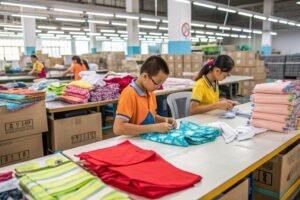
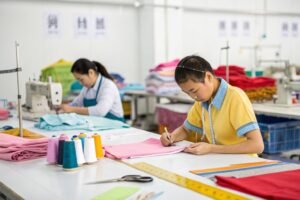
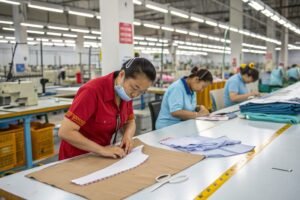
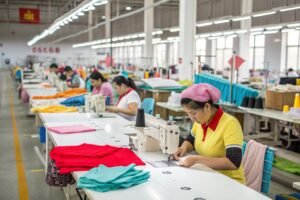
For manufacturers, this trend opens doors to collaborative partnerships that go beyond cut-and-sew. It requires an understanding of broader material applications, safety regulations for different product categories, and the ability to help a brand translate its vision across a new medium. At Fumao Clothing, our expertise in high-quality, certified fabrics positions us as an ideal partner for brands looking to take their first step into soft home goods with confidence. If you’re envisioning a brand that fills a home with the same care you put into a wardrobe, let’s discuss the possibilities. Contact our Business Director, Elaine, at elaine@fumaoclothing.com.