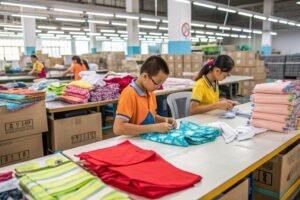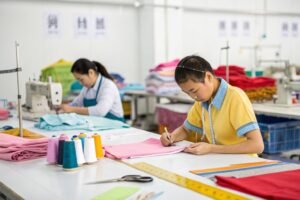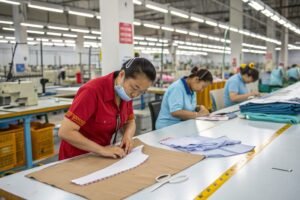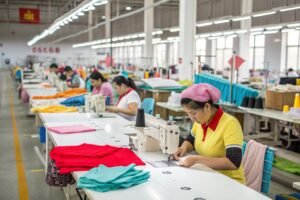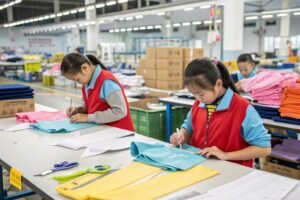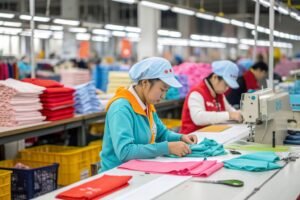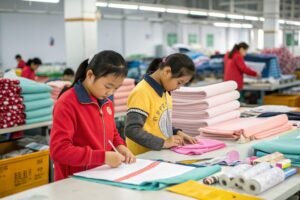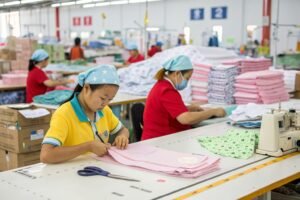
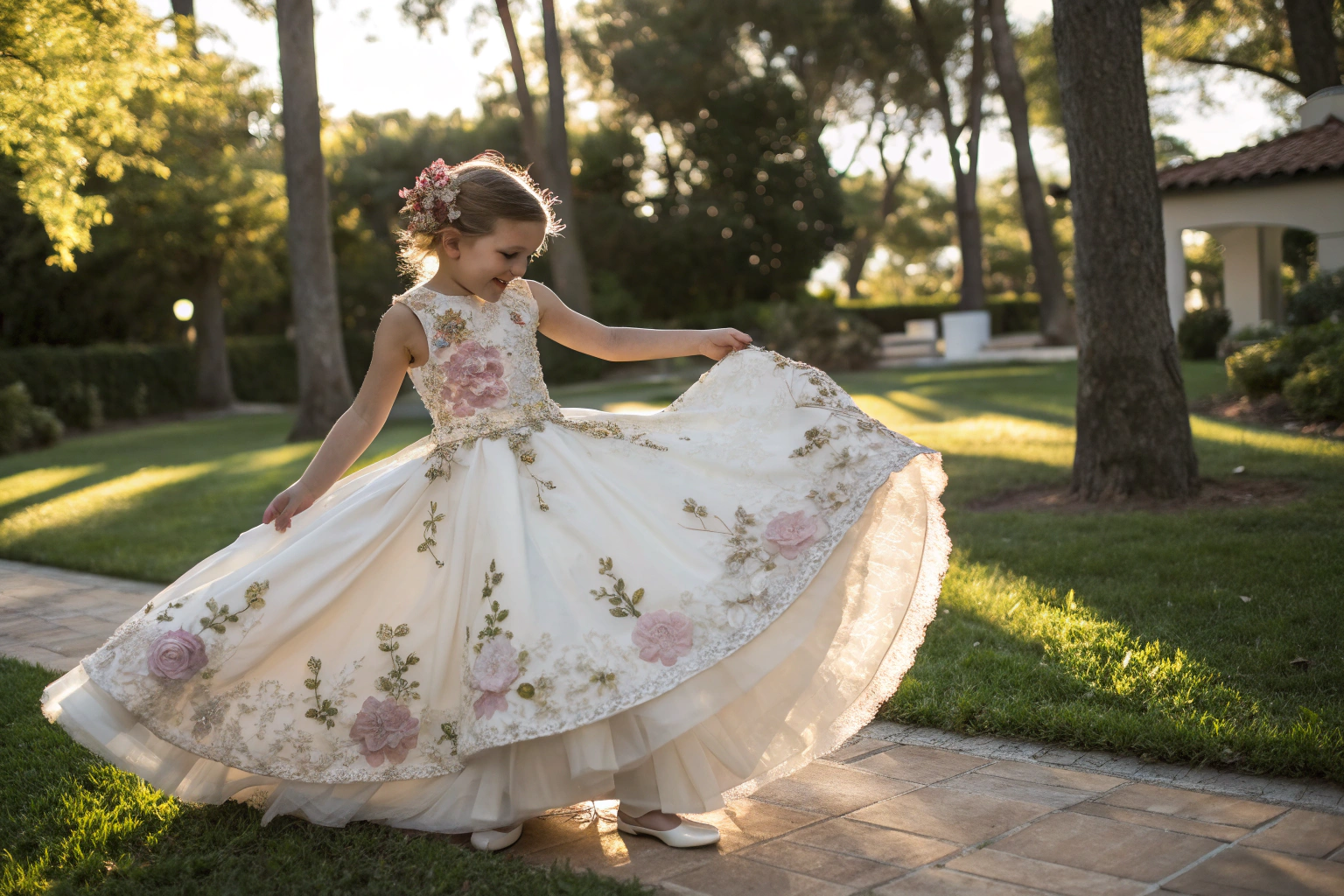
The children’s formal dress market represents a distinct and often overlooked segment brimming with untapped potential. While everyday and playwear are essential, the occasions that demand special attire—weddings, religious ceremonies, holiday parties, photoshoots, and milestone celebrations—create a unique consumer mindset. This isn’t a purchase driven by necessity, but by emotion, tradition, and the desire to create a perfect memory. As a manufacturer, I see this sector as a golden opportunity for brands willing to master its specific nuances and deliver on its promise of magic and meaning.
The kids formal dress market is a good opportunity because it commands higher price points and margins, experiences less price sensitivity due to its emotional and occasion-driven nature, operates with distinct seasonality aligned with global event calendars, and faces less direct competition from fast fashion giants who struggle to replicate the needed quality and detail.
This market isn’t about selling clothes; it’s about selling confidence, joy, and a moment frozen in time. Let’s explore the compelling commercial and strategic reasons why this niche deserves a prime spot in your brand portfolio.
How Does Occasion-Driven Demand Create a Resilient Market?
Formalwear is purchased for a specific date on the calendar. This creates predictable demand cycles and a customer who is less likely to delay or forgo the purchase. The need is non-negotiable; you can’t attend a wedding in play clothes. This "must-have" nature provides a buffer against general economic fluctuations that might affect discretionary spending on everyday items.
Occasion-driven demand is tied to clear seasons: Spring/Summer wedding season, Fall/Winter holiday season (Thanksgiving, Christmas, New Year’s Eve), and cultural/religious celebrations year-round. This allows for precise inventory planning and marketing campaigns. The customer’s search is highly intentional, using keywords like "flower girl dress," "pageboy suit," or "first communion outfit," making targeted digital marketing highly effective.

What are the Key Occasion Categories and Their Specific Needs?
Understanding the occasion dictates design, fabric, and marketing. Key categories include:
- Wedding Party Attire: For flower girls, ring bearers, and junior bridesmaids/groomsmen. Requires coordination with the wedding palette, durability for a long day, and often a willingness from parents to pay a premium as part of the wedding expense.
- Religious Ceremonies: Christenings, baptisms, first communions, bar/bat mitzvahs. These demand respect for tradition, modesty, specific colors (white for christenings), and often heirloom-quality construction.
- Holiday & Party Wear: For family gatherings, festive parties, and seasonal photoshoots. Trends here are stronger, with demand for velvets, sequins, tartans, and thematic colors.
- Milestone Celebrations: Outfits for a "dress-up" birthday party, graduation, or a special family portrait.
Each category has a distinct customer journey and set of expectations that brands can expertly cater to.
Why is the "Family Event" Cycle a Powerful Growth Engine?
Formalwear purchases are rarely one-offs. A family with multiple children often needs coordinated outfits for the same event. Furthermore, a positive experience with a brand for a flower girl dress can lead to repeat purchases for a holiday dress, a baptism outfit, and so on. This creates a customer lifetime value (CLV) that far exceeds a single purchase. By building a reputation for reliability, fit, and beauty in high-stakes situations, you secure a family’s formalwear needs for years, creating a predictable, loyal clientele.
How Do Pricing and Margin Dynamics Differ from Everyday Wear?
In the formalwear segment, value perception shifts from cost-per-wear to investment-per-memory. Parents are willing to pay significantly more for a garment that will be worn once or twice if it ensures their child looks perfect, feels comfortable, and photographs beautifully on a deeply important day.
This allows for healthier profit margins. The use of finer fabrics (silk taffeta, embroidered laces, premium velvets), intricate detailing (hand-sewn beads, appliqués), and superior construction (lined garments, internal boning for shape) is not only expected but can be justified in the price. The focus is on perceived luxury and quality, not on achieving the lowest possible price point.

How Can Brands Justify Premium Pricing in This Market?
Justification comes from three pillars: Quality, Experience, and Service.
- Tangible Quality: Use of luxury fabrics with certifications (e.g., OEKO-TEX for safety), flawless construction, and attention to detail (e.g., satin-lined sleeves, adjustable waists for growth) that is immediately apparent.
- The Purchasing Experience: A beautiful, easy-to-navigate website with detailed size guides, fabric swatch ordering, and superior product photography from multiple angles. Excellent, knowledgeable customer service for fit questions is critical.
- The "Peace of Mind" Factor: Guarantees of on-time delivery (crucial for events!), easy return policies for unworn items, and clear communication. Parents are buying confidence as much as the dress.
Brands like Anthropologie’s BHLDN for kids or Misha & Puff for special occasion knits master this premium positioning.
Why is Competition from Fast Fashion Less Threatening?
Fast fashion giants excel at speed and low cost, but they falter with formalwear. The intricate detailing, consistent sizing, and fabric quality required are difficult and costly for them to replicate at their scale. Their supply chains are built for volume basics, not small batches of complex garments. Furthermore, the fast-fashion model of disposability is antithetical to the occasion-wear desire for something special and lasting. This creates a protective moat for dedicated, quality-focused brands where craftsmanship and trust are the primary competitive advantages.
What Are the Unique Design and Sourcing Considerations?
Designing kids’ formalwear is a specialized art. It must balance aesthetic grandeur with child-appropriate comfort, movement, and safety. The garments must be beautiful but not restrictive, elegant but not itchy, and durable enough to survive a long day of celebration.
Sourcing requires access to specialty fabrics not used in daywear—embroidered tulles, stiffened organdy, silk dupioni, metallic jacquards—and trims like silk satin ribbons, delicate buttons, and beaded appliqués. A manufacturer must have established relationships with mills that produce these niche materials.

How to Design for Both Style and Child-Friendly Function?
Smart design solves parental pain points. Key functional features include:
- Adjustable Features: Hidden elastic waistbands, adjustable shoulder straps, and two-piece sets to accommodate growth.
- Comfort-First Construction: Fully lined bodices to prevent itching, soft binding on all seams, and avoiding stiff crinolines that impede sitting or playing.
- Easy Dressing: Strategic zippers or buttons that a child can manage in the bathroom.
- Durability: Reinforced stitching on stress points and stain-resistant finishes on dark-colored suits or dresses.
The goal is "Photograph-Perfect, Play-Proof" design. This practical empathy, when communicated in marketing, becomes a powerful selling point.
Why is Fabric Sourcing Critical for Luxury Perception?
The fabric is the first indicator of quality. Sourcing must go beyond generic polyesters. Partnering with mills that offer European laces, Japanese silks, or GOTS-certified organic cotton velvets elevates the product instantly. For brands, being able to tell the story of the fabric—its origin, its hand-feel, its heritage—adds a layer of narrative luxury. It also allows for exclusivity; using a unique, small-batch fabric prevents direct copying and makes the garment feel truly special. Resources like Première Vision are key for discovering these premium materials.
How to Market and Sell Formalwear Effectively?
Marketing formalwear requires a deep understanding of the emotional triggers and practical search behaviors of parents planning for a special event. The sales cycle is longer and more considered, requiring a nurturing approach that builds trust and excitement.
Effective strategies involve highly visual, aspirational content showcasing the garments in real-event settings, SEO optimization for long-tail occasion keywords, strategic partnerships with wedding planners and photographers, and a robust pre-order system to manage inventory risk around peak seasons.

What Content Strategies Resonate with Formalwear Shoppers?
Content must inspire and reassure. This includes:
- Real-Event Galleries: User-generated content or styled shoots showing kids in your outfits at actual weddings or holiday parties.
- Detailed "Look Books": Curated collections styled for specific occasions (e.g., "The Garden Wedding Collection").
- Fit & Sizing Guides: Comprehensive guides with video explanations to reduce anxiety about online sizing.
- Styling Advice: Blog posts or videos on topics like "How to Accessorize a Flower Girl Dress" or "What to Wear for Winter Family Photos."
This educational and inspirational content positions your brand as an expert, not just a retailer, guiding parents through a stressful purchasing decision.
How Can Collaborations and Partnerships Amplify Reach?
Strategic alliances are powerful in this niche. Consider:
- Wedding Planners & Photographers: Offer them a discount or sample loan program. They are trusted advisors to brides and can refer your brand directly.
- Children’s Boutiques with Physical Locations: Wholesale partnerships allow for local try-ons, which are invaluable for formalwear.
- Complementary Brands: Partner with a children’s shoe company or hair accessory brand for cross-promotions and gift guides.
- Influencers in the Wedding/Parenting Space: A micro-influencer whose child is a frequent flower girl is a perfect authentic advocate.
These partnerships build credibility and place your brand directly in the path of your ideal customer at their moment of need.
Conclusion
The kids formal dress market is a lucrative, defensible, and deeply rewarding opportunity for brands that embrace its unique characteristics. It rewards quality over quantity, storytelling over discounting, and trust-building over transactional speed. By mastering the occasion-driven demand cycles, delivering exceptional design and materials, and marketing with emotional intelligence, a brand can carve out a prestigious and profitable position in the children’s fashion landscape.
For manufacturers like Fumao Clothing, this sector allows us to showcase our highest levels of craftsmanship—precision embroidery, delicate hand-finishing, and mastery of complex fabrics. We enable brands to bring these magical garments to life with the reliability and quality that such important moments demand. If you are ready to explore the potential of the special occasion market, let’s create something unforgettable. Contact our Business Director, Elaine, at elaine@fumaoclothing.com to discuss crafting a formalwear collection that captures hearts and creates heirlooms.