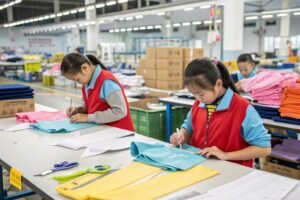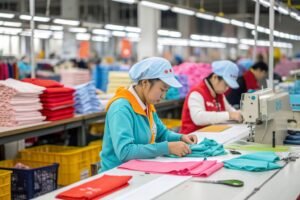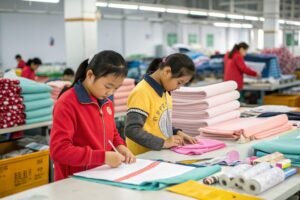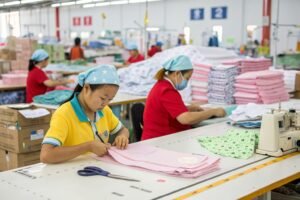
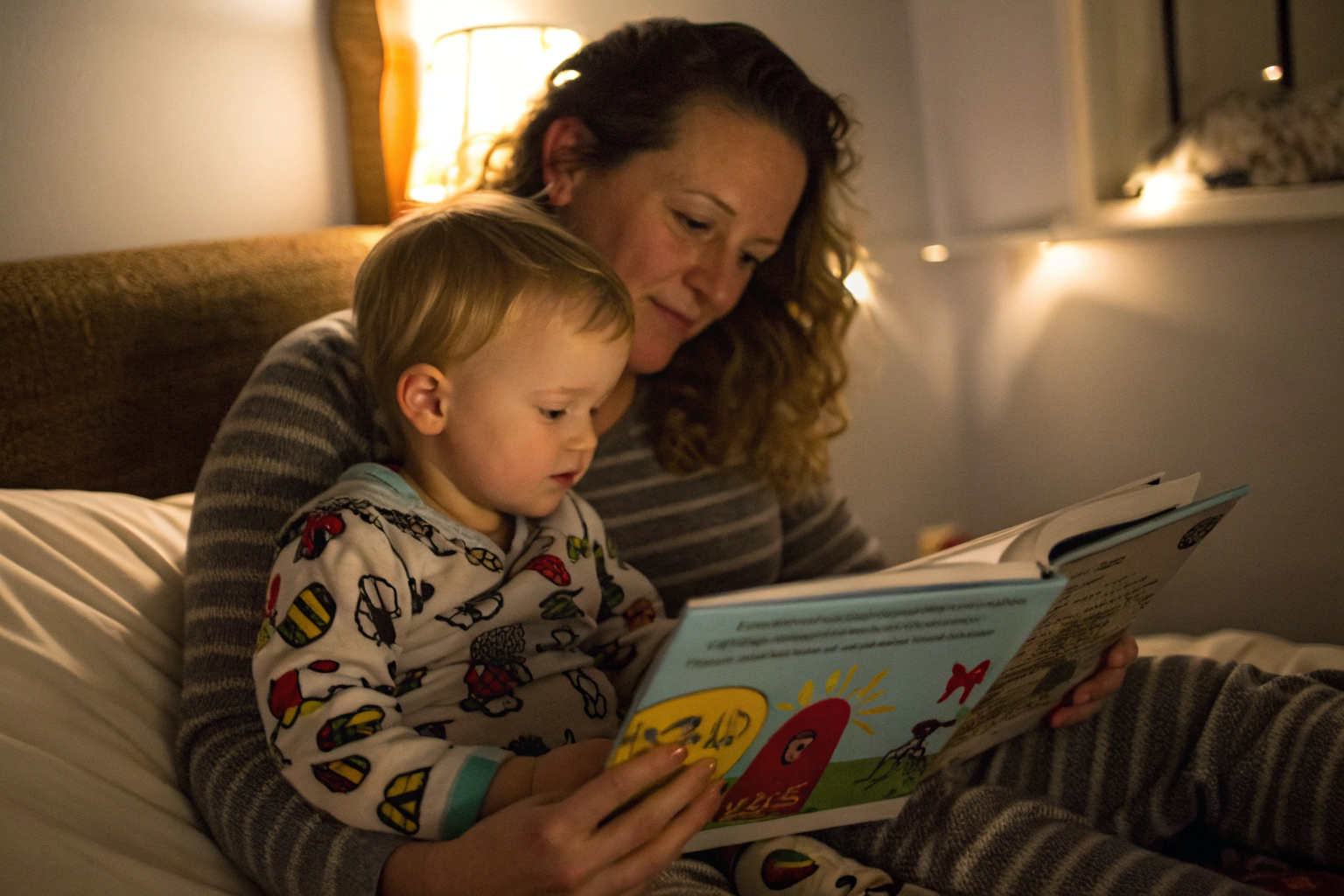
In a marketplace saturated with options, kids’ clothing brands face a critical challenge: how to move beyond competing on price, fabric, or cute designs alone. The most successful answer lies not in a product feature, but in a fundamental human practice—storytelling. Modern parents aren’t just buying a pair of pants; they are buying into an identity, a set of values, and a narrative that resonates with their family’s story. As a manufacturer, I see that the brands that connect deeply with their audience do so by wrapping their products in compelling, authentic narratives.
Kids clothing brands use storytelling in marketing to build emotional connections that transcend transactions, differentiate in a crowded market, communicate complex values like sustainability or ethics in a relatable way, and foster a loyal community of customers who identify with the brand’s narrative as part of their own family identity.
Storytelling transforms a garment from a commodity into a character in the family’s daily life. It’s the most powerful tool for building lasting brand equity in the children’s wear sector. Let’s explore the mechanics and magic behind this strategic shift.
How Does Storytelling Forge Deeper Emotional Connections?
At its core, storytelling bypasses the logical, price-comparing part of the brain and speaks directly to the heart. For parents, purchasing children’s items is an inherently emotional act, filled with hopes, dreams, and a desire to provide the best. A brand’s story can tap into these powerful feelings, creating a bond that is far stronger than any loyalty based on product specs alone.
Storytelling forges connections by personifying the brand, creating relatable characters (like a brand mascot or the "founder’s story"), associating clothing with cherished childhood moments and milestones, and making the customer the hero of the brand’s narrative (e.g., "You’re choosing a healthier planet for your child").

Why is the "Founder’s Story" a Powerful Launching Point?
The origin story is the most authentic narrative a brand has. It answers the "why." Was the brand founded by a mom frustrated by the lack of sensory-friendly clothing? By a designer inspired by global travel with her kids? This narrative builds immediate relatability and trust. It frames the products as solutions born from real experience, not just corporate strategy. Sharing the founder’s journey—the challenges, the "aha" moments—makes the brand feel human and approachable. This is a classic pillar of authentic branding that turns customers into advocates who want to support a person’s mission, not just a company.
How Do Characters and Worlds Extend the Product Experience?
Brands like Disney have mastered this for decades, but smaller labels are now creating their own micro-universes. A brand might have an illustrated animal mascot who "travels" to different countries, with each seasonal collection reflecting a new adventure. This gives every garment a context beyond its utility. A raincoat isn’t just waterproof; it’s "part of Luna the Fox’s forest explorer kit." This character-driven marketing creates endless content opportunities (storybooks, animated shorts, social media posts) and gives children a reason to engage with the brand beyond wearing the clothes, fostering affinity from a young age.
How Does Storytelling Communicate Complex Values Simply?
Today’s consumers, especially parents, care deeply about ethics, sustainability, and transparency. However, supply chain details, certification acronyms, and environmental impact data can be dry and overwhelming. Storytelling translates these complex values into digestible, memorable, and emotionally resonant narratives.
Storytelling simplifies values by personifying the supply chain ("Meet Maria, who picks our organic cotton"), illustrating the impact of a purchase ("With this sweater, you’ve helped plant 10 trees"), and creating allegories that make abstract concepts like "circularity" or "fair trade" tangible and meaningful.

How Can You Tell the Story of a Sustainable Supply Chain?
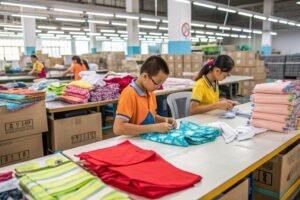
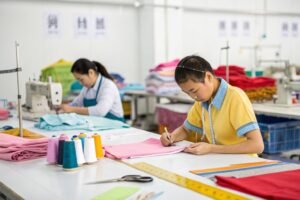
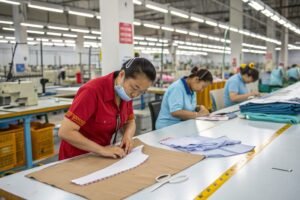
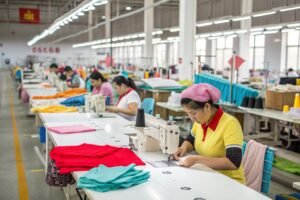
Instead of listing certifications, tell the journey. Create a "From Seed to Stitch" series on your blog or social media. Use video to show the organic cotton fields, interview the farmers, tour the dye house using low-impact processes, and introduce the seamstresses at the factory. This transparent storytelling demystifies production, builds immense trust, and allows parents to feel they are participating in a positive, global story. They’re not just buying a dress; they’re supporting sustainable agriculture and ethical jobs. This narrative is far more powerful than a GOTS logo alone.
Why is "Impact Storytelling" Effective for Mission-Driven Brands?
For brands with a social or environmental mission, storytelling quantifies the good. A brand that donates a portion of profits might share stories of the specific communities or causes helped. For example, "For every swimsuit sold, we provide a week of swimming lessons to a child in need," accompanied by photos and stories from the program. This cause-related marketing transforms a purchase into a participatory act of kindness, giving the customer a sense of agency and positive contribution that is deeply rewarding.
How Does Storytelling Drive Differentiation and Brand Identity?
When product features (softness, durability) become table stakes, the brand narrative becomes the primary differentiator. Two identical organic cotton t-shirts are not the same if one is just a shirt and the other is "part of our ‘Wild & Free’ collection, inspired by afternoons of unstructured play in the backyard."
Storytelling drives differentiation by creating a unique brand voice and aesthetic universe, positioning products as enablers of a specific lifestyle (e.g., "adventurous," "minimalist," "whimsical"), and giving customers a vocabulary and identity to adopt when they choose your brand.

How to Build a Cohesive "World" Around Your Brand?
Develop a consistent narrative framework. Define your brand’s core theme—is it nostalgic magic, modern exploration, or eco-friendly wonder? Let this theme guide everything: collection names ("The Starlight Picnic Collection"), color palettes, photoshoot locations, copywriting tone, and even product details (e.g., constellation prints, map-pocket linings). This creates a cohesive brand experience where every touchpoint reinforces the story. Customers don’t just remember a product; they remember the feeling and world the brand evokes, making it difficult for competitors to replicate.
What is the Role of "User-Generated Storytelling"?
The most powerful stories are those your customers create themselves. Encourage and showcase this. When parents share photos of their child’s first day of school in your outfit, they are telling a chapter of their family story with your brand as a supporting character. By reposting this user-generated content (UGC), you validate their narrative and demonstrate that your products play a meaningful role in real life. This builds an authentic, community-driven brand story that is infinitely more credible than any produced by the brand itself.
How Does Storytelling Enhance Customer Loyalty and Community?
A transactional relationship ends at checkout. A narrative relationship is ongoing. When customers buy into a story, they join a community of others who share similar values and aspirations. They become co-authors of the brand’s ongoing story, which fosters profound loyalty.
Storytelling builds community by creating shared rituals and traditions (e.g., an annual "Winter Wonderland" collection drop), providing platforms for customers to share their own stories, and making customers feel like insiders or "members" of the brand’s world rather than just consumers.

How Can Brands Create Narrative-Driven Customer Journeys?
Map the customer’s experience as a story arc. The "discovery" phase is the call to adventure (seeing an inspiring Instagram post). The "purchase" is crossing the threshold (buying the "hero" item). The "unboxing" is receiving a aid (the beautifully packaged product with a story card). The "post-purchase" is sharing the victory (posting a photo with your hashtag). Nurture this journey with emails that continue the narrative, not just promote sales. For example, a follow-up email might say, "We hope Leo’s adventure jacket is helping him discover new backyard bugs!" This customer journey mapping treats the purchase as a meaningful event in the customer’s life, not the end of a sales funnel.
Why Do Story-Led Brands Command Higher Price Points and Loyalty?
A compelling story adds perceived value that justifies a premium. Parents are not paying just for cotton; they are paying for the promise of a magical childhood, the assurance of ethical production, or the identity of being a "conscious parent." This emotional value makes customers less price-sensitive. Furthermore, when the brand’s story becomes intertwined with a customer’s own family memories (e.g., "He wore that fox pajama set every night for a year"), repurchasing or buying sibling sets becomes an act of nostalgia and tradition, creating a lifetime customer value that far exceeds the initial transaction.
Conclusion
Storytelling in kids’ clothing marketing is not a superficial marketing tactic; it is a fundamental business strategy for building relevance, trust, and longevity in a crowded and emotionally charged market. It transforms passive consumers into active participants, simplifies complex values, and creates an intangible brand equity that competitors cannot copy. In an age where consumers crave meaning and connection, the brands that tell the best, most authentic stories are the ones that earn a permanent place in the family album and the family budget.
For manufacturers like Fumao Clothing, this means partnering with brands to create not just garments, but story-worthy products—details that spark imagination, quality that becomes part of a cherished memory, and collections that serve as chapters in a larger narrative. If you are building a brand with a story to tell, you need a manufacturing partner who understands how to translate that narrative into physical form. Contact our Business Director, Elaine, at elaine@fumaoclothing.com to craft collections that don’t just clothe children, but capture imaginations.