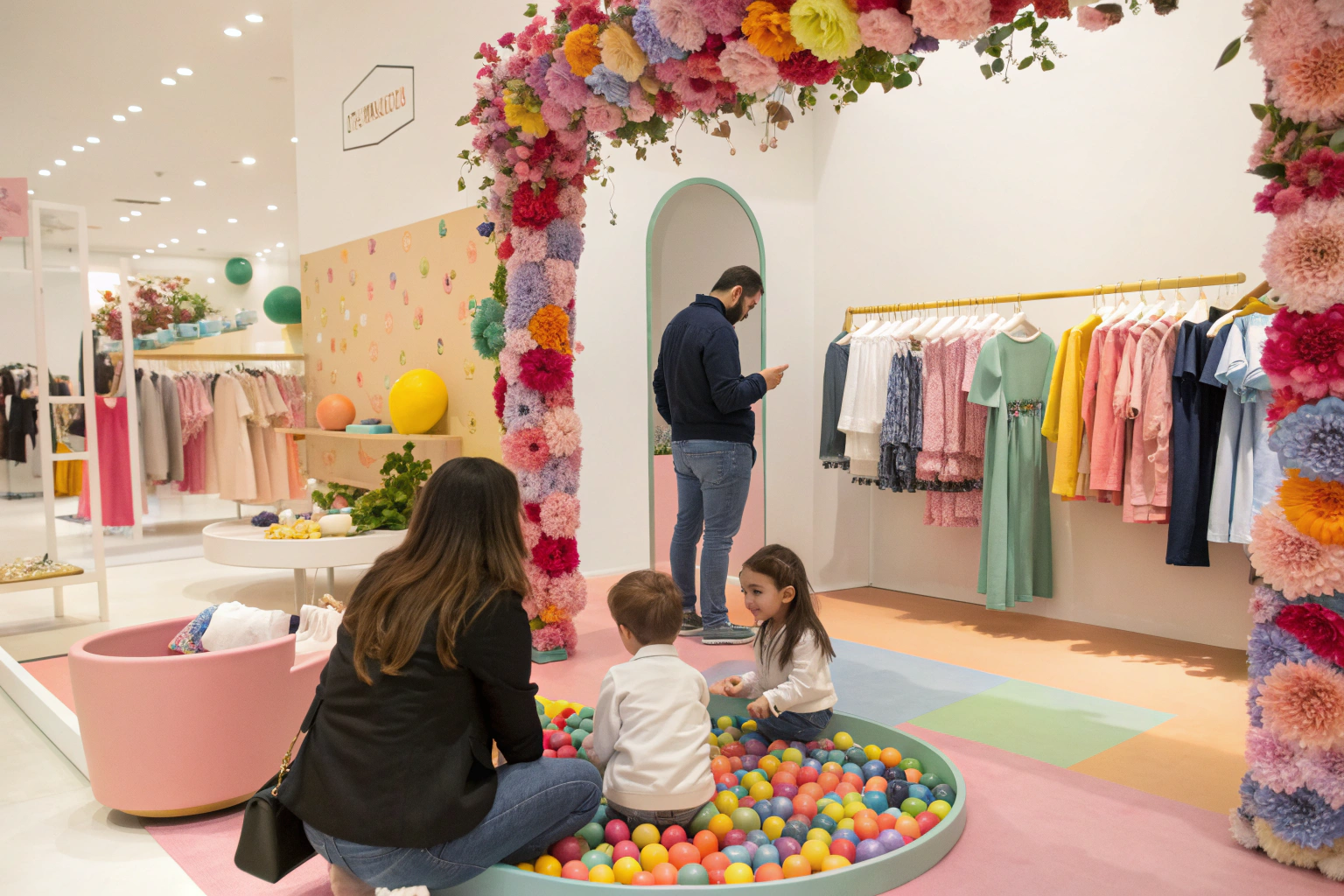
In an era dominated by e-commerce and digital storefronts, a counter-trend is gaining momentum in the children’s fashion sector: the strategic rise of the pop-up store. Forward-thinking brands are temporarily taking over physical spaces, from art galleries to mall kiosks, for anywhere from a day to several months. As a manufacturer, I see this not as a nostalgic retreat but as a sophisticated, data-driven strategy to solve modern retail challenges and create unparalleled brand experiences that pure online play cannot match.
Kids clothing brands are investing in pop-up stores to create immersive, tangible brand experiences, gather invaluable first-party customer data, test new markets with minimal risk, generate PR buzz and social media content, and directly clear seasonal inventory in a controlled, brand-elevating environment.
This move bridges the gap between the digital and physical, offering a multifaceted return on investment that goes far beyond simple sales per square foot. Let’s explore the compelling reasons behind this experiential retail shift.
How Do Pop-ups Create Unmatched Experiential Marketing?
The core power of a pop-up lies in experience over transaction. For children’s brands, this means crafting a space that delights both the child and the parent, transforming a shopping trip into a memorable event. This sensory, emotional engagement builds brand loyalty that is deeper and more lasting than any online ad can achieve.
Pop-ups create experiential marketing by designing Instagram-worthy installations, hosting interactive events (like storytime or crafting workshops), allowing for direct product interaction (touch, try-on), and providing personalized, face-to-face customer service. They turn passive browsing into active participation.

What Types of In-Store Experiences Drive Engagement and Sales?
Successful pop-ups are more than just shops; they are destinations. Key tactics include:
- Interactive Play Areas: A small ball pit, a coloring station, or a themed play structure keeps children engaged, giving parents time to browse.
- Photo-Worthy Installations: A giant floral wall, a vintage bathtub filled with plush toys, or a neon sign with the brand’s slogan encourages social sharing, generating free user-generated content (UGC).
- Live Events: Hosting a local children’s author for storytime, a baby yoga class, or a DIY tote bag decorating workshop drives foot traffic and creates community.
- Personalization Stations: Offering free embroidery, stamping, or monogramming on-site creates a unique, take-home souvenir and justifies a premium.
These elements transform the space into a marketing channel itself, where the experience is the product.
Why is Tangible Product Interaction a Key Conversion Driver?
Online shopping has a critical flaw: you can’t touch, feel, or try. A pop-up solves this. Parents can assess the true softness of an organic cotton onesie, check the durability of seams, and, most importantly, have their child try things on for fit. This immediate, tactile reassurance drastically reduces purchase hesitation and the likelihood of returns. For brands emphasizing quality, sustainable materials, or unique textures, this hands-on proof is invaluable. It builds trust and converts curious followers into confident buyers, effectively overcoming a major hurdle of e-commerce for apparel.
How Do Pop-ups Serve as Low-Risk Market Research Labs?
Launching a permanent brick-and-mortar store is a massive, risky capital investment. A pop-up, however, is a lean, agile experiment. It allows brands to test real-world hypotheses about location, product mix, pricing, and customer demographics with relatively low commitment and cost.
Pop-ups function as research labs by providing direct feedback on which products customers pick up vs. buy, revealing untapped geographic markets, testing price sensitivity in a live environment, and gathering qualitative data through face-to-face conversations that surveys can’t capture.

What Data Can You Collect from a Physical Pop-up Location?
Beyond just sales figures, a pop-up is a goldmine for first-party data. You can physically observe customer flow and dwell time. Staff can collect email addresses for mailing lists in exchange for a small discount. You can A/B test visual merchandising setups overnight. Most importantly, you can have genuine conversations with customers: "What brought you in today?" "What other brands do you shop for your kids?" This qualitative insight is incredibly powerful for refining your brand positioning and product development. This hands-on research complements digital analytics from tools like Google Analytics, offering a 360-degree view of your customer.
How to Test New Products or Concepts Before Full Commitment?
A pop-up is the perfect launchpad for a new sub-line or a radical design direction. For example, a brand known for everyday wear can test a new line of occasion wear or sustainable sneakers. By placing these new items in a curated pop-up environment, you gauge immediate customer reaction without diluting your main online assortment or committing to large production runs. The feedback is immediate and visceral—you see what people gravitate towards, what they ask questions about, and what they ignore. This de-risks future inventory planning and can prevent costly mistakes.
How Do Pop-ups Amplify Brand Awareness and PR?
In a crowded digital space, breaking through the noise is expensive. A well-executed pop-up creates its own news cycle. It generates local buzz, attracts press coverage, and fuels social media content for weeks, offering a high-impact branding exercise.
Pop-ups amplify awareness by being inherently newsworthy ("New Brand Pops Up in SoHo"), creating a flood of organic social media posts from visitors, attracting local influencers and bloggers for preview events, and partnering with complementary non-competing brands (e.g., a kids’ bookshop or organic cafe) to cross-pollinate audiences.

What PR Strategies Maximize Exposure for a Temporary Store?
Proactivity is key. Begin by crafting a press release and targeting local parenting bloggers, family-focused magazines, and "Things to Do This Weekend" city guides. Host an exclusive preview night for local influencers, press, and loyal customers to generate pre-opening buzz. Partner with a children’s charity for a opening-day fundraiser, which adds a positive angle for coverage. Ensure your space is visually striking to earn a spot in "Instagrammable Places" roundups. This focused public relations effort can generate media value that far exceeds the pop-up’s rental cost, lifting your brand’s profile nationally.
How Does Social Media Content from a Pop-up Drive Online Traffic?
The pop-up itself becomes a content factory. Every corner is designed for photos. Encourage sharing with a unique branded hashtag (e.g., #[BrandName]PopUp). Post daily Stories showing the bustling atmosphere, happy kids, and staff highlights. Go live for Q&As or event coverage. This constant stream of authentic, behind-the-scenes, and user-generated content feeds your online channels, driving followers to your website. You can retarget all visitors who engaged with your location on Facebook/Instagram with ads, effectively capturing warm leads long after the physical door closes. This synergy between physical event and digital marketing is a powerful growth loop.
How Can Pop-ups Optimize Inventory and Sales Strategy?
Pop-ups offer a unique channel for inventory management. They can be strategically timed to align with seasonal peaks, product launches, or the need to clear specific stock, all within a brand-controlled environment that protects margin and brand image.
They optimize inventory by providing a direct-to-consumer outlet for full-price seasonal launches, serving as a controlled environment for markdowns on past-season goods (more brand-friendly than off-price retailers), and allowing for the sale of exclusive, pop-up-only products or bundles that create urgency.

Why Are Pop-ups Effective for Launching Seasonal Collections?
A pop-up can be the epicenter of a seasonal launch. Imagine a "Back to School" pop-up in August, fully merchandised with the new autumn lineup. It creates a tangible, exciting destination for the launch, far more impactful than an email blast. You can host a styling event, offer early access to your top customers, and create a sense of occasion that drives full-price sales. This controlled, immersive launch environment builds hype and allows you to capture maximum revenue before the collection hits wider wholesale distribution or faces online discounting.
How to Use a Pop-up for Strategic Inventory Clearance?
Unlike sending excess stock to a discount retailer, a pop-up allows for "brand-right" clearance. You can host a "End of Season Warehouse Sale" pop-up in a trendy neighborhood. By framing it as a special event, you maintain brand allure while moving inventory. You control the discount depth (starting at 30%, moving to 50%) and the messaging. This approach protects your brand’s value perception better than constant online promotions, meets customers who love a treasure hunt, and recovers cash efficiently. It’s a savvy tool for cash flow management tied directly to inventory health.
Conclusion
The investment in pop-up stores by kids clothing brands is a sophisticated response to the limitations of a purely digital world. It is a strategy that combines marketing, data science, PR, and sales into a single, time-bound physical manifestation of the brand. The returns are measured not just in immediate revenue, but in enriched customer relationships, invaluable market insights, powerful brand storytelling, and optimized inventory cycles.
For manufacturers like Fumao Clothing, this trend underscores the importance of creating not just garments, but experiential products—pieces that are photogenic, tactilely delightful, and worthy of being the centerpiece of a memorable retail moment. If you are planning a pop-up strategy and need a manufacturing partner who understands the need for high-impact, quality collections that tell a story in person, let’s connect. Contact our Business Director, Elaine, at elaine@fumaoclothing.com to discuss producing a line that pops off the screen and into real life.