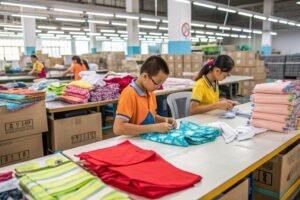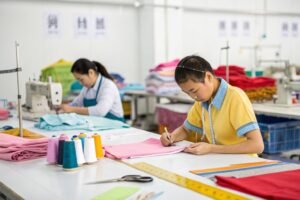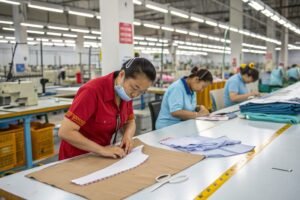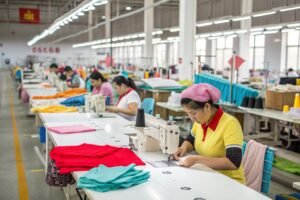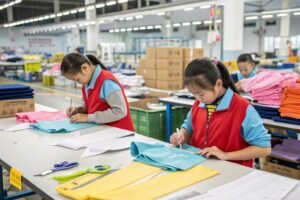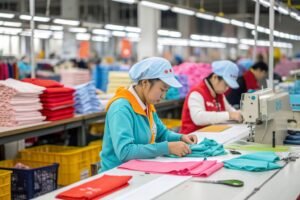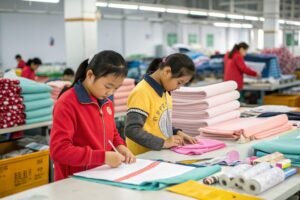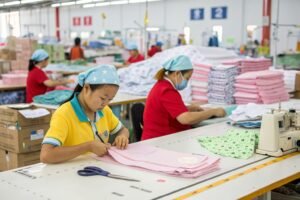
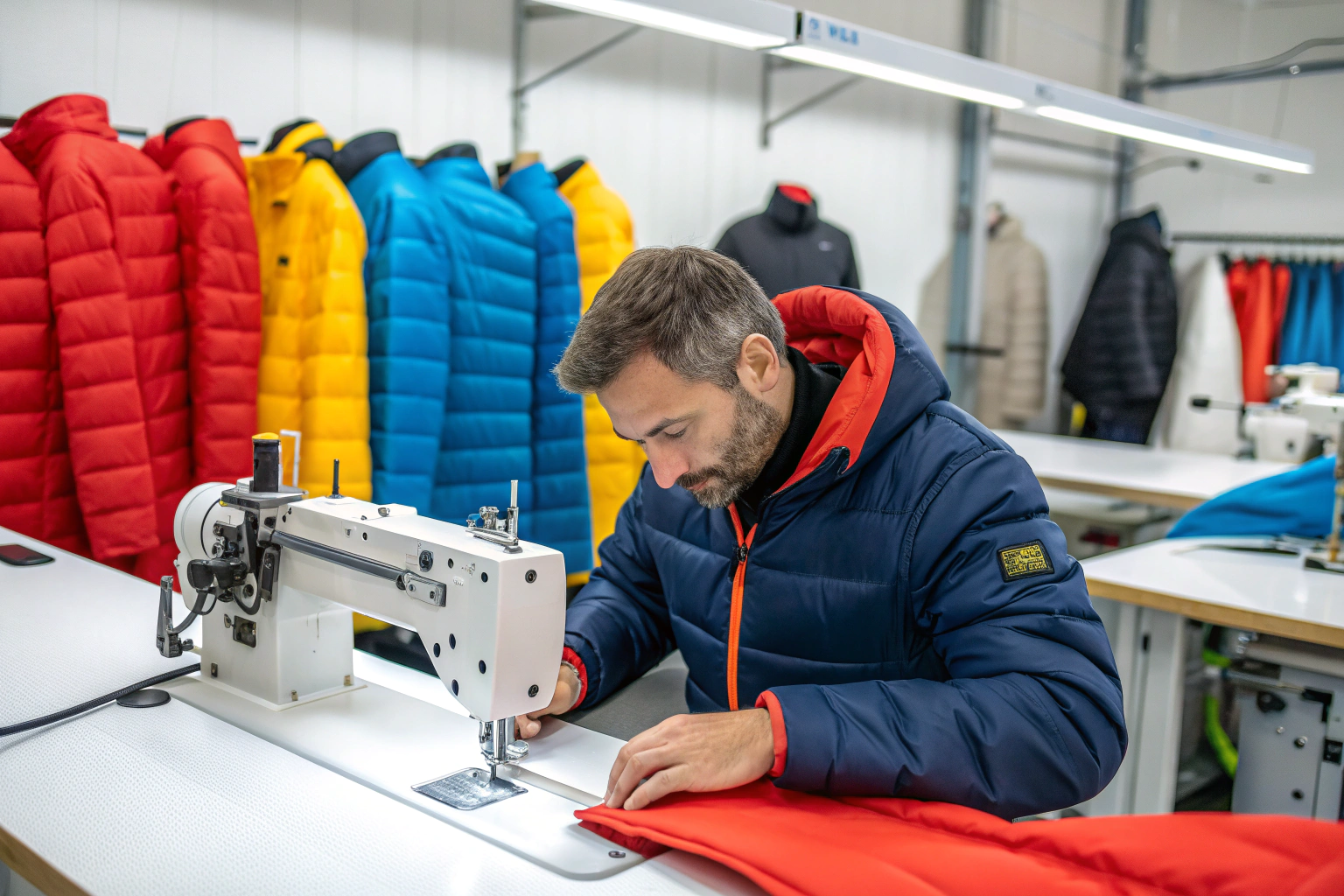
Selecting a manufacturing partner for kids outerwear is one of the most critical decisions your brand will make. Unlike basic tees or leggings, outerwear like jackets, coats, and snowsuits are complex, technical, and represent a significant investment for both you and the end consumer. A single flaw in waterproofing, insulation, or safety can damage your reputation. As a manufacturer specializing in this category, I understand the unique pressures and precision required.
Choosing the right manufacturer for kids outerwear requires evaluating specialized technical expertise in waterproof/breathable fabrics and insulation, rigorous testing for safety and durability, proven experience with complex construction, and a supply chain capable of sourcing high-performance materials reliably.
This guide will help you navigate beyond basic garment production and find a partner who can execute the technical demands of high-quality children’s outerwear, ensuring your products are both beautiful and built to last.
What Technical Expertise is Non-Negotiable for Outerwear?
Outerwear is engineering disguised as fashion. The manufacturer must possess deep, proven knowledge in handling technical materials and executing complex constructions that everyday garment factories may not be equipped for.
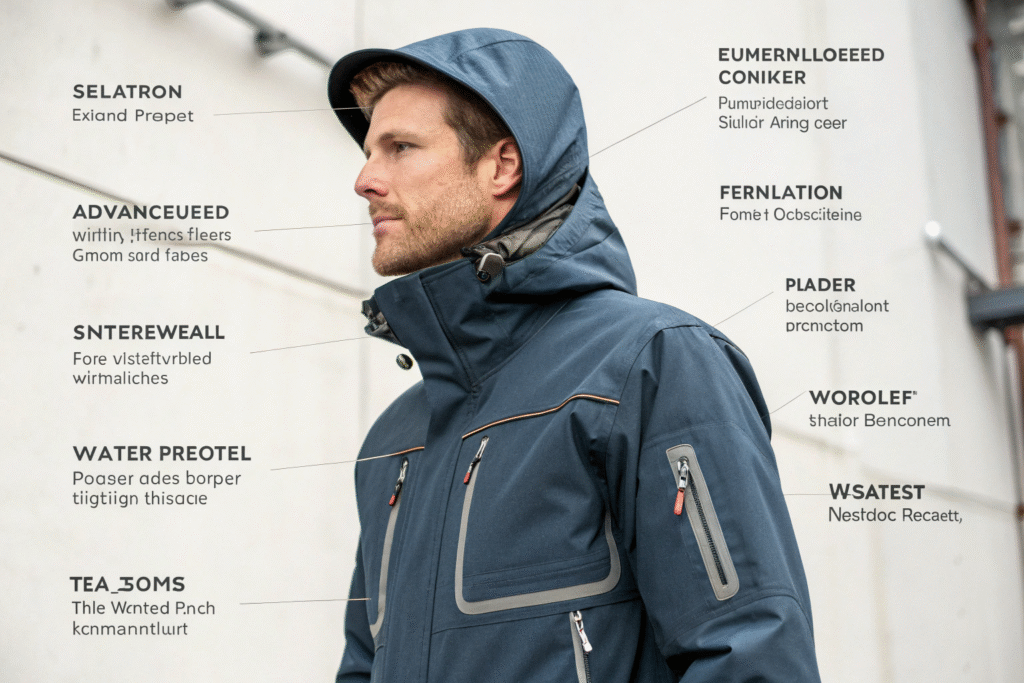
Non-negotiable expertise includes mastery of bonding and seam-sealing (like heat taping) for waterproofness, experience with various insulation types (down, synthetic, recycled), skill in setting specialized hardware (water-resistant zippers, toggles, cord locks), and a thorough understanding of performance fabric characteristics like denier, membrane layers, and coatings.
How to Assess a Factory’s Skill with Waterproof and Insulated Fabrics?
Don’t just ask if they "can make a jacket." Drill into specifics. Request to see previous samples of their technical work. Ask:
- Seam Sealing: Can they demonstrate their heat taping process and what waterproof rating (e.g., 10,000mm) they can consistently achieve? Poor seam sealing is the number one point of failure.
- Insulation Handling: For down products, do they have a Downproof rating for their inner fabrics and construction techniques to prevent leakage? For synthetic insulation, can they handle quilted or bonded constructions without compressing the fill?
- Material Knowledge: They should be able to advise on the appropriate fabric denier for different parts of a jacket (lighter for body, heavier for abrasion zones) and the pros/cons of 2-layer vs. 3-layer constructions. Their familiarity with major fabric mills like Polartec or PrimaLoft is a good indicator of technical engagement.
Why is Experience with Complex Construction and Hardware Critical?
A children’s outerwear piece can have over 50 individual components. The factory must expertly manage:
- Layering: Properly assembling a shell, insulation, and lining without creating bulk or restricting movement.
- Specialized Hardware: Setting YKK AquaGuard zippers, durable snap buttons, and safety-certified cord locks that don’t pose a strangulation hazard.
- Reinforcement: Bar-tacking at high-stress points (armpits, pocket corners) is essential for durability in active kids’ wear.
Ask for a detailed breakdown of their production process for a typical insulated jacket and visit the factory floor if possible to see these steps in action.
What Safety and Quality Certifications Are Essential?
With kids’ outerwear, safety is paramount. It’s not just about fabric safety; it’s about functional safety (hood drawstrings, small parts), flammability (especially for sleepwear-rated items), and chemical compliance. Certifications are your objective proof, not optional paperwork.
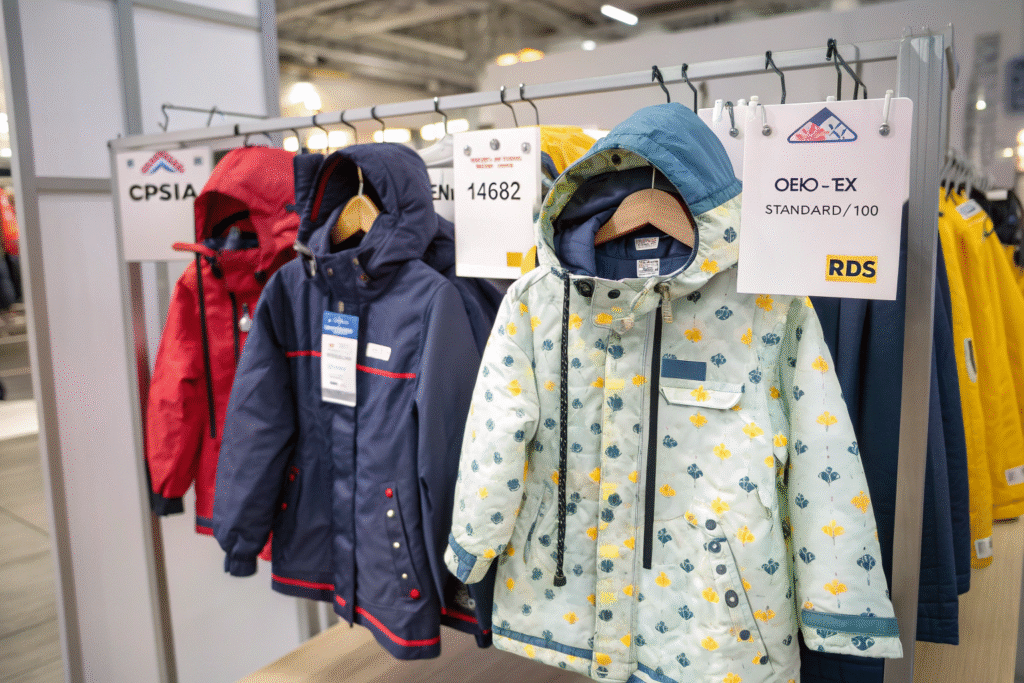
Essential certifications include CPSIA compliance for the US market, EN 14682 for European safety standards (especially regarding drawstrings), Oeko-Tex Standard 100 for harmful substance testing, and possibly RDS (Responsible Down Standard) for down insulation. Third-party lab test reports for waterproofness and breathability (e.g., RET rating) are also crucial.
How to Verify Compliance with CPSIA and EU Safety Standards?
Verification requires more than a certificate file. For CPSIA compliance, ensure they test for lead and phthalates in all applicable components (fabric, zippers, prints). For the EU, EN 14682 is critical—it strictly regulates the design of drawstrings and cords in children’s clothing to prevent entanglement. A knowledgeable manufacturer will have design guidelines to ensure compliance from the sample stage. Always ask for recent, item-specific test reports from an accredited lab like SGS or Intertek, and cross-check the certificate number online. A factory that is vague or hesitant to provide these is a major red flag.
What Quality Tests Should Be Done on Finished Outerwear?
Beyond material certifications, the finished garment must undergo rigorous performance testing. Your manufacturer should have in-house quality checks and partner with labs for:
- Waterproofness & Breathability Tests: Simulated rain (mm water column) and moisture vapor transmission (RET/g) tests to validate marketing claims.
- Durability Testing: Martindale abrasion tests on fabrics, wash tests to ensure insulation doesn’t clump or shift, and cold crack tests for hardware.
- Functional Checks: Ensuring all zippers, velcro, and snaps work smoothly after multiple cycles and that seam taping remains fully adhered.
Ask for their quality control protocol and defect tolerance level (AQL). For outerwear, the standard should be stricter than for basic apparel.
How to Evaluate a Manufacturer’s Supply Chain and Material Sourcing?
Outerwear is only as good as its materials. A manufacturer’s ability to source high-quality, consistent, and ethical technical fabrics and components is fundamental. Their supply chain relationships directly impact your product’s performance, cost, and lead time.
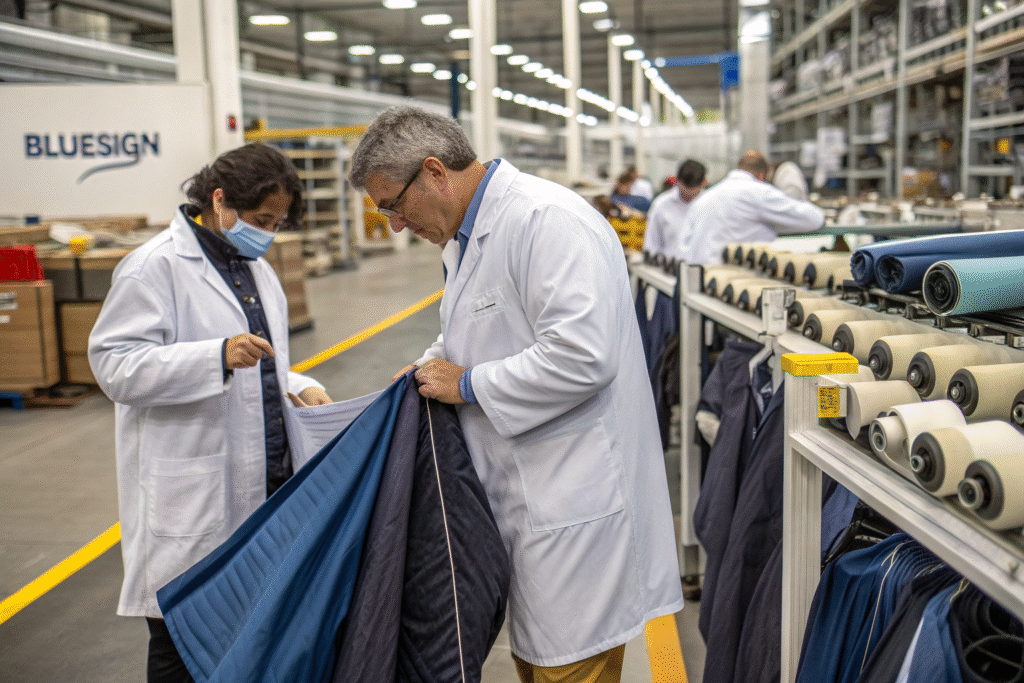
Evaluate their direct relationships with reputable fabric mills and trim suppliers, their ability to provide material certificates (like Bluesign for fabrics), their contingency planning for material shortages, and their transparency about the origin and composition of key components like down insulation.
Why Are Direct Relationships with Fabric Mills Important?
A manufacturer with strong, direct ties to mills like Toray, Pertex, or Scholler can secure better prices, ensure authenticity, and access the latest fabric innovations. It also provides stability. During material shortages, factories with established relationships get priority. Ask for a list of their primary fabric suppliers and if they hold stock of common technical fabrics. This reduces your lead time and ensures batch-to-batch consistency, which is vital for color matching and performance across production runs.
How to Ensure Ethical Sourcing of Down and Specialty Materials?
For insulation like down, ethical sourcing is a major brand concern. Demand proof of certification. The Responsible Down Standard (RDS) and Global Traceable Down Standard (GTDS) ensure down is sourced from animals that have not been subjected to unnecessary harm. Similarly, for recycled materials (like recycled polyester shell fabric), ask for documentation such as the Global Recycled Standard (GRS). A transparent manufacturer will gladly provide these chain-of-custody certificates, turning your material choices into a compelling brand story about sustainable practices.
What Are the Realistic Timelines and Cost Considerations?
Outerwear has one of the longest and most complex production cycles in apparel. Understanding the true timeline and cost structure from the beginning prevents disastrous delays and budget overruns that can sink a seasonal launch.
Realistic timelines must account for lengthy material lead times (8-12 weeks for specialized fabrics), multiple and intricate sample stages (proto, fit, pre-production), and complex assembly. Costs are driven by high material prices, technical labor, and extensive testing—value engineering should never compromise core performance.
How Long Does It Really Take to Develop and Produce Outerwear?
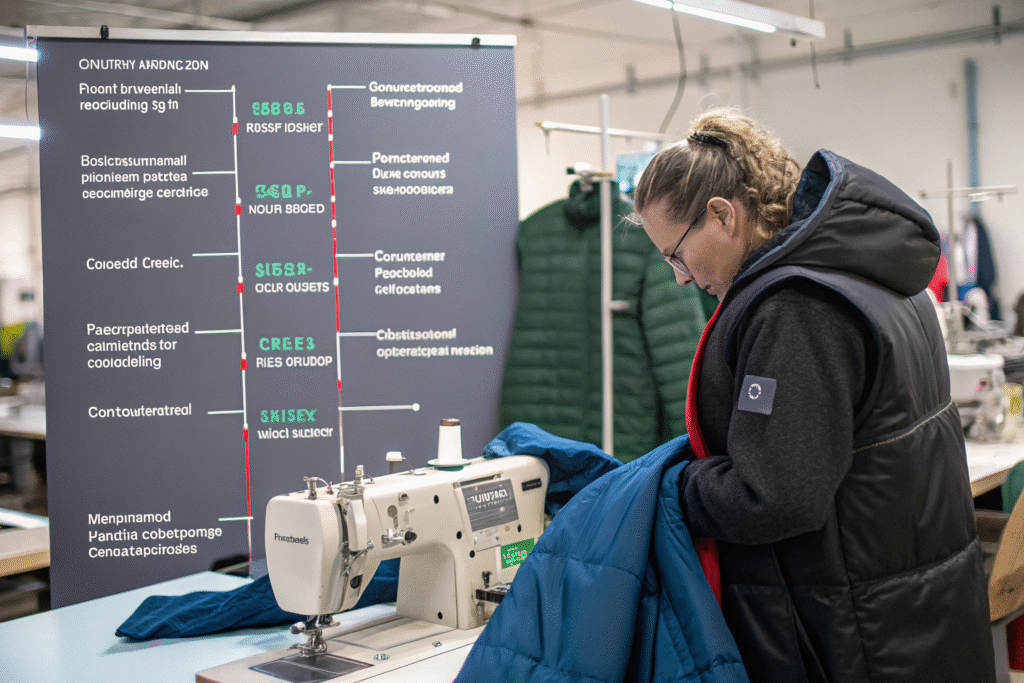
From design to shipped goods, a new outerwear style can take 5-7 months. Key phases include:
- Material Sourcing & Approval: 8-12 weeks.
- Sampling (Proto, Fit, PP): 6-8 weeks, allowing for multiple revisions on complex details.
- Bulk Production & QC: 4-6 weeks for cutting, sewing, taping, finishing, and inspection.
- Shipping: 4-6 weeks by sea.
Planning must start early, and your manufacturer should provide a detailed, backward-planned critical path timeline at the quotation stage. Rushing any phase risks quality failures.
How to Understand the True Cost Drivers in Outerwear Manufacturing?
The cost breakdown for a jacket is vastly different from a t-shirt. Major drivers are:
- Fabric & Insulation: Can be 60-70% of the total cost. Technical membranes and high-fill-power down are premium.
- Hardware: Quality water-resistant zippers and branded components add cost.
- Labor: The multiple steps (cutting, sewing multiple layers, taping, finishing) require more skilled labor hours.
- Testing & Certification: Comprehensive lab testing is a significant but necessary line item.
A trustworthy manufacturer will provide a transparent cost breakdown sheet, not just a single unit price. This allows for informed value engineering—perhaps choosing a slightly lower denier fabric in non-critical areas—without sabotaging the garment’s core function.
Conclusion
Choosing the right kids outerwear manufacturer is a partnership that demands technical alignment, shared values on safety and quality, and transparent communication about capabilities and constraints. It requires looking for a specialist, not a generalist—a partner whose expertise ensures your designs are translated into durable, safe, and high-performing products that withstand both the elements and energetic play.
At Fumao Clothing, we have built our expertise on the technical intricacies of children’s outerwear, from sourcing certified materials to mastering seam-sealing and complex assembly. We understand the investment you’re making and the trust parents place in your brand. If you are looking for a manufacturing partner with the technical depth and commitment to quality required for exceptional kids’ outerwear, let’s connect. Contact our Business Director, Elaine, at elaine@fumaoclothing.com to discuss your next project.