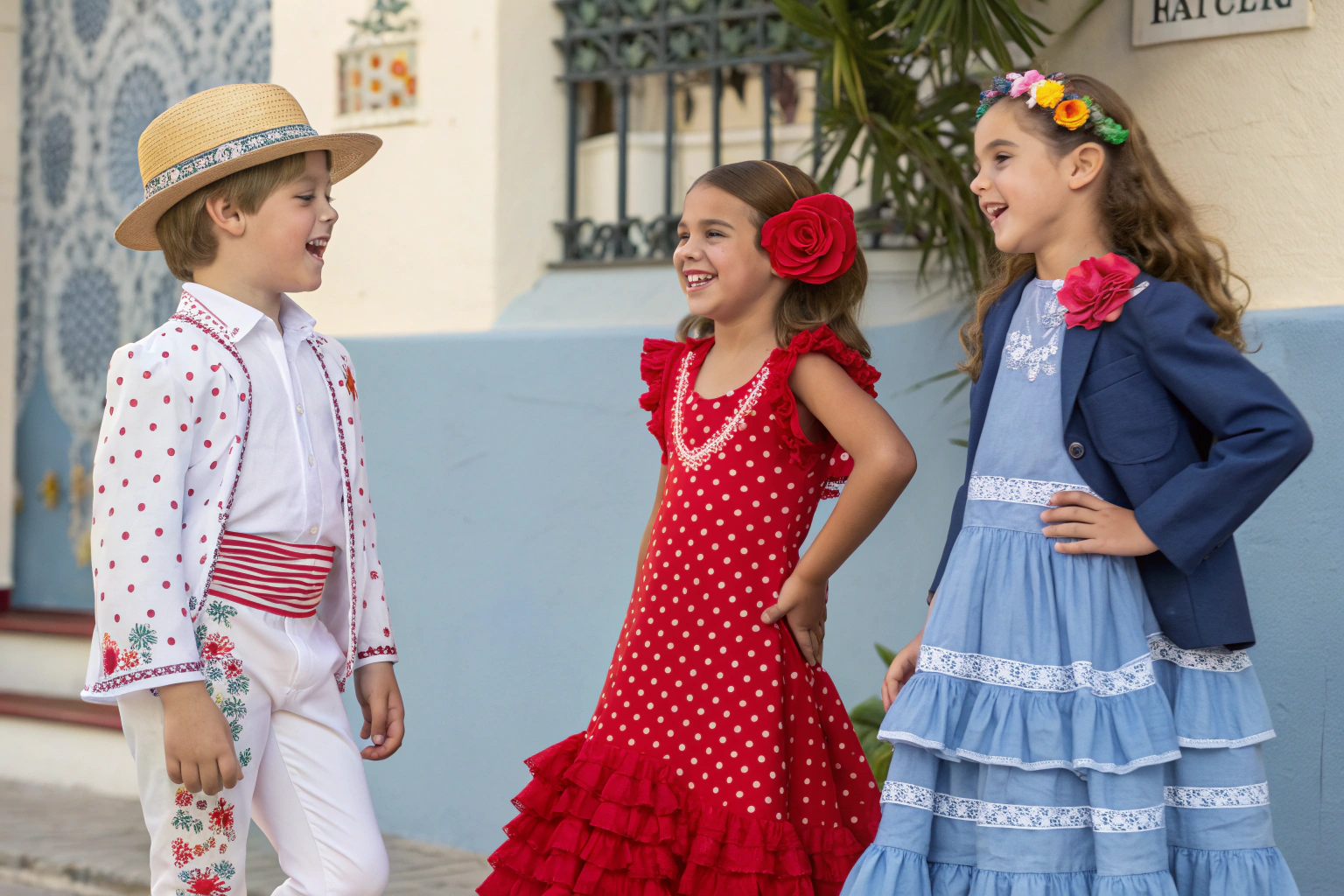
Spanish children’s fashion represents a distinctive blend of Mediterranean influences, cultural traditions, and contemporary European aesthetics that create styles both uniquely Spanish and internationally appealing. As a manufacturer supplying Spanish markets and observing trends across American and European contexts, I’ve identified how Spanish children’s wear balances vibrant expression with practical considerations for active, outdoor-oriented lifestyles. The most popular styles reflect Spain’s rich cultural heritage while embracing modern family life and global fashion influences.
The most popular kids clothing styles in Spain include vibrant Mediterranean colors, comfortable yet stylish playwear, traditional festival attire, sophisticated casual elegance, and sun-protective beachwear that reflects Spain’s outdoor lifestyle. These styles balance cultural authenticity with contemporary functionality, creating distinctive looks that work for both daily life and special occasions in Spain’s diverse regions and climates.
Spanish children’s fashion emphasizes quality materials, artisanal details, and joyful expression while maintaining the practicality needed for active children in warm climates with strong outdoor traditions.
How Do Mediterranean Colors Define Spanish Children’s Fashion?
Spanish children’s wear embraces a distinctive color palette inspired by the country’s landscapes, architecture, and artistic traditions, creating vibrant yet sophisticated combinations.
These colors reflect Spain’s bright sunlight, regional crafts, and joyful approach to life, distinguishing Spanish styles from more muted Northern European aesthetics.

What Specific Color Palettes Are Characteristically Spanish?
Terracotta and sunset oranges, Mediterranean sea blues, sunny yellows (more golden than primary), whitewashed village whites, and olive/forest greens appear consistently across Spanish children’s collections. These colors often combine in unexpected yet harmonious ways that feel both traditional and contemporary. According to Spanish Color Research, these Mediterranean hues represent approximately 60% of Spanish children’s wear color stories compared to 30% in Northern European markets.
How Do Regional Influences Vary Color Preferences?
Andalusian styles feature brighter whites and vibrant accents, Catalan designs often incorporate marine blues and deep reds, while Basque influences bring in natural greens and navies. These regional variations create diversity within the broader Mediterranean palette, allowing families to express local identity through children’s clothing. Understanding these regional color traditions helps brands appropriately tailor collections for different Spanish markets.
What Defines Spanish Comfortable Yet Stylish Playwear?
Spanish playwear balances durability and ease of movement with distinctive style elements that maintain aesthetic appeal during active use.
This category reflects Spain’s outdoor lifestyle and warm climate while addressing practical parenting needs for clothing that withstands vigorous play.

Why Are Natural Fabrics Prioritized for Playwear?
Spanish parents overwhelmingly prefer natural fibers like cotton, linen, and lightweight wool for playwear due to their breathability in warm climates and comfort against skin. These materials align with traditional Spanish textile traditions while meeting modern performance expectations. Our manufacturing for Spanish markets emphasizes natural fabric expertise specifically developed for active children in Mediterranean climates.
How Do Spanish Details Enhance Basic Playwear?
Embroidery referencing regional patterns, distinctive button choices, colorful topstitching, and strategic ruffle or trim placements elevate basic playwear designs. These details often have cultural significance while adding visual interest that survives rough play. The artisanal quality of these elements reflects Spain’s strong craft traditions even in mass-produced children’s wear.
What Role Does Traditional Festival Attire Play?
Spain’s rich calendar of festivals and celebrations creates consistent demand for traditional attire adapted for children’s comfort and contemporary sensibilities.
These styles balance authenticity with wearability, allowing children to participate in cultural traditions without discomfort.

How Are Regional Costumes Adapted for Children?
Traditional elements like Sevillana dresses, Basque txapelas (berets), or Catalan sardana skirts are simplified for children through lighter fabrics, easier closures, and reduced layers while maintaining recognizable silhouettes and details. These adaptations allow children to participate in cultural events without the constraints of fully authentic adult costumes. According to Festival Fashion Research, approximately 40% of Spanish families purchase traditional festival attire for children annually.
What Modern Updates Make Traditional Wear Practical?
Stretch fabrics in traditional patterns, machine-washable constructions, and adjustable features that accommodate growth make festival wear practical for contemporary families. These updates demonstrate respect for tradition while acknowledging modern parenting realities. The most successful approaches maintain the spirit rather than strict replication of traditional designs.
How Does Spanish Casual Elegance Differ from Other Markets?
Spanish children’s casual wear maintains a distinctive elegance through attention to detail, proportion, and coordination that elevates everyday dressing.
This approach reflects Spanish values around presentation and pride in appearance while remaining appropriate for children’s activities.

What Details Create Casual Elegance?
Perfectly executed collars, precisely placed pockets, harmonious color combinations, and quality finishes distinguish Spanish casual wear. These details reflect the Spanish appreciation for "buena presencia" (good presentation) that extends to children’s clothing. Unlike some markets where children’s wear prioritizes durability over aesthetics, Spanish styles typically balance both successfully.
How Do Proportions Differ in Spanish Design?
Spanish children’s clothing often features slightly more tailored proportions than loose American styles or boxy Northern European cuts, creating silhouettes that look polished while allowing movement. This proportional sensibility reflects Mediterranean aesthetic traditions that value defined shapes. Understanding these proportional preferences is essential for brands entering Spanish markets.
Why Is Sun-Protective Beachwear Particularly Important?
Spain’s strong beach culture and intense sunlight make sun-protective clothing essential rather than optional, driving innovation and style in this category.
Spanish beachwear combines serious sun protection with fashionable designs that work for both swimming and coastal town wear.

What Sun Protection Standards Are Expected?
Spanish parents expect UPF 50+ ratings, full back and shoulder coverage, and hat designs that actually stay on during play. These functional requirements combine with aesthetic expectations for attractive prints and colors. According to Sun Protection Research, Spanish families purchase an average of 4-5 sun-protective clothing items per child annually, representing significant market volume.
How Does Beachwear Style Reflect Spanish Aesthetics?
Mediterranean-inspired prints, coordinated family looks, and versatile pieces that transition from beach to town characterize Spanish beachwear style. These designs acknowledge that beach days often extend beyond sand and water to include meals, walks, and socializing in coastal communities. The integration of style and protection reflects Spain’s holistic approach to beach culture.
Conclusion
The most popular kids clothing styles in Spain reflect a distinctive balance of Mediterranean influences, cultural traditions, contemporary functionality, and joyful expression. Spanish children’s fashion emphasizes quality materials, artisanal details, sun protection, and elegant proportions that distinguish it from other markets while meeting the practical needs of active families in warm climates.
At Shanghai Fumao Clothing, we’ve developed specialized understanding of Spanish market preferences through our partnerships with Spanish brands, incorporating Mediterranean color sensibilities, quality details, and appropriate fabric selections into our manufacturing. If you’re developing collections for the Spanish market, contact our Business Director Elaine at elaine@fumaoclothing.com to discuss how our cultural and manufacturing expertise can support your success in this distinctive market.