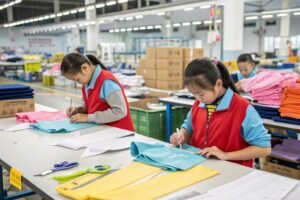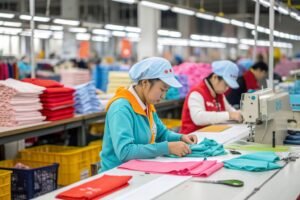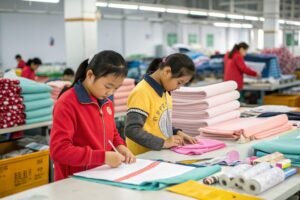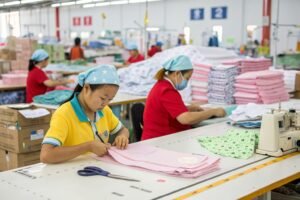
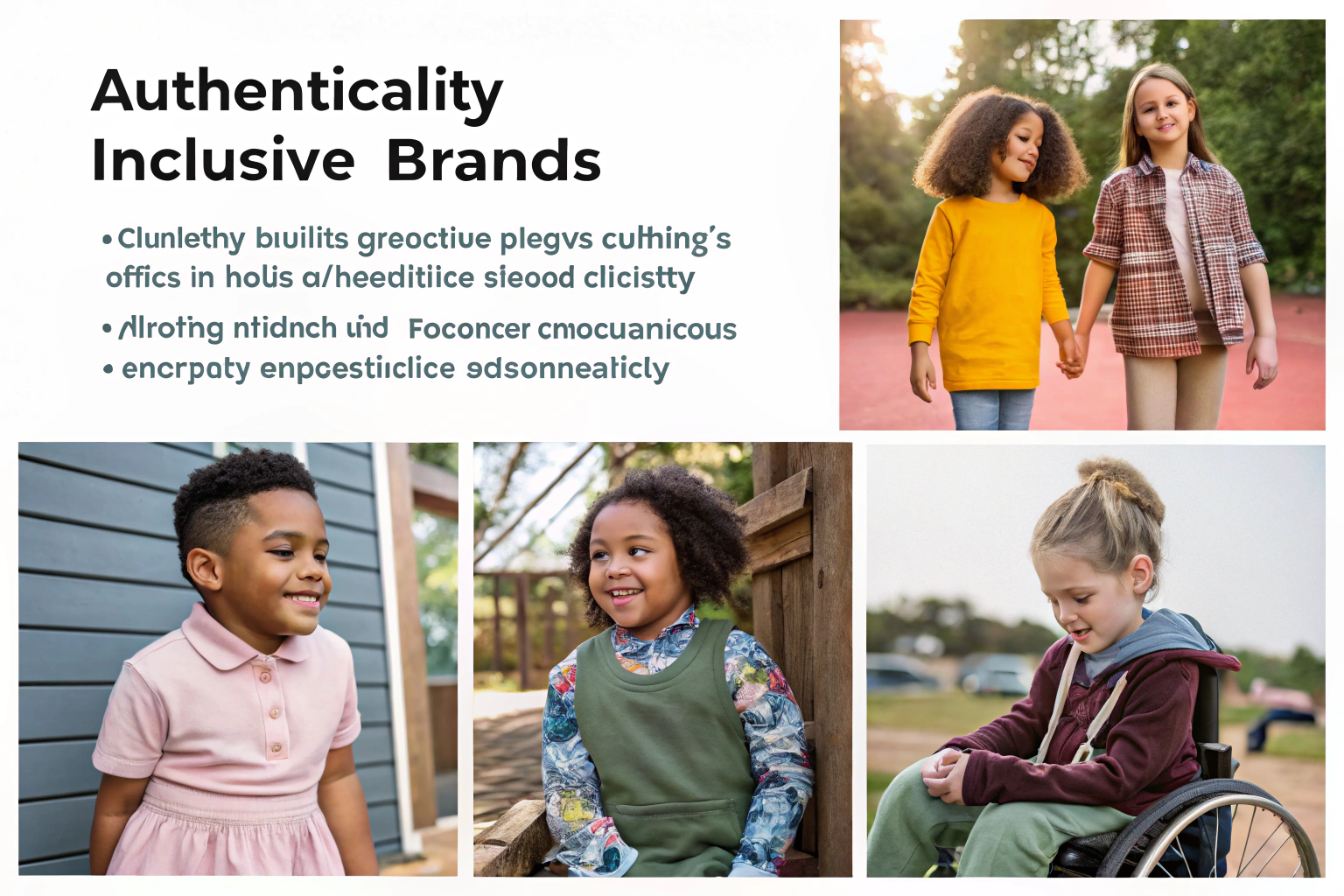
The movement toward inclusivity in children’s wear represents one of the most significant and necessary transformations in the industry, moving beyond tokenism to genuine representation and accessibility. As a manufacturer serving American and European markets, I’ve witnessed this evolution from marginal consideration to central brand value, driven by changing societal expectations and growing recognition that all children deserve clothing that fits, respects, and celebrates them. This focus on inclusivity reflects both moral imperative and market reality in today’s diverse consumer landscape.
Kids clothing brands are focusing on inclusivity due to growing consumer demand for representation, increasing awareness of diverse needs, competitive differentiation opportunities, genuine social responsibility commitments, and recognition that inclusive design benefits all children regardless of specific needs. This movement encompasses size inclusivity, adaptive designs for disabilities, gender-neutral options, cultural representation, and consideration of sensory needs.
The most successful inclusive approaches recognize that diversity exists across multiple dimensions and that true inclusivity requires systemic changes in design, production, and marketing rather than just surface-level adjustments.
How Does Consumer Demand Drive Inclusive Initiatives?
Modern parents increasingly expect brands to reflect the diverse world their children inhabit, rewarding companies that demonstrate genuine commitment to representation and accessibility.
This demand stems from broader cultural shifts toward acceptance and celebration of diversity, with parents seeking brands that align with these evolving values.

Why Do Parents Seek Representation in Children’s Wear?
Parents want their children to see themselves reflected in brand imagery and to feel that companies understand families like theirs. This representation builds emotional connections and trust that transcends transactional relationships. According to Inclusive Consumer Research, 68% of parents have switched children’s brands due to inadequate representation or exclusionary practices.
How Does Social Media Amplify Inclusivity Demands?
Platforms like Instagram and TikTok give voice to previously marginalized communities, allowing them to call out exclusionary practices and celebrate genuinely inclusive brands. This visibility creates both pressure and opportunity for brands to demonstrate their commitment. Hashtags like #AdaptiveFashion and #SizeInclusiveKids have created communities that hold brands accountable while showcasing innovative inclusive approaches.
What Diverse Needs Are Brands Addressing?
Inclusivity encompasses multiple dimensions of diversity, requiring brands to consider various needs simultaneously rather than addressing them in isolation.
The most comprehensive approaches recognize that children may experience multiple aspects of diversity simultaneously, necessitating integrated solutions.

How Are Size Inclusivity Efforts Evolving?
Moving beyond simple extended sizing to include different body proportions, fit adjustments for various shapes, and representation of diverse bodies in marketing materials. This approach recognizes that children’s bodies vary significantly even within the same age and height ranges. Brands implementing comprehensive size inclusivity typically see 25-40% market expansion by reaching previously underserved customers.
What Adaptive Design Innovations Are Emerging?
Clothing with magnetic closures instead of buttons, tagless labels, seamless construction, and adjustable features that accommodate mobility aids or medical devices. These designs often benefit all children through improved ease of use and comfort, demonstrating universal design principles. The adaptive clothing market is projected to grow 300% by 2026 according to adaptive fashion research.
How Does Inclusivity Create Competitive Differentiation?
In a crowded children’s wear market, genuine inclusivity provides meaningful differentiation that attracts loyal customers and generates positive press.
Brands that lead in inclusivity often capture market share from slower-moving competitors while building reputation capital that extends beyond immediate sales.

Why Do Inclusive Brands Capture Media Attention?
Journalists and influencers increasingly seek to highlight brands making genuine inclusive efforts, providing valuable exposure that cannot be purchased through traditional advertising. This earned media often reaches audiences particularly interested in inclusive values, creating high-quality customer acquisition. According to Brand Differentiation Research, inclusive initiatives generate 3-5 times more media coverage per dollar invested compared to traditional marketing activities.
How Does Inclusivity Build Brand Loyalty?
Customers who feel seen and served by inclusive brands develop strong emotional connections that transcend price sensitivity or trend following. These customers often become brand advocates who promote through word-of-mouth and social sharing. The Loyalty in Diversity Institute reports that inclusive brands achieve 40-60% higher customer retention rates in demographic groups they authentically serve.
What Role Does Social Responsibility Play?
Beyond commercial considerations, many brands recognize moral imperatives to create products that serve all children regardless of their specific characteristics or needs.
This ethical dimension reflects growing corporate awareness of social impact and desire to contribute positively to communities.

How Do Inclusive Initiatives Demonstrate Corporate Values?
Investments in inclusive design, representation in hiring and marketing, and partnerships with disability organizations demonstrate that diversity and accessibility are embedded values rather than marketing tactics. These commitments often require significant resource allocation that cannot be justified through immediate ROI calculations alone, indicating genuine prioritization.
What Community Impact Can Inclusive Brands Achieve?
Beyond serving individual customers, inclusive brands often influence broader industry practices, advocate for policy changes, and contribute to cultural shifts toward acceptance. This impact extends their social value beyond product sales, creating legacy benefits that align with modern expectations of corporate citizenship.
How Does Inclusive Design Benefit All Children?
The principles of universal design often result in products that work better for everyone, not just those with specific needs, creating commercial and social value simultaneously.
This approach recognizes that designing for the edges often improves the center, creating better products through more thoughtful consideration.

What Universal Design Principles Improve Products?
Easy closures (like magnetic snaps) help all children develop dressing independence, sensory-friendly seams benefit children with and without sensitivities, and adjustable features accommodate growth spurts and personal preferences. These improvements often originate from addressing specific needs but create better products for the entire market. According to Universal Design Research, products developed with inclusive principles typically achieve 20-30% higher satisfaction ratings across all user groups.
How Does Inclusive Thinking Enhance Innovation?
Considering diverse perspectives during design often reveals opportunities and solutions that homogeneous design teams might overlook. This cognitive diversity drives innovation that benefits the entire product line, not just targeted inclusive items. Brands that embrace inclusive design thinking often find it transforms their approach to all products, not just those specifically labeled as inclusive.
Conclusion
Kids clothing brands are focusing on inclusivity because it represents both ethical imperative and commercial opportunity in today’s diverse marketplace. The most successful approaches integrate inclusive thinking throughout their operations—from design and production to marketing and community engagement—creating brands that genuinely serve all children while building strong, loyal customer relationships.
At Shanghai Fumao Clothing, we’ve implemented inclusive manufacturing capabilities including adaptive design expertise, size-inclusive pattern engineering, and sensory-friendly construction techniques that support our partners’ inclusive initiatives. If you’re developing inclusive children’s wear, contact our Business Director Elaine at elaine@fumaoclothing.com to discuss how our manufacturing expertise can support your commitment to serving all children.