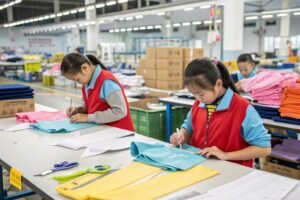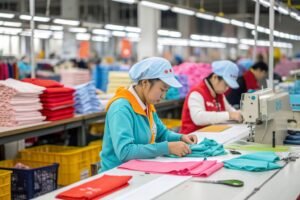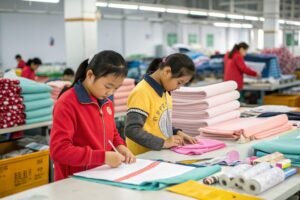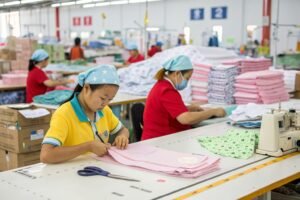
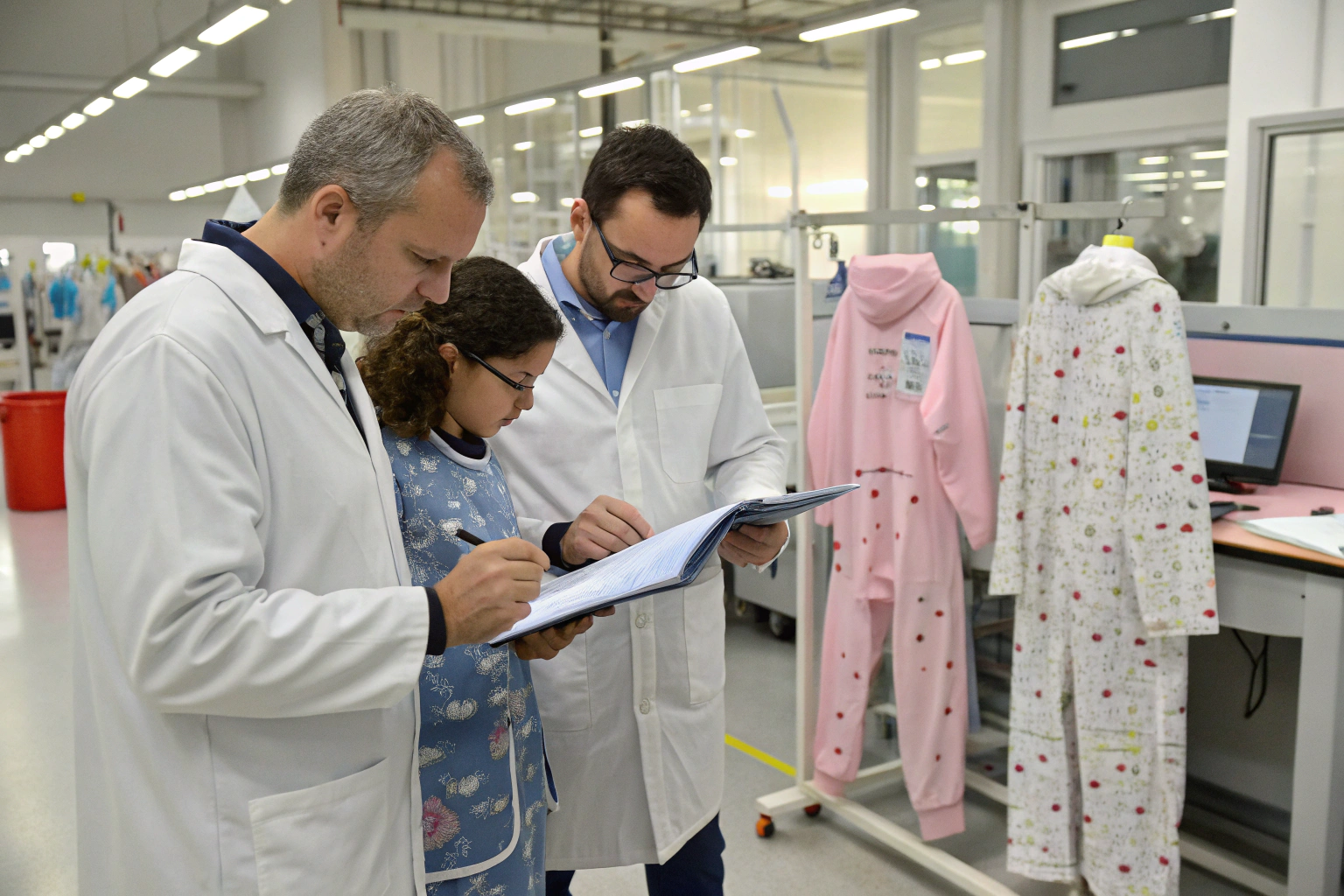
Selecting the right manufacturing partner for children’s sleepwear requires specialized knowledge that goes beyond general apparel production due to stringent safety regulations, specific comfort requirements, and the unique vulnerabilities of sleeping children. As a manufacturer who has produced sleepwear for American and European markets, I understand the critical factors that separate adequate suppliers from exceptional partners in this sensitive category.
Choosing the right manufacturer for kids sleepwear involves verifying specific safety compliance expertise, assessing experience with sleepwear-specific fabrics and constructions, evaluating quality control systems for flammability standards, and ensuring understanding of children’s comfort needs during sleep. This specialized category demands manufacturers who view safety as integrated into design rather than an afterthought.
The selection process must prioritize partners who demonstrate proven capability with sleepwear’s unique requirements rather than general children’s wear experience alone.
What Safety Compliance Expertise Is Essential?
Sleepwear manufacturers must demonstrate specific knowledge of and compliance with flammability standards and chemical regulations that exceed general children’s wear requirements.
The vulnerability of sleeping children makes safety the non-negotiable foundation of sleepwear manufacturing, requiring specialized expertise many general manufacturers lack.
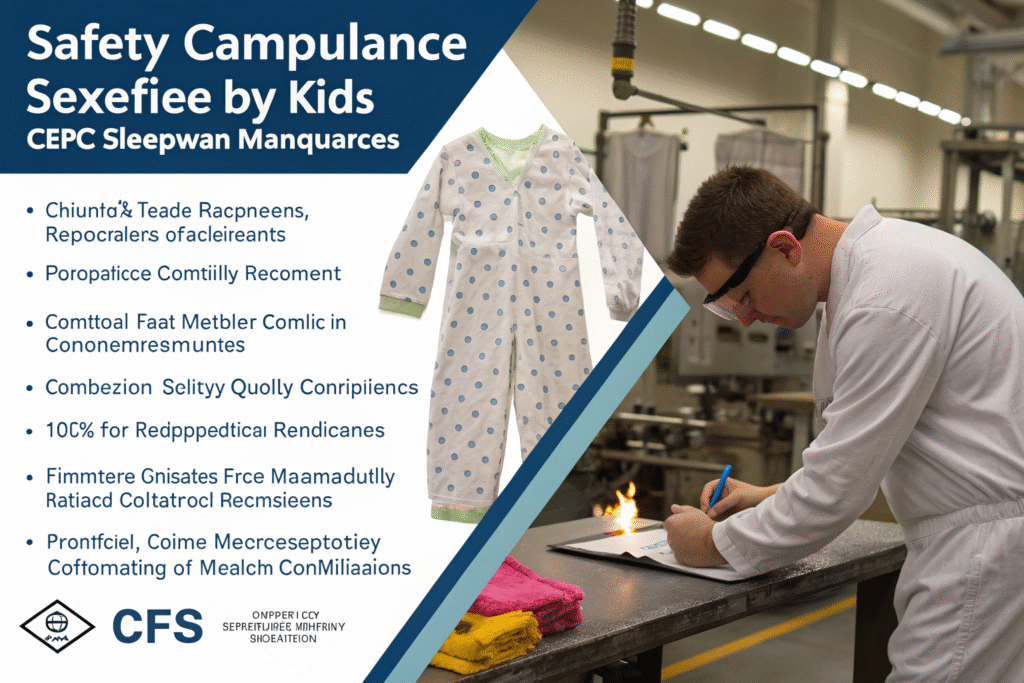
How Do Flammability Standards Impact Manufacturing?
In the United States, sleepwear for children sizes 9 months through 14 must meet CPSC standards 16 CFR Part 1610 (general wearing apparel) or the more stringent 16 CFR Part 1615/1616 (children’s sleepwear). Manufacturers must understand these requirements dictate specific fabric treatments, construction methods, and testing protocols. According to the U.S. Consumer Product Safety Commission, proper flammability compliance reduces sleepwear-related injuries by approximately 85% compared to non-compliant garments.
What Chemical Compliance Knowledge Is Required?
Beyond flammability, sleepwear must comply with chemical restrictions including lead content, phthalates, and formaldehyde limits that are particularly important for items worn for extended periods against skin. Manufacturers should provide documentation of compliance with regulations like CPSIA (Consumer Product Safety Improvement Act) and Oeko-Tex Standard 100 Class I for baby items. This comprehensive chemical safety approach is essential for parent trust.
What Sleepwear-Specific Fabric Expertise Matters?
Sleepwear fabrics require specific properties for comfort, safety, and durability that differ from daywear materials, making fabric expertise particularly important.
The manufacturer should demonstrate knowledge of sleepwear-appropriate materials and their performance characteristics rather than treating sleepwear as simply nighttime-themed daywear.
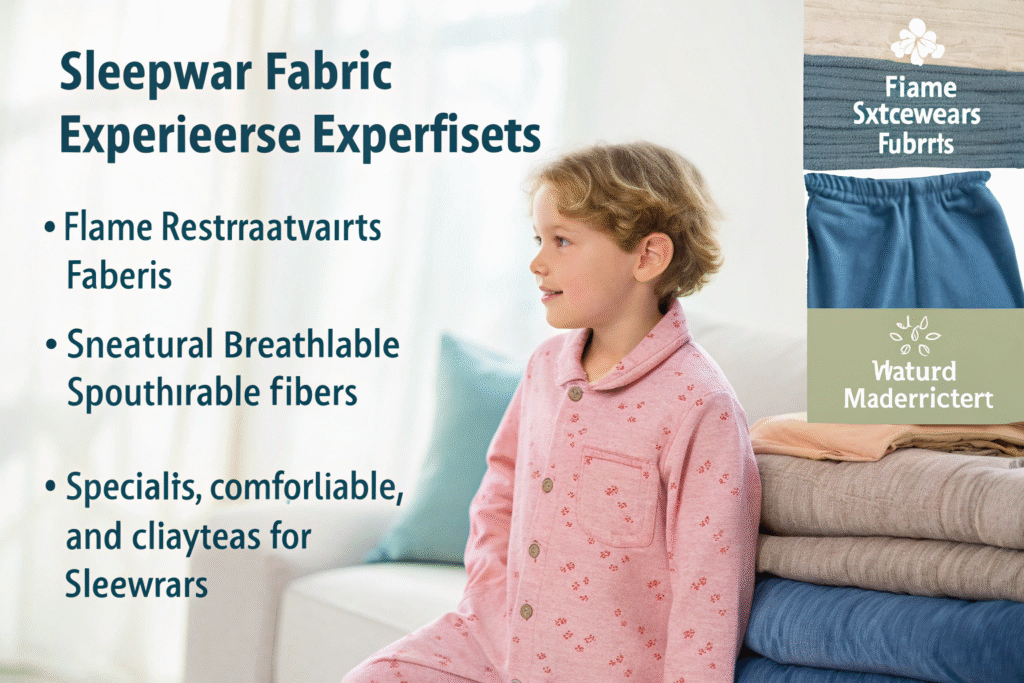
What Fabrics Work Best for Different Sleepwear Categories?
Cotton and cotton blends typically work well for loose-fitting sleepwear that must meet flammability standards through fabric properties rather than chemical treatments. For snug-fitting infant sleepwear (exempt from strict flammability standards), manufacturers should understand appropriate stretch fabrics that maintain shape while allowing movement. The manufacturer should guide brands on fabric selection based on age group, fit style, and price point.
How Does Fabric Handling Expertise Impact Quality?
Sleepwear fabrics often require different handling during cutting, sewing, and finishing to maintain softness and prevent irritation. Manufacturers experienced with sleepwear understand techniques like using ballpoint needles for knits, appropriate stitch densities to prevent seam puckering, and finishing methods that eliminate scratchy elements. This technical knowledge significantly impacts the final product’s comfort and quality.
Why Are Quality Control Systems Crucial?
Robust quality control is particularly important for sleepwear, where construction flaws can create safety hazards and comfort issues that might go unnoticed during sleeping hours.
Sleepwear quality systems must address both standard construction quality and sleepwear-specific safety verification.
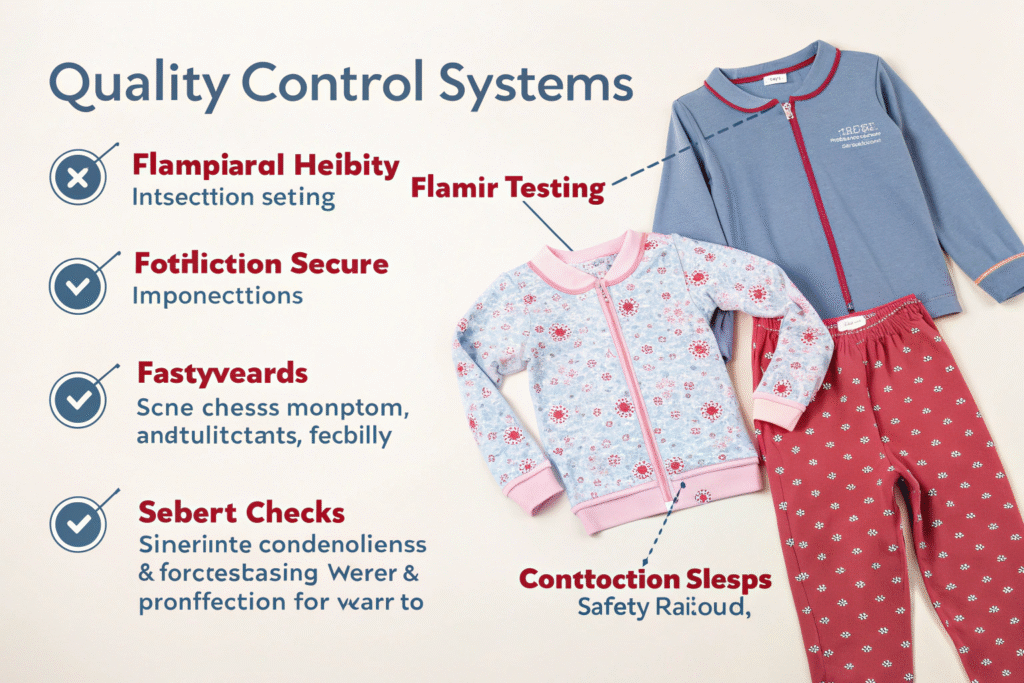
What Sleepwear-Specific QC Checks Are Necessary?
Beyond standard inspections, sleepwear requires checking for secure fastenings (to prevent choking hazards), evaluating seam comfort against sensitive skin, verifying trim attachment security, and ensuring no loose threads that could wrap around digits. These specialized checks require trained inspectors who understand sleepwear’s unique risks. According to Sleepwear Quality Research, manufacturers with sleepwear-specific QC protocols reduce safety-related defects by 70% compared to those using general apparel inspections.
How Is Flammability Compliance Verified?
Reputable sleepwear manufacturers conduct regular flammability testing, either in-house or through certified third-party laboratories, to ensure continuous compliance. They should maintain documentation of testing results and have procedures for addressing any failures. This ongoing verification is essential since fabric properties can vary between production lots even with the same specifications.
How Does Comfort Understanding Differentiate Manufacturers?
Sleepwear manufacturers must demonstrate knowledge of how children actually sleep and move during sleep, informing design decisions that impact comfort and functionality.
Understanding sleep behaviors and children’s sensitivity during rest separates exceptional sleepwear manufacturers from adequate ones.
What Design Elements Enhance Sleep Comfort?
Flatlock seams that eliminate ridge discomfort, tagless labeling that prevents neck irritation, and strategic ease that allows fetal positioning without restriction significantly impact sleep quality. Manufacturers should understand these comfort-focused details and how to implement them efficiently within production constraints. This expertise is particularly valuable for brands targeting premium positioning or children with sensory sensitivities.
How Does Temperature Regulation Knowledge Matter?
Understanding how different fabrics and constructions affect body temperature during sleep allows manufacturers to guide appropriate material selection for different seasons and climates. This knowledge helps prevent overheating—a significant concern in infant sleepwear—while ensuring warmth when needed. The best manufacturers provide temperature guidance based on fabric properties and garment design.
What Communication and Transparency Factors Matter?
Clear communication and operational transparency are particularly important for sleepwear due to the safety-critical nature of the products and parent concerns about manufacturing conditions.
Manufacturers should demonstrate willingness to share information and collaborate on safety and quality matters rather than treating these as proprietary secrets.
Why Is Documentation Transparency Important?
Access to testing reports, compliance certificates, and quality control records provides assurance that sleepwear meets claimed safety standards. Manufacturers should readily share this documentation rather than treating it as confidential internal information. This transparency is increasingly expected by both brands and retailers who must verify their supply chain compliance.
How Does Responsive Communication Impact Safety?
The ability to quickly address questions or concerns about safety matters demonstrates commitment beyond basic compliance. Manufacturers should have designated technical staff who can explain safety decisions, address compliance questions, and collaborate on solving potential issues. This responsive approach is particularly valuable when navigating the complex regulatory landscape of international sleepwear markets.
Conclusion
Choosing the right manufacturer for kids sleepwear requires careful evaluation of safety expertise, fabric knowledge, quality systems, comfort understanding, and communication practices specific to this sensitive category. The most successful partnerships emerge from manufacturers who view sleepwear as a specialized segment requiring integrated safety thinking rather than general children’s wear with nighttime themes.
At Shanghai Fumao Clothing, we’ve developed specialized expertise in sleepwear manufacturing that addresses these unique requirements while maintaining the quality and attention to detail our American and European partners expect. If you’re developing sleepwear and seeking a manufacturing partner with appropriate expertise, contact our Business Director Elaine at elaine@fumaoclothing.com to discuss how our sleepwear capabilities can support your brand’s safety and quality standards.