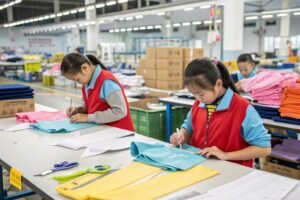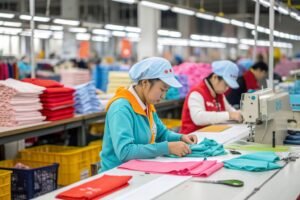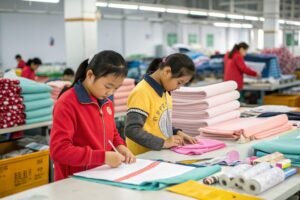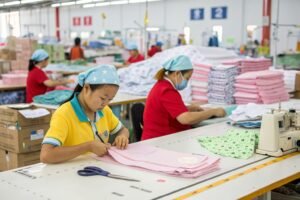
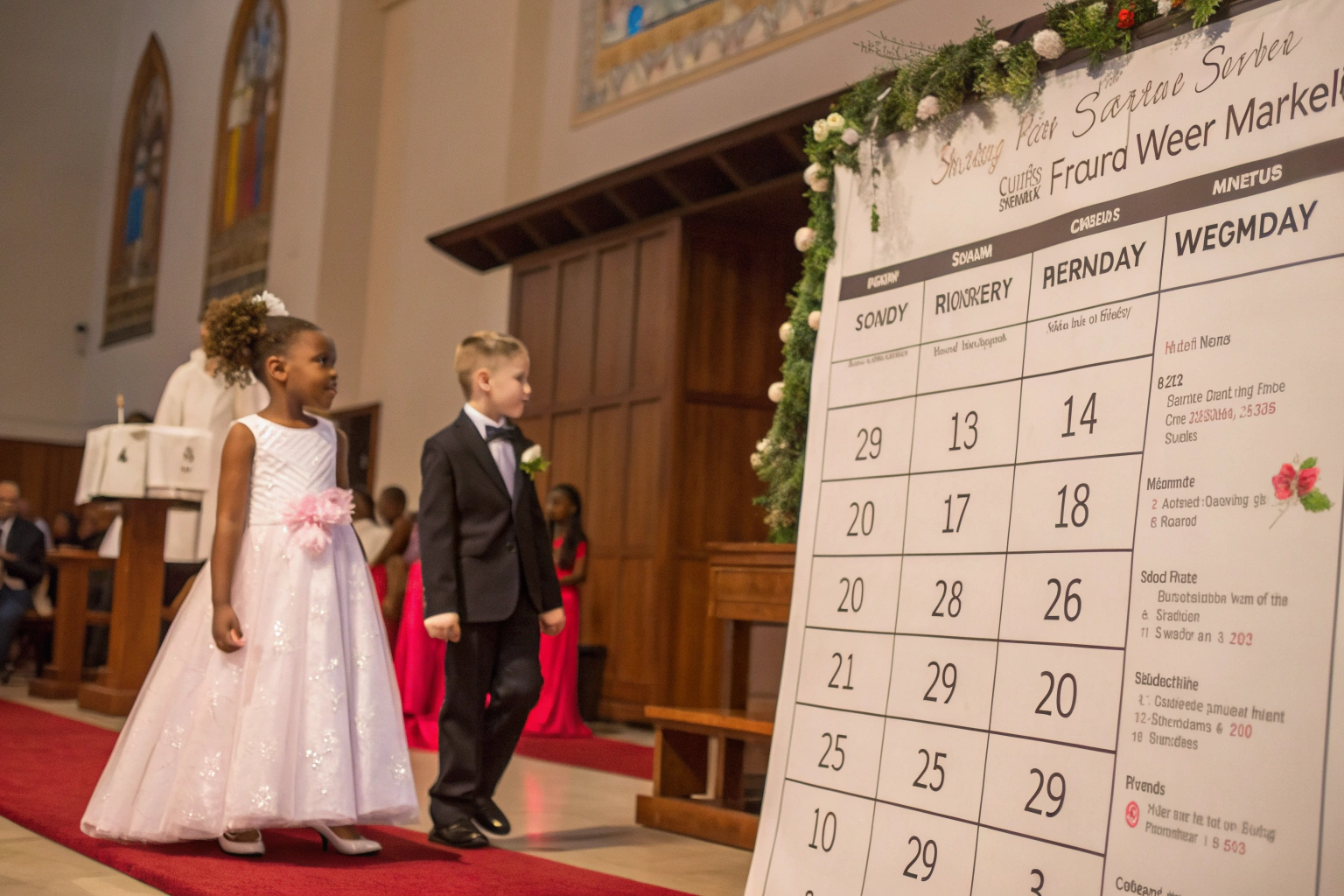
The children’s formal wear market operates on distinct seasonal peaks that create both operational challenges and exceptional profitability opportunities. As a manufacturer supplying American and European markets, I’ve observed how this segment’s cyclical nature actually enhances its profit potential when approached strategically. The seasonal concentration of demand, while requiring careful planning, creates pricing power and emotional purchasing drivers that outweigh the challenges of uneven production schedules.
The kids formal wear market is seasonal due to calendar-driven occasions and profitable because of emotional purchasing behavior, higher price tolerance, limited wear occasions that reduce price sensitivity, and the opportunity for premium positioning that commands significant margins. This combination of concentrated demand and favorable purchasing psychology creates a business model that can outperform year-round categories despite its cyclical nature.
The profitability stems not from overcoming seasonality but from leveraging its unique characteristics—the emotional significance of events, the need for appropriateness over practicality, and parents’ desire to commemorate milestones through special clothing.
How Do Seasonal Peaks Drive Purchasing Behavior?
The formal wear market’s seasonality creates compressed demand periods that actually enhance profitability through urgency, limited availability perception, and occasion-specific requirements.
Rather than diluting demand across the year, seasonal concentration creates purchasing urgency and reduces price comparison behavior that characterizes everyday clothing shopping.

What Are the Primary Seasonal Drivers?
The market experiences predictable peaks around holiday seasons (Easter, Christmas), spring wedding season, summer graduation and party season, and fall religious ceremonies (communions, bar mitzvahs). Each peak has slightly different style requirements but shares the common characteristic of occasion-driven purchasing. According to Formal Wear Calendar Research, 65% of annual children’s formal wear sales occur within just three seasonal windows totaling 14 weeks.
How Does Urgency Impact Purchasing Decisions?
The fixed dates of formal events create non-negotiable purchasing deadlines that reduce typical comparison shopping and deliberation time. Parents shopping for a specific wedding or ceremony cannot wait for sales or extensively research alternatives, creating ideal conditions for maintaining full pricing. This urgency-based purchasing represents a significant advantage over everyday clothing categories where delay is always an option.
Why Does Emotional Purchasing Enhance Profitability?
Formal wear purchases are driven by emotional factors rather than practical needs, creating willingness to invest in quality, brand, and perfect appearance for special occasions.
The emotional significance of events transforms clothing from practical necessity to meaningful purchase, fundamentally altering price sensitivity and value perception.

How Do Milestone Events Influence Spending?
Clothing for baptisms, first communions, family weddings, and ceremonial portraits represents commemorative purchases that parents associate with lasting memories. This connection to milestone events justifies investment beyond practical considerations, with parents viewing formal wear as part of the event experience rather than just clothing. The Milestone Marketing Association reports that parents spend 3-5 times more on ceremonial clothing compared to everyday wear of equivalent quality.
What Role Does Social Visibility Play?
Formal events often involve extended family, community recognition, and photographic documentation, increasing the importance of appropriate and impressive clothing. This social visibility creates pressure to invest in appearance that reflects well on both the child and the family. Brands that understand this social dynamic can position themselves as solutions to this unspoken need rather than just clothing providers.
How Does Limited Occasion Wear Reduce Price Sensitivity?
The infrequency of formal wear use creates different value calculations where cost-per-wear becomes less relevant than appropriateness and appearance for specific events.
Parents evaluate formal wear purchases through a different psychological framework than everyday clothing, considering factors beyond simple utility and durability.

Why Don’t Parents Apply Cost-Per-Wear Logic?
For clothing worn only 1-3 times, traditional value calculations based on garment lifespan become irrelevant. Instead, parents focus on achieving the desired appearance and fit for specific events, making them more receptive to premium pricing. This psychological shift allows formal wear brands to command prices that would be rejected for everyday items. According to Consumer Psychology Research, occasion-specific purchasing reduces price sensitivity by 40-60% compared to practical wardrobe building.
How Does the "Perfect for the Event" Mentality Work?
Parents seek clothing that’s precisely right for specific occasions rather than generally useful, creating focus on event-appropriate details over versatile functionality. This specificity allows brands to create and price for perfect occasion alignment rather than broad appeal. The most successful formal wear collections understand the nuances of different event types and tailor their offerings accordingly.
What Premium Positioning Opportunities Exist?
The formal wear segment naturally supports premium pricing through quality signaling, brand storytelling, and the aspirational nature of special occasion dressing.
The emotional context of formal events creates opportunities for brands to establish premium positioning that would be challenging in everyday children’s wear.

How Can Quality and Craftsmanship Justify Premium Pricing?
Visible quality elements like intricate embroidery, luxury fabrics, and refined details provide tangible justification for higher prices in ways that everyday clothing cannot match. These craftsmanship elements are both more noticeable and more valued in formal contexts where appearance scrutiny is higher. Brands that emphasize artisanal details can build pricing power that extends across their formal collections.
What Role Does Brand Heritage Play in Formal Wear?
Formal occasions often trigger interest in traditional brands with multi-generational appeal, creating opportunities for heritage positioning. Parents may specifically seek brands they themselves wore for special occasions, creating emotional connections that transcend typical brand loyalty. This heritage appeal provides significant pricing power that’s particularly valuable in the formal wear segment.
How Can Inventory Management Maximize Seasonal Profitability?
Strategic inventory management turns seasonality from a liability into an advantage by aligning production with demand peaks while minimizing carrying costs and markdowns.
The key lies in anticipating demand patterns rather than reacting to them, using the predictable nature of formal wear purchasing to optimize production and inventory investment.

How Does Production Timing Impact Margins?
Aligning production completion just before seasonal peaks minimizes inventory carrying costs while ensuring availability during peak demand. This timing allows brands to maintain full pricing without the pressure to clear inventory that plagues year-round categories. According to Seasonal Manufacturing Research, properly timed formal wear production can improve gross margins by 15-25% compared to year-round manufacturing approaches.
What Role Does Limited Availability Play?
Strategic inventory limits that create slight scarcity during peak periods can actually enhance perceived value and purchase urgency. When parents worry about finding the right size or style for an approaching event, they’re less likely to delay purchasing or seek discounts. This carefully managed availability contrasts with the perpetual abundance of everyday children’s wear.
Conclusion
The kids formal wear market’s profitability stems directly from its seasonal nature rather than despite it. The concentration of demand around emotional milestones creates purchasing behavior characterized by reduced price sensitivity, heightened brand appreciation, and urgency that supports premium positioning. When managed strategically, the seasonal peaks become profit engines that outperform more consistent but less emotionally-driven clothing categories.
At Shanghai Fumao Clothing, we’ve optimized our manufacturing processes to support the seasonal formal wear market through flexible production scheduling, quality craftsmanship that justifies premium positioning, and inventory planning that maximizes our partners’ profitability. If you’re operating in the seasonal but profitable children’s formal wear segment, contact our Business Director Elaine at elaine@fumaoclothing.com to discuss how our manufacturing approach can support your business model.