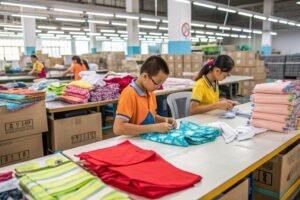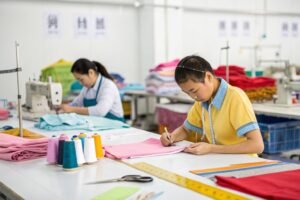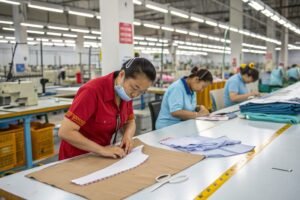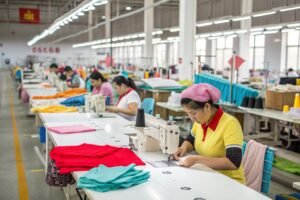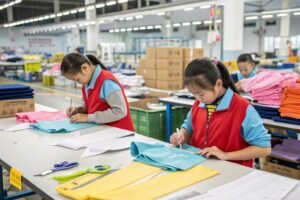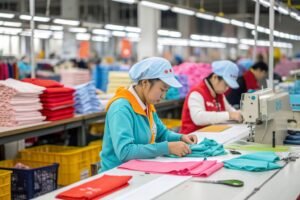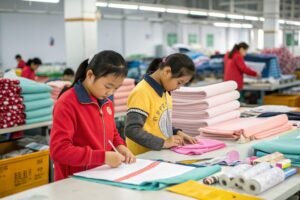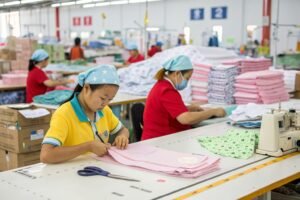
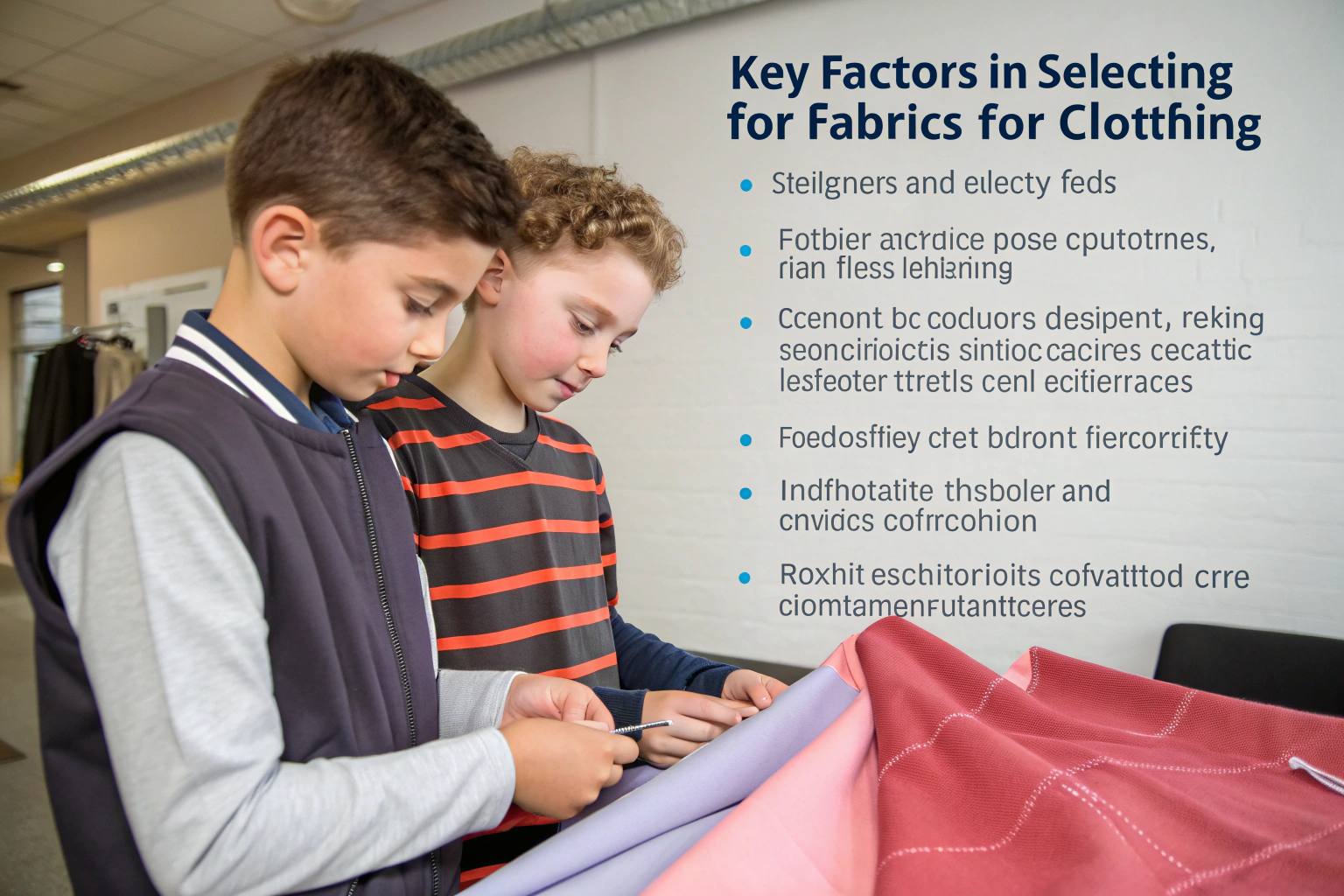
Selecting the right fabrics for children’s clothing involves far more than aesthetic considerations—it requires balancing safety, comfort, durability, and practical care requirements while addressing the unique needs of developing bodies. As a manufacturer supplying American and European children’s wear brands, I’ve participated in countless fabric selection processes that determine not just how clothing looks, but how it performs, wears, and impacts young wearers.
The key factors in kids clothing fabric selection include safety compliance, comfort against sensitive skin, durability for active wear, appropriate functionality for the garment’s purpose, and practical care requirements that fit family lifestyles. These considerations must be balanced against each other, with priority shifting based on the child’s age, the garment’s purpose, and the brand’s positioning.
Successful fabric selection recognizes that children experience clothing differently than adults, with greater sensitivity, more active movement, and specific safety requirements that demand thoughtful material choices.
Why Is Safety the Non-Negotiable Priority?
Fabric safety encompasses chemical compliance, flammability requirements, and physical safety considerations that protect vulnerable young wearers from potential hazards.
Children’s particular vulnerabilities—from sensitive skin to developing respiratory systems—make fabric safety considerations more comprehensive and stringent than adult clothing requirements.

What Chemical Safety Standards Must Be Met?
Children’s fabrics must comply with strict chemical regulations including Oeko-Tex Standard 100, CPSIA (Consumer Product Safety Improvement Act) for the US market, and REACH (Registration, Evaluation, Authorisation and Restriction of Chemicals) for Europe. These standards limit or prohibit heavy metals, formaldehyde, allergenic dyes, and other potentially harmful substances. At our manufacturing facility, we require comprehensive safety documentation for all fabrics before they enter production, with particular attention to items for children under three years.
How Do Flammability Requirements Vary?
Flammability standards are particularly stringent for children’s sleepwear and certain daywear categories, requiring specific fabric treatments or inherent flame resistance. The U.S. Consumer Product Safety Commission mandates that children’s sleepwear must either be made from inherently flame-resistant fabrics or treated with flame retardants that withstand repeated washing. Understanding these flammability requirements is essential for appropriate fabric selection based on garment type and target market.
How Does Comfort Impact Fabric Selection?
Comfort considerations extend beyond basic softness to include breathability, moisture management, temperature regulation, and sensory experience that affect how children feel in their clothing.
Children’s heightened sensory sensitivity and activity levels make comfort factors particularly important in fabric selection decisions.

Why Is Breathability Crucial for Children?
Children’s bodies regulate temperature less efficiently than adults, making breathable fabrics essential for preventing overheating and discomfort. Natural fibers like cotton and linen typically offer superior breathability, while technical synthetics must be engineered for air circulation. The Textile Comfort Institute recommends minimum breathability standards for children’s wear based on activity level and climate considerations.
How Do Sensory Considerations Influence Selection?
Children with developing sensory systems may be particularly sensitive to scratchy tags, stiff fabrics, or irritating seams. Fabric selection should consider not just initial softness but how materials feel during movement and after repeated washing. Our selection process includes sensory testing protocols that evaluate fabrics against common childhood sensitivities, with particular attention to autism-friendly clothing requirements.
What Durability Factors Must Be Considered?
Children’s clothing faces exceptional wear challenges from active play, frequent washing, and rough treatment, making durability a crucial consideration in fabric selection.
Durability encompasses strength, colorfastness, pilling resistance, and shape retention that determine how clothing will withstand real-world childhood use.

How Is Abrasion Resistance Tested?
Martindale rub tests, tensile strength measurements, and seam slippage tests evaluate how fabrics withstand the friction and stress of active play. These tests are particularly important for knees, seats, and elbows where wear is most concentrated. According to Durability Testing Standards, children’s playwear should withstand a minimum of 20,000 rubs on the Martindale scale compared to 10,000 for basic adult clothing.
Why Does Colorfastness Matter?
Children’s clothing requires superior colorfastness to withstand frequent washing, sun exposure, and contact with various substances during play. Fabrics must maintain their appearance through dozens of wash cycles without fading, bleeding, or transferring color. Our quality standards include colorfastness testing that exceeds basic requirements, recognizing that parents expect children’s clothing to maintain its appearance throughout its wearable life.
How Does Functionality Guide Fabric Choice?
The intended use of each garment should directly influence fabric selection, with different activities and contexts requiring specific performance characteristics.
Functional considerations include stretch, weight, weather protection, and special features that make clothing appropriate for its specific purpose.

What Role Does Stretch Play in Functionality?
Appropriate stretch and recovery allow freedom of movement for active children while maintaining garment shape. The amount and type of stretch needed varies by garment—playwear requires four-way stretch, while school uniforms might need minimal stretch for neat appearance. Understanding stretch requirements by garment type ensures selection of fabrics with appropriate elasticity and recovery properties.
How Should Weight and Drape Be Considered?
Fabric weight affects both comfort and functionality—lightweight fabrics work for summer wear and layering, while heavier materials provide structure and warmth. Drape determines how fabric moves on the body, affecting both aesthetics and comfort during activity. These considerations must align with the garment’s purpose, season, and desired silhouette.
What Care Requirements Influence Selection?
Practical care considerations significantly impact fabric selection, as parents prioritize easy-care options that fit busy lifestyles and multiple-child households.
Care requirements include washing temperature, drying method, ironing needs, and special handling that affect whether fabrics are practical for family use.

Why Are Easy-Care Fabrics Preferred?
Parents overwhelmingly prefer machine-washable, tumble-dry fabrics that require minimal ironing or special treatment. Fabrics that shrink, wrinkle excessively, or require dry cleaning see limited adoption in children’s wear regardless of other desirable properties. According to Family Lifestyle Research, 85% of parents prioritize easy care over aesthetic considerations when selecting children’s clothing.
How Do Stain Resistance Features Impact Selection?
Stain-resistant finishes, dark colors that hide stains, and patterns that camouflage spills are practical considerations for children’s clothing. While not replacing the need for cleaning, these features extend wearable time between washes and maintain appearance despite inevitable childhood messes. These practical benefits often outweigh purely aesthetic considerations in everyday children’s wear.
Conclusion
Selecting fabrics for children’s clothing requires balancing multiple factors with the understanding that children have unique needs that differ from adult wearers. The most successful approaches prioritize safety and comfort while ensuring durability, functionality, and practical care requirements align with real-world family life.
At Shanghai Fumao Clothing, we’ve developed comprehensive fabric selection protocols that address all these factors, drawing on our experience manufacturing children’s wear for American and European markets with their specific safety standards and performance expectations. If you’re developing children’s wear and need guidance on fabric selection, contact our Business Director Elaine at elaine@fumaoclothing.com to discuss how our expertise can support your product development process.