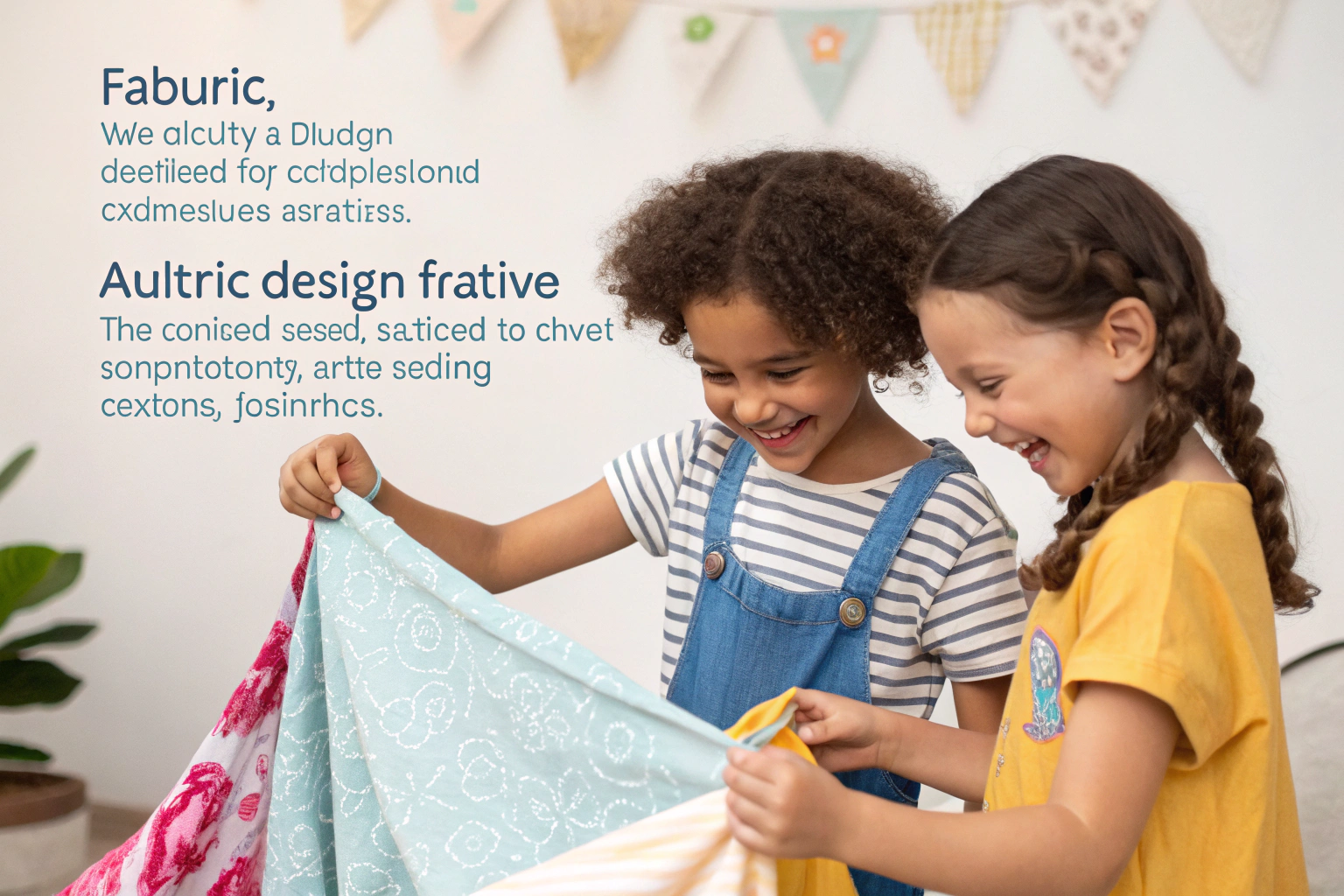
Creating a children’s clothing brand that genuinely resonates with young audiences requires understanding that today’s children are sophisticated consumers with distinct preferences, emerging personal style, and significant influence over family purchasing decisions. As a manufacturer who has helped launch numerous successful children’s wear brands in American and European markets, I’ve identified key strategies that transform clothing from mere garments into beloved possessions that children actively request and enjoy wearing.
Creating a kids clothing brand that children love involves understanding their perspective, incorporating playful elements they value, enabling personal expression, ensuring genuine comfort, and building emotional connections through storytelling and engagement. The most successful approaches recognize that children want clothing that makes them feel capable, expresses their emerging identity, and connects with their interests and imagination.
Winning children’s affection requires moving beyond what adults think children should wear to understanding what children actually want to wear—a distinction that separates merely functional clothing from truly beloved brands.
How Can You Understand the Child’s Perspective?
Seeing clothing through children’s eyes requires recognizing that their priorities, sensory experiences, and values often differ dramatically from adult perspectives on fashion and functionality.
Children prioritize different aspects of clothing than adults, focusing on elements that support their play, independence, and social connections rather than abstract style concepts or long-term value.

What Do Children Actually Value in Clothing?
Research from the Child Consumer Research Institute shows that children ages 4-12 prioritize comfort (89%), ease of dressing (76%), pockets for treasures (68%), and character/color preferences (82%) over style considerations that adults emphasize. Children also value clothing that helps them fit in with peers while allowing some individual expression—a delicate balance that successful brands navigate skillfully. Understanding these authentic priorities informs design decisions that genuinely resonate with young wearers.
How Can You Incorporate Child Feedback Meaningfully?
Establishing ongoing feedback channels with children through focus groups, wear-testing programs, and interactive social media engagement provides invaluable insights into their preferences. The most successful brands create systems where children’s opinions directly influence design decisions, color selections, and even marketing approaches. At Fumao, we’ve helped brands implement child feedback protocols that respectfully incorporate young perspectives throughout the development process.
What Playful Elements Create Emotional Connections?
Playful design elements transform clothing from utilitarian items into sources of joy and imagination that children actively anticipate wearing and showing to friends.
Integrating surprise, discovery, and interactive components creates emotional connections that transcend basic apparel functionality, making clothing part of children’s play and self-expression.

How Do Hidden Details Enhance Engagement?
Secret pockets, reversible garments, hidden patterns, or color-changing elements create discovery moments that children love sharing with friends. These features provide ongoing engagement beyond the initial purchase, as children continue finding new aspects to enjoy. The most beloved brands understand that these playful touches often become the most discussed features among young wearers, creating organic word-of-mouth promotion.
What Role Does Imagination Play in Design?
Clothing that sparks imaginative play—whether through thematic elements, character integration, or transformative features—becomes part of children’s creative worlds rather than just background items. This might include capes that transform into superheroes, dresses with twirl-friendly skirts, or tops with textures that inspire storytelling. According to Play Research Institute, clothing integrated into imaginative play sees 45% higher request rates from children compared to basic alternatives.
How Can Clothing Enable Personal Expression?
Children use clothing as one of their earliest tools for self-expression, making brands that facilitate individuality particularly appealing to young audiences developing personal identity.
Providing mix-and-match possibilities, customization options, and style variety allows children to experiment with self-presentation and develop their unique aesthetic preferences.

Why Do Mix-and-Match Systems Appeal to Children?
Coordinated separates systems allow children to create multiple outfits from limited pieces, providing both creative satisfaction and practical variety. These systems empower children to make daily dressing decisions while ensuring combinations work harmoniously. Brands that successfully implement modular clothing systems typically see higher engagement and purchase frequency as children request additional pieces to expand their combination possibilities.
How Can Customization Foster Ownership?
Options for personalization—whether through choose-your-color features, add-on components, or limited customization—create stronger emotional connections by making garments feel uniquely theirs. Even simple customization like selecting from multiple colorways or adding removable patches allows children to feel co-creators of their style rather than passive recipients of adult choices. This participation dramatically increases garment appreciation and care.
What Role Does Genuine Comfort Play?
Comfort represents a non-negotiable foundation for children’s clothing love, with physical comfort directly impacting children’s willingness to wear and enjoy specific garments.
Children quickly reject clothing that feels restrictive, itchy, or uncomfortable regardless of its visual appeal, making comfort engineering essential for brand success.

How Do Sensory Considerations Impact Preference?
Children with developing sensory systems are particularly sensitive to scratchy tags, stiff fabrics, tight elastic, and bulky seams. Addressing these sensory concerns through tagless labeling, ultra-soft materials, and flatlock seams significantly increases wearer satisfaction. Our manufacturing includes sensory-friendly protocols specifically for children’s wear, recognizing that comfort details often determine whether clothing becomes favorites or rejects.
Why Does Movement Freedom Matter?
Clothing that restricts natural movement—whether through tight armholes, insufficient crotch ease, or non-stretch fabrics—quickly falls out of favor with active children. Designs that accommodate running, climbing, sitting, and stretching without adjustment or discomfort become preferred choices for daily wear. The most loved brands prioritize mobility in their pattern engineering and fabric selection.
How Can Storytelling Build Brand Connection?
Narrative elements woven throughout clothing collections and brand communications create emotional hooks that help children form stronger attachments to the brand beyond individual garments.
Storytelling transforms clothing from disposable items into meaningful possessions connected to larger narratives that capture children’s imagination.

What Role Do Characters and Themes Play?
Original characters, thematic collections, and ongoing narratives give children reasons to care about new releases and complete collections. These elements create anticipation beyond basic wardrobe needs and encourage emotional investment in the brand’s world. According to Narrative Marketing Research, children form 70% stronger brand recall when clothing connects to engaging stories rather than standing as isolated items.
How Can Packaging Extend the Experience?
Thoughtful packaging, hangtags with story elements, and unexpected unboxing experiences extend brand engagement beyond the clothing itself. These touches demonstrate that the brand understands and values the child’s perspective, building affinity that transcends the practical clothing function. The most beloved brands create comprehensive experiences that make children feel recognized and special.
Conclusion
Creating a kids clothing brand that children genuinely love requires shifting perspective from what adults think children should wear to understanding what children actually want to wear. The most successful approaches combine child-centered design, playful elements, expression opportunities, genuine comfort, and engaging storytelling to create clothing that children actively request, enjoy wearing, and incorporate into their identity formation.
At Shanghai Fumao Clothing, we’ve helped numerous brands develop children’s wear that wins young hearts by manufacturing with attention to the details children actually care about—from comfortable construction to playful elements that spark joy. If you’re looking to create a brand that children will love, contact our Business Director Elaine at elaine@fumaoclothing.com to discuss how our child-focused manufacturing expertise can support your vision.