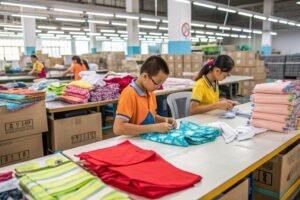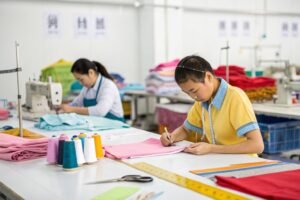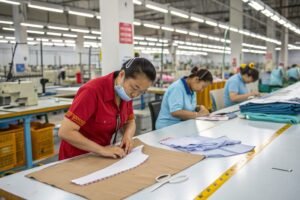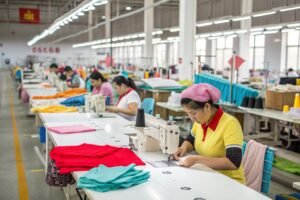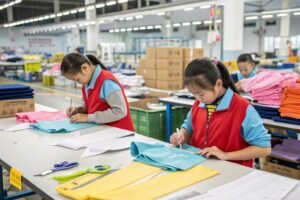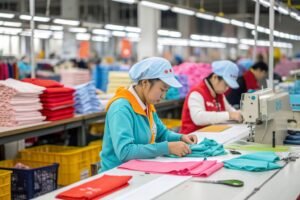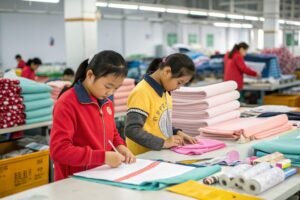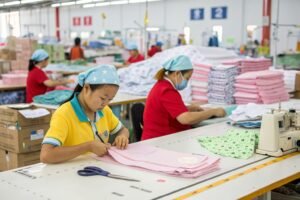
If your child experiences skin irritation, redness, or discomfort from their clothing, you’re likely searching for fabric solutions that provide comfort without compromising on durability or style. As a manufacturer specializing in children’s wear for sensitive markets, I’ve helped numerous American and European brands develop clothing lines that address the growing concern of childhood skin sensitivities while meeting practical parenting needs.
The best fabrics for children with sensitive skin are organic cotton, bamboo viscose, Tencel™, silk, and certain specialized synthetic blends that prioritize breathability, minimal chemical treatment, and smooth texture. These materials reduce irritation through their natural properties and manufacturing processes designed to minimize skin contact with potential irritants.
Choosing the right fabric involves understanding both the fiber properties and the manufacturing processes that determine how these materials interact with delicate skin. The optimal selection balances comfort, functionality, and practical care requirements that busy parents face.
Why Is Organic Cotton the Gold Standard?
Organic cotton consistently ranks as the top choice for children with sensitive skin due to its natural properties, widespread availability, and proven track record for gentle wear.
Unlike conventional cotton, organic cotton is grown without synthetic pesticides and processed without harsh chemicals, retaining the fiber’s natural softness and breathability while eliminating potential irritants from agricultural and manufacturing processes.

What Makes Organic Cotton Production Different?
Organic cotton farming prohibits synthetic pesticides and fertilizers, while manufacturing avoids chlorine bleaching and heavy metal dyes that can remain in fabrics and irritate skin. The Global Organic Textile Standard certification ensures compliance throughout the supply chain, providing assurance that fabrics meet strict chemical safety requirements. At our facility, we source GOTS-certified organic cotton that documents every processing stage from field to finished fabric.
How Does Organic Cotton Benefit Sensitive Skin?
The natural hollow fiber structure of cotton allows air circulation that reduces moisture buildup, while the absence of chemical residues minimizes potential reactions. Unlike some synthetic fibers, cotton doesn’t generate static electricity that can irritate skin. Our quality testing shows that properly processed organic cotton maintains a pH level close to skin’s natural balance, further reducing irritation potential for children with eczema or other skin conditions.
What Are the Advantages of Bamboo Viscose?
Bamboo viscose offers exceptional softness and natural antibacterial properties that benefit children with sensitive skin, though understanding its manufacturing process is crucial for informed selection.
This regenerated cellulose fiber provides a silky texture that feels gentle against skin while offering practical benefits for active children and concerned parents.

How Is Bamboo Viscose Processed for Sensitivity?
Quality bamboo viscose uses closed-loop processing that recycles solvents and minimizes environmental impact while creating exceptionally pure fiber. The best manufacturers employ processing methods that maintain bamboo’s natural properties while ensuring no harsh chemicals remain in the final fabric. We partner with mills that specialize in environmentally responsible viscose production specifically for children’s wear, verifying their processing methods through independent certification.
What Performance Benefits Does Bamboo Offer?
Bamboo viscose’s smooth, round fiber structure creates less friction against skin than some natural fibers, while its natural breathability helps regulate temperature. The fiber’s microscopic gaps enhance moisture-wicking capabilities, pulling dampness away from skin where it can cause irritation. These properties make bamboo particularly suitable for children who experience heat-related eczema flare-ups or discomfort from perspiration.
How Do Specialty Fibers Like Tencel™ and Silk Help?
Advanced cellulose fibers and natural protein fibers offer unique benefits for children with significant skin sensitivities, though they often come at higher price points that reflect their specialized properties.
These premium fibers provide exceptional smoothness and biocompatibility that can benefit children with moderate to severe skin conditions when budget allows.

What Makes Tencel™ Lyocell Unique?
Tencel™ lyocell, produced from sustainably sourced wood pulp using closed-loop processing, offers exceptional smoothness and moisture management properties. The fiber’s nanofibril structure creates a particularly smooth surface that reduces friction, while its high moisture absorption capacity exceeds that of cotton. The Lenzing Group provides detailed documentation of Tencel’s skin-friendly properties, including its certification as a skin-safe fiber by independent dermatological institutes.
When Is Silk Appropriate for Sensitive Skin?
Silk’s natural protein structure closely resembles human skin, making it exceptionally biocompatible for children with severe sensitivities. The smooth filament fibers minimize friction, while silk’s temperature regulation properties provide comfort across varying conditions. However, parents should note that silk requires special care and may not be practical for everyday wear or particularly active children.
What Manufacturing Processes Enhance Fabric Safety?
Beyond fiber selection, manufacturing processes significantly impact a fabric’s suitability for sensitive skin through finishing treatments, dye selection, and construction methods.
The gentlest natural fiber can become irritating if processed with harsh chemicals or constructed in a way that creates friction or pressure points.

Why Do Finishing Treatments Matter?
Mechanical finishing processes like brushing and sanding can enhance softness without chemicals, while enzyme washing creates smoothness naturally. Conversely, permanent press treatments, stain resistance coatings, and certain waterproofing treatments can introduce formaldehyde and other potential irritants. Our manufacturing approach prioritizes mechanical finishing methods that enhance comfort without chemical treatments, particularly for our sensitive skin clothing lines.
How Does Construction Impact Comfort?
Seam placement, stitch types, and label applications significantly impact how clothing feels against sensitive skin. Flatlock seams eliminate interior ridges that can chafe, while printed labels replace scratchy woven ones. Our patterns for sensitive skin collections specifically address comfort-driven construction through raglan sleeves, tagless labeling, and seamless construction where appropriate to minimize potential irritation points.
Conclusion
Selecting the best fabrics for children with sensitive skin involves considering fiber properties, manufacturing processes, and practical wearability factors. The optimal choice often combines the natural benefits of fibers like organic cotton or bamboo with manufacturing methods that preserve these properties while eliminating potential irritants.
At Shanghai Fumao Clothing, we’ve developed specialized expertise in producing children’s wear for sensitive skin, working with American and European brands to create clothing that addresses both comfort needs and practical parenting requirements. If you’re developing a children’s collection that prioritizes skin-friendly materials, contact our Business Director Elaine at elaine@fumaoclothing.com to discuss how our manufacturing capabilities can support your specific fabric and construction requirements.