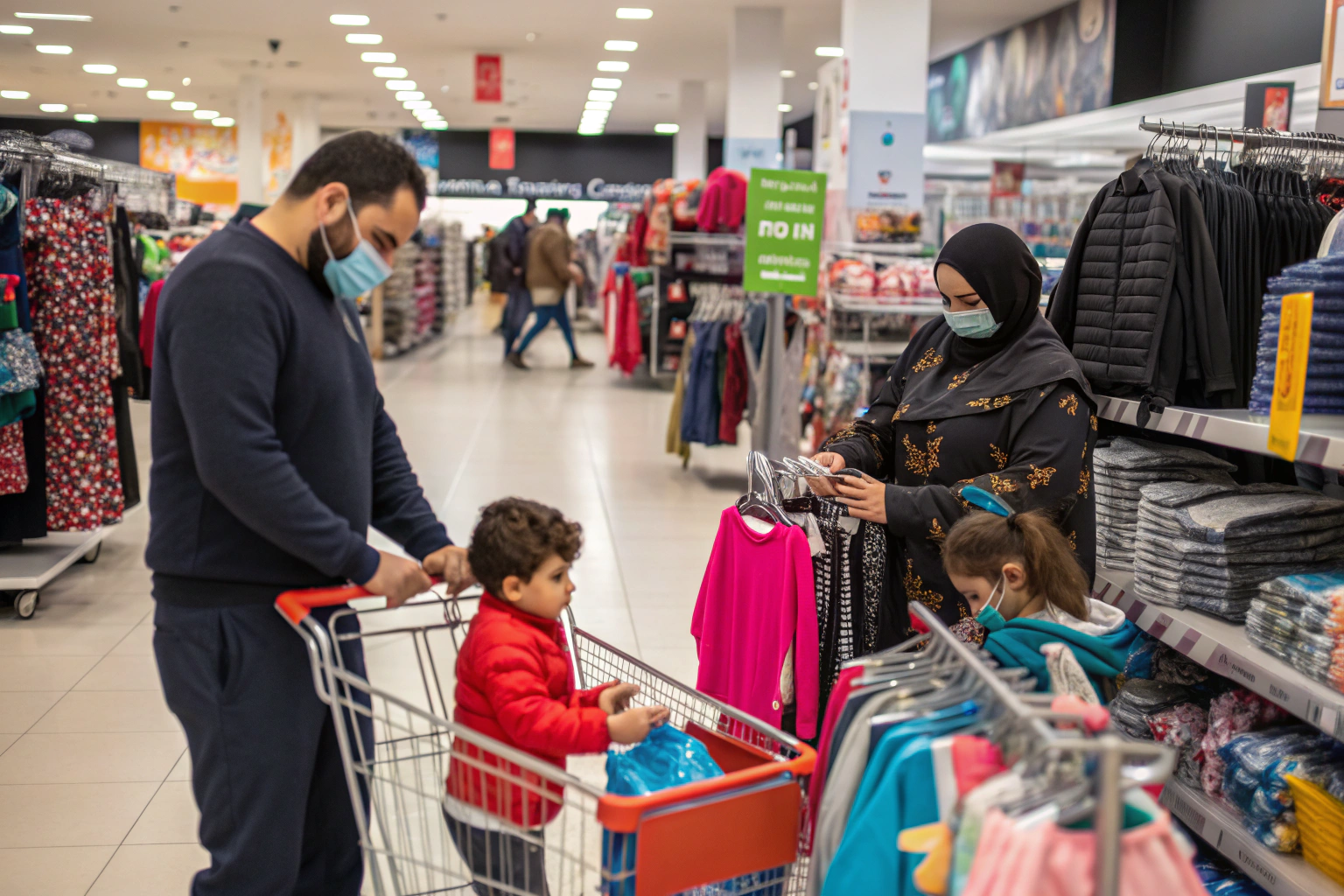
If you’ve been monitoring retail performance during recent economic fluctuations, you may have noticed an intriguing pattern: children’s wear often demonstrates remarkable resilience when other fashion segments struggle. As a manufacturer serving American and European children’s brands through various economic cycles, I’ve observed firsthand how this market maintains stability when consumer spending tightens.
The kids clothing market demonstrates greater economic resilience due to the essential nature of children’s wear, continuous growth requirements, gift-driven purchasing patterns, and parents’ willingness to prioritize children’s needs over their own. These factors create a stable demand foundation that persists even during challenging economic periods.
While luxury fashion and adult discretionary apparel often experience significant sales declines during downturns, children’s wear typically maintains more consistent performance. Understanding why this occurs provides valuable insights for brands navigating uncertain economic landscapes.
How Do Essential Needs Drive Consistent Demand?
Children’s clothing represents a non-discretionary purchase category because of practical necessities like rapid growth, wear and tear, and specific occasion requirements that continue regardless of economic conditions.
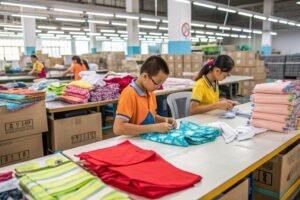
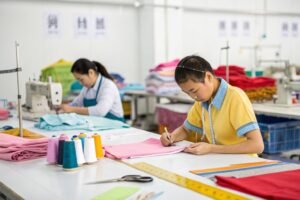
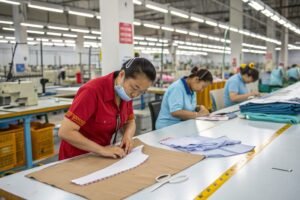
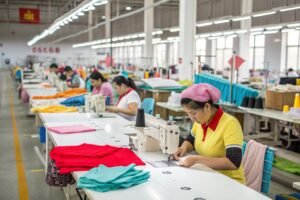
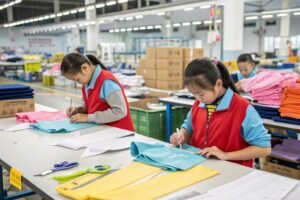
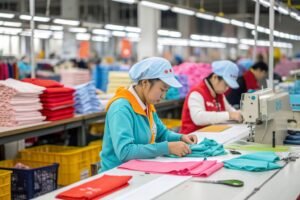
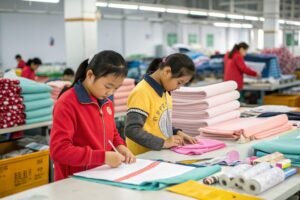
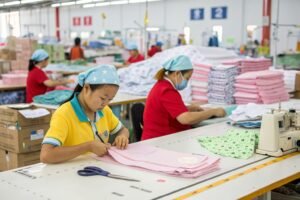
Unlike adult fashion where purchases can be deferred during financial uncertainty, children constantly outgrow clothing and require size replacements. This creates a consistent replacement cycle that sustains market demand even when consumers reduce discretionary spending. At our manufacturing facility, we’ve maintained steady production volumes during economic downturns while other apparel segments experienced significant reductions.

Why Does Growth Outpace Wear?
Children’s physiological development creates unavoidable clothing replacement cycles that sustain market demand. The average child progresses through three to four sizes annually during early years, creating consistent replacement needs regardless of economic conditions. According to Child Development Research, growth patterns continue steadily despite economic fluctuations, maintaining baseline clothing demand. This biological reality provides children’s wear with a stability foundation that discretionary categories lack.
How Do Practical Needs Override Economic Concerns?
School requirements, seasonal changes, and activity-specific clothing create mandatory purchasing occasions that parents prioritize even during financial constraints. Our brand partners consistently report that back-to-school collections, winter essentials, and specialty sportswear maintain stronger sales consistency during downturns compared to discretionary fashion categories. This practical necessity creates a demand floor that protects children’s wear from the severe sales declines experienced by more discretionary segments.
What Role Do Emotional Spending Priorities Play?
Parents’ psychological tendency to prioritize children’s wellbeing over their own comfort creates a protective buffer for children’s wear during economic challenges.
The emotional driver of putting children first manifests in continued investment in children’s clothing even when adults reduce personal fashion spending. This psychological priority creates a redistribution of family clothing budgets that favors children’s wear during constrained financial periods.

Why Do Parents Sacrifice Personal Spending?
Psychological research consistently shows that parents instinctively prioritize children’s needs during resource scarcity. This behavior pattern creates a natural protection for children’s product categories during economic downturns. Studies from the Family Economic Research Institute indicate that families typically reduce adult clothing expenditures by 25-30% before significantly cutting children’s clothing budgets. This sequential reduction provides children’s wear with a secondary buffer after essential needs.
How Does Gift Culture Sustain Demand?
The tradition of gifting clothing for children during holidays, birthdays, and special occasions creates additional demand streams less susceptible to economic pressures. Grandparents, relatives, and family friends continue gift-giving traditions even during tight economic periods, often maintaining their contribution to children’s clothing purchases. Our sales data shows consistent gift-driven purchasing patterns during holiday seasons regardless of economic conditions, providing another stabilization layer for the children’s wear market.
What Market Dynamics Provide Additional Stability?
The children’s wear market benefits from structural characteristics that naturally dampen economic volatility and create more predictable demand patterns.
Several industry-specific factors including price point diversity, multi-generational purchasing, and basic product requirements contribute to the segment’s economic resilience. These dynamics create a more stable business environment than many other fashion categories experience.

How Does Price Point Diversity Protect the Market?
The children’s wear segment spans from budget-friendly basics to premium specialty items, allowing consumers to trade across price points without leaving the category. During economic challenges, parents may shift from premium to mid-market brands or from specialty retailers to mass merchants, but they continue purchasing children’s clothing. This price point flexibility creates demand retention that protects overall market volume even when average transaction values decrease.
What Role Do Multi-Generational Purchasers Play?
Children’s wear benefits from purchasing contributions across multiple generations, diversifying the economic impact on any single demographic. While parents may be affected by job uncertainty or reduced income, grandparents often maintain more stable financial positions and continue their clothing contributions. This multi-generational purchasing ecosystem spreads economic exposure across different age cohorts with varying financial vulnerabilities, creating natural demand stabilization.
How Do Seasonal and Replacement Cycles Create Consistency?
Predictable purchasing patterns driven by seasonal requirements and growth-based replacement needs create a consistent business rhythm that withstands economic pressure.
The children’s wear market operates on reliable cycles that generate consistent demand peaks throughout the year, providing manufacturers and retailers with predictable workflow and inventory planning advantages.

Why Do Seasonal Transitions Drive Consistent Purchasing?
Back-to-school, winter preparation, and summer seasonal requirements create non-negotiable purchasing occasions that maintain their timing and necessity regardless of economic conditions. Our manufacturing planning cycles show remarkable consistency in these seasonal demand patterns across economic cycles, with order volumes for seasonal essentials maintaining greater stability than discretionary fashion categories. This predictability provides manufacturers with clearer production planning visibility.
How Does Growth Timing Create Predictable Demand?
Children’s growth patterns, while individual, create statistically predictable sizing requirements across population segments. This allows manufacturers and retailers to forecast replacement demand with reasonable accuracy. The Children’s Wear Forecasting Association has documented how growth-based replacement cycles create measurable demand consistency that helps the industry weather economic downturns with greater stability than more trend-dependent fashion segments.
Conclusion
The children’s wear market’s relative immunity to economic downturns stems from powerful practical necessities, emotional priorities, and structural dynamics that maintain demand even during challenging financial periods. This resilience provides manufacturers and retailers with more stable business foundations while offering brands opportunities for consistent growth despite broader economic headwinds.
At Shanghai Fumao Clothing, we’ve built our manufacturing business around understanding these market stabilizers, developing production systems that leverage this inherent stability while maintaining flexibility to adapt to changing consumer behaviors within the children’s wear sector. If you’re looking for a manufacturing partner with proven stability through economic cycles, contact our Business Director Elaine at elaine@fumaoclothing.com to discuss how our approach can support your brand’s consistent performance.