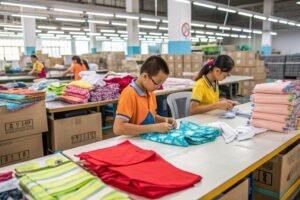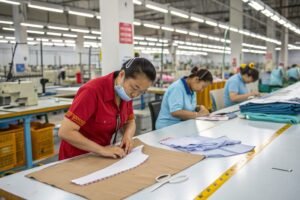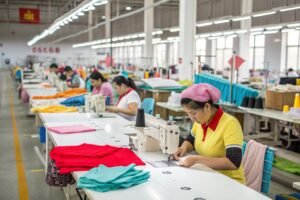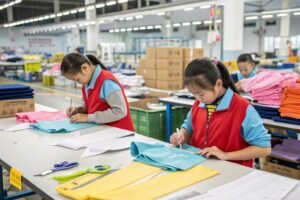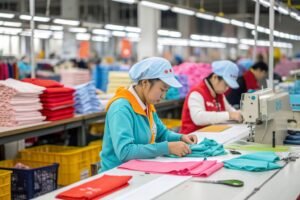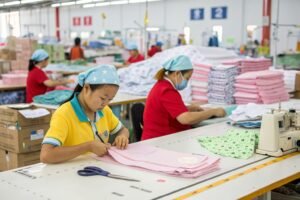

Selecting the right materials for children’s swimwear involves balancing durability, comfort, safety, and environmental considerations. As a manufacturer specializing in children’s activewear, I’ve tested numerous fabrics to identify which ones truly stand up to the unique demands of children’s water activities while protecting their sensitive skin and our planet.
The best materials for kids swimwear are chlorine-resistant polyester, recycled nylon (ECONYL®), spandex blends with UPF protection, and innovative bio-based fabrics. These materials offer superior durability, quick-drying properties, sun protection, and environmental benefits while maintaining comfort and freedom of movement for active children.
The ideal swimwear fabric must withstand chlorine, saltwater, sun exposure, and vigorous activity while being gentle on children’s skin. Let’s explore the specific materials that meet these challenging requirements.
What performance characteristics matter most?
Children’s swimwear demands specific performance characteristics that differ significantly from regular clothing or even adult swimwear. Understanding these requirements helps identify which materials will deliver the best experience for both children and parents.
Key performance characteristics include chlorine resistance, quick-drying capability, UV protection, stretch recovery, and colorfastness. Each characteristic addresses specific challenges children encounter during water activities.

Why is chlorine resistance crucial for durability?
Chlorine resistance is crucial because traditional swimwear fabrics deteriorate quickly when exposed to pool chemicals, leading to fading, stretching, and fabric breakdown. Chlorine attacks elastane fibers (spandex/Lycra) that provide stretch, causing them to lose elasticity and become brittle. According to ASTM International testing standards, chlorine-resistant fabrics like polyester maintain their integrity 5-10 times longer than non-treated materials in chlorinated environments. This extended lifespan is particularly important for children’s swimwear, which typically sees frequent use throughout swimming seasons and often gets passed between siblings. Chlorine-resistant materials also prevent the uncomfortable stiffening and shrinking that occurs when regular fabrics react with pool chemicals.
How does quick-drying capability prevent discomfort?
Quick-drying capability prevents discomfort by reducing the time children spend in wet, heavy swimwear that can cause chafing, skin irritation, and temperature regulation issues. Materials with low water absorption and high wicking properties move moisture away from the skin and facilitate rapid evaporation. The table below compares drying times for common swimwear materials:
| Material | Average Drying Time | Water Absorption | Comfort Level |
|---|---|---|---|
| Polyester | 15-20 minutes | Very low | Excellent |
| Nylon | 20-25 minutes | Low | Very good |
| Cotton Blends | 45-60 minutes | Very high | Poor |
| Recycled PET | 15-20 minutes | Very low | Excellent |
Research from Textile Research Journal indicates that quick-drying fabrics significantly reduce skin maceration and irritation, particularly important for children’s sensitive skin. This feature also makes swimwear more practical for families moving between water activities and other adventures.
What synthetic materials dominate the market?
Synthetic materials dominate the children’s swimwear market due to their superior performance characteristics, though not all synthetics are created equal. Understanding the differences between these materials helps parents and brands make informed choices.
The most common synthetic materials include polyester, nylon, and spandex blends, each offering distinct advantages for different swimming environments and activity levels.

Why is polyester the most popular choice?
Polyester is the most popular choice for children’s swimwear because it offers exceptional chlorine resistance, colorfastness, and durability at a reasonable cost. Unlike nylon, which degrades quickly in chlorinated water, polyester maintains its structural integrity and color vibrancy through repeated exposure to pool chemicals. According to Swimwear Manufacturers Association data, polyester swimwear lasts 2-3 times longer than nylon equivalents in chlorinated pools. Modern polyester fabrics have also evolved beyond the stiff, uncomfortable textures of earlier generations, with many now offering soft hand feels and excellent four-way stretch. Additionally, polyester’s low water absorption (typically 0.4-0.8% compared to nylon’s 4-6%) means it doesn’t become heavy when wet, allowing children to move freely without being weighed down by water-logged fabric.
How has recycled nylon revolutionized sustainable swimwear?
Recycled nylon, particularly ECONYL® regenerated nylon, has revolutionized sustainable swimwear by offering performance comparable to virgin nylon while dramatically reducing environmental impact. ECONYL® is made from recycled fishing nets, fabric scraps, and industrial plastic that would otherwise pollute oceans and landfills. The ECONYL® regeneration process reduces the global warming impact of nylon by up to 90% compared with material from oil while maintaining the same quality and performance standards. For children’s swimwear, this means parents can choose environmentally responsible options without compromising on the softness, stretch recovery, and color brilliance that nylon provides. The material’s excellent UPF (Ultraviolet Protection Factor) properties also make it ideal for protecting children’s delicate skin from sun exposure during water activities.
What natural and innovative alternatives are emerging?
While synthetic materials dominate performance swimwear, several natural and innovative alternatives are emerging that offer unique benefits for children with sensitive skin or families prioritizing natural materials.
Emerging alternatives include bio-based fabrics, wool blends, and advanced cellulose fibers that combine environmental benefits with performance characteristics approaching those of synthetics.

Can bio-based fabrics compete with synthetics?
Bio-based fabrics are increasingly competing with synthetics by offering comparable performance with significantly reduced environmental impact. Materials like Bio-based Spandex derived from corn sugar and plant-based polyesters are emerging as viable alternatives to petroleum-based synthetics. While these materials currently represent a small percentage of the market, they’re gaining traction among eco-conscious parents who want swimwear that performs well without relying on fossil fuels. The performance gap is narrowing rapidly, with recent advancements allowing bio-based fabrics to achieve 80-90% of the chlorine resistance and stretch recovery of traditional synthetics. For children with extreme chemical sensitivities or families committed to reducing their petroleum consumption, these bio-based options provide a compelling alternative that continues to improve with each season.
What role does wool play in specialized swimwear?
Wool plays a specialized role in swimwear for children with sensitive skin or those swimming in cold water environments. Merino wool’s natural temperature regulation, odor resistance, and quick-drying properties make it suitable for certain swimming conditions, particularly in natural bodies of water. According to wool performance research, merino wool can absorb up to 30% of its weight in moisture while still feeling dry to the touch, and it provides natural UV protection of approximately UPF 30+. While wool isn’t suitable for chlorinated pools (where chemicals damage the fibers), it’s an excellent option for ocean swimming, lakes, and water parks where chlorine isn’t present. For children with eczema or chemical sensitivities, wool provides a natural alternative that doesn’t require the chemical treatments often used in synthetic swimwear manufacturing.
How do material choices impact sun protection?
Material choices significantly impact sun protection, which is crucial for children’s swimwear given their increased vulnerability to UV damage. Understanding how different fabrics provide UV protection helps parents select swimwear that safeguards their children’s skin.
Key factors affecting sun protection include fabric composition, construction, color, and stretch. Each element influences the garment’s Ultimate Protection Factor (UPF).

What materials naturally provide high UPF?
Materials that naturally provide high UPF include polyester, nylon, and wool due to their inherent fiber structure and typical construction methods. The UPF of any fabric depends on several factors: fiber type (synthetics generally offer better protection than cotton), fabric construction (tighter weaves/knits block more UV radiation), color (darker and brighter colors absorb more UV light), and stretch (less stretched fabric provides better protection). According to Skin Cancer Foundation guidelines, unbleached cotton offers a UPF of about 5, while typical polyester swimwear provides UPF 30-50+ depending on these factors. Many swimwear manufacturers now specifically engineer their fabrics to achieve UPF 50+ ratings through strategic fiber selection, dense knitting, and special finishes that enhance UV absorption without compromising comfort or flexibility.
How does fabric construction affect UV protection?
Fabric construction dramatically affects UV protection by determining how much space exists between fibers for UV radiation to pass through. Tighter knits and weaves naturally provide better protection because they create a more effective physical barrier against UV penetration. The relationship between construction and protection includes:
- Knit density: Fabrics with higher thread count per square inch offer better UV blockage
- Fabric weight: Heavier materials typically provide more protection than sheer, lightweight fabrics
- Stretch factor: Unstretched fabric offers its rated UPF, while stretched fabric may provide reduced protection
- Moisture content: Some fabrics like cotton see UPF reduction when wet, while synthetics maintain protection
The American Academy of Dermatology recommends swimwear with UPF 30+ for adequate protection, with UPF 50+ being ideal for children’s sensitive skin. Many quality swimwear brands now test and label their UPF ratings, taking the guesswork out of sun protection for parents.
What sustainability considerations should guide material selection?
Sustainability considerations are increasingly important in children’s swimwear as parents become more conscious of their environmental impact. Material selection plays a crucial role in determining a garment’s lifecycle environmental footprint.
Key sustainability factors include material sourcing, production processes, durability, and end-of-life options. Each aspect contributes to the overall environmental impact of swimwear.

Why are recycled materials becoming standard?
Recycled materials are becoming standard because they dramatically reduce environmental impact without compromising performance. Recycled polyester (rPET) made from plastic bottles and recycled nylon (ECONYL®) made from fishing nets and industrial waste divert plastic from oceans and landfills while reducing the need for virgin petroleum extraction. According to Life Cycle Assessment studies, producing recycled polyester generates 75% less CO2 emissions compared to virgin polyester and reduces energy consumption by approximately 50%. For children’s swimwear specifically, which often has a relatively short useful life due to growth, using recycled materials significantly reduces the environmental footprint per wearing. As recycling technologies improve and become more cost-effective, recycled materials are transitioning from premium options to industry standards, with many major brands committing to 100% recycled content in their swim lines.
How does durability impact environmental footprint?
Durability directly impacts environmental footprint by extending product lifespan and reducing replacement frequency. Well-constructed swimwear from quality materials can last through multiple children, significantly decreasing its per-use environmental impact. Key durability factors include:
- Colorfastness: Fade-resistant materials maintain appearance through multiple seasons
- Elasticity retention: Materials that maintain stretch prevent sagging and fit issues
- Seam integrity: Strong, chlorine-resistant stitching prevents unraveling
- Fabric strength: Resistance to pilling, tearing, and abrasion
The Ellen MacArthur Foundation’s circular economy principles emphasize that extending product life is one of the most effective strategies for reducing fashion’s environmental impact. For children’s swimwear, this means selecting materials that withstand not just one season but multiple seasons and potentially multiple wearers, whether through hand-me-downs within families or resale markets.
Conclusion
The best materials for kids swimwear balance performance, comfort, safety, and sustainability. Chlorine-resistant polyester offers unmatched durability for frequent pool use, while recycled nylon provides an eco-friendly option with excellent softness and stretch recovery. UPF protection should be a non-negotiable feature regardless of material choice, and quick-drying capabilities ensure comfort during and after water activities.
As material science advances, bio-based alternatives and innovative natural blends are expanding the options available to environmentally conscious families. If you’re developing children’s swimwear collections and need manufacturing partnership with expertise in performance materials, contact our Business Director Elaine at elaine@fumaoclothing.com. Let Shanghai Fumao’s experience with technical children’s wear help you create swimwear that performs beautifully while protecting both children and our planet.