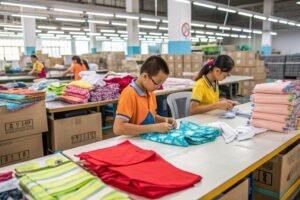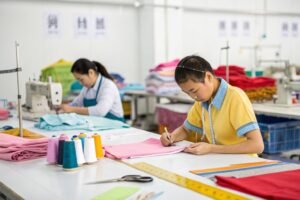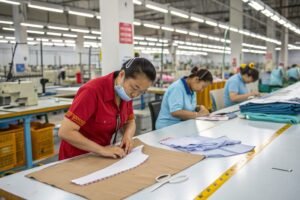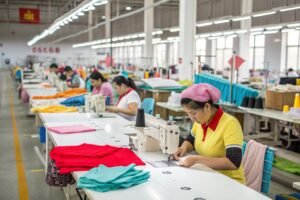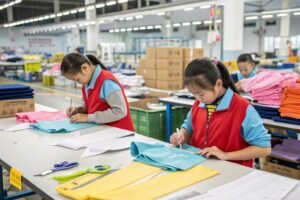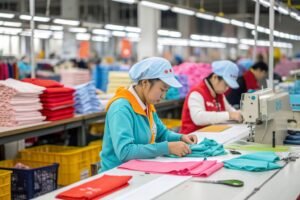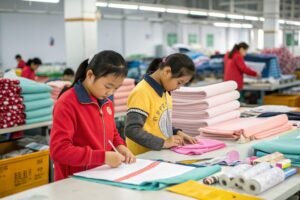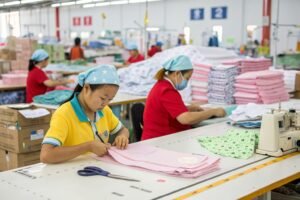
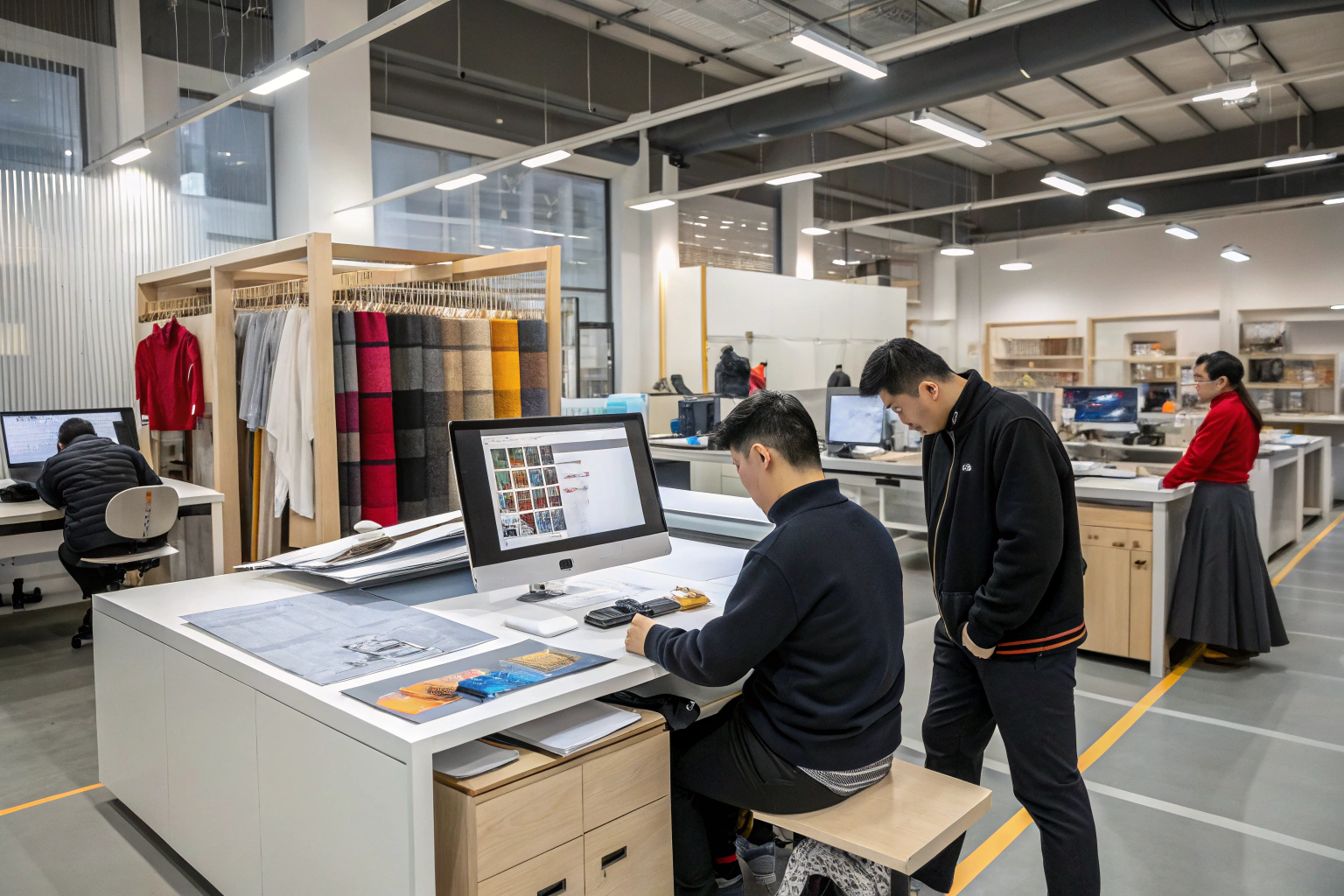
The transformation of Chinese manufacturing from pure production to integrated design and development represents one of the most significant shifts in the global apparel industry. As a factory owner who has invested substantially in building our design capabilities, I’ve witnessed firsthand how this evolution is reshaping business models, client relationships, and competitive positioning in international markets.
Chinese factories are improving their design capabilities to move up the value chain, increase profit margins, respond faster to market trends, and build long-term partnerships with brands rather than serving as simple production contractors. This strategic shift allows manufacturers to offer comprehensive services from concept to completion while reducing dependency on low-margin production-only business models.
The development of design capabilities represents a natural evolution in China’s manufacturing ecosystem, driven by both market demands and strategic business considerations. Let’s examine the key factors behind this transformation.
What market pressures drive design capability development?
Multiple market forces are compelling Chinese manufacturers to develop sophisticated design capabilities that extend far beyond traditional manufacturing roles. The changing global competitive landscape, evolving client expectations, and shifting economic realities have created an environment where design services become essential for business survival and growth.
Key market pressures include rising production costs, increased competition from lower-cost manufacturing countries, demand for faster time-to-market, and brands seeking more comprehensive partnership models. These factors have diminished the competitiveness of China’s traditional low-cost manufacturing advantage, necessitating a move toward higher-value services.

How do rising costs influence this strategic shift?
Rising costs fundamentally influence this strategic shift by making pure production increasingly economically unsustainable. Labor costs in China have increased approximately 15% annually over the past decade, while material and compliance expenses have similarly escalated. According to World Bank manufacturing data, China’s manufacturing wage growth has significantly outpaced productivity gains in simple assembly work. This cost-pressure squeeze means factories must either relocate to lower-cost regions or move up the value chain. Developing design capabilities allows manufacturers to capture value earlier in the product development process where margins are substantially higher—often 30-50% for design services compared to 5-15% for production alone.
Why are brands demanding more design support?
Brands are demanding more design support because they face their own pressures to accelerate product development cycles and reduce internal costs. The fast fashion model pioneered by companies like Zara has conditioned the market to expect rapid trend response, while the rise of social commerce has compressed product lifecycles from seasons to weeks. Many small and medium brands lack extensive in-house design teams, creating opportunities for manufacturers who can provide complete design-to-delivery solutions. Even larger brands seek manufacturing partners who can interpret trend directions and produce commercially viable designs with minimal guidance, reducing their development overhead and speeding market response.
How does design integration benefit manufacturing efficiency?
Integrating design capabilities directly into manufacturing operations creates significant efficiency advantages that benefit both factories and their clients. This synergy between creative and production functions streamlines the entire product development process while improving quality outcomes.
Key efficiency benefits include reduced sampling cycles, improved production feasibility, enhanced material optimization, and faster problem resolution. When designers and production teams work collaboratively from the initial concept stage, the entire development process becomes more streamlined and effective.
How does co-location reduce development timelines?
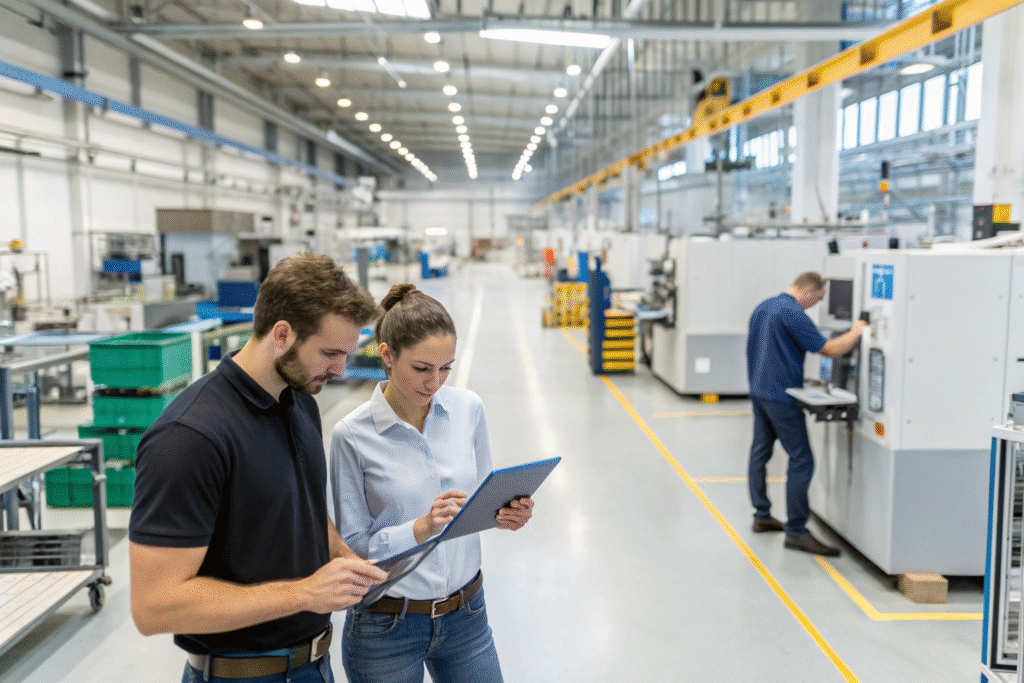
Co-location of design and manufacturing reduces development timelines by eliminating communication barriers and enabling immediate feedback loops. When designers work alongside pattern makers, sample sewers, and production managers, issues can be identified and resolved in hours rather than weeks. According to fashion industry research, integrated design-manufacturing operations can reduce sample approval cycles by 40-60% compared to traditional separated models. This acceleration comes from eliminating time zone delays, language barriers in technical specifications, and the back-and-forth shipping of physical samples. For time-sensitive categories like fast fashion and seasonal collections, these time savings provide crucial competitive advantages in reaching markets at optimal moments.
Why does manufacturing knowledge improve design quality?
Manufacturing knowledge improves design quality by ensuring creations are not just aesthetically appealing but also production-friendly, cost-effective, and quality-assured from conception. Designers with manufacturing understanding create patterns that minimize fabric waste, specify constructions that flow smoothly through production lines, and select materials that perform well during manufacturing and throughout the product lifecycle. The table below illustrates how design-manufacturing integration improves outcomes:
| Design Aspect | Traditional Approach | Integrated Approach |
|---|---|---|
| Pattern Making | Separate process often requiring multiple revisions | Immediate feedback on production feasibility |
| Material Selection | Based primarily on aesthetics and cost | Considers manufacturing performance and durability |
| Construction Details | Sometimes impractical for efficient production | Optimized for both aesthetics and manufacturing |
| Cost Management | Often discovered late in development | Incorporated from initial design phase |
What competitive advantages do design capabilities create?
Developing robust design capabilities creates multiple competitive advantages that extend beyond immediate revenue generation to longer-term business sustainability and client relationship building. These advantages help Chinese manufacturers differentiate themselves in an increasingly crowded global marketplace.
Key competitive advantages include the ability to offer complete solutions, reduced client acquisition costs, higher client retention rates, and protection against production migration to lower-cost countries. Factories with strong design services become strategic partners rather than replaceable production vendors.
How does design capability impact client relationships?
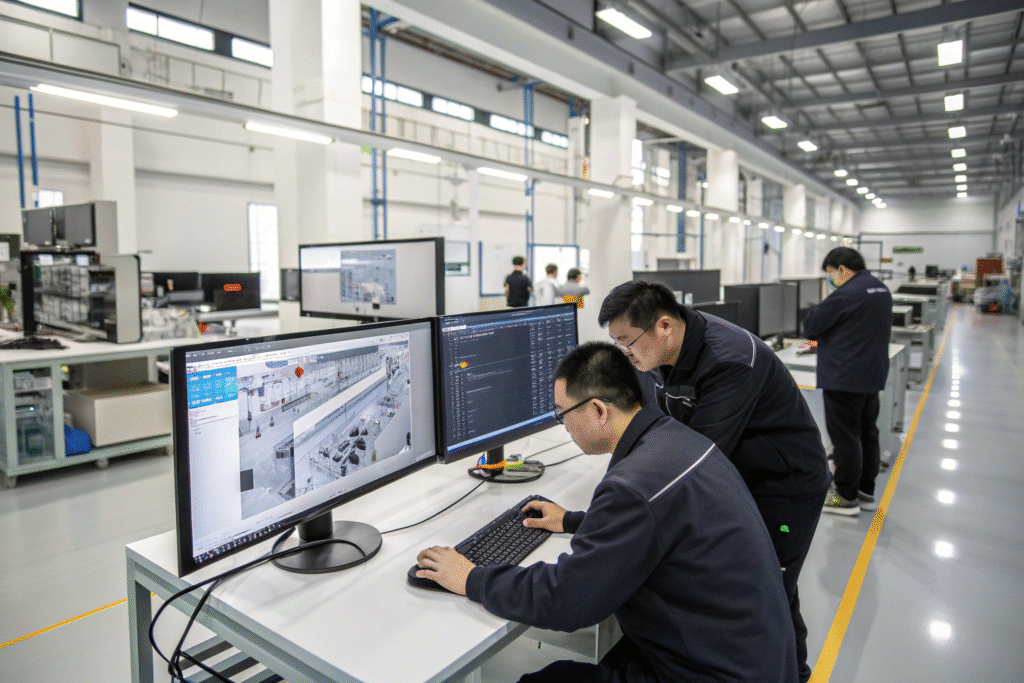
Design capability transforms client relationships from transactional arrangements to strategic partnerships that are significantly more durable and profitable. When manufacturers contribute creatively to a brand’s success, they become embedded in the client’s product development ecosystem rather than being viewed as interchangeable production resources. According to partnership duration studies, clients who utilize multiple services from a single supplier have relationship lifespans 3-5 times longer than those with single-service engagements. This depth of integration creates switching costs that protect against client loss to competitors offering marginally lower production prices, as brands would need to replace both manufacturing capacity and design expertise.
Why do design services command premium pricing?
Design services command premium pricing because they represent higher-value intellectual work rather than commoditized labor, while also reducing overall client costs through more efficient product development. The economic value created extends beyond the design fees themselves to encompass reduced sampling costs, fewer production errors, and faster time-to-market that captures full selling seasons. Additionally, manufacturers with design capabilities can offer exclusive designs to different clients in separate markets, maximizing return on their creative investments. This premium pricing power helps offset rising production costs while building a more sustainable business model less vulnerable to labor rate competition from emerging manufacturing regions.
How are Chinese factories building design expertise?
Chinese manufacturers are employing multiple strategies to develop design capabilities that meet international standards while maintaining their manufacturing competitiveness. This transformation requires significant investment in talent, technology, and cultural shifts within traditionally production-focused organizations.
Key development strategies include hiring international design talent, establishing overseas design studios, implementing advanced digital design tools, and creating knowledge transfer systems between manufacturing and creative teams. These approaches combine external expertise with internal capability building.
What role does international talent play?
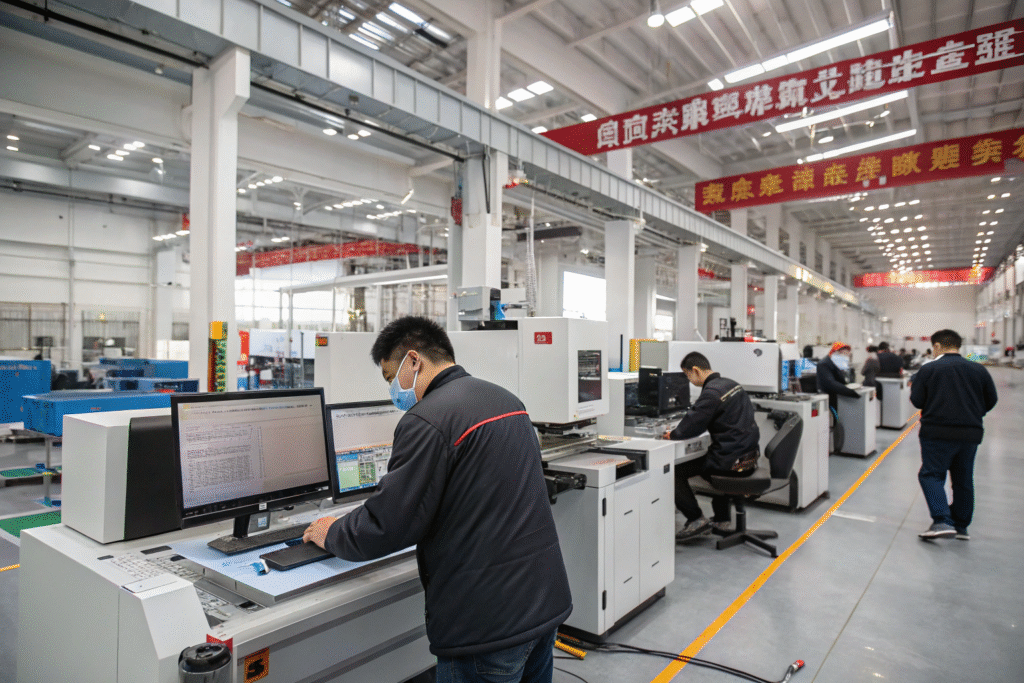
International talent plays a crucial role in bridging global design aesthetics with manufacturing expertise, while also facilitating communication with Western brands. Many Chinese factories now employ designers from Europe, North America, and other Asian fashion centers who bring understanding of Western sizing, styling preferences, and market trends. These designers often work alongside local Chinese designers who understand production capabilities and constraints. According to China fashion employment data, the number of foreign fashion professionals working in Chinese manufacturing has increased approximately 20% annually over the past five years. This international perspective helps factories create designs that resonate with global markets while maintaining production efficiency.
How are digital tools transforming design capabilities?
Digital tools are transforming design capabilities by making sophisticated design accessible and efficient while facilitating remote collaboration with global clients. Technologies like 3D design software, virtual sampling platforms, and AI-powered trend forecasting allow factories to create and present designs with unprecedented speed and accuracy. These tools significantly reduce the need for physical samples—a major cost and time component in traditional development processes. Additionally, digital design assets can be easily modified, shared across global teams, and presented to clients through immersive virtual showrooms. This technological adoption not only improves design quality but also demonstrates technical sophistication that enhances factories’ credibility as modern partners rather than basic production facilities.
What challenges do factories face in this transition?
The transition from pure manufacturing to integrated design-manufacturing operations presents significant challenges that require strategic management and substantial investment. Successfully navigating these obstacles determines whether factories can truly transform their business models and value propositions.
Key challenges include cultural shifts within organizations, intellectual property concerns, balancing creative and operational priorities, and managing increased business complexity. Each of these areas requires careful strategy and execution to overcome.

How do factories address intellectual property concerns?
Factories address intellectual property concerns by establishing clear protocols that protect both client designs and their own creative work while building trust through transparency. Many manufacturers implement confidentiality management systems that separate teams working for competing clients, secure digital asset management, and formal non-disclosure agreements. For original designs created in-house, some factories develop licensing models where brands pay for exclusive rights in specific markets or categories. These approaches allow manufacturers to monetize their design investments while reassuring clients that their proprietary designs remain protected. Building a reputation for IP integrity is essential for attracting quality brands who might otherwise hesitate to share their designs with manufacturing partners.
What cultural shifts support design integration?
Cultural shifts that support design integration include transitioning from production-focused metrics to innovation indicators, fostering collaboration between creative and technical teams, and developing tolerance for the different working styles of creative professionals. Traditional manufacturing culture prioritizes efficiency, standardization, and volume—values that can conflict with the experimentation, flexibility, and individual expression inherent in design work. Successful factories implement cross-functional team structures where designers, engineers, and production managers collaborate throughout development. They also celebrate design innovations alongside production achievements, creating organizational cultures that value both creative excellence and manufacturing efficiency as complementary strengths rather than competing priorities.
Conclusion
The improvement of design capabilities among Chinese factories represents a strategic evolution in response to changing global market conditions, client expectations, and competitive pressures. This transition from pure production to integrated design-manufacturing partnerships creates higher-value business models that benefit both factories and their clients through improved efficiency, innovation, and market responsiveness.
Factories that successfully develop robust design capabilities position themselves as essential partners rather than replaceable vendors, building sustainable businesses less vulnerable to cost competition. If you’re seeking a manufacturing partner with integrated design capabilities for your children’s wear collections, contact our Business Director Elaine at elaine@fumaoclothing.com. Let Shanghai Fumao’s design-manufacturing integration help you develop commercially successful collections with greater efficiency and creativity.