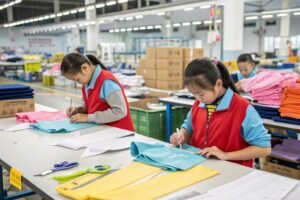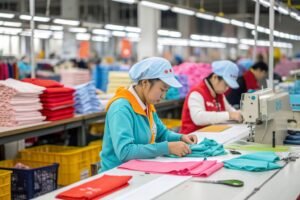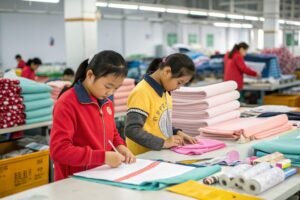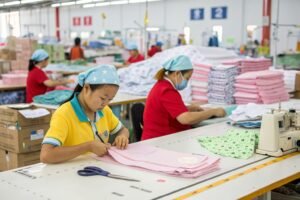
Finding the right manufacturing partner for children’s knitted wear requires specialized knowledge and careful vetting. As a knitted wear manufacturer with decades of experience serving American and European children’s brands, I understand the unique challenges and requirements of this specific category. Knitted children’s wear demands particular expertise in yarn selection, stitch construction, and safety compliance that goes beyond general apparel manufacturing.
To find a manufacturer specializing in kids knitted wear, focus on identifying partners with proven experience in children’s knitwear, established safety compliance systems, and technical knitting capabilities. The most reliable manufacturers will demonstrate expertise in child-appropriate yarn selection, knitting techniques for growth and movement, and rigorous quality control processes specific to knitted garments for children.
The search process requires evaluating both technical capabilities and business compatibility. Let’s explore the specific steps to identify and vet manufacturers who can deliver quality knitted wear for your children’s line.
What specialized capabilities should you look for?
When evaluating potential manufacturers for children’s knitted wear, specific technical capabilities separate adequate suppliers from exceptional partners. The manufacturer must demonstrate expertise in child-specific knitting techniques, yarn selection, and quality control processes that address the unique requirements of children’s apparel.
Key specialized capabilities include expertise in stretch and recovery properties, understanding of children’s sizing and proportions, knowledge of child-safe construction methods, and experience with the specific knitting machinery required for children’s garments. Manufacturers should also show proficiency in creating comfortable necklines, secure seam construction, and appropriate ease for movement—all critical factors in children’s knitted wear.

Why is yarn expertise crucial for children’s knits?
Yarn expertise is fundamental because children’s skin is more sensitive, and knitted garments have direct, extensive contact with the skin. The right manufacturer understands the differences between cotton, bamboo, merino wool, and synthetic blends for children’s wear. They should guide you on yarn selection based on factors like softness, durability, care requirements, and safety certifications. Experienced manufacturers maintain relationships with yarn suppliers who provide Oeko-Tex certified or GOTS certified yarns specifically tested for children’s products, ensuring compliance with international safety standards from the very beginning of the production process.
What knitting techniques matter most for children’s wear?
The most important knitting techniques for children’s wear include ribbing for stretch and recovery, jacquard for pattern work, and specific seam construction methods that prevent irritation. Manufacturers should demonstrate expertise in creating comfortable neck openings that easily fit over children’s heads without stretching out, secure hemming that withstands active wear, and stitch structures that provide both flexibility and durability. Specialized techniques like linking for seam construction rather than conventional sewing create flatter, more comfortable seams—a crucial consideration for children’s sensitive skin. The manufacturer should provide samples demonstrating these techniques and explain how each benefits the final garment’s wearability and longevity.
How to verify a manufacturer’s experience and reputation?
Verifying a manufacturer’s experience and reputation requires a multi-faceted approach that goes beyond surface-level claims. For children’s knitted wear specifically, you need evidence of consistent quality, reliable production, and ethical manufacturing practices over time.
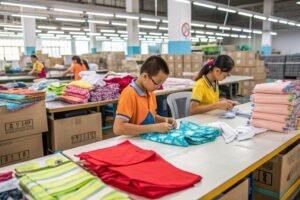
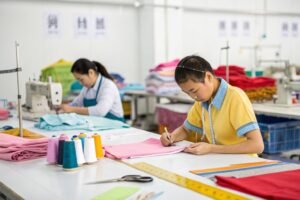
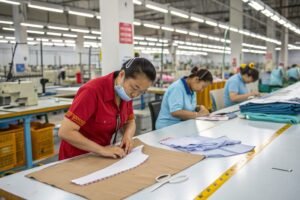
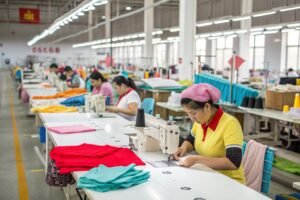
The verification process should include factory audits, reference checks with current clients, review of compliance documentation, and assessment of their problem-solving capabilities. Reputable manufacturers willingly provide this information and see transparency as a fundamental aspect of their business relationships. The table below outlines key verification steps:
| Verification Method | What to Look For |
|---|---|
| Factory Audit | Clean facilities, organized production, quality control stations |
| Client References | Long-term relationships, similar product experience |
| Certification Review | Current safety and quality certifications |
| Sample Evaluation | Consistent stitching, proper finishing, quality materials |

What questions should you ask current clients?
When speaking with a manufacturer’s current clients, ask specific questions about their experience with knitted children’s wear production. Inquire about consistency across production runs, communication effectiveness, problem-resolution processes, and adherence to deadlines. Ask about their experience with quality control measures for knitted items specifically—how the manufacturer handles issues like inconsistent dye lots, sizing variations, or knitting flaws. Current clients can provide invaluable insights into how the manufacturer performs under pressure, handles seasonal capacity challenges, and maintains quality standards as order volumes increase.
How can you assess technical capability effectively?
Assessing technical capability requires both document review and practical demonstration. Request to see their machinery list—modern computerized knitting machines from manufacturers like Stoll or Shima Seiki indicate investment in current technology. Ask for documentation of their quality control processes specific to knitted wear, including how they check for dropped stitches, tension consistency, and color accuracy. The most effective assessment includes a factory visit where you can observe their sampling process, quality control checks, and technical team’s problem-solving approach. Manufacturers with strong technical capabilities will have dedicated technicians who understand knitting mechanics and can troubleshoot production issues knowledgeably.
What compliance and safety aspects are non-negotiable?
Compliance and safety requirements for children’s knitted wear are extensive and non-negotiable, with strict regulations governing materials, construction, and labeling. Manufacturers must demonstrate comprehensive understanding and implementation of these requirements across all production stages.
Key compliance areas include fabric safety standards, physical and mechanical safety requirements, and proper labeling and documentation. For knitted wear specifically, attention must be paid to yarn dye safety, fiber content verification, and construction elements that could pose hazards to children. Manufacturers should have established systems to ensure consistent compliance throughout production.

What safety standards apply specifically to knitted children’s wear?
Knitted children’s wear must comply with CPSC regulations for flammability, lead content, and phthalate restrictions. Additionally, specific attention must be paid to small parts compliance—decorative elements on knitted garments must withstand pull tests to prevent choking hazards. For sleepwear, knitted items must meet specific flammability standards that may require special yarn selection or treatments. European markets require compliance with REACH regulations restricting hazardous substances. Experienced manufacturers maintain updated documentation of these standards and have testing protocols integrated into their production process rather than treating compliance as a final inspection activity.
How do manufacturers ensure consistent quality control?
Consistent quality control in knitted wear manufacturing requires inspection at multiple stages: yarn intake, during knitting, after finishing, and before shipment. Manufacturers should have documented quality control procedures that include checking for knitting defects like dropped stitches or tension issues, verifying color consistency across panels, ensuring accurate sizing, and examining finishing details like secure labels and proper packaging. For children’s wear specifically, additional checks for scratchy tags, secure attachments of decorative elements, and comfortable seam construction are essential. The best manufacturers provide quality control reports with each shipment, documenting their inspection results and any corrective actions taken.
How to evaluate production capacity and scalability?
Evaluating a manufacturer’s production capacity and scalability requires understanding both their current capabilities and their ability to grow with your business. For knitted wear specifically, capacity depends on machinery type, technical staff availability, and yarn sourcing capabilities.
Assessment should include review of their current production volume, lead times for different order quantities, and their approach to capacity planning. Manufacturers should transparently discuss their peak capacity limitations and have contingency plans for managing demand fluctuations. Scalability requires both physical capacity and organizational readiness to handle increased business.

What questions reveal true production capabilities?
Asking specific questions about machinery, staffing, and current client commitments reveals true production capabilities. Inquire about the number and type of knitting machines, their average output per machine, and how they allocate machinery across different projects. Ask about their technical staff-to-production ratio and how they handle complex designs that require more attention. Questions about their current capacity utilization and how they manage seasonal peaks provide insights into their ability to handle your production timeline. Manufacturers should be able to provide concrete data about their production cycles, from yarn sourcing to finished goods, rather than vague promises about capacity.
How can you assess long-term partnership potential?
Assessing long-term partnership potential involves evaluating both operational compatibility and strategic alignment. Look for manufacturers who demonstrate interest in understanding your brand vision and growth plans rather than just executing immediate orders. Evaluate their communication style, problem-solving approach, and willingness to invest in the relationship through samples, development support, and flexible terms. Manufacturers with strong ethical standards and transparent business practices typically make better long-term partners. Additionally, consider their innovation capabilities—are they continuously improving their techniques and staying current with industry developments? The most valuable manufacturing partners contribute to your product development and help you navigate market challenges as your business evolves.
Conclusion
Finding the right knitted wear manufacturer for your children’s line requires careful evaluation of technical capabilities, compliance systems, production capacity, and partnership potential. The ideal manufacturer combines specialized knitting expertise with comprehensive understanding of children’s wear requirements and reliable business practices.
The investment in thorough vetting pays significant dividends through consistent quality, reliable delivery, and collaborative problem-solving. If you’re seeking a manufacturing partner with proven expertise in children’s knitted wear, contact our Business Director Elaine at elaine@fumaoclothing.com. Let Shanghai Fumao’s specialized knitting capabilities help you create beautiful, high-quality knitted collections that meet the highest standards of comfort, safety, and style.