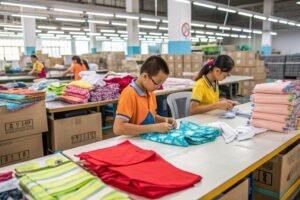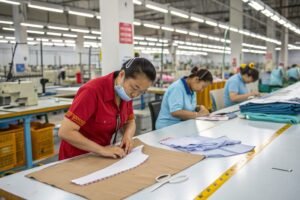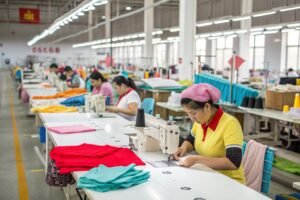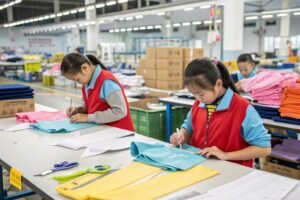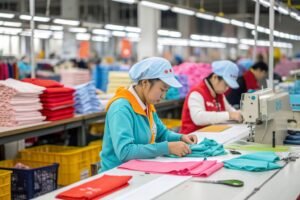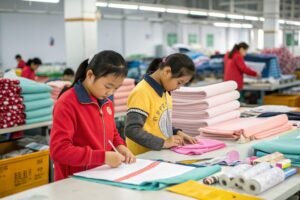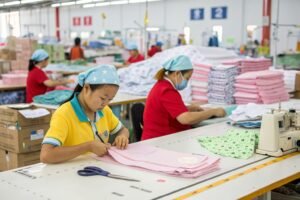
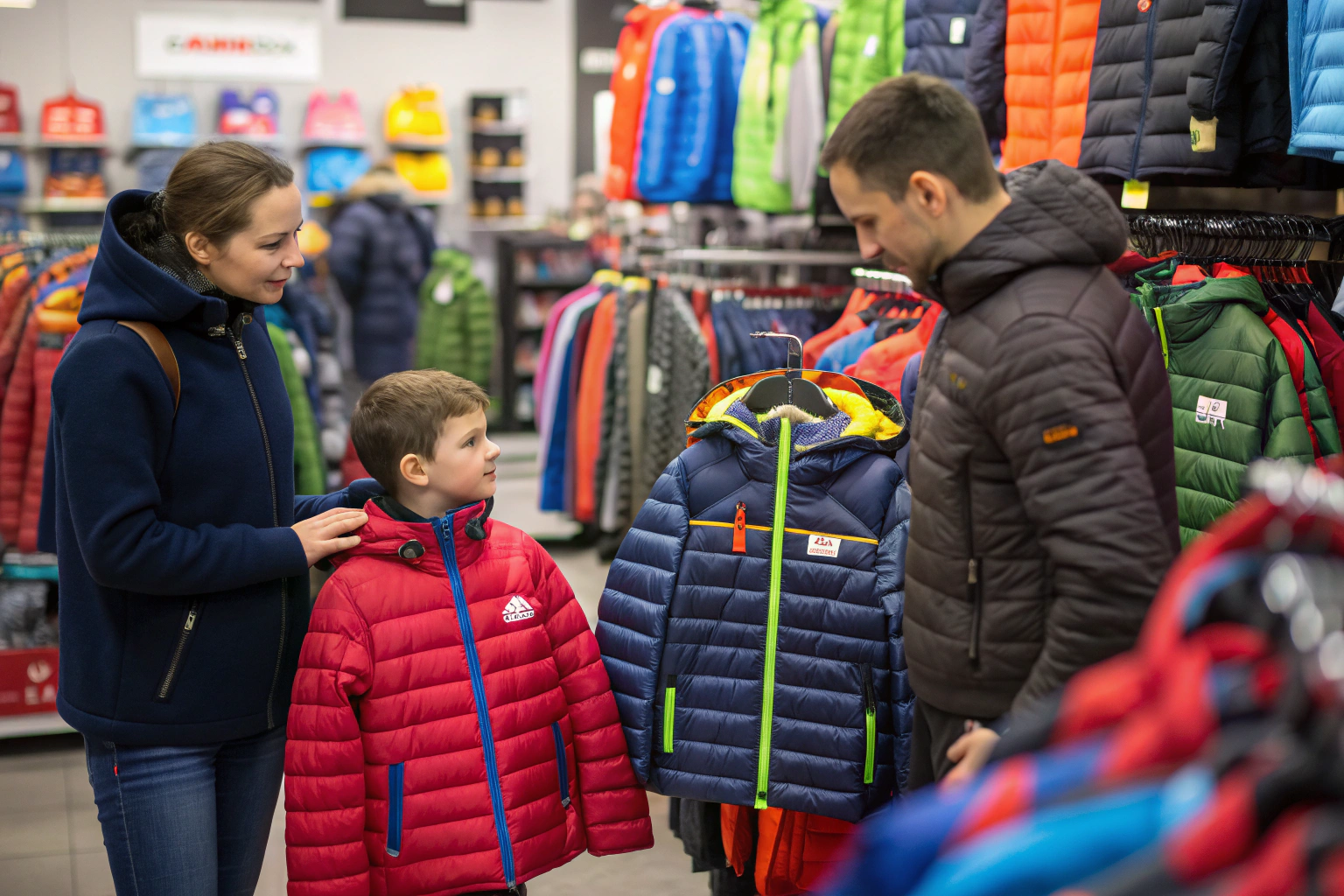
The children’s outerwear sector represents one of the most fiercely contested segments in the entire apparel industry. As a manufacturer supplying jackets, coats, and seasonal outer layers to brands across North America and Europe, I’ve observed how this category consistently attracts intense competition from both established players and new entrants. The combination of functional requirements, fashion elements, and practical parenting needs creates a perfect storm of market dynamics that keeps the competitive pressure exceptionally high.
The kids outerwear market is intensely competitive due to its high profit margins, seasonal purchasing patterns, technical performance requirements, and the emotional significance parents attach to key outerwear purchases. This convergence of factors creates a landscape where brands must compete on multiple fronts simultaneously—balancing style, functionality, safety, and value in ways that few other children’s product categories demand.
Understanding the specific drivers behind this competition reveals why outerwear remains both challenging and rewarding for brands that can successfully navigate its complexities. Let’s examine the key factors that make this market segment particularly competitive.
What market dynamics drive outerwear competition?
Several distinct market dynamics converge to create the highly competitive environment in children’s outerwear. The seasonal nature of purchases creates compressed selling windows that intensify competition for consumer attention and retail shelf space. Additionally, the higher price points compared to other children’s apparel categories attract brands seeking better margins, while the technical requirements create barriers that nonetheless don’t deter market entry.
The most significant dynamics include seasonal purchase compression, higher average order values, extended product lifecycles, and the critical nature of weather protection. Unlike everyday clothing that parents buy throughout the year, outerwear purchases are concentrated in specific seasons, forcing brands to compete aggressively during these limited windows. The table below outlines key competitive dynamics:
| Dynamic | Impact on Competition |
|---|---|
| Seasonal Compression | Intensifies marketing and discounting during limited windows |
| Higher Price Points | Attracts more players seeking better margins |
| Technical Requirements | Creates differentiation opportunities but raises entry barriers |
| Gift-Giving Significance | Increases emotional investment in purchase decisions |

Why do seasonal patterns intensify competition?
Seasonal patterns intensify competition by compressing the entire customer journey into brief, predictable periods. Brands have essentially two primary selling seasons—fall/winter and spring—to capture the majority of their annual revenue. According to retail calendar analysis, approximately 60% of outerwear sales occur within a 10-week period in the fall. This compression forces brands to compete simultaneously for manufacturing capacity, retail partnerships, marketing visibility, and consumer attention, creating a highly congested competitive landscape where timing becomes as crucial as product quality.
How do profit margins attract market players?
Higher profit margins attract diverse market players because outerwear typically commands price points 2-3 times higher than basic children’s apparel while not requiring proportionally higher production costs. This margin structure creates an attractive business case for everything from luxury brands to value retailers. The financial analysis of apparel segments consistently shows outerwear among the most profitable categories, drawing investment and innovation from established companies and entrepreneurs alike. This influx of competitors continually raises the bar for quality, features, and value across all price segments.
What consumer behaviors increase competitive pressure?
Parental purchasing behaviors specifically contribute to the competitive intensity in the children’s outerwear market. Unlike everyday clothing purchases that may be driven by immediate need or impulse, outerwear buying involves more research, comparison, and deliberation. Parents approach these purchases as investments in their children’s comfort and safety, making them more discerning customers who evaluate multiple options before deciding.
Key consumer behaviors include extended research periods, high feature sensitivity, brand switching willingness, and multi-channel comparison shopping. Today’s parents typically consult numerous information sources—from retailer websites and brand reviews to social media recommendations—before making outerwear purchases. This research-intensive approach means brands must compete effectively across multiple touchpoints simultaneously.

Why do parents research outerwear so extensively?
Parents research outerwear extensively because these purchases represent significant financial investments and carry important practical implications for their children’s wellbeing. A poorly performing coat can mean uncomfortable children, missed school days, or limited outdoor activity. This practical significance drives parents to investigate product performance claims, read verified purchase reviews, compare technical specifications, and seek recommendations from other parents. This thorough evaluation process means brands must provide substantial evidence to support their quality and performance claims to remain competitive.
How does feature sensitivity drive innovation?
Feature sensitivity drives innovation by forcing brands to continuously improve their products to meet evolving parent expectations. Today’s parents seek specific features like waterproof breathability ratings, temperature guidelines, growth accommodation systems, and easy-care properties. This feature-focused purchasing behavior creates a competitive environment where brands cannot rely solely on aesthetic appeal but must deliver meaningful technical advantages. The constant pressure to innovate results in rapid product evolution and shorter lifecycles for successful features as competitors quickly incorporate them into their own offerings.
How do technical requirements create competition?
The technical performance requirements of children’s outerwear create a multidimensional competitive landscape where brands must excel across functional, safety, and comfort parameters simultaneously. Unlike fashion-focused categories where aesthetic appeal might dominate purchasing decisions, outerwear must deliver proven protection from elements while meeting strict safety standards and addressing practical parenting needs.
Key technical competitive areas include weather protection capabilities, durability standards, safety compliance, and functional design elements. Brands compete not only on style and price but on demonstrable performance metrics that parents can research and compare. This technical dimension raises development costs and requires specialized expertise, yet still attracts competitors due to the premium pricing potential.

Why do performance standards raise competitive stakes?
Performance standards raise competitive stakes by creating measurable differentiators that parents use to justify premium pricing. Technical capabilities like thermal insulation ratings, waterproof testing results, and breathability metrics provide concrete evidence of quality that transcends subjective style preferences. Brands that invest in independent testing and certification can command significant price premiums, while those lacking verifiable performance data struggle to compete beyond the value segment. This evidence-based purchasing environment forces all market participants to continually improve their technical offerings or risk obsolescence.
How does safety compliance impact market position?
Safety compliance significantly impacts market position because outerwear must adhere to numerous regulations covering flammability, drawstring hazards, small parts, and chemical restrictions. Brands with robust compliance programs and third-party certifications gain preferential placement with major retailers and enjoy greater parent trust. Conversely, compliance issues can trigger costly recalls and permanent brand damage. The resource investment required to maintain comprehensive safety programs creates a competitive advantage for established players while presenting significant barriers for smaller entrants, further concentrating competition among well-resourced brands.
What retail factors intensify competition?
Retail dynamics significantly amplify competition in the children’s outerwear market through limited physical space, compressed selling seasons, and intense promotional activity. Both physical and online retailers face shelf space constraints that force difficult curation decisions, creating intense competition for placement particularly during peak seasons when multiple brands vie for the same limited retail real estate.
Key retail competitive factors include assortment planning pressures, preseason buying requirements, margin maintenance challenges, and omnichannel distribution complexity. Retailers typically finalize their outerwear assortments months before the selling season, forcing brands to present compelling offerings far in advance while predicting fashion, fit, and feature trends with limited market feedback.

Why does shelf space limitation increase competition?
Shelf space limitation increases competition because retailers can only stock a finite number of outerwear options within each category, price point, and size range. Major retailers typically curate their assortments 6-9 months before the season, evaluating hundreds of potential brands against strict performance criteria. This curation process creates a competitive bottleneck where brands must outperform numerous direct competitors to secure placement. The limited available space means even well-established brands must continually prove their sales velocity and profitability to maintain their position each season.
How do preseason commitments affect brand competition?
Preseason commitments affect brand competition by forcing early investment decisions based on uncertain demand forecasts. Retailers require brands to commit to production quantities and delivery timelines months before consumer purchasing begins, creating significant financial risk. This system favors larger companies with demand forecasting capabilities and financial resources to absorb forecasting errors. Smaller brands must compete despite this disadvantage, often by offering exclusivity, higher margins, or unique product features that justify the retailer’s risk. The preseason nature of the business creates a competitive environment where forecasting accuracy and financial stability become as important as product design.
Conclusion
The children’s outerwear market remains intensely competitive due to the convergence of seasonal purchasing patterns, technical performance requirements, discerning consumer behavior, and constrained retail dynamics. Success in this challenging environment requires brands to balance style, functionality, safety, and value while navigating compressed selling windows and intense pressure from competitors across multiple price segments.
The brands that thrive in this competitive landscape are those that understand these multidimensional challenges and build comprehensive strategies addressing each competitive front. If you’re developing children’s outerwear and need manufacturing partnership to compete effectively in this demanding category, contact our Business Director Elaine at elaine@fumaoclothing.com. Let Shanghai Fumao’s expertise in technical children’s apparel help you create outerwear that stands out in a crowded marketplace.