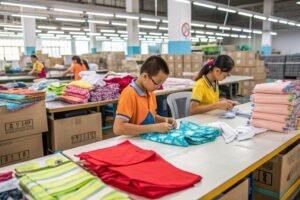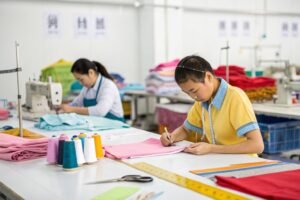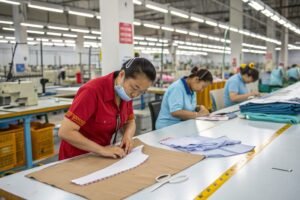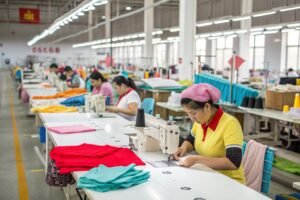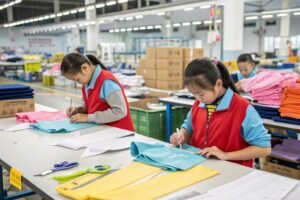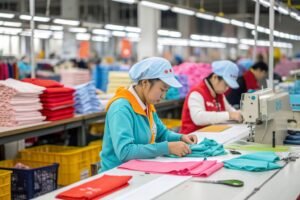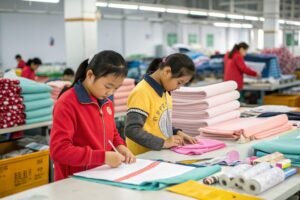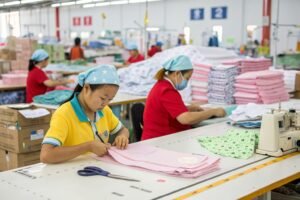
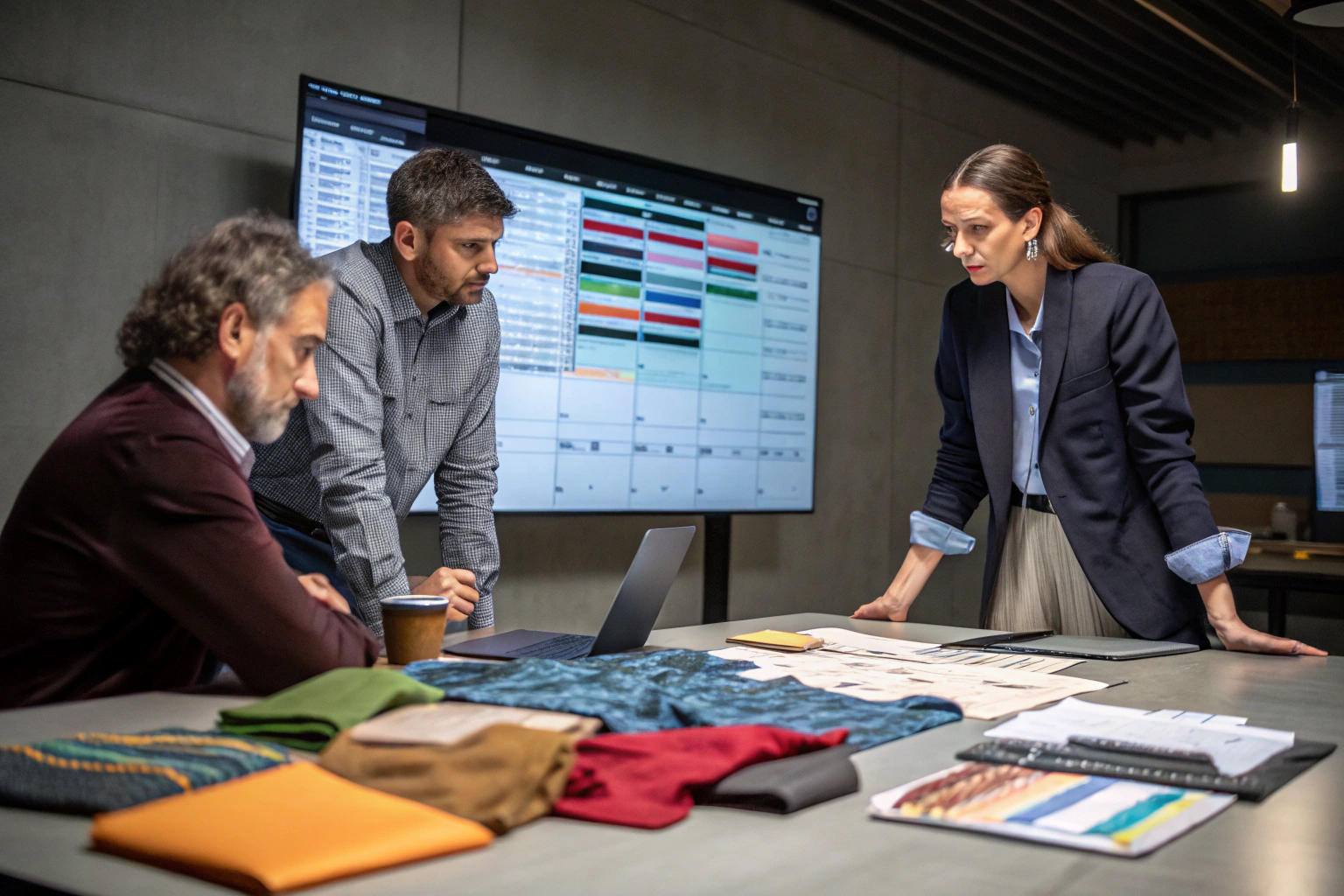
As a children’s clothing manufacturer with decades of experience serving American and European brands, I’ve witnessed firsthand how production delays can disrupt entire selling seasons. The children’s apparel sector faces unique challenges that differ significantly from adult clothing manufacturing. From stringent safety regulations to rapid size changes, these specialized requirements create specific bottlenecks that can derail even the most carefully planned production schedules.
The most common production delays in kids clothing stem from fabric quality issues, compliance certification bottlenecks, and complex supply chain disruptions. These challenges are amplified by the industry’s strict safety standards, seasonal demand fluctuations, and the precision required in small-size garment construction. Understanding these pain points is crucial for brands to maintain reliable delivery schedules and avoid missing critical market windows.
While some delays are inevitable in global manufacturing, strategic planning and partner selection can significantly mitigate these risks. Let’s examine the specific production challenges that frequently impact timelines in children’s apparel manufacturing.
What fabric and material issues cause the longest delays?
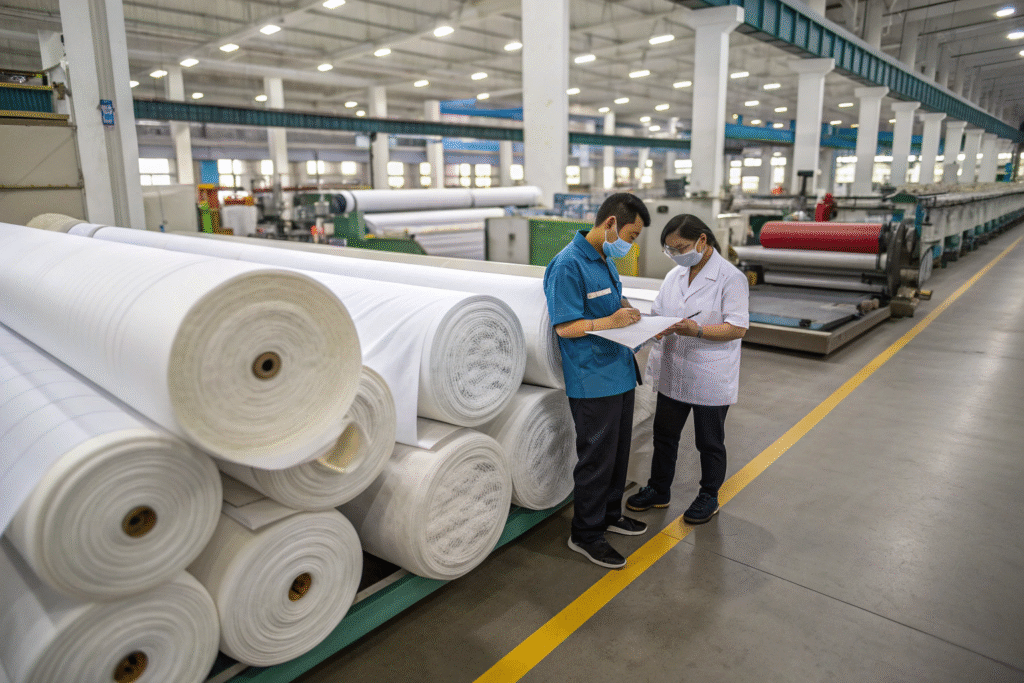
Fabric-related problems represent the most frequent and impactful source of production delays in children’s wear. The industry’s stringent requirements for softness, durability, and safety mean that materials must pass multiple quality checks before production can begin. When fabric fails to meet specifications, the entire production timeline must be put on hold while alternatives are sourced.
The most common fabric issues include inconsistent dye lots, failure to meet safety standards, and delayed raw material delivery. For children’s clothing specifically, fabric must pass rigorous testing for colorfastness, pilling resistance, and shrinkage rates. Additionally, the specialized nature of children’s fabrics—such as organic cottons or flame-resistant materials—means that replacement options are often limited, extending resolution times significantly.
Why do safety standard failures halt production?
Safety standard failures immediately halt production because children’s apparel must comply with strict international regulations. Fabrics that fail CPSC flammability tests or contain prohibited substances cannot be used under any circumstances. When test results reveal issues with lead content, phthalates, or formaldehyde levels, the entire fabric batch must be rejected. This creates cascading delays as new fabric must be sourced, produced, and tested—a process that can take several weeks. Our factory implements pre-production testing precisely to avoid these costly mid-production stoppages.
How do color matching problems impact timelines?
Color matching problems impact timelines because children’s collections often rely on specific color stories that must remain consistent across multiple product types. Even slight variations between dye lots can make separates unwearable together, rendering entire production runs unusable. The color approval process requires careful lighting-standardized evaluation and often involves shipping physical samples between continents for brand approval. When colors don’t match initial standards, the fabric must be re-dyed—adding weeks to the production schedule and potentially missing critical shipping deadlines for seasonal collections.
How do compliance and quality control create bottlenecks?
Compliance and quality control processes introduce necessary but time-consuming steps throughout children’s wear production. The multitude of international safety standards, coupled with brands’ individual quality requirements, means that garments must pass numerous checkpoints before shipment. Each inspection level adds potential delay points where issues can be identified, requiring rework or rejection.
The most significant compliance bottlenecks occur during third-party testing, trim and accessory verification, and final random inspection. Children’s clothing requires specific attention to details like drawstring length, small part security, and label placement—all regulated by safety standards. Additionally, the high number of components in many children’s garments (buttons, appliqués, ribbons) multiplies the potential failure points during quality control.
What certification processes slow production most?
The certification processes that most significantly slow production include Oeko-Tex Standard 100 testing, CPSIA compliance verification, and specific brand-required audits. Each certification requires laboratory testing that can take 2-4 weeks, and failures at any stage mandate complete retesting. Additionally, the documentation requirements for tracking materials through the supply chain—particularly for organic or recycled content claims—create administrative bottlenecks. During peak production seasons, testing laboratories experience backlogs that further extend these timelines, making advance planning absolutely critical.
Why do trim and accessory approvals take so long?
Trim and accessory approvals take extended time because each component must meet both safety and quality standards. Buttons must undergo pull-testing, zippers must be checked for heavy metal content, and appliqués must be evaluated for flammability. The complexity increases when coordinating multiple suppliers across different regions. For example, a single garment might feature Chinese fabric, Korean trims, and American labels—each requiring separate verification. The shipping of approval samples between these locations, combined with brand review periods, frequently creates 2-3 week delays in the pre-production phase.
What supply chain disruptions affect kids wear specifically?
Children’s apparel supply chains face unique vulnerabilities due to their dependency on specialized materials and the seasonal nature of the industry. Unlike basic adult clothing, kids wear often incorporates specific prints, character licenses, and specialized safety fabrics that have limited alternative sourcing options. This lack of flexibility makes the supply chain particularly susceptible to disruptions.
The most impactful supply chain issues include raw material shortages, transportation delays, and component synchronization problems. The table below outlines common supply chain disruptions and their specific impact on children’s wear production:
| Disruption Type | Impact on Kids Wear Production |
|---|---|
| Specialized Fabric Shortages | Limits production of specific safety-certified materials |
| Print/Pattern Delays | Halts themed collections and character licensing |
| Component Synchronization | Stops assembly when trims or packaging are missing |
| Shipping Container Issues | Delays seasonal goods with narrow delivery windows |
How do raw material shortages impact production?
Raw material shortages impact production most severely in the children’s sector because substitute materials often cannot meet the same safety specifications. When shortages occur in certified organic cotton or specific flame-resistant fabrics, production may be completely halted rather than switched to alternatives. The global textile supply chain disruptions in recent years have particularly affected specialized materials with limited production capacity. Additionally, the lead times for dyeing and finishing children’s-specific fabrics (with special softeners or treatments) are typically longer than for standard materials, making last-minute substitutions nearly impossible.
Why is logistics synchronization particularly challenging?
Logistics synchronization proves particularly challenging in kids wear because collections typically involve multiple SKUs across various sizes and colors that must arrive simultaneously for retail floor sets. A delay in one component—such as specialized hangers, specific packaging, or size labels—can prevent the entire shipment from being assembled and dispatched. The complexity increases with DDP shipping terms, where manufacturers coordinate all logistics through to final destination. During peak shipping seasons, container availability and port congestion can add unpredictable delays that disproportionately affect time-sensitive children’s seasonal goods.
How can brands and manufacturers prevent these delays?
Preventative planning and clear communication represent the most effective strategies for minimizing production delays in children’s apparel. Brands that succeed in maintaining consistent timelines typically engage in advanced seasonal planning, maintain realistic lead times, and establish transparent communication protocols with their manufacturing partners.
The most successful delay-prevention strategies include comprehensive pre-production planning, building buffer time into schedules, and maintaining open supplier relationships. By anticipating potential bottlenecks and establishing contingency plans, brands can navigate the inevitable challenges that arise in global children’s wear production without compromising their market delivery dates.
What advance planning strategies work best?
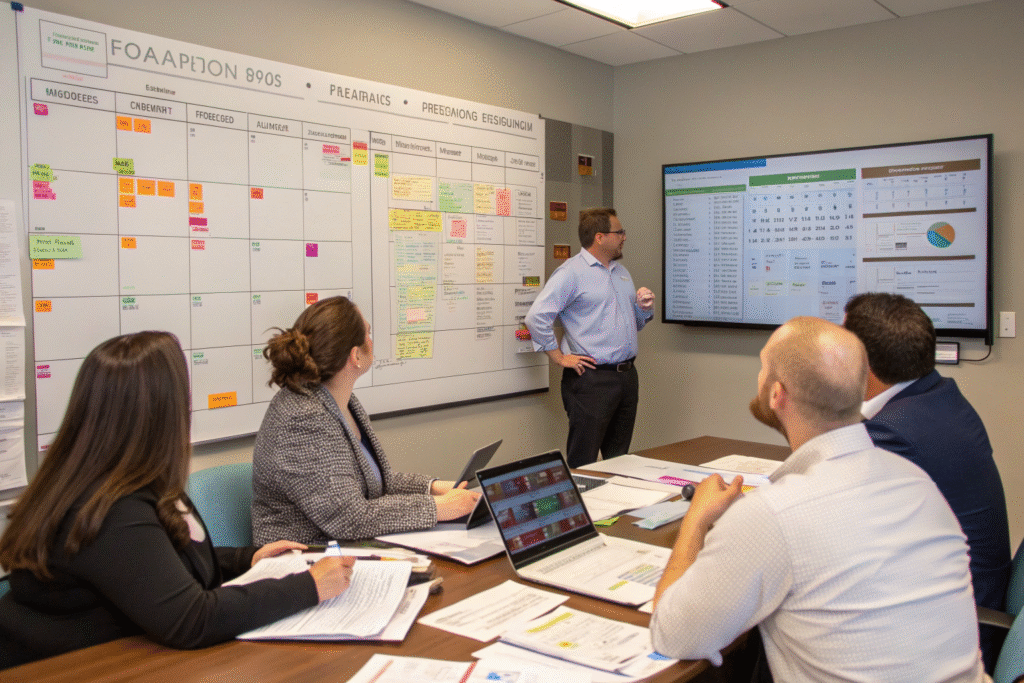
The most effective advance planning strategies include developing detailed production calendars that account for certification timelines, conducting early raw material sourcing, and creating pre-approved alternative options for critical components. Beginning the product development cycle 6-8 months before required delivery dates allows sufficient time for the multiple approval cycles and safety testing required in children’s wear. Additionally, establishing fabric and trim qualification processes early in the development phase prevents last-minute discoveries of non-compliant materials that would derail production.
How does supplier relationship management reduce delays?
Strong supplier relationship management reduces delays by fostering transparency and cooperation when challenges arise. Manufacturers who view brands as partners are more likely to provide early warnings about potential issues and work collaboratively to find solutions. According to supply chain research, companies with strong supplier relationships experience 30% fewer supply disruptions. In children’s wear specifically, long-term partnerships enable manufacturers to better anticipate brand preferences and maintain appropriate inventory of frequently used compliant materials, trimming valuable time from the production schedule.
Conclusion
Production delays in kids clothing stem from a combination of stringent safety requirements, complex supply chains, and the specialized nature of children’s materials. While some challenges are inherent to the industry, strategic planning, clear communication, and strong partner relationships can significantly mitigate these risks and ensure more reliable delivery timelines.
The most successful brands recognize that preventing delays requires investment in thorough pre-production processes and collaborative manufacturer relationships. If you’re looking for a manufacturing partner with expertise in navigating these specific children’s wear production challenges, contact our Business Director Elaine at elaine@fumaoclothing.com. Let Shanghai Fumao’s experience in kids apparel manufacturing help you maintain consistent timelines and capitalize on every selling season.