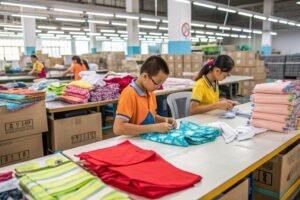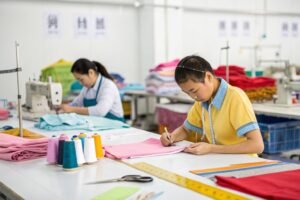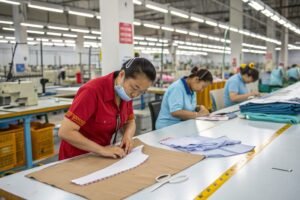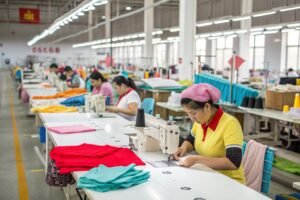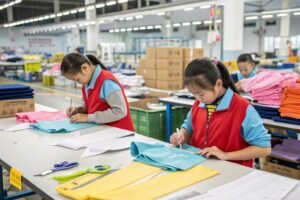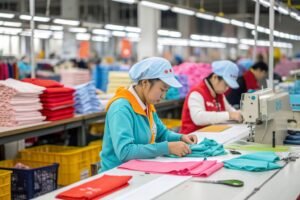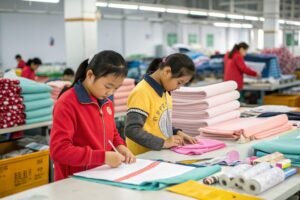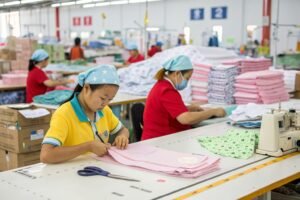
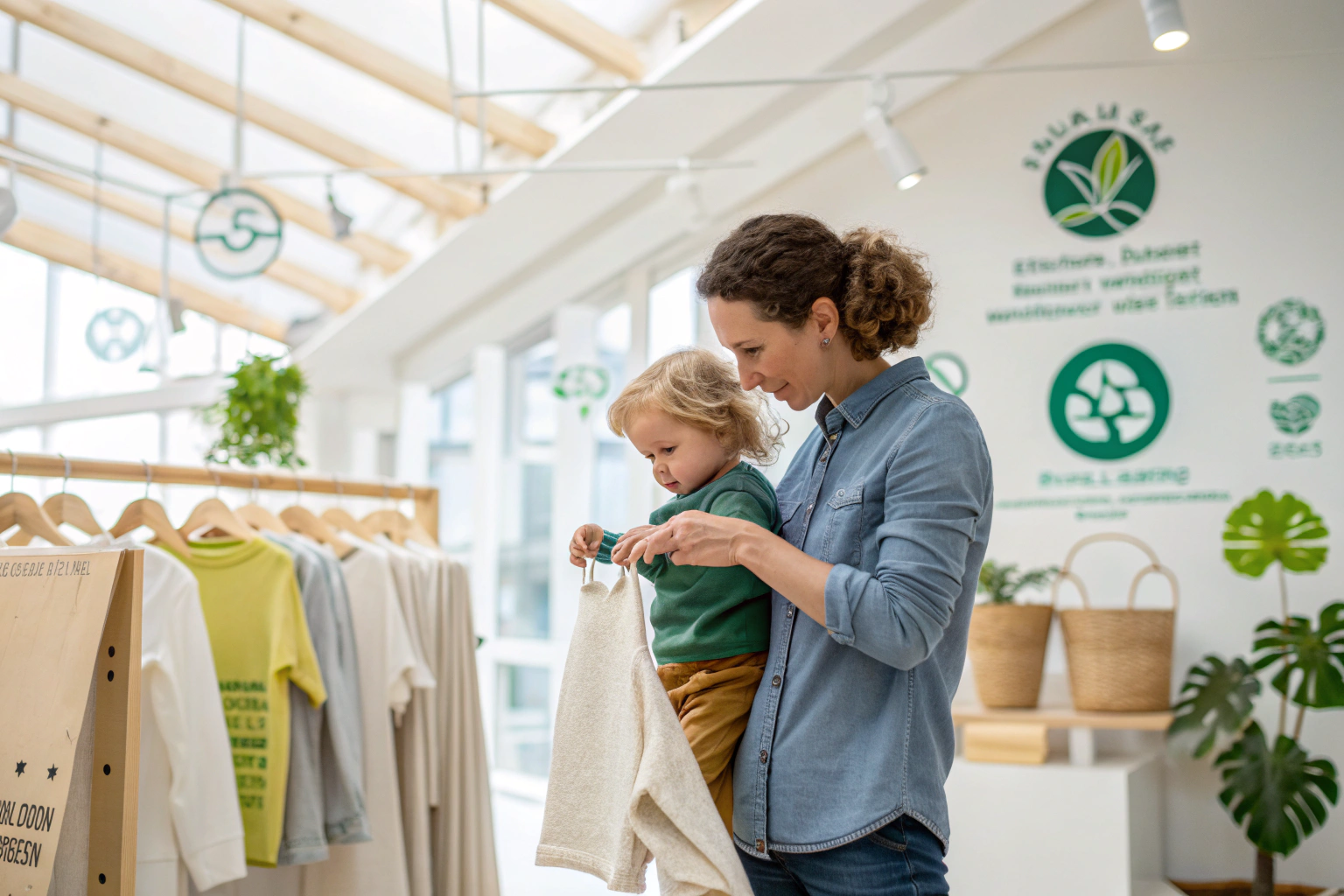
The children’s apparel industry is undergoing a significant transformation, with sustainability shifting from a niche concern to a mainstream purchasing driver. As a children’s clothing manufacturer working with brands across North America and Europe, I’ve witnessed this change firsthand. Today’s parents are increasingly making buying decisions that reflect their values, and they’re willing to invest in clothing that aligns with their concerns about environmental impact and ethical production.
Sustainable practices are becoming a crucial selling point for kids wear because modern parents prioritize environmental responsibility, product safety, and ethical manufacturing. These conscious consumers recognize that children’s clothing has a disproportionate environmental footprint due to rapid growth and frequent replacement, and they seek brands that offer durable, non-toxic, and ethically produced alternatives that protect both their children’s health and the planet’s future.
This shift isn’t just about environmental concerns—it’s about a fundamental change in how parents view their purchasing power. They’re looking for transparency, quality, and values alignment in every purchase decision. Let’s explore why sustainability has moved from the periphery to the center of kids wear marketing.
How are changing consumer values driving this shift?
The transformation in kids wear purchasing patterns reflects a broader evolution in consumer consciousness. Modern parents, particularly millennials and Gen Z, have grown up with increased awareness of environmental issues and greater access to information about production practices. They’re not just buying clothing—they’re investing in their values and making statements about the world they want to create for their children.
These consumers actively research brands’ environmental and ethical credentials before purchasing. They’re concerned about climate change, resource depletion, and working conditions in manufacturing facilities. This values-driven purchasing behavior is particularly strong in the children’s product sector, where parents feel a heightened responsibility to make choices that ensure a healthy future for their children. The demand extends beyond the product itself to packaging, shipping methods, and corporate transparency.

Why do millennial parents prioritize ethical production?
Millennial parents prioritize ethical production because they’ve come of age in an era of increased corporate transparency and social awareness. Having witnessed controversies surrounding factory conditions and environmental degradation, they’re more skeptical of traditional business practices and demand greater accountability. Research from Cone Communications indicates that nearly 90% of millennials would switch brands to one associated with a cause, reflecting their desire to align purchasing with values. For children’s products specifically, this generation seeks assurance that the items they bring into their homes weren’t produced at the expense of other children’s wellbeing or environmental health.
How does transparency build brand trust today?
Transparency builds brand trust by demonstrating there’s nothing to hide in a company’s operations. When brands openly share information about their supply chain, manufacturing processes, and material sources, they empower consumers to make informed decisions. This approach directly addresses the growing consumer skepticism toward corporate claims and greenwashing. Parents who can trace a garment’s journey from organic cotton field to finished product develop stronger emotional connections with brands, leading to increased loyalty and willingness to pay premium prices for verified sustainable options.
What specific sustainable features matter most to parents?
When evaluating kids wear, parents focus on specific sustainable attributes that directly impact their children’s health and environmental footprint. Material composition stands as the primary consideration, with organic cotton, bamboo viscose, and recycled materials ranking highest in consumer awareness. Parents actively seek certifications that validate these claims, understanding that proper certification requires independent verification of environmental and social standards.
Beyond materials, durability represents a crucial sustainability factor that resonates practically with parents. Clothing that withstands multiple children’s wear and tear reduces replacement frequency and overall consumption. The table below outlines the sustainable features that most influence purchasing decisions:
| Feature | Why It Matters to Parents |
|---|---|
| Organic Materials | Avoids pesticide exposure and supports regenerative farming |
| Non-Toxic Dyes | Prevents skin irritation and chemical exposure |
| Durable Construction | Extends garment life and reduces waste |
| Ethical Manufacturing | Aligns with values about fair labor practices |

Why are GOTS and OEKO-TEX certifications so influential?
GOTS (Global Organic Textile Standard) and OEKO-TEX certifications are influential because they provide independent, verifiable proof of a product’s environmental and safety credentials. GOTS certification ensures organic status from harvesting through environmentally and socially responsible manufacturing, while OEKO-TEX Standard 100 verification guarantees textiles are free from harmful substances. These certifications matter to parents because they eliminate the need to decipher complex supply chain claims themselves. As conscious consumption grows, these third-party validations become shorthand for trust, allowing parents to make quick yet informed decisions in a crowded marketplace.
How does durability contribute to sustainability?
Durability contributes to sustainability by fundamentally reducing consumption and waste. Well-constructed garments that maintain their shape, color, and integrity through multiple children represent both economic and environmental value. This longevity aligns with circular economy principles by keeping products in use longer and delaying their entry into the waste stream. From a practical parenting perspective, durable clothing also performs better during active play and frequent washing, making it a sensible choice that transcends ideological commitment to sustainability alone.
What environmental concerns are specific to children’s apparel?
The children’s wear sector faces unique environmental challenges that differentiate it from adult clothing. The most significant issue is the accelerated replacement cycle—children outgrow clothing long before it wears out physically, creating a continuous stream of textile waste. This problem is compounded by the industry’s historical reliance on conventional cotton, one of the world’s most pesticide-intensive crops, and petroleum-based synthetic fibers that shed microplastics during washing.
Additionally, children’s clothing often incorporates complex designs with multiple fiber types, making recycling particularly difficult. The widespread use of chemical finishes for stain resistance, fire retardation, and wrinkle-free properties introduces additional environmental concerns throughout the product lifecycle. These industry-specific challenges have become increasingly visible to consumers, driving demand for solutions that address the particular environmental footprint of children’s products.

Why is the growth cycle of children problematic?
The rapid growth cycle of children is environmentally problematic because it creates exceptionally high clothing turnover. Where adults might wear garments for years, children often outgrow items within months, leading to increased production demands and waste generation. The Ellen MacArthur Foundation estimates that the average number of times a garment is worn before disposal has decreased significantly across all categories, with children’s wear particularly affected. This accelerated consumption pattern magnifies the environmental impact of each production decision, making sustainable practices in children’s wear especially consequential.
How do production methods impact the environment?
Conventional production methods impact the environment throughout the textile lifecycle—from water-intensive farming and chemical processing to energy consumption during manufacturing and pollution during disposal. The children’s wear industry’s traditional reliance on virgin materials and chemical-intensive processes contributes substantially to water pollution, greenhouse gas emissions, and landfill waste. Implementing regenerative agricultural practices for natural fibers, moving toward closed-loop water systems in manufacturing, and designing for circularity represent significant opportunities to reduce this footprint while meeting consumer demand for more responsible products.
How can brands effectively communicate their sustainability?
Effectively communicating sustainability requires balancing transparency with accessibility. Brands that succeed in this space avoid vague eco-claims and instead provide specific, verifiable information about their practices. They tell compelling stories about their materials, manufacturing partners, and environmental initiatives while making this information easily digestible for time-pressed parents.
The most effective communications connect sustainable attributes to tangible benefits for children and families. Rather than focusing abstractly on environmental metrics, they explain how organic cotton means softer, safer fabrics against sensitive skin, or how durable construction translates to cost savings over time. Brands that document their sustainability journey—including both successes and challenges—build authenticity and trust more effectively than those presenting themselves as perfectly sustainable from day one.

What storytelling approaches resonate with parents?
Storytelling approaches that resonate with parents typically focus on specific aspects of the production journey rather than sweeping sustainability claims. Stories about the farmers growing organic cotton, the artisans designing durable garments, or the brand’s journey toward reducing packaging waste make abstract concepts concrete and memorable. According to neuro-marketing research, stories activate multiple areas of the brain, creating stronger emotional connections than factual presentations alone. When these narratives highlight real people and tangible processes, parents can better visualize the positive impact of their purchasing decisions.
How can brands avoid greenwashing accusations?
Brands can avoid greenwashing accusations by making specific, verifiable claims supported by transparent evidence. Instead of using vague terms like "eco-friendly" or "green," they should quantify their achievements—"made with 30% recycled materials" or "saves 50% water compared to conventional production." Providing access to certifications, supply chain maps, and third-party validations builds credibility. Following guidelines from organizations like the FTC Green Guides helps ensure environmental marketing claims are truthful and non-deceptive. Most importantly, brands should acknowledge where they’re still progressing rather than overstating their accomplishments.
Conclusion
Sustainable practices have evolved from a niche preference to a powerful selling point in kids wear because they address fundamental concerns of today’s parents: product safety, environmental responsibility, and ethical production. As awareness grows about the fashion industry’s impact, parents are increasingly voting with their wallets for brands that demonstrate genuine commitment to people and planet.
The brands that will thrive in this new landscape are those that integrate sustainability into their core operations rather than treating it as a marketing afterthought. If you’re ready to develop a children’s clothing line that meets this growing demand for responsible products, partner with a manufacturer who shares your commitment. Contact our Business Director Elaine at elaine@fumaoclothing.com. Let Shanghai Fumao help you create beautiful, sustainable kids wear that today’s conscious parents are seeking.