Returns represent an inevitable aspect of the children’s wear business, with rates often significantly higher than adult apparel due to sizing uncertainties, gift purchases, and changing needs. However, a well-designed returns process can transform this challenge into an opportunity for building customer loyalty and gathering valuable product insights.
The best ways to handle kids clothing returns include implementing generous but structured return policies, providing exceptional customer service during the process, using returns data for product improvement, and creating eco-friendly return options that align with modern consumer values. A strategic approach to returns management can actually increase customer lifetime value despite the initial costs.
The children’s wear industry experiences return rates of 25-40% on average, compared to 10-15% for overall apparel, making returns management particularly crucial for profitability and customer satisfaction. Rather than viewing returns purely as a cost center, forward-thinking brands approach them as customer touchpoints that can either damage or strengthen relationships. Let’s explore the specific strategies that transform returns from a business headache into a competitive advantage.
How can return policies balance customer freedom and business protection?
A well-crafted return policy establishes clear expectations while providing the flexibility needed for children’s wear purchases where sizing and preferences can be difficult to predict.
Return policies balance customer freedom and business protection by offering extended timeframes for children’s wear specifically, providing multiple return options, establishing clear condition requirements, and implementing restocking fees only for abusive returners. This approach reduces purchase hesitation while maintaining reasonable business safeguards.

What timeframes work best for children’s wear returns?
Unlike general apparel, children’s wear often benefits from extended return windows of 60-90 days rather than the standard 30 days. This accommodates the reality that children’s clothing is frequently purchased as gifts well before occasions, or that parents may not have immediate opportunity to try items on busy children. Seasonal considerations are also important—allowing returns of winter clothing purchased in fall but tried only when cold weather arrives. The most customer-friendly policies explicitly state that unused items with tags attached can be returned within these extended windows, reducing purchase anxiety.
How can return options address different customer needs?
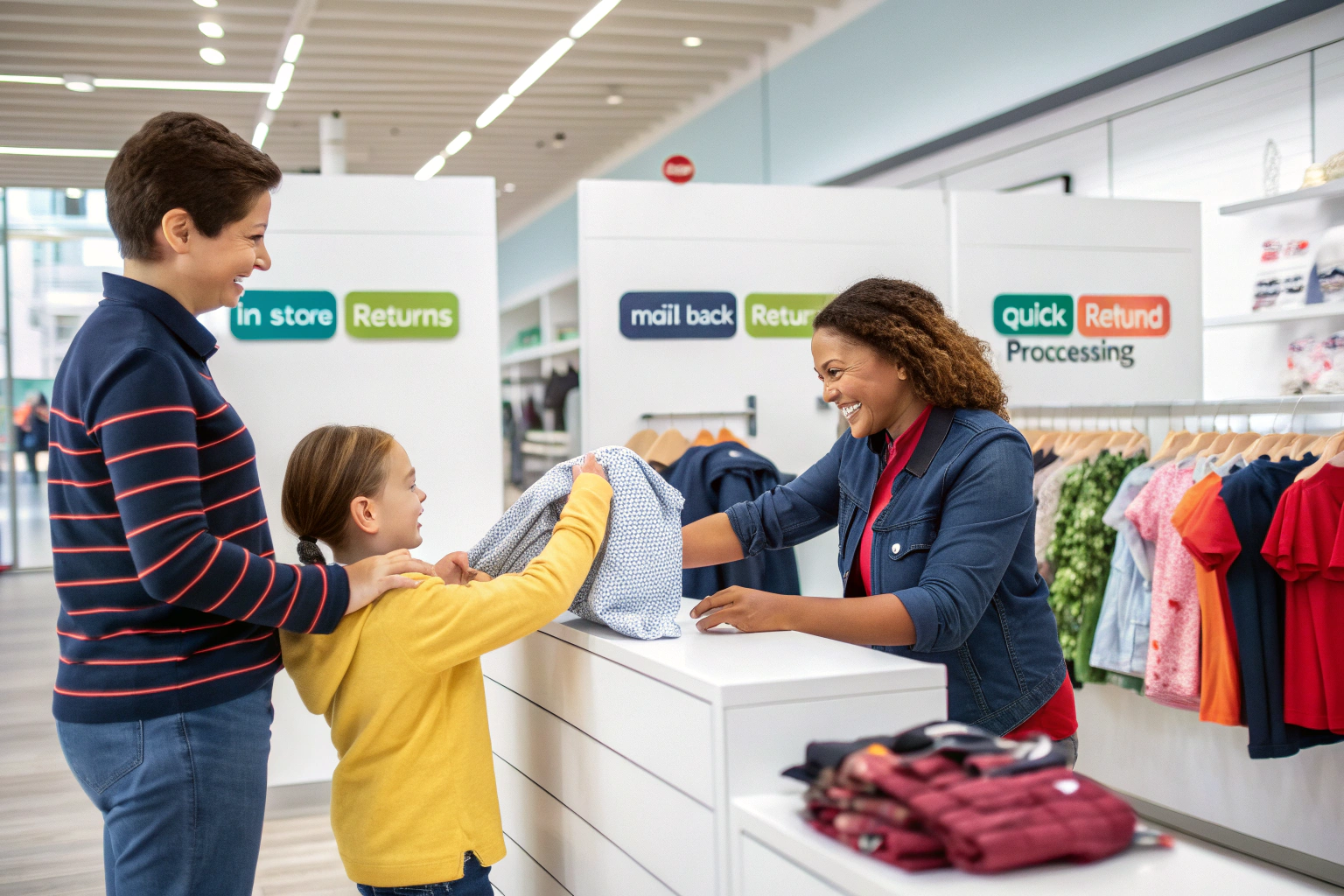
Providing multiple return channels significantly enhances customer convenience. In-store returns for items purchased online eliminate shipping costs and delays. Pre-paid return labels included with orders reduce customer effort. For digital-native brands without physical stores, partnerships with third-party return locations (like UPS Stores or pharmacy chains) provide similar convenience. Some innovative brands offer "return from home" services where carriers collect returns during regular delivery routes. The key is recognizing that different customers prefer different return methods, and offering options increases satisfaction across your customer base.
How does returns processing impact customer retention?
The returns experience often determines whether a one-time buyer becomes a loyal repeat customer, making efficient and empathetic processing crucial for long-term business success.
Returns processing impacts customer retention through communication transparency, refund speed, exception handling flexibility, and opportunities to convert returns into exchanges or future credit. A positive returns experience can actually increase customer loyalty more than a flawless initial purchase.

Why is communication crucial during returns?
Proactive communication throughout the returns process eliminates uncertainty and builds trust. Automated confirmation emails when returns are received, status updates during inspection and processing, and immediate notification when refunds are issued all contribute to a transparent experience. For children’s wear specifically, including sizing guidance or fit advice in return communications can help customers make better selections next time. The most sophisticated systems provide tracking for return shipments themselves, so customers know exactly when their return will arrive and be processed.
How can refund speed become a competitive advantage?
Accelerated refund processing significantly impacts customer perception and likelihood to repurchase. While traditional refunds might take 7-14 days to appear on credit card statements, immediate refunds upon return scanning or instant store credit options create positive experiences that customers remember. Some brands issue refunds as soon as the return tracking shows the package is en route back to the warehouse, accepting the small risk of lost packages in exchange for significant customer goodwill. For children’s wear where repeat purchases are common due to growth, this accelerated processing encourages customers to shop again quickly.
How can returns data drive product improvements?
Returns represent a valuable source of product feedback that, when properly analyzed, can lead to significant improvements in sizing, design, and customer satisfaction.
Returns data drives product improvements by identifying consistent sizing issues, revealing material or construction flaws, highlighting design elements customers dislike, and uncovering discrepancies between product descriptions and customer expectations. This intelligence transforms returns from pure cost to R&D opportunity.

What specific insights can returns data provide?
Categorizing returns by specific reasons—sizing too small/large, fabric complaints, construction issues, style not as expected—creates actionable intelligence for product teams. For children’s wear, analyzing which sizes are returned most frequently for fit issues can reveal problems with size charts or pattern grading. Tracking which styles have high return rates despite normal sizing indicates design or aesthetic mismatches with customer expectations. Material-related returns provide feedback on fabric performance in real-world use. Systematic analysis of this data should directly inform future product development decisions.
How can returns analysis optimize sizing and fit?
Children’s wear brands can use returns data to refine their sizing standards beyond industry norms. If a particular style is consistently returned for being too narrow in the hips, future iterations can be adjusted accordingly. Analyzing the relationship between labeled size and customer comments about fit can reveal whether your sizing runs larger or smaller than customer expectations. Some advanced brands use returns data to create brand-specific sizing recommendations or to develop different fit profiles (slim, regular, relaxed) that better serve their customer base’s actual body types.
How can eco-friendly returns reduce environmental impact?
Traditional returns processes generate significant waste and carbon emissions, but innovative approaches can align returns with growing consumer expectations for sustainability.
Eco-friendly returns reduce environmental impact through consolidated return shipping, minimal and reusable packaging, donation options for non-resalable items, and repair services that extend product lifecycles. These approaches appeal to environmentally conscious parents while potentially reducing costs.

What packaging innovations support sustainable returns?
The traditional approach of returning items in single-use packaging generates enormous waste. Sustainable alternatives include reusable mailers that customers can use for multiple returns, minimal packaging requirements that eliminate unnecessary boxes and filler, and consolidated return programs where customers accumulate several items before returning. Some brands offer packaging-free returns where customers can bring online purchases to partner retail locations without any box at all. For children’s wear specifically, which often involves frequent small returns, these approaches significantly reduce environmental impact while often lowering shipping costs.
How can non-resalable returns be handled responsibly?
Children’s wear returns that cannot be resold due to removed tags, minor wear, or hygiene concerns present both a challenge and opportunity. Rather than discarding these items, forward-thinking brands establish partnerships with charitable organizations that can distribute them to children in need. Some brands offer customers the option to donate returns directly to charity in exchange for store credit, creating a positive emotional experience. For items with minor defects, repair programs can restore them to salable condition while demonstrating commitment to reducing waste. These approaches turn potential losses into brand-building opportunities that resonate with modern families.
Conclusion
Effectively handling kids clothing returns requires viewing them not as business failures but as inevitable aspects of serving this particular market segment. By implementing customer-friendly policies, processing returns efficiently, leveraging returns data for product improvements, and adopting sustainable practices, brands can transform returns from a cost center into a strategic advantage.
The most successful approaches recognize that children’s wear purchases come with inherent uncertainties—about sizing, style preferences, and timing—that make returns more common than in other apparel categories. Rather than fighting this reality, embracing it with generous but well-structured policies builds customer trust and loyalty.
Additionally, the intelligence gathered from returns provides invaluable feedback for improving product development, sizing accuracy, and customer communication. Brands that systematically analyze and act on this information continuously enhance their offerings and reduce future return rates.
Ultimately, in the competitive children’s wear market, an exceptional returns experience can become a significant differentiator that keeps families coming back throughout their children’s growth journey.
Ready to optimize your kids clothing returns process? Our expertise includes developing return strategies that balance customer satisfaction with business sustainability while gathering valuable product intelligence. Contact our Business Director, Elaine, at elaine@fumaoclothing.com to discuss how we can help you transform returns management into a competitive advantage.