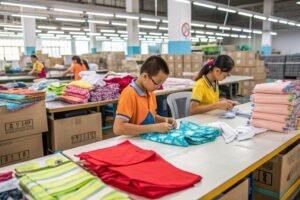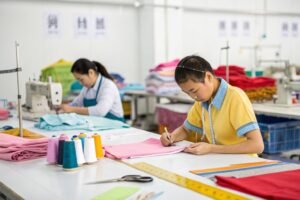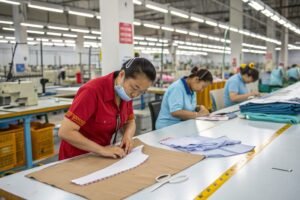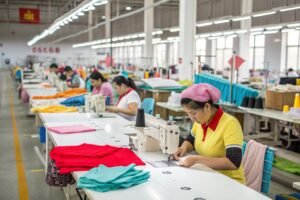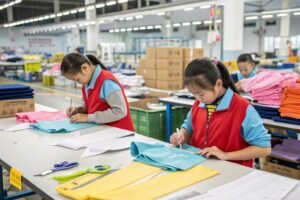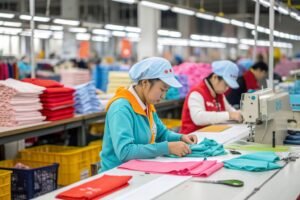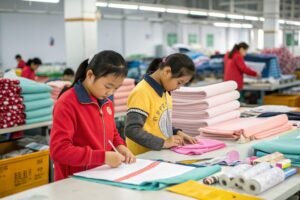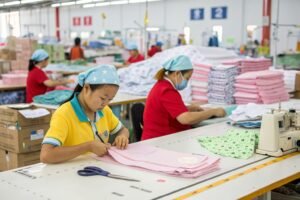
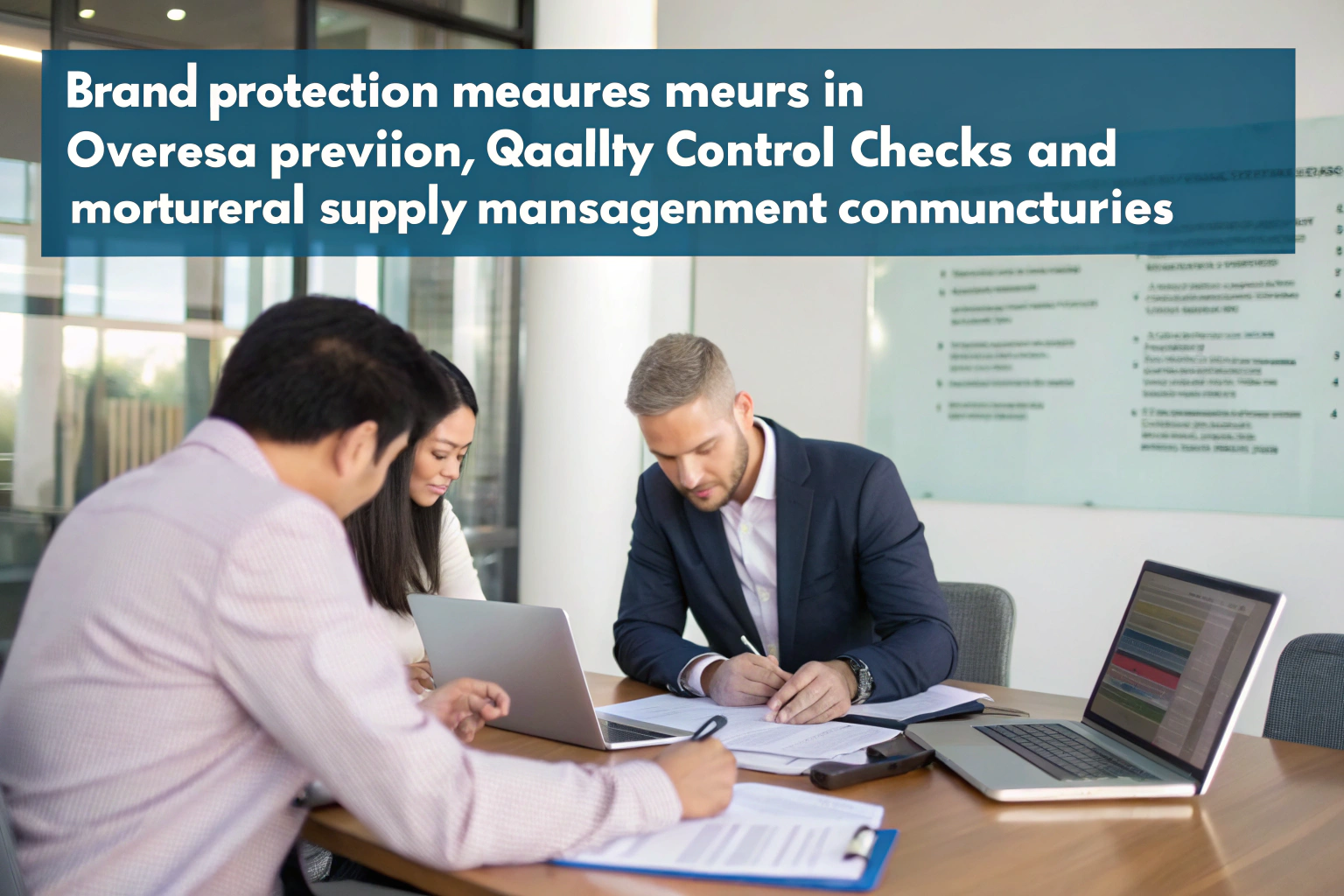
Manufacturing children’s wear overseas offers significant cost advantages and production capabilities, but it also introduces substantial risks to your brand’s intellectual property, quality reputation, and legal compliance. Protecting your brand requires a comprehensive strategy that addresses these vulnerabilities throughout the manufacturing relationship.
To protect your brand when manufacturing kids wear overseas, you must implement robust intellectual property protection, establish clear quality control systems, maintain supply chain transparency, use strategic legal agreements, and build relationships that align factory success with your brand protection. This multi-layered approach creates both formal protections and practical incentives for factories to respect your brand interests.
Brand protection extends beyond preventing counterfeiting to encompass quality consistency, safety compliance, ethical manufacturing verification, and design integrity. For children’s wear specifically, where safety and regulatory compliance are paramount, brand protection directly impacts consumer trust and legal liability. Let’s explore the specific strategies that safeguard your brand when manufacturing overseas.
How can you secure your intellectual property during production?
Intellectual property represents one of your most valuable brand assets, yet it’s particularly vulnerable during overseas manufacturing where enforcement may be challenging. Protecting designs, patterns, and brand identity requires both legal mechanisms and practical safeguards.
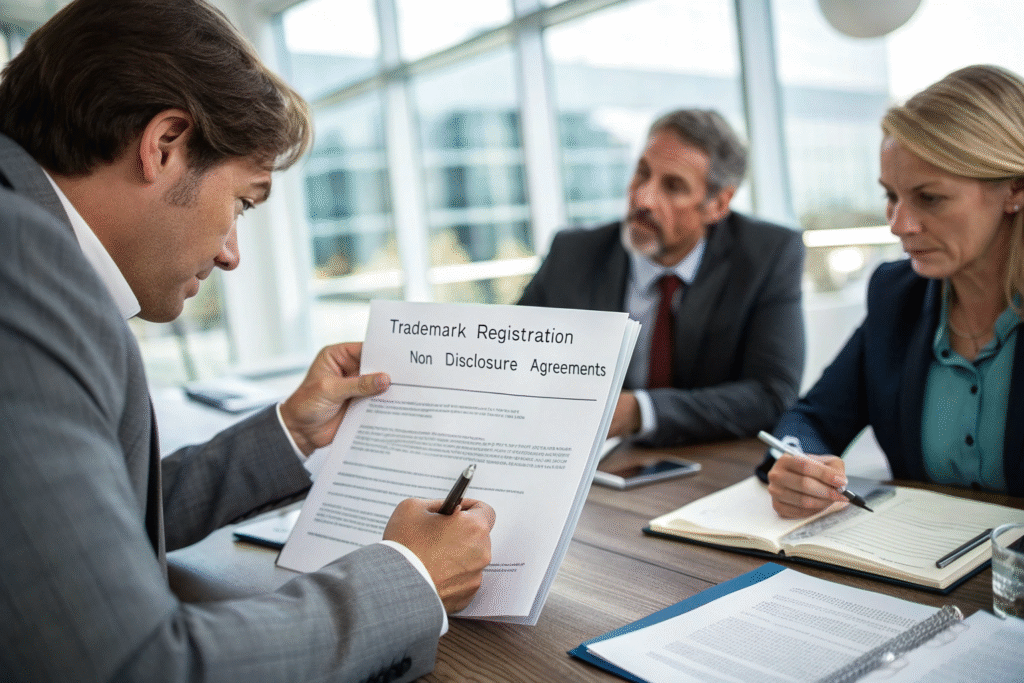
Secure your intellectual property during production by registering trademarks and designs in manufacturing countries, implementing component sourcing strategies that fragment proprietary information, using non-disclosure and non-compete agreements, and maintaining careful control over technical documentation. These measures create multiple layers of protection.
What legal registrations provide the strongest protection?
Registering your trademarks, designs, and patents in both your home country and manufacturing countries establishes legal standing to take action against infringement. For children’s wear, design patents can protect unique garment shapes or distinctive decorative elements, while copyright may protect original prints and patterns. Utility patents might cover innovative functional features like unique closure systems or growth accommodation mechanisms. These registrations should be completed before sharing designs with potential manufacturing partners, as some jurisdictions operate on a first-to-file basis.
How can supply chain segmentation protect proprietary elements?
Implementing a segmented sourcing strategy where different factories produce specific components can prevent any single manufacturer from having access to your complete product designs. For example, you might source fabrics from one specialist mill, have another factory perform cutting and printing, and use a third for assembly. This approach requires more coordination but significantly reduces the risk of entire product designs being copied. Additionally, using custom-developed components like proprietary prints, unique trims, or specially developed fabrics makes replication more difficult for manufacturers working with standard materials.
What quality control systems prevent brand damage?
Inconsistent quality represents one of the most immediate threats to your brand reputation when manufacturing overseas. Implementing rigorous quality control systems ensures products meet your standards before they reach customers.
Quality control systems prevent brand damage by establishing clear quality standards, implementing inspection protocols at multiple production stages, using standardized measurement and evaluation methods, and maintaining documentation that supports quality claims. These systems provide both prevention and verification of quality standards.
How can you implement effective production monitoring?
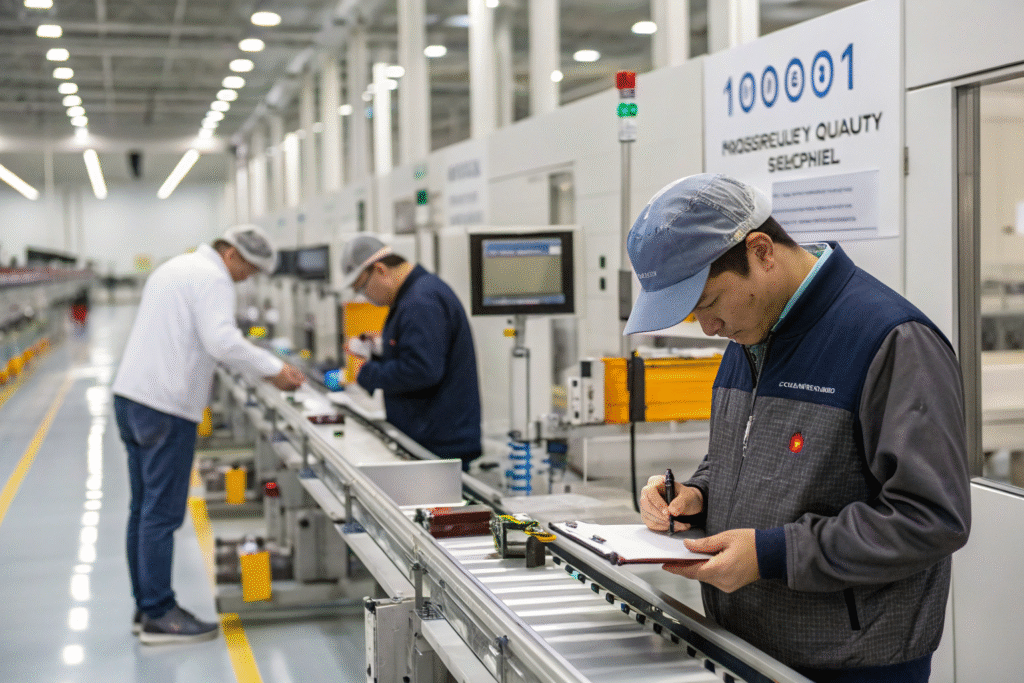
Establishing a comprehensive quality management system should include pre-production approval of materials and components, in-process inspections during key manufacturing stages, and final random inspection following internationally recognized standards like AQL (Acceptable Quality Level). For children’s wear, additional safety inspections should verify compliance with relevant regulations like CPSIA for the US market or EN 14682 for Europe. Many brands use third-party inspection services to provide objective verification, particularly during initial production runs with new manufacturing partners.
What documentation supports quality consistency?
Maintaining detailed technical packages that specify every aspect of production—from fabric specifications and construction methods to labeling requirements and packaging—creates objective standards against which production can be measured. These documents should include approved samples, photographs of correct and incorrect execution, and clear tolerance ranges for measurements. Additionally, maintaining a quality manual that outlines inspection procedures, defect classification, and corrective action processes ensures consistent application of quality standards across production runs and factory locations.
How does supply chain transparency protect your brand?
Supply chain transparency has evolved from ethical consideration to brand protection necessity, particularly in children’s wear where safety, chemical compliance, and ethical manufacturing directly impact brand reputation.
Supply chain transparency protects your brand by enabling verification of safety and compliance claims, preventing unauthorized subcontracting that introduces quality and ethical risks, supporting sustainability marketing, and providing traceability in case of product issues. Transparency creates accountability throughout the production process.
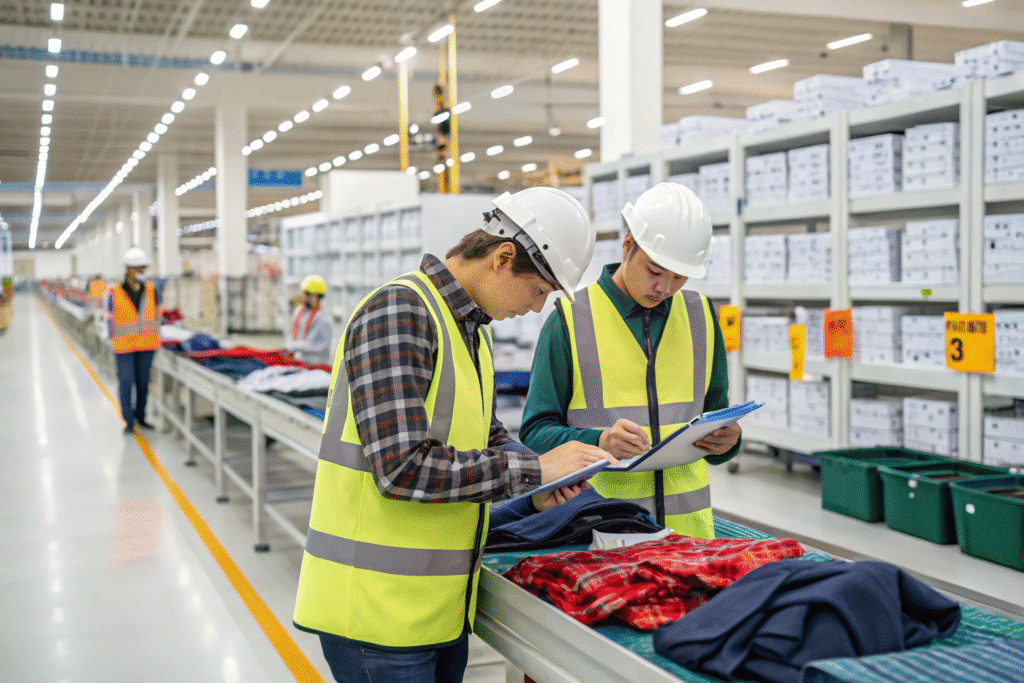
Why is subcontracting control critical for brand protection?
Unauthorized subcontracting represents one of the greatest threats to brand protection, as it moves production to facilities without proper oversight, quality controls, or compliance verification. This practice is particularly risky in children’s wear where safety standards must be rigorously maintained. Your manufacturing agreements should explicitly prohibit unauthorized subcontracting and include audit rights to verify compliance. Some brands require pre-approval of all subcontractors or implement production monitoring systems that can detect unexpected production pattern changes.
How can you verify ethical manufacturing claims?
With growing consumer concern about ethical manufacturing, particularly for children’s products, verifying your supply chain’s compliance with labor standards is essential for brand protection. This typically involves third-party social compliance audits conducted by organizations like amfori BSCI, Sedex, or specialized audit firms. For children’s wear specifically, additional verification may be needed to ensure no child labor is used in production—an especially sensitive issue when manufacturing products for children. Transparent supply chains allow you to confidently make ethical manufacturing claims that support brand positioning.
What legal agreements provide essential protection?
Well-drafted legal agreements create the foundation for brand protection by establishing clear expectations, responsibilities, and remedies in case of disputes or violations.
Legal agreements provide essential protection by defining intellectual property rights, establishing quality standards and consequences for failure, creating confidentiality obligations, specifying compliance requirements, and outlining dispute resolution mechanisms. These contracts should be tailored to address children’s wear specific considerations.
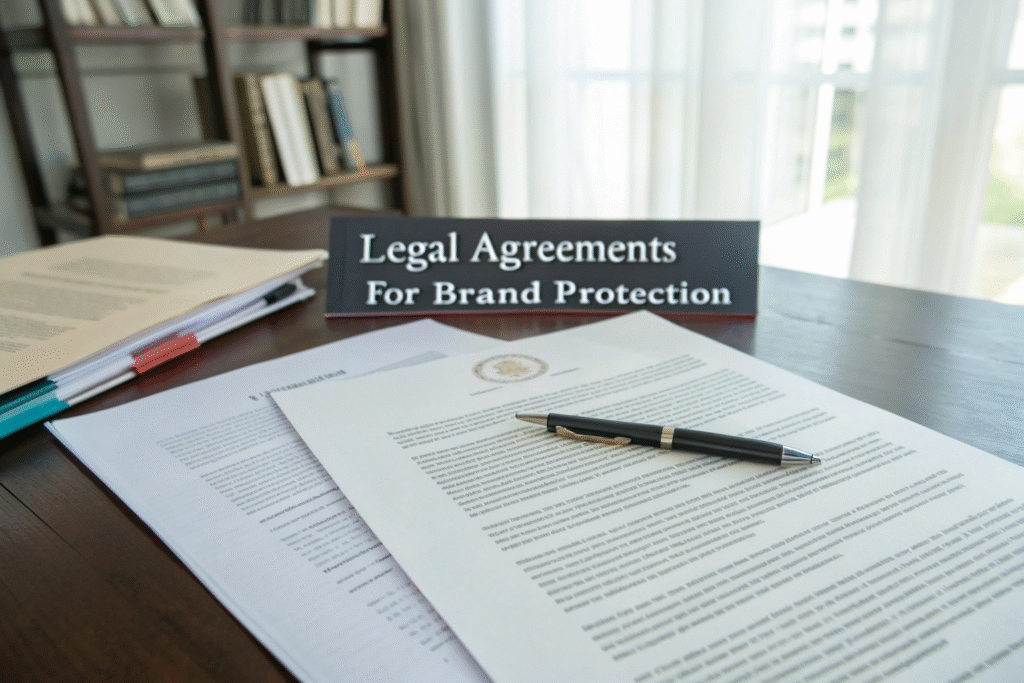
What should manufacturing agreements include for maximum protection?
Comprehensive manufacturing agreements should address intellectual property ownership and protection, quality standards and inspection rights, compliance with safety regulations specific to children’s products, prohibited practices like unauthorized subcontracting, and confidentiality obligations. For children’s wear, special attention should be paid to safety standard compliance, testing requirements, and documentation retention. The agreement should specify governing law and dispute resolution mechanisms, with international arbitration often providing a more practical solution than litigation in foreign courts.
How do non-disclosure and non-compete agreements protect designs?
Non-disclosure agreements (NDAs) should prohibit manufacturers from sharing your designs, technical specifications, or business information with third parties. Non-compete provisions can prevent manufacturers from producing substantially similar products for your competitors, though enforceability varies by jurisdiction. These agreements are particularly important when sharing upcoming seasonal designs or innovative product concepts. For maximum protection, NDAs should be signed before sharing any sensitive information during the manufacturer evaluation process, not after selection.
How can relationship building enhance brand protection?
While legal and procedural protections are essential, the relationship with your manufacturing partner represents one of the most effective brand protection strategies when managed strategically.
Relationship building enhances brand protection by creating mutual investment in success, improving communication that prevents misunderstandings, establishing trust that reduces the need for intensive monitoring, and developing factory loyalty that discourages harmful practices. Strong relationships create intrinsic motivation for protecting your brand interests.

How does strategic partnership approach improve protection?
Treating manufacturers as strategic partners rather than transactional suppliers aligns their success with yours, creating natural incentives to protect your brand. This might include longer-term commitments that provide production stability, fair pricing that enables proper quality execution, and collaborative problem-solving when issues arise. Manufacturers who view your business as valuable and long-term are less likely to engage in practices that jeopardize the relationship, such as unauthorized subcontracting or quality shortcuts.
What communication practices build protective relationships?
Regular, transparent communication creates opportunities to address concerns before they become serious problems. This includes scheduled business reviews, open discussion of challenges, and collaborative planning for future seasons. For children’s wear specifically, maintaining clear communication about safety requirements and compliance expectations ensures these critical elements remain priorities. When manufacturers understand the importance of specific brand protection elements and the consequences of failure, they’re more likely to give them appropriate attention.
Conclusion
Protecting your brand when manufacturing kids wear overseas requires a comprehensive approach that combines legal protections, quality systems, supply chain transparency, and strategic relationships. Each element addresses different vulnerabilities while creating overlapping safeguards that collectively provide robust brand protection.
The most successful strategies recognize that brand protection is an ongoing process rather than a one-time setup, requiring continuous attention, monitoring, and relationship management. By implementing these protective measures, you can access the benefits of overseas manufacturing while minimizing the risks to your brand’s reputation, intellectual property, and market position.
Remember that in children’s wear specifically, brand protection directly impacts product safety and regulatory compliance—areas where failures can have serious consequences beyond commercial impact. A proactive, thorough approach to brand protection is therefore both a business necessity and ethical responsibility.
Ready to implement comprehensive brand protection strategies for your overseas kids wear manufacturing? Our expertise includes establishing the systems, agreements, and relationships that safeguard your brand throughout the production process. Contact our Business Director, Elaine, at elaine@fumaoclothing.com to discuss how we can help you protect your brand while manufacturing overseas.