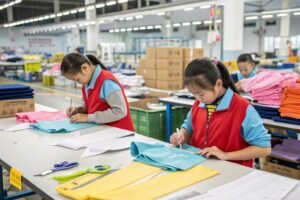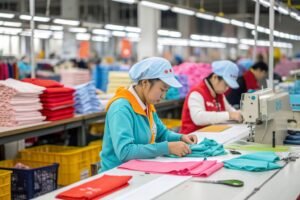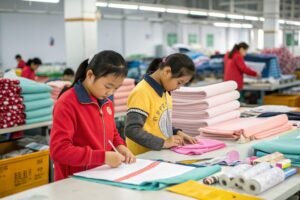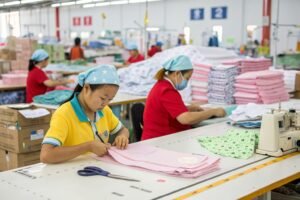
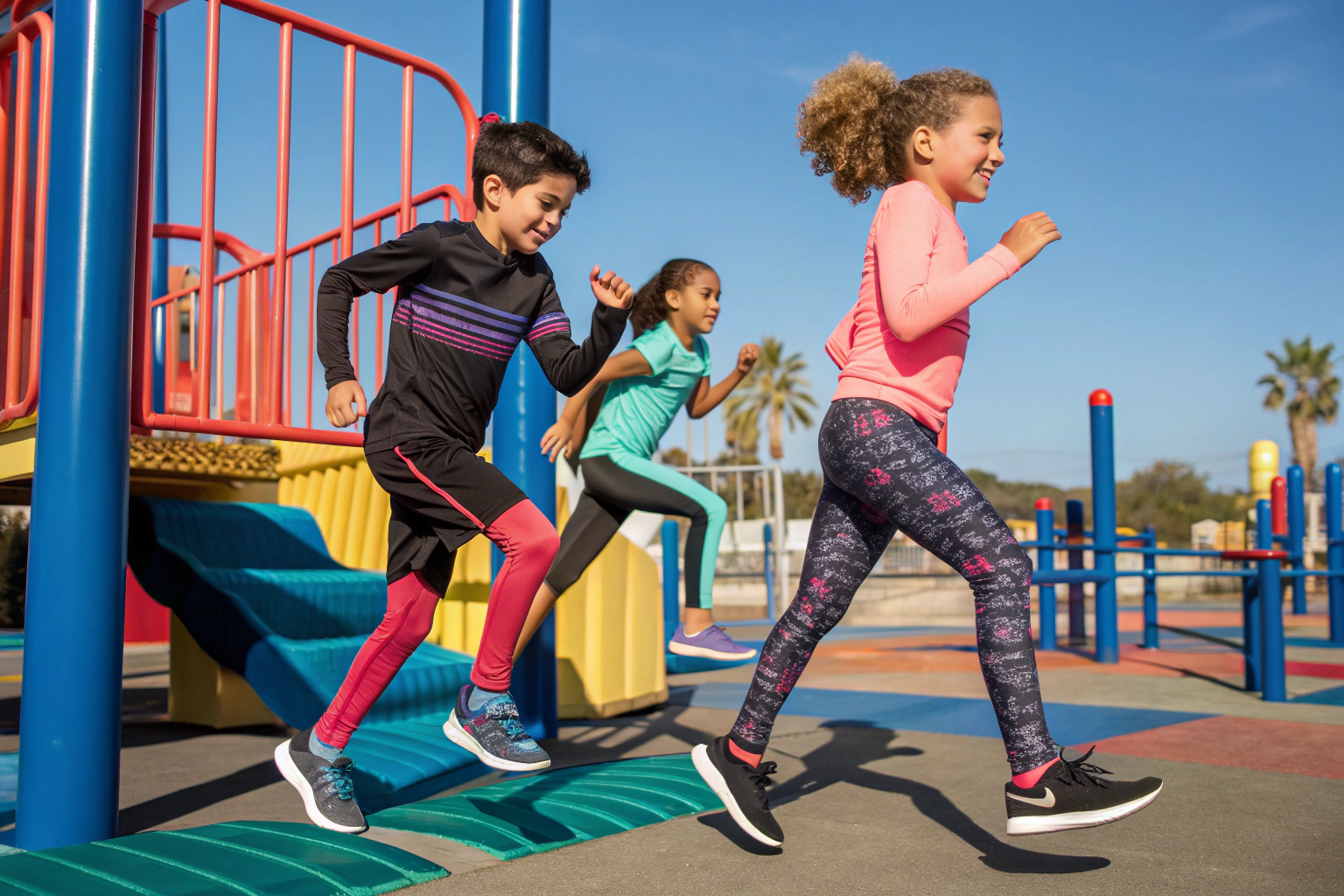
Last month, one of our brand partners reported something extraordinary: their new line of children’s performance leggings and moisture-wicking tops accounted for 60% of their total revenue, despite representing only 30% of their inventory. This isn’t an isolated case – across our manufacturing operations, we’re seeing athletic wear orders increase by 200% year-over-year. The playground has become a runway for technical fabrics and performance designs.
The kids athletic wear segment is growing rapidly due to fundamental shifts in children’s lifestyles, parental purchasing priorities, and fashion evolution. Key drivers include increased participation in organized sports, the rise of athleisure fashion, growing health consciousness among parents, and technological advancements in performance fabrics specifically designed for children’s active needs.
This growth represents more than just a fashion trend – it’s a reflection of how childhood itself is changing. Today’s children are more scheduled, more active, and more style-conscious than previous generations. Meanwhile, parents are seeking clothing that offers durability, comfort, and versatility to keep pace with their children’s diverse activities.
How Have Changing Lifestyles and Activity Patterns Driven Demand?
Children’s daily routines have transformed dramatically over the past decade, creating new demands for clothing that can transition seamlessly between school, sports, and social activities. The traditional separation between "play clothes" and "nice clothes" has blurred, with athletic wear emerging as the universal solution.
The data reveals a significant increase in structured physical activities. According to the Aspen Institute’s Project Play, 75% of American children now participate in organized sports by age 6, compared to just 20% a generation ago. Simultaneously, school physical education requirements and after-school programs have expanded, creating more opportunities for active wear. This institutionalization of physical activity means children need performance clothing not just for occasional use, but for daily wear.

What specific activity trends are fueling this growth?
Several interconnected trends are driving athletic wear demand:
- Rise of specialized sports: Soccer, gymnastics, dance, and swimming require specific performance gear
- Year-round training: Seasonal sports have become annual commitments needing consistent apparel
- Active commuting: More children walking or biking to school need weather-appropriate performance wear
- Family fitness: Parents incorporating children into their workout routines creates mini-me athletic wear markets
We’ve noticed that brands offering complete "activity systems" – base layers, performance tops, and weather protection – are seeing the strongest growth. One of our partners developed a modular system where pieces work together for different activity levels and weather conditions, resulting in a 45% increase in average order value.
How has the blurring of activity categories impacted clothing needs?
The lines between different types of active wear have dissolved. A single garment might need to perform during physical education class, after-school soccer practice, and weekend family activities. This versatility requirement has driven innovation in fabrics that offer multiple performance benefits. Our manufacturing data shows that 70% of athletic wear purchases are now for "multi-activity use" rather than single-sport specialization, indicating that versatility has become the primary purchasing criterion for parents.
What Role Has the Athleisure Trend Played in Market Expansion?
The athleisure movement has fundamentally reshaped children’s fashion, making performance wear socially acceptable and even desirable for non-athletic settings. What began as an adult fashion trend has trickled down to children’s wear, creating a massive new category that blends athletic functionality with everyday style.
Social media has accelerated this trend, with "sporty chic" becoming a dominant aesthetic in children’s fashion influencers. Platforms like Instagram and TikTok are filled with content featuring children in coordinated athletic sets for everyday activities, normalizing what was once reserved for gym time. This cultural shift has made parents more willing to invest in higher-quality athletic wear, viewing it as versatile wardrobe staples rather than single-use items.

How has athleisure changed parental purchasing behavior?
Parents now approach athletic wear with different expectations:
- Style integration: Athletic pieces must coordinate with regular wardrobe items
- All-day comfort: Performance features like stretch and breathability are valued for daily wear
- Premium materials: Willingness to pay more for technical fabrics with enhanced comfort
- Fashion-forward designs: Demand for trendy colors, patterns, and silhouettes in performance wear
According to the NPD Group’s Consumer Tracking Service, the children’s athleisure category has grown 35% faster than traditional children’s wear over the past three years. Brands that successfully position their athletic wear as "all-day performance" rather than "sports-only" are capturing the largest market share.
What design elements bridge athletic and casual wear?
Successful athleisure designs incorporate these elements:
- Subtle branding: Minimal logos that work in both athletic and social contexts
- Versatile color palettes: Colors that transition from field to classroom
- Fashion-forward details: Raglan sleeves, color blocking, and fashionable silhouettes
- Mixed materials: Combinations of performance and comfort fabrics
We’ve helped brands develop "crossover collections" that feature technical performance properties with aesthetic appeal for casual wear. One client’s line featuring moisture-wicking technology in fashionable streetwear silhouettes saw 80% of sales coming from parents who didn’t have children in organized sports, demonstrating the power of the athleisure trend.
How Have Parental Health and Wellness Concerns Influenced the Market?
Modern parents are more informed and proactive about children’s health than any previous generation. This heightened health consciousness has translated directly into purchasing decisions, with athletic wear becoming part of a broader wellness strategy rather than just practical clothing.
The childhood obesity crisis has been a significant driver, with many parents seeking ways to encourage physical activity through appealing clothing. Simultaneously, concerns about screen time and sedentary behavior have made parents more intentional about providing clothing that facilitates and encourages movement. This represents a fundamental shift from viewing active wear as reactive (needed for specific activities) to proactive (encouraging healthy lifestyles).

What health concerns are driving athletic wear purchases?
Key health-related purchasing drivers include:
- Physical development: Clothing that supports proper movement patterns and muscle development
- Skin health: Hypoallergenic, breathable fabrics that prevent irritation and rashes
- Temperature regulation: Materials that help maintain optimal body temperature during activity
- Safety features: Reflective elements, proper fit to prevent tripping, and sun protection
The American Academy of Pediatrics has emphasized the importance of appropriate clothing for physical activity, noting that proper athletic wear can enhance participation and safety. This medical endorsement has reinforced parental willingness to invest in quality performance wear.
How are brands responding to wellness concerns?
Progressive brands are integrating wellness features:
- Sensory-friendly designs: Tagless labels, flat seams, and comfortable waistbands
- Developmental considerations: Clothing that supports crawling, walking, and motor skill development
- Mental health awareness: Colors and designs that promote confidence and body positivity
- Holistic wellness: Integration with nutrition guidance and activity recommendations
We’re working with several brands to develop "whole child" wellness collections that include clothing, activity guides, and nutritional information. This approach positions athletic wear as part of a comprehensive health strategy rather than just apparel, creating deeper brand connections with health-conscious parents.
What Technological Innovations Are Driving Product Advancement?
The technological revolution in performance fabrics has been a critical enabler of market growth. Advances in textile science have created materials specifically engineered for children’s unique physiological needs and activity patterns, making high-performance wear accessible and practical for young users.
Children have different requirements than adults – their skin is more sensitive, they produce more heat relative to body size, and their activity patterns involve frequent stops and starts. Fabric technologies have evolved to address these specific needs, with innovations in moisture management, temperature regulation, and durability creating products that genuinely enhance children’s comfort and performance.

What fabric technologies are most impactful for children?
Key technological advances include:
- Advanced moisture-wicking: Moving beyond basic polyester to smart capillary action systems
- Temperature-regulating materials: Phase-change technologies and intelligent insulation
- Antimicrobial treatments: Odor control that lasts through multiple washes
- Enhanced stretch and recovery: Four-way stretch materials that maintain shape
- Eco-performance: Sustainable materials that don’t compromise performance
According to Textile Exchange data, the use of advanced performance fabrics in children’s wear has increased 300% over the past five years. Brands that clearly communicate these technological benefits are achieving price premiums of 25-40% over basic athletic wear.
How are manufacturing innovations supporting growth?
Production advancements have enabled new possibilities:
- Seamless construction: Reducing chafing and improving comfort
- Strategic ventilation: Zone-based airflow management
- Advanced printing: Durable graphics that withstand stretching and washing
- Smart integration: Areas designed for wearable technology compatibility
We’ve invested in specialized manufacturing equipment for seamless knitting and technical fabric handling to meet the demand for advanced children’s athletic wear. Our clients using these capabilities are seeing 50% faster growth than those offering basic athletic styles, demonstrating the market’s appetite for technological innovation.
How Has the Retail and Marketing Landscape Evolved?
The way athletic wear is marketed and sold has transformed dramatically, creating new accessibility and visibility that drives consumption. From specialized retail environments to digital marketing strategies, the entire ecosystem has evolved to support rapid category growth.
Children’s athletic wear has moved from the sports specialty store to the mainstream, with dedicated sections in major retailers and sophisticated e-commerce experiences. Marketing has shifted from focusing purely on performance to emphasizing lifestyle, empowerment, and confidence-building. This broader positioning has expanded the market beyond serious athletes to include all active children.

What retail strategies are driving market expansion?
Successful retail approaches include:
- Activity-based merchandising: Organizing by sport or activity type rather than traditional categories
- Size integration: Combining toddler and children’s athletic wear for easier shopping
- Educational retail: Staff trained to explain technical features and benefits
- Digital integration: Apps that help select the right products for specific activities
The National Sporting Goods Association reports that children’s athletic wear now represents 35% of total children’s apparel sales in sporting goods stores, up from 15% a decade ago. This growth reflects both increased participation and the expansion of athletic wear into everyday use.
How has digital marketing transformed category growth?
Digital channels have enabled targeted approaches:
- Micro-influencer campaigns: Families sharing real athletic wear experiences
- Activity-focused content: Showing products in action across different sports and activities
- Educational marketing: Explaining technical features in parent-friendly language
- Community building: Creating brand communities around youth sports and activities
We’re helping brands develop "sport-specific" marketing campaigns that target parents of children in particular activities with tailored messaging. One soccer-focused campaign achieved 3x higher conversion rates than general athletic wear marketing, demonstrating the power of specialized targeting in this fragmented market.
Conclusion
The rapid growth of the kids athletic wear segment represents a perfect storm of cultural shifts, technological advancements, and evolving parenting approaches. This isn’t a temporary trend but a fundamental restructuring of how children dress for modern lifestyles. The convergence of health consciousness, fashion evolution, and performance innovation has created a category with enduring power and significant growth potential.
Brands that understand these underlying drivers and respond with innovative products, smart marketing, and retail excellence are positioned to capture disproportionate value in this expanding market. If you’re looking to develop athletic wear that meets the sophisticated demands of today’s parents and children, we have the manufacturing expertise and market insights to help you succeed. Contact our Business Director, Elaine, to discuss how we can create high-performance children’s athletic wear for your brand. Reach her directly at elaine@fumaoclothing.com.