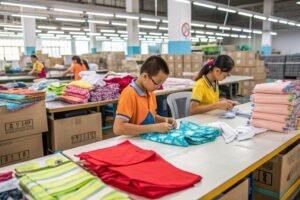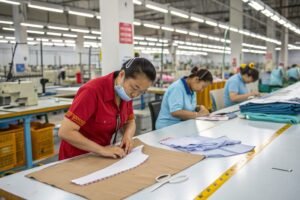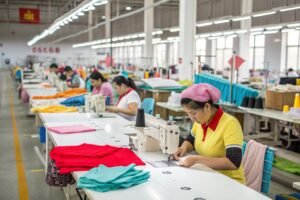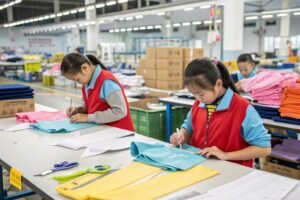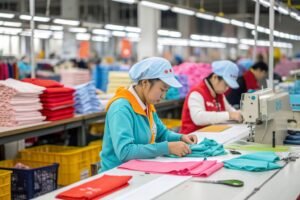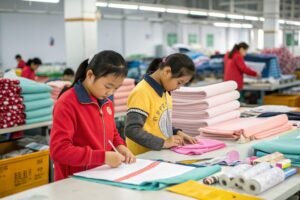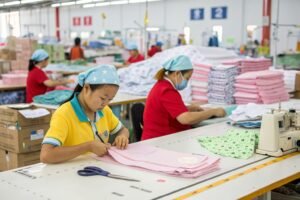
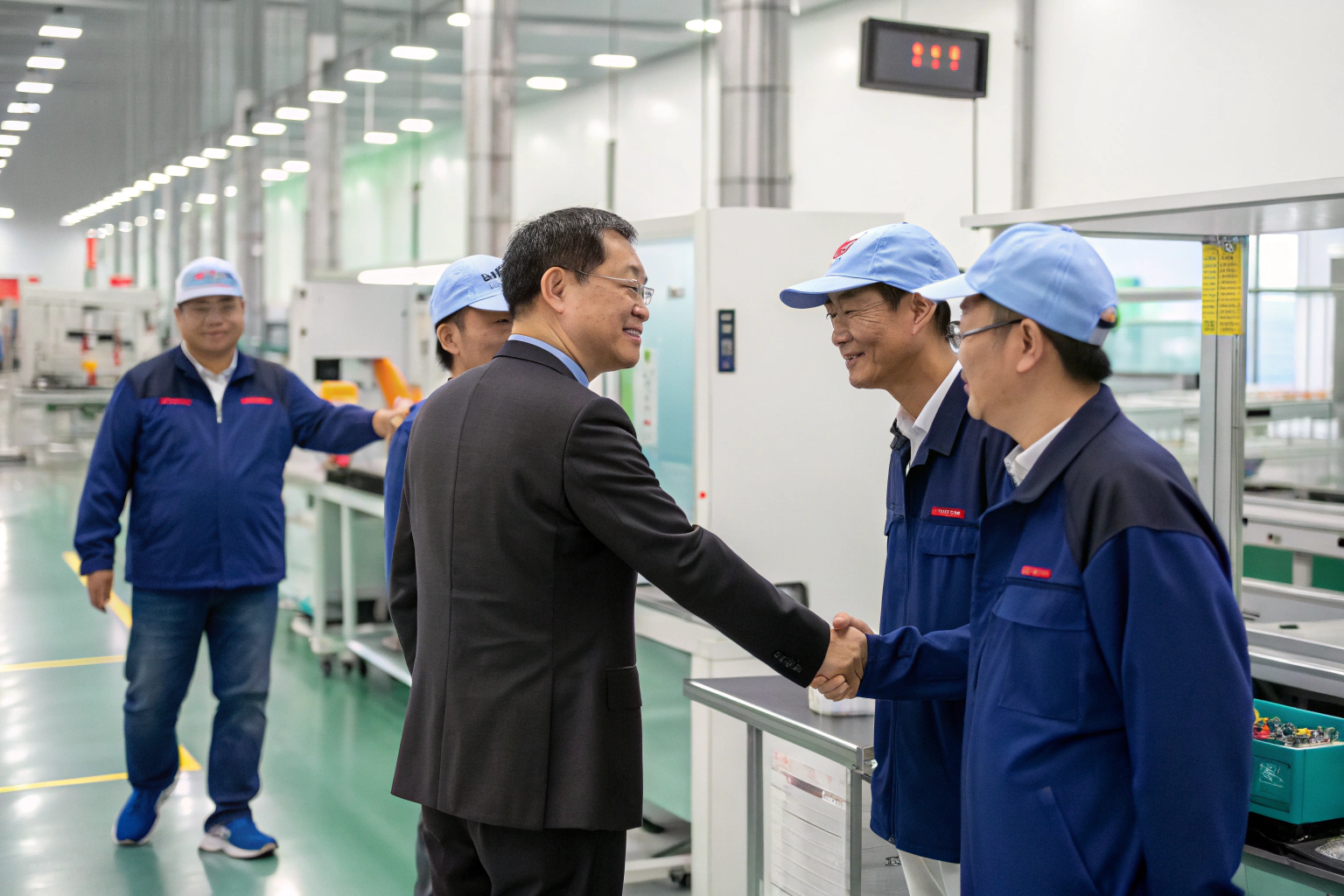
I still remember the first time a major US brand flew to visit our factory in Shanghai. The CEO walked through our production lines, inspected our quality control stations, and spent hours with our technical team. By the end of the visit, he told me something that changed our business: "I don’t just trust your factory – I trust your people." That moment taught me that trust isn’t built through contracts alone, but through consistent actions and transparent relationships.
Building trust with your overseas clothing manufacturer requires consistent communication, financial transparency, technical competence demonstration, and treating the relationship as a strategic partnership rather than a transactional arrangement. The most successful brands establish clear expectations, maintain open dialogue about challenges, and invest in understanding their manufacturer’s capabilities and constraints.
Trust transforms the manufacturing relationship from a constant negotiation into a collaborative partnership. When manufacturers trust their clients, they prioritize their orders during capacity crunches, provide honest counsel about design feasibility, and go the extra mile when unexpected challenges arise. Similarly, when brands trust their manufacturers, they share long-term plans, provide realistic forecasts, and create an environment where problems can be solved together rather than hidden.
Why Is Transparent Communication The Foundation Of Trust?
Communication breakdowns cause more failed manufacturing relationships than any technical deficiency. The physical distance and cultural differences inherent in overseas manufacturing make proactive, transparent communication not just beneficial, but essential for success.
Time zone differences alone can create 12-16 hour communication gaps, making clear documentation and systematic updates crucial. We’ve found that brands who establish regular video conference schedules, provide detailed technical packs, and maintain shared project management systems experience 60% fewer production errors and resolve issues 45% faster. The goal isn’t just frequent communication, but effective communication that prevents misunderstandings before they impact production.

How can you establish effective communication protocols?
Implement structured communication channels from day one. Designate primary contacts on both sides with backup personnel. Schedule weekly video calls that include both technical and commercial team members. Use shared platforms like Trello or Asana for tracking development milestones. Most importantly, establish escalation protocols for urgent issues that bypass normal channels. One of our most successful clients provides us with 24-month rolling forecasts, allowing us to reserve capacity and source materials proactively. This level of transparency enables us to treat their business as an extension of our own.
What communication habits build mutual respect?
Respond to emails within one business day, even if just to acknowledge receipt and provide a timeline for detailed response. Be transparent about both good and bad news – if you’re experiencing slow sales that might affect future orders, share this information early so we can adjust production planning. When problems occur, focus on solutions rather than blame. We remember which clients supported us during the COVID shipping crisis when we faced unprecedented delays, and we prioritize those relationships today. According to Harvard Business Review research, companies that maintain transparent communication during crises preserve 50% more trust than those who become defensive or avoidant.
How Does Financial Integrity Strengthen Manufacturing Relationships?
Financial practices often reveal more about a business relationship than any contract clause. How brands handle payments, cost negotiations, and financial challenges directly impacts the trust and priority they receive from manufacturers.
The most damaging pattern we see is brands who consistently push for unrealistic cost reductions after orders are confirmed. This creates an adversarial dynamic where manufacturers may feel compelled to cut corners to meet price targets. In contrast, brands who approach costing as a collaborative process – discussing ways to achieve target prices through design modifications or fabric alternatives – build relationships where manufacturers willingly share cost-saving ideas without being asked.

What payment practices demonstrate reliability?
Stick to agreed payment terms consistently. The standard 30% deposit/70% balance before shipment only works when both parties honor their commitments. Brands who consistently delay balance payments quickly find their future orders deprioritized. For larger orders, consider progressive payment schedules that align with production milestones. One of our most trusted clients moved to a 30%/40%/30% structure (deposit/production completion/balance), which significantly improved our cash flow and demonstrated their understanding of our operational needs. This gesture of goodwill resulted in us allocating them premium production slots during peak season.
How should you handle cost negotiations?
Be transparent about your budget constraints and target margins. When we understand a brand’s business model, we can often suggest alternative materials or construction methods that achieve their price points without compromising quality. Avoid using multiple manufacturers to bid against each other for the same project – this commoditizes the relationship. Instead, develop a primary manufacturing partnership with one or two trusted factories, and be open about how their pricing compares to the market. We provide our core partners with detailed cost breakdowns showing material, labor, and overhead components, which helps them understand where their money is going and builds confidence in our pricing integrity.
What Technical Competencies Build Confidence In Your Manufacturer?
Trust in manufacturing isn’t just about intentions – it’s about capabilities. Brands need tangible evidence that their manufacturer possesses the technical expertise, quality systems, and operational discipline to consistently deliver on promises.
The proof comes through demonstrated competence across multiple dimensions: consistent quality output, adherence to timelines, technical problem-solving ability, and compliance with safety and ethical standards. We encourage potential partners to conduct thorough factory audits, review our quality control documentation, and speak with our existing clients. The manufacturers who welcome this scrutiny are typically those with nothing to hide and everything to prove.

How can you verify quality management systems?
Request documentation of their quality control processes, including their AQL (Acceptable Quality Level) standards, inspection protocols, and corrective action procedures. Look for certifications like ISO 9001 which demonstrate systematic quality management. During factory visits, observe whether quality checks are integrated throughout production or only conducted at the end. We provide clients with access to our digital quality dashboard, showing real-time defect rates and corrective actions for their orders. This transparency transforms quality from an abstract promise into a measurable, monitored process.
What demonstrates technical problem-solving capability?
Pay attention to how manufacturers respond to technical challenges. Do they proactively identify potential issues in your tech packs? When problems occur, do they present solutions rather than just describing problems? We maintain a technical library of past challenges and solutions, which we share with clients to demonstrate our learning culture. Recently, when a client’s fabric was pilling excessively, our R&D team developed a specialized finishing process that resolved the issue without changing the fabric hand-feel. This type of proactive problem-solving builds far more trust than simply executing perfect orders under ideal conditions.
How Does Relationship Investment Pay Long-Term Dividends?
The most successful manufacturing relationships view themselves as strategic partnerships where both parties invest in each other’s success. This mindset transforms transactions into collaborations and suppliers into partners.
Relationship investment takes many forms: visiting the factory regularly, involving manufacturers early in your design process, sharing your business roadmap, and understanding their operational challenges. These investments create goodwill that pays dividends during inevitable challenges. When shipping crises hit or material shortages occur, manufacturers naturally prioritize clients who have invested in the relationship over those who treat them as interchangeable commodities.

What specific actions demonstrate partnership commitment?
Schedule regular face-to-face meetings, even when things are going smoothly. These visits shouldn’t just be inspection tours – they should include strategic discussions about future collections, industry trends, and mutual opportunities. Involve your manufacturer in your design development process rather than just sending completed tech packs. We allocate our most experienced technicians to clients who engage us during their conceptual design phase, as this early involvement prevents costly corrections later and demonstrates true partnership.
How can you support your manufacturer’s continuous improvement?
Provide constructive feedback that helps your manufacturer improve. When issues occur, focus on process improvements rather than individual blame. Share insights from your market that might help them serve you better. We’ve developed several specialized capabilities specifically at the request of partner brands who invested time in explaining their needs and providing technical resources. One client even funded a technician’s advanced training in sustainable dyeing processes, which benefited both companies and deepened our relationship commitment. According to MIT Sloan Management Review, manufacturers who receive structured feedback from clients improve their performance 35% faster than those who only receive basic compliance requirements.
Conclusion
Building trust with your overseas clothing manufacturer is a strategic investment that pays continuous dividends through better pricing, priority treatment during capacity constraints, honest counsel about design feasibility, and collaborative problem-solving when challenges inevitably arise. The manufacturers who become true partners can significantly accelerate your growth and enhance your competitive advantage.
Trust transforms the manufacturing relationship from a cost center into a strategic asset. If you’re ready to build this type of relationship with a manufacturer who values transparency, technical excellence, and long-term partnership, we should connect. Contact our Business Director, Elaine, to begin building a foundation of trust for your brand’s manufacturing future. Reach her directly at elaine@fumaoclothing.com.