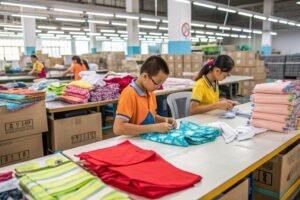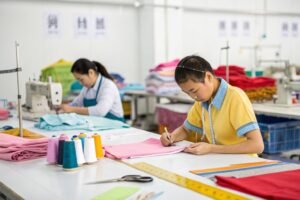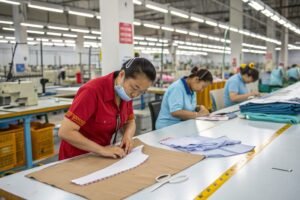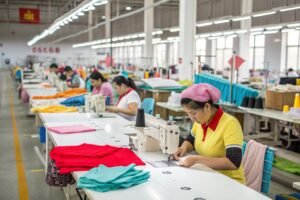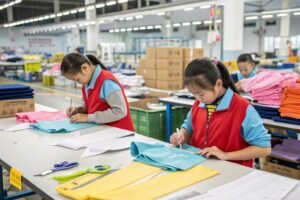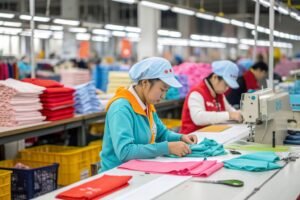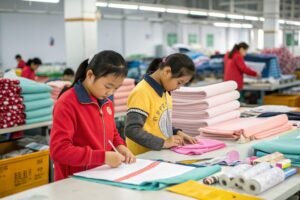

As a children’s clothing manufacturer who has worked with hundreds of emerging brands, I’ve seen countless entrepreneurs launch successful labels with limited capital. The key isn’t having massive resources—it’s deploying your limited resources with exceptional strategy and focus. Many of today’s established brands started exactly where you are now.
Creating a successful kids clothing brand on a budget requires focusing on a specific niche, developing a minimal viable collection, leveraging print-on-demand for testing, building direct customer relationships, and partnering with the right manufacturers who offer low minimums. Success comes from strategic allocation of limited resources rather than trying to compete with established brands across all fronts.
The most common mistake budget-conscious founders make is trying to do too much too soon. The brands that succeed with limited funding are those that identify their unique advantage and concentrate all their resources on exploiting it effectively.
How can you identify your profitable niche?
Finding your specific niche is the most critical first step when operating on a budget. A well-defined niche allows you to compete effectively without needing the marketing budget of larger brands. It transforms your limited resources from a disadvantage to a focused advantage.
Your niche should represent the intersection of your passion, your expertise, and a genuine market need. The most successful niche brands solve a specific problem or serve an underserved community. They don’t try to be everything to everyone but instead become the absolute best choice for their specific customer segment.

What underserved markets exist in children’s wear?
Several underserved markets in children’s wear represent significant opportunities for budget-conscious brands. Adaptive clothing for children with special needs remains dramatically underserved despite growing awareness. Gender-neutral designs that move beyond "blue for boys, pink for girls" appeal to modern parents but remain limited in the market. Specific activity-focused clothing like dance-inspired everyday wear or science-themed apparel connects with children’s passions. Sustainable clothing at accessible price points represents a growing gap as eco-conscious millennials become parents. Additionally, culturally specific designs that celebrate particular heritages or traditions often have dedicated but underserved audiences. Each of these niches allows for focused marketing and community building that doesn’t require massive advertising budgets.
How can you validate your niche idea affordably?
Validating your niche idea before significant investment is crucial for budget-conscious founders. Start by engaging directly with potential customers in online communities and social media groups focused on your niche—listen to their frustrations and wishes. Create simple design mockups and gauge reactions through Instagram polls or Facebook groups. Set up a basic landing page describing your concept and measure interest through email signups or pre-orders. Attend local parenting events or markets to discuss your idea directly with potential customers. Use platforms like Etsy or Printful to test designs with print-on-demand before committing to inventory. This validation process ensures you’re solving a real problem before investing in production.
What manufacturing strategies minimize upfront costs?
Smart manufacturing strategies can dramatically reduce your initial investment while still delivering quality products. The key is understanding which corners you can safely cut initially and which are essential to maintain from day one.
Traditional manufacturing approaches often require substantial minimum orders that strain limited budgets. Fortunately, several alternative approaches have emerged that allow for smaller scale production while maintaining quality and professionalism.
| Manufacturing Approach | Minimum Order | Best For | Budget Impact |
|---|---|---|---|
| Print-on-Demand | 1 piece | Testing designs, initial launch | Lowest risk, higher per-unit cost |
| Local Cut-and-Sew | 10-50 pieces | Small batches, local marketing | Moderate investment, quick turnaround |
| Chinese Manufacturers | 100-300 pieces | Scaling validated designs | Best value, requires larger commitment |
| Pre-Order Model | Based on orders | Risk mitigation, community building | Minimal inventory risk, longer wait for customers |
How can you start with smaller minimums?
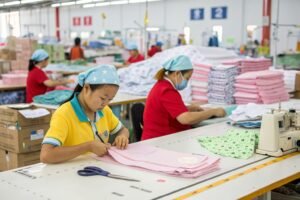
Starting with smaller minimum orders requires strategic approaches that balance affordability with quality. Print-on-demand services allow you to test designs with zero inventory risk, though profit margins are lower. Some Chinese manufacturers like our factory offer programs with minimums as low as 100 pieces per style for emerging brands. Local manufacturing, while more expensive per piece, allows for tiny batches and close quality control. The pre-order model lets you manufacture only what customers have already purchased, eliminating inventory risk. Additionally, focusing on a capsule collection with multiple pieces that share the same fabric reduces your material minimums. Each approach has trade-offs between per-unit cost, minimum commitment, and control over quality.
What should you prioritize in your first collection?
Your first collection should prioritize versatility, cost-effectiveness, and clear brand identity above all else. Focus on 3-5 core styles that can be mixed and matched to create multiple outfits. Choose fabrics that offer good quality at accessible price points, like certified organic cotton that balances ethics and affordability. Develop a cohesive color palette that works across all pieces to simplify production and create a professional presentation. Include mostly evergreen styles with one "hero" piece that generates excitement and represents your brand’s unique perspective. Ensure each piece solves a specific problem for your target customer rather than simply filling a product category. This focused approach maximizes impact while minimizing development and production costs.
How can you market effectively with limited funds?
Marketing a children’s clothing brand on a budget requires creativity, consistency, and community-building rather than large advertising spends. The most effective approaches leverage your unique story and build genuine connections with your audience.
Modern marketing success comes from understanding where your specific customers spend their time and attention, then showing up consistently in those spaces with valuable content rather than constant sales pitches.

What organic social media strategies deliver results?
Organic social media strategies can deliver significant results without financial investment when executed consistently. Focus on 1-2 platforms where your ideal customers are most active—typically Instagram and TikTok for children’s brands. Share behind-the-scenes content that tells your brand story and builds connection. Create value-added content like styling tips, parenting advice, or educational information related to your niche. Encourage and showcase user-generated content from your earliest customers to build social proof. Collaborate with micro-influencers (1,000-10,000 followers) who often work for product exchange rather than payment. Use platform-specific features like Instagram Reels and TikTok videos to maximize organic reach. This consistent, value-driven approach builds an engaged community that converts to sales.
How can you leverage partnerships and collaborations?
Strategic partnerships and collaborations provide powerful marketing amplification with minimal financial investment. Partner with complementary children’s brands (toys, books, accessories) for cross-promotion and bundled offerings. Collaborate with mom-and-pop boutiques for consignment arrangements or local pop-up events. Connect with parenting bloggers or influencers for product reviews and features, focusing on those whose values align with your brand. Develop relationships with children’s activity centers, schools, or play spaces for placement or event participation. Join forces with family photographers who can use your clothing in shoots in exchange for credit and visibility. Each partnership extends your reach into established communities that trust the recommendation source.
What operational strategies preserve cash flow?
Smart operational management is perhaps the most overlooked aspect of building a brand on a budget. Preserving cash flow allows you to weather early challenges and invest in growth opportunities as they arise.
The most common reason promising children’s brands fail isn’t lack of demand but poor cash flow management. Implementing lean operational practices from day one creates resilience and sustainability.

How can you manage inventory to preserve cash?
Intelligent inventory management is crucial for preserving cash in a children’s clothing business. Start with pre-orders to fund initial production without using your capital. Implement a just-in-time inventory approach, producing new batches only as needed rather than stocking deep. Focus on evergreen styles that sell consistently rather than trend-driven pieces that may become obsolete. Use made-to-order for special items or customizations to eliminate inventory risk. Analyze sales data regularly to identify your best performers and slow movers, adjusting production accordingly. Consider seasonal storage solutions that don’t tie up retail space for inventory that won’t sell for months. Each of these approaches reduces the capital tied up in unsold inventory.
What business tools offer the best value?
Choosing the right business tools provides functionality without straining limited budgets. For e-commerce, Shopify offers scalable plans starting with basic functionality that grows with your business. QuickBooks Self-Employed provides essential accounting features at an accessible price point for solopreneurs. Canva Pro delivers professional design capabilities without hiring a designer. Google Workspace offers professional email and collaboration tools for a minimal monthly fee. Social media scheduling tools like Buffer or Later have free tiers sufficient for early-stage brands. Project management can start with free versions of Trello or Asana. Each tool should solve a specific business need without overlapping functionality, and you should regularly evaluate whether each tool delivers sufficient value for its cost.
How can you build brand credibility with limited resources?
Building credibility is essential for a new children’s clothing brand, especially when competing with established players. Fortunately, genuine credibility comes more from customer experience and product quality than from expensive marketing.
Customers need to trust your brand before they’ll purchase, particularly when buying clothing for their children. Building this trust requires demonstrating expertise, quality, and reliability through every customer touchpoint.

What certifications add immediate credibility?
Certain certifications add immediate credibility by demonstrating your commitment to safety and quality. The OEKO-TEX Standard 100 certification signals that your fabrics are free from harmful substances, a key concern for parents. While GOTS organic certification involves more investment, it positions your brand in the premium sustainable space. CPSIA compliance is essential for the US market and should be prominently communicated. Even without formal certifications, transparently sharing your manufacturing partners and processes builds trust. Additionally, featuring customer reviews and testimonials prominently on your site provides social proof. Each certification or transparency effort helps overcome the natural hesitation customers feel toward new brands.
How can customer experience overcome budget limitations?
Exceptional customer experience can differentiate your brand regardless of your budget size. Respond to customer inquiries personally and promptly, creating a connection that mass brands cannot match. Pay attention to packaging details—thoughtful touches like handwritten notes or reusable garment bags create memorable unboxing experiences. Implement flexible return policies that reduce purchase anxiety for new customers. Follow up after purchases to ensure satisfaction and address any issues immediately. Create opportunities for customer feedback and actually implement suggestions when possible. Develop a consistent brand voice across all touchpoints that reflects your values and resonates with your audience. These experiential elements often matter more to customers than minor price differences.
Conclusion
Creating a successful kids clothing brand on a budget is entirely achievable with strategic focus, lean operations, and relentless customer focus. The path involves identifying a specific niche, starting small with manufacturing, marketing through community-building rather than advertising, managing cash flow meticulously, and building credibility through quality and customer experience. The constraint of a limited budget often forces the discipline and creativity that ultimately become competitive advantages as your brand grows.
At Fumao Clothing, we’ve partnered with numerous emerging brands to help them launch successfully with limited capital through our low minimum order programs and manufacturing guidance. If you’re looking for a manufacturing partner who understands the challenges of starting a children’s wear brand on a budget, contact our Business Director, Elaine, at elaine@fumaoclothing.com to discuss how we can help you bring your vision to life while preserving your limited resources for maximum impact.