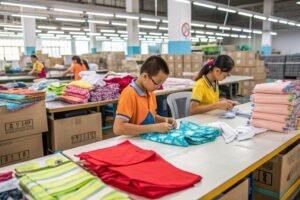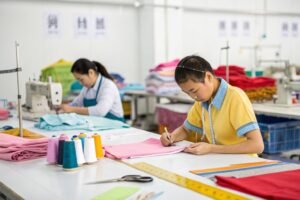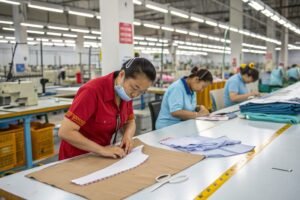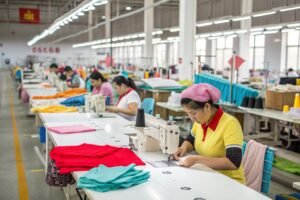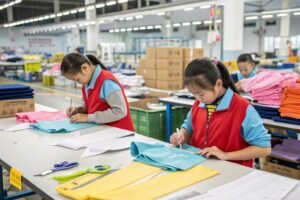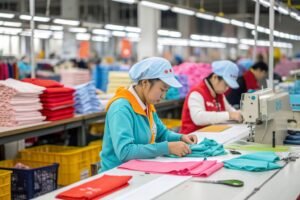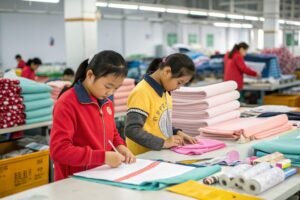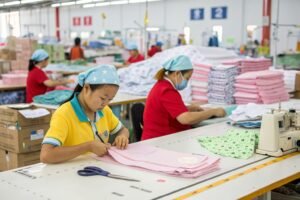
As a children’s clothing manufacturer, I often see buyers focus on design and price first. They sometimes overlook a critical factor: chemical safety. Parents today are more informed than ever. They read labels and demand safe products for their children. If your brand cannot prove its commitment to safety, you risk losing their trust. OEKO-TEX certification is not just a label; it is a powerful tool to build consumer confidence and protect your brand.
OEKO-TEX certification is crucial for kids’ apparel because it provides an independent, scientific guarantee that the textiles are free from harmful levels of over 100 regulated chemicals. Children have more sensitive skin and less developed immune systems, making them more vulnerable to toxic substances. This certification mitigates health risks like allergies, skin irritation, and long-term exposure to carcinogens, thereby ensuring product safety and enhancing brand credibility in a competitive market.
For any brand owner, this certification is a smart business decision. It demonstrates due diligence and a genuine commitment to consumer well-being, which can be a significant competitive advantage.
What does the OEKO-TEX Standard 100 test for?
Many buyers see the OEKO-TEX label but do not understand what it represents. This lack of knowledge can be a liability. The certification process is rigorous and specifically designed for textile safety.
The OEKO-TEX Standard 100 tests for a comprehensive list of harmful substances. The testing goes beyond just the fabric. It includes every component of a garment: threads, buttons, zippers, prints, and dyes. The test parameters are updated annually based on new scientific research, making it one of the most dynamic and stringent standards available. The key substance groups tested include regulated chemicals like heavy metals (e.g., lead and cadmium), formaldehyde, and pentachlorophenol. It also screens for many non-regulated but potentially harmful substances that are not yet legally controlled, putting your brand ahead of future regulations.

How does the certification process ensure safety?
The process ensures safety through independent laboratory testing. A manufacturer submits material samples from every component of its garments to an OEKO-TEX certified institute. These labs are globally recognized and operate with strict neutrality. The testing is product-class specific, with Class I being the strictest level for baby and toddler items under 36 months. The certification is not a one-time event. It requires annual renewal and includes regular audits and unannounced market surveillance tests on finished products. This ongoing control system, detailed by the International OEKO-TEX Association, provides a continuous safety net, ensuring that certified products consistently meet the high standards throughout the certification period.
Why is testing beyond legal requirements necessary?
Testing beyond the minimum legal requirements is a proactive risk management strategy. Laws often lag behind scientific discovery. A chemical may be known to be harmful long before it is officially regulated. By adhering to the OEKO-TEX standard, which bans or limits many such substances, you future-proof your products against sudden legal changes. This protects your brand from costly recalls and reputational damage. Furthermore, it demonstrates to your customers that your brand’s commitment to safety is genuine and not just about legal compliance. This builds a deeper level of trust and brand loyalty, which is invaluable in the competitive children’s wear market.
How does OEKO-TEX protect sensitive children’s skin?
Children are not small adults; their bodies are still developing and are more susceptible to harm. This biological reality makes chemical safety in apparel non-negotiable.
A child’s skin is thinner and more permeable than an adult’s. Their sweat and sebaceous glands are not fully developed, affecting their skin’s barrier function. This means harmful substances can be absorbed more easily. Furthermore, children have a higher surface area to body weight ratio, increasing their potential exposure to any toxins present in textiles. They also tend to put their clothes in their mouths, a behavior known as mouthing. OEKO-TEX certification specifically accounts for this by testing for saliva and perspiration resistance, ensuring that even if a child chews on their sleeve, no harmful substances are released.

What are the specific risks of untreated textiles?
Untreated textiles can pose significant health risks to children. Fabrics processed with conventional methods can contain residues from pesticides, allergenic dyes, and finishing chemicals. For example, formaldehyde, sometimes used in wrinkle-resistant finishes, is a known skin sensitizer and respiratory irritant. Heavy metals like lead, which can be found in certain pigments, are neurotoxins that can affect a child’s developing nervous system. Azo dyes, which can break down into carcinogenic amines, are another concern. The OEKO-TEX standard systematically prohibits these and many other substances, directly mitigating the risk of skin allergies, rashes, and more serious long-term health issues for the end-user.
How does certification prevent allergic reactions?
Certification prevents allergic reactions by setting strict limits on known allergens and skin-irritating substances. The standard includes a comprehensive list of banned allergenic disperse dyes and heavy metals that are common culprits for textile-related contact dermatitis. By requiring that certified products have a skin-friendly pH value, it ensures the fabric is not too alkaline or acidic, which can also disrupt the skin’s natural barrier and cause irritation. This scientific, preventative approach, verified by the STANDARD 100 by OEKO-TEX label, gives parents and brands the assurance that the clothing has been meticulously checked for substances most likely to cause a negative skin reaction in a vulnerable child.
Why is this certification a smart business move?
Beyond the clear ethical imperative, obtaining OEKO-TEX certification is a powerful commercial strategy. It transforms your product’s safety from an unproven claim into a verifiable asset.
In a crowded marketplace, you need a clear differentiator. The OEKO-TEX label is instantly recognizable to a growing segment of eco-conscious and safety-focused parents. It acts as a silent salesperson on your hangtag, justifying a premium price point and influencing purchasing decisions at the point of sale. It also simplifies your marketing. Instead of using vague terms like "non-toxic" or "eco-friendly," you can point to a specific, globally recognized certification that carries weight and authority. This builds immediate trust and reduces the friction of a sale.

How does it enhance brand reputation and trust?
Trust is the foundation of any successful brand, especially in children’s products. OEKO-TEX certification provides tangible proof of your brand’s commitment to safety. It shows you have gone the extra mile, investing in independent verification rather than simply relying on supplier assurances. This transparency builds deep, lasting trust with your customers. When parents see the label, they know a brand cares about the same things they do: their child’s health and well-being. This positive association strengthens brand loyalty and can turn satisfied customers into vocal brand advocates, which is the most effective form of marketing available.
Can it provide a competitive edge in the market?
Absolutely. In the mid-to-high end children’s wear segment, certification is becoming a baseline expectation rather than a bonus. Brands that lack it may soon be at a disadvantage. It gives you a critical edge in negotiations with retailers, who are increasingly requiring such certifications for shelf space. It also serves as a key differentiator against lower-cost, uncertified competitors. You are not just selling clothing; you are selling peace of mind. This value proposition is incredibly powerful and allows you to compete on more than just price, protecting your profit margins and securing your position in the market as a responsible and trustworthy brand.
How to verify a supplier’s OEKO-TEX certificate?
Trust, but verify. This old adage is essential when dealing with supplier claims. A certificate is only valuable if it is authentic and current. Falsified or expired certificates are an unfortunate reality in global sourcing.
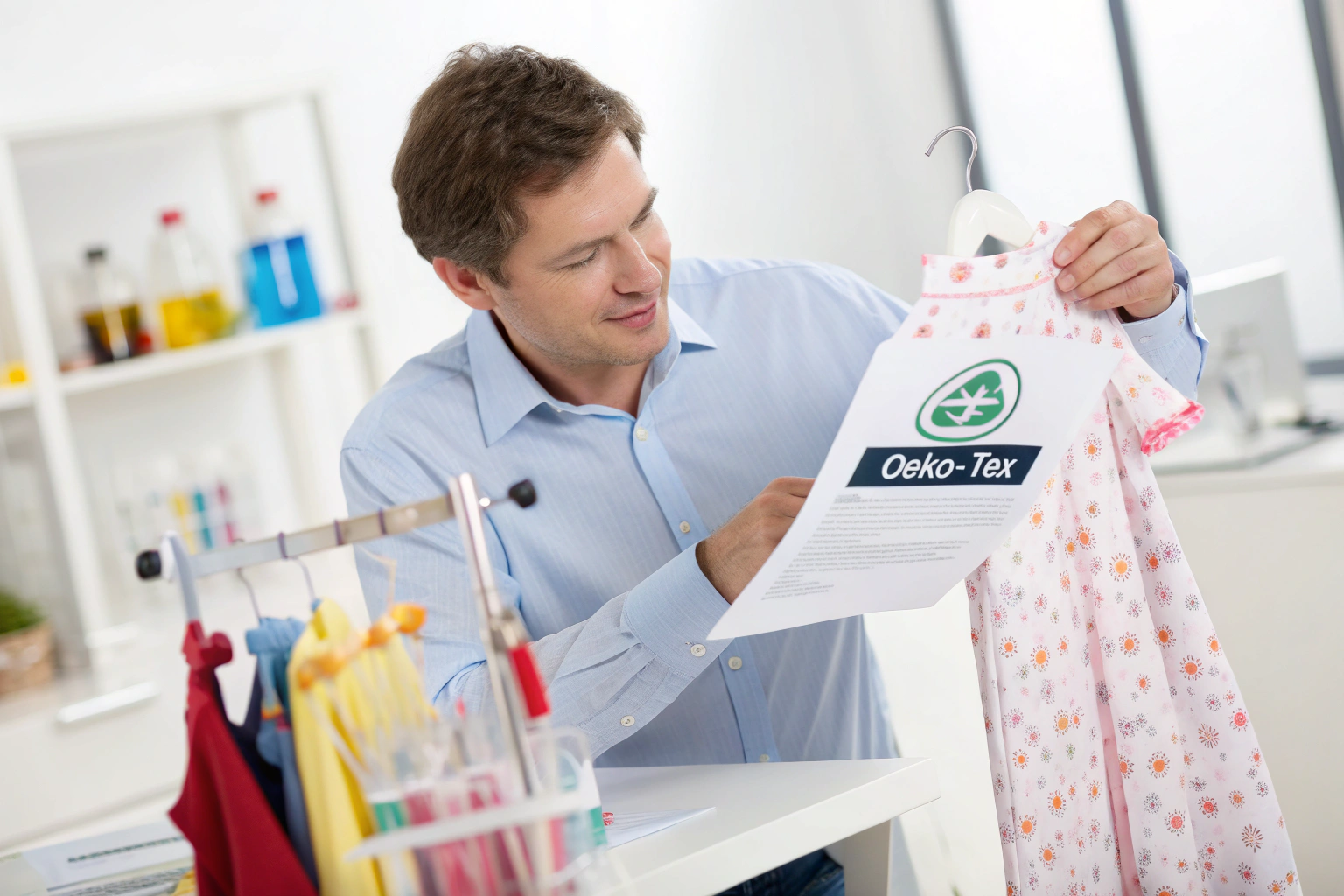
The verification process is straightforward and should be a non-negotiable step in your supplier qualification. Always ask your potential manufacturing partner for a copy of their OEKO-TEX certificate. Do not accept a simple "yes" in response to whether they are certified. The certificate will have a unique number and a list of approved product types and materials. The most crucial step is to cross-check this information on the official OEKO-TEX database, which is free and accessible to the public.
| Verification Step | What to Check | Why It Matters |
|---|---|---|
| Request Certificate | Get a digital copy from the supplier. | This is your starting point for verification. |
| Check Certificate Number | Enter the number on the OEKO-TEX website. | Confirms the certificate is genuine and not forged. |
| Verify Scope & Validity | Confirm the product type and expiry date. | Ensures your specific product is covered and the certification is current. |
| Check Company Name | Match the company name on the certificate with your supplier. | Prevents "certificate borrowing" from a parent company or another factory. |

What are the key details on an OEKO-TEX label?
The OEKO-TEX label and its corresponding certificate contain specific, verifiable information. The most important detail is the unique certificate number. This number is your key to online verification. The certificate will also clearly state the product class (e.g., Class I for babies, Class II for direct skin contact). It lists the certified article(s) or material types and the specific standards met. Crucially, it displays the issue date and the expiry date. Always ensure the certificate is valid for the entire duration of your production cycle. The label on the product itself should include this number, allowing for complete traceability from the store rack back to the certified production facility.
Where can you find the official verification database?
The only authoritative source for verification is the official OEKO-TEX website. You can access their free "Label Check" database directly at https://www.oeko-tex.com/en/label-check. Simply enter the certificate number from your supplier’s document. The database will immediately show you the status of the certificate, the company it is registered to, and the scope of certified products. This quick, one-minute step is your best defense against fraudulent claims and ensures you are partnering with a supplier that values transparency and safety as much as you do. Relying on any other method or source is not recommended.
Conclusion
OEKO-TEX certification is far more than a compliance checkbox. It is a fundamental commitment to child safety, a powerful brand-building tool, and a critical element of risk management for any serious children’s apparel brand. It addresses the very real vulnerabilities of children and the growing demands of modern parents for transparent, verifiable safety standards. By choosing an OEKO-TEX certified manufacturer, you are not just sourcing clothing; you are investing in trust, quality, and the long-term health of your brand.
We at Fumao Clothing hold valid OEKO-TEX certifications for our baby and children’s wear productions, because we believe it is our responsibility to our partners. If you are looking for a manufacturer that embeds safety into every step of the production process, let’s talk. For your next high-quality, certified kids’ wear order, please contact our Business Director, Elaine, at elaine@fumaoclothing.com. We are here to help you build a safer, more successful collection.