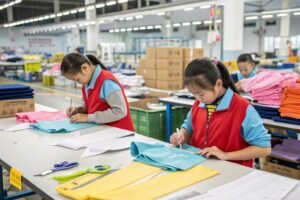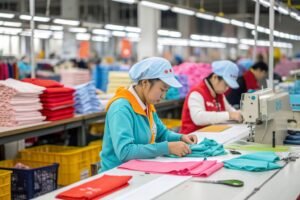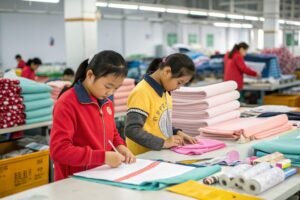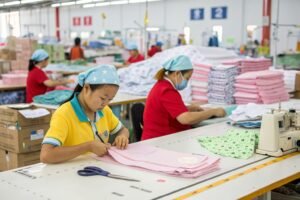
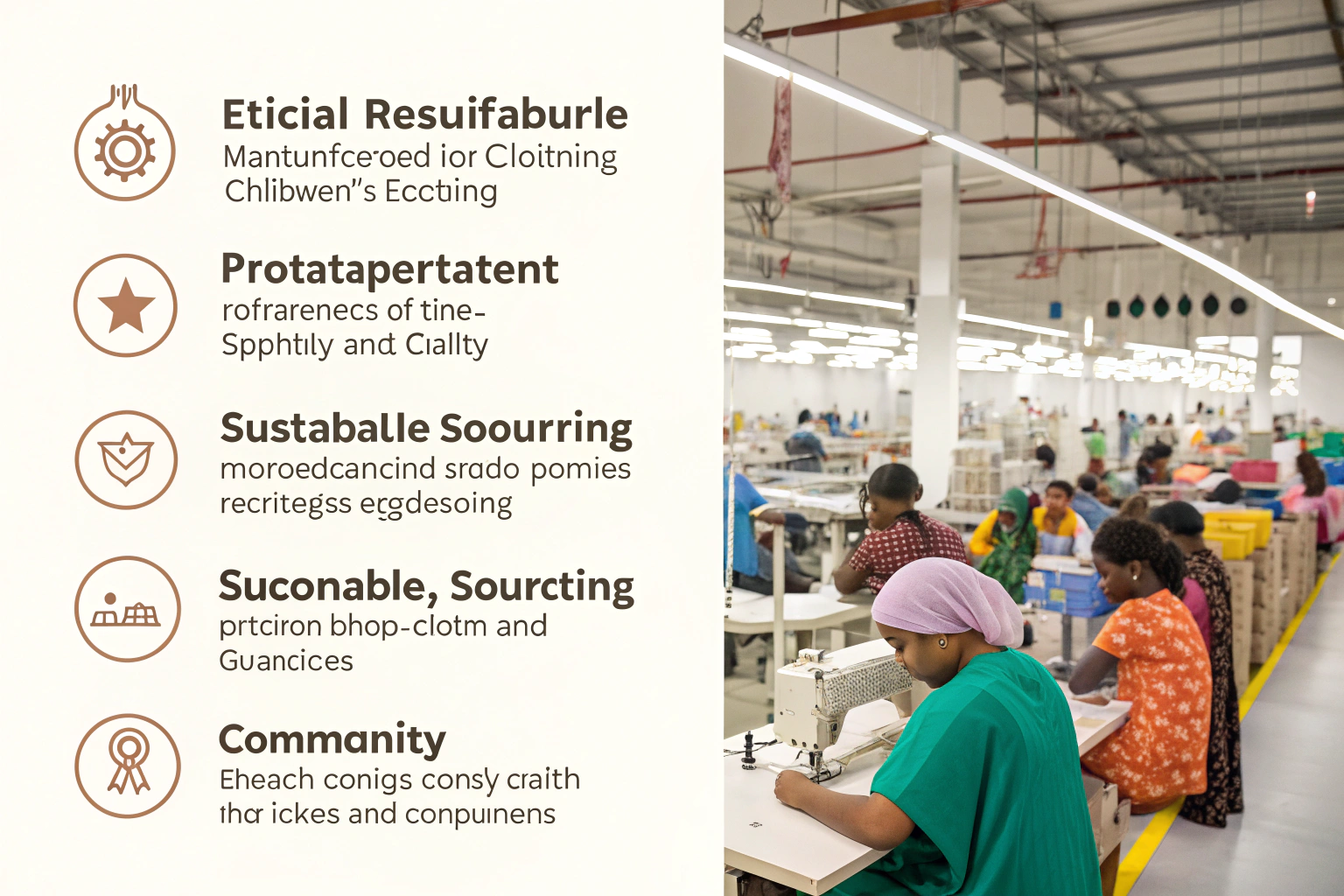
Creating a socially responsible children’s clothing brand requires integrating ethical considerations into every aspect of your business, from material sourcing to manufacturing and community impact. As a manufacturer who has helped numerous brands build ethical operations, I’ve seen how social responsibility can become your strongest competitive advantage while creating genuine positive impact.
Creating a socially responsible kids clothing brand involves implementing ethical manufacturing practices, using sustainable materials, ensuring supply chain transparency, promoting fair labor conditions, and engaging in meaningful community initiatives. This holistic approach addresses environmental sustainability, social equity, and ethical business practices while delivering quality products that parents feel good about purchasing.
Social responsibility in children’s wear goes beyond marketing claims to embed genuine ethical practices throughout your business model, creating value for all stakeholders—children, parents, workers, and the environment.
What Foundations Build an Ethical Supply Chain?
The supply chain forms the backbone of any socially responsible clothing brand. Building ethical foundations requires careful partner selection, transparent relationships, and ongoing verification of your standards.
Your supply chain decisions determine the real social and environmental impact behind your beautiful products.

How Do You Select Ethical Manufacturing Partners?
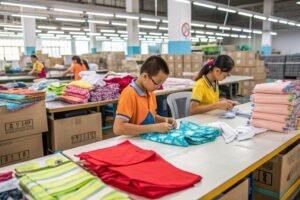
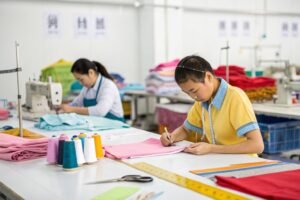
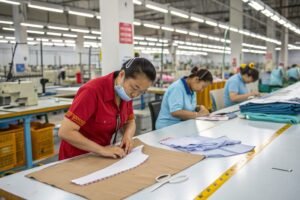
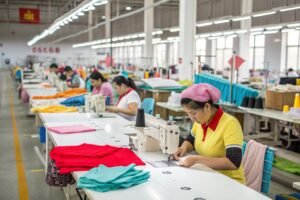
Choosing manufacturing partners requires thorough due diligence beyond basic cost and capability assessments. Look for factories with verifiable certifications like WRAP (Worldwide Responsible Accredited Production) or SA8000 that audit working conditions, wages, and safety standards. Visit facilities personally to assess working conditions, speak with workers, and review documentation. At our factory, we maintain BSCI (Business Social Compliance Initiative) certification and welcome brand audits because transparency builds the trust that socially responsible brands require.
What Does Supply Chain Transparency Involve?
True supply chain transparency means knowing and sharing your production journey from raw material to finished product. This includes mapping your entire supply chain, understanding where materials originate, and ensuring every partner meets your ethical standards. Implement traceability systems that allow you to track materials back to their source. The most responsible brands share this information with consumers through detailed labeling, website information, and storytelling that connects customers to the people who make their clothing.
| Supply Chain Element | Social Responsibility Criteria | Verification Methods | Consumer Communication |
|---|---|---|---|
| Material Sourcing | Organic, recycled, or sustainable materials | GOTS, GRS certifications | Detailed content labels |
| Manufacturing | Fair wages, safe conditions | BSCI, SA8000 audits | Factory stories and photos |
| Logistics | Carbon reduction efforts | Carbon footprint calculations | Shipping impact disclosure |
| Packaging | Recycled and minimal materials | Lifecycle assessment | Eco-packaging explanation |
How Can Sustainable Materials Make a Difference?
Material selection represents one of the most significant environmental impact areas in children’s clothing. Choosing sustainable materials reduces ecological footprint while often providing better safety and comfort for children.
Sustainable materials combine environmental responsibility with practical benefits that appeal to health-conscious parents.

What Are the Most Responsible Material Choices?
Prioritize certified organic cotton (GOTS), recycled materials (GRS certified), and rapidly renewable fibers like Tencel™ or hemp. These materials significantly reduce water usage, chemical pollution, and waste compared to conventional alternatives. For children’s wear specifically, natural fibers often provide better breathability and reduced chemical exposure for sensitive skin. The most innovative brands are exploring materials made from unexpected sources like orange fiber, mushroom leather, or recycled ocean plastic, though these often work better as accent pieces in children’s collections.
How Do Material Choices Impact Children’s Health?
Social responsibility includes protecting children’s health through material safety. Choose fabrics certified free from harmful chemicals by standards like OEKO-TEX Standard 100. Avoid conventional cotton, which accounts for 16% of global insecticide use, and opt for organic options that eliminate these chemicals from the growing process. Consider that children have higher skin absorption rates and more sensitive systems, making material safety even more crucial than in adult clothing. This health protection represents a fundamental aspect of social responsibility in children’s products.
What Labor Practices Define Ethical Manufacturing?
Ethical labor practices ensure that the people making your clothing work in safe conditions, earn fair wages, and are treated with dignity and respect.
Your labor practices demonstrate your brand’s commitment to social equity and human rights throughout your supply chain.

How Do You Ensure Fair Wages and Working Conditions?
Implementing fair labor practices requires going beyond minimum legal requirements to ensure living wages, reasonable working hours, and safe conditions. Work with factories that pay fair wages rather than just minimum wages, provide benefits like healthcare and paid leave, and maintain reasonable production schedules that don’t require excessive overtime. Regular, unannounced audits help verify ongoing compliance, but building long-term relationships with manufacturers who share your values creates more sustainable impact than policing through audits alone.
What Role Does Worker Empowerment Play?
Socially responsible brands often implement worker empowerment programs that go beyond basic compliance. These might include education opportunities, skill development programs, worker committees that provide input on factory conditions, and clear grievance mechanisms. When workers have voice and opportunity, manufacturing quality often improves alongside working conditions. This approach creates mutual benefit rather than treating ethical manufacturing as a cost burden.
How Can Your Brand Make a Community Impact?
Social responsibility extends beyond your immediate operations to create positive impact in broader communities, both locally and globally.
Community engagement demonstrates your commitment to social values and creates meaningful connections with customers who share these priorities.

What Types of Community Programs Are Most Effective?
Develop community impact programs that align with your brand’s values and capabilities. For children’s wear brands, this might include donating a percentage of profits to children’s charities, creating clothing recycling programs, or supporting educational initiatives in communities where your products are made. The most effective programs are sustainable, measurable, and directly connected to your business expertise. For example, a brand might partner with organizations that provide school uniforms to children in need or offer vocational training in fashion manufacturing.
How Does Transparency Build Consumer Trust?
Socially responsible brands practice honest marketing about their initiatives, sharing both successes and challenges. Avoid greenwashing by making specific, verifiable claims about your social and environmental practices. Use clear language about what "sustainable" or "ethical" means in your context, and provide evidence to support these claims. Consumers increasingly research brand claims, and authenticity builds the trust that drives long-term loyalty.
Conclusion
Creating a socially responsible children’s clothing brand requires embedding ethical considerations into your DNA—from supply chain decisions and material choices to labor practices and community engagement. This comprehensive approach not only creates positive social and environmental impact but also builds stronger, more resilient businesses that connect with today’s conscious consumers. The most successful responsible brands understand that ethics and excellence are complementary, not competing, priorities.
At Shanghai Fumao Clothing, we’ve invested in building ethical manufacturing capabilities because we believe social responsibility and business success should go hand-in-hand. Our experience helping brands implement responsible practices provides valuable insights for entrepreneurs building ethical children’s wear companies. If you’re ready to create a children’s clothing brand that makes a positive difference, contact our Business Director, Elaine, at elaine@fumaoclothing.com. Let’s build beautiful clothing that creates beautiful impact.