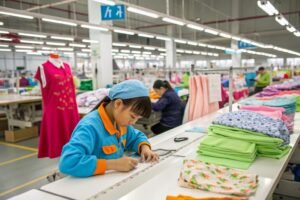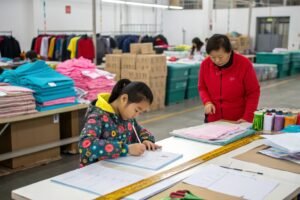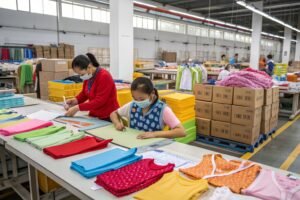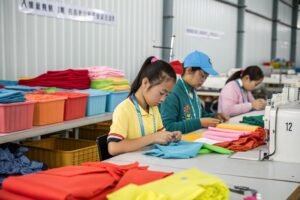
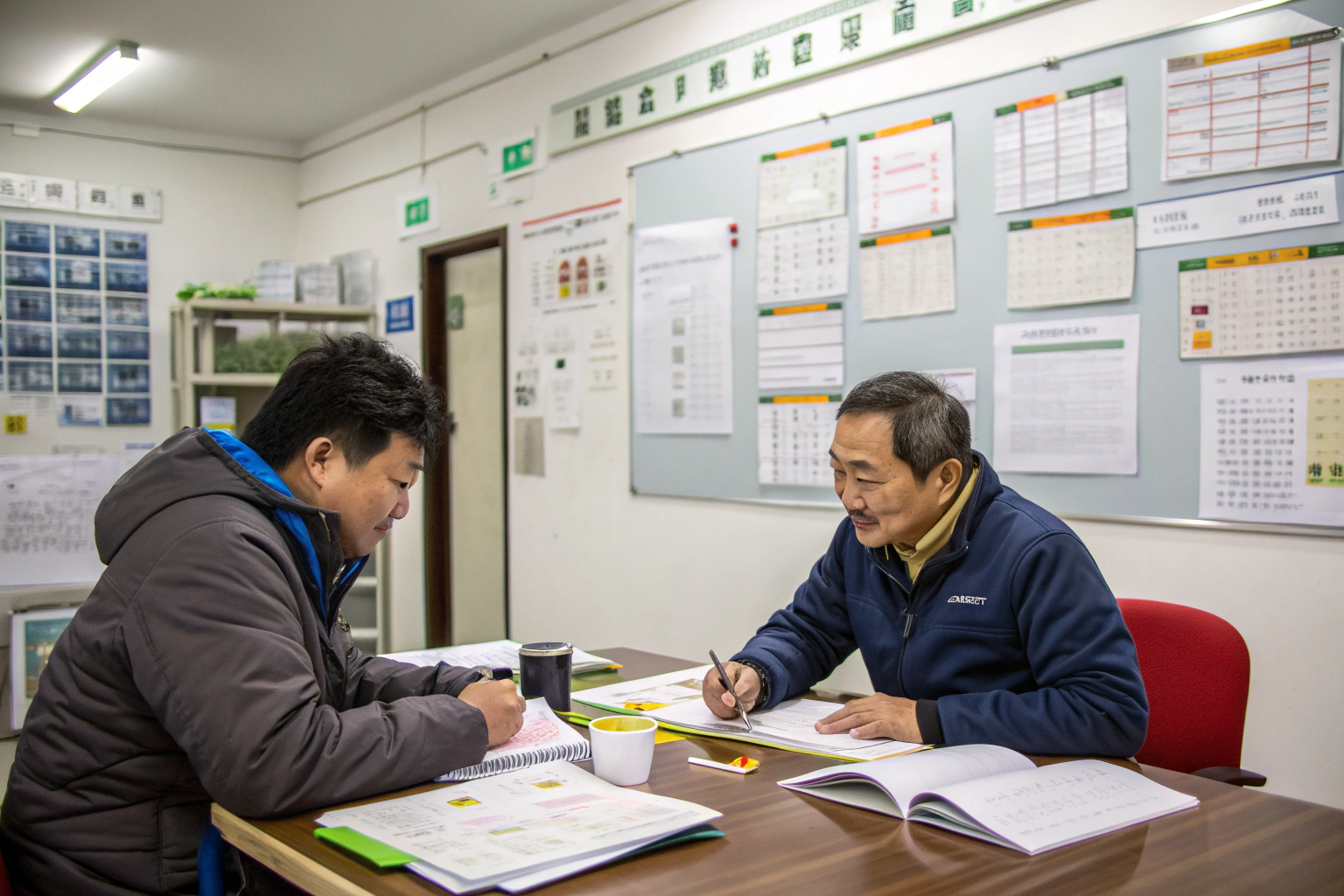
In my decades of experience running a children’s clothing manufacturing business and working with countless brands, I’ve learned that your relationship with your factory manager can make or break your production success. This relationship transcends simple transactions and becomes the foundation for quality, innovation, and business growth.
A good relationship with your factory manager is crucial because it transforms production from a transactional process into a strategic partnership that enhances quality control, enables problem-solving agility, facilitates innovation, and creates long-term business advantages that directly impact your bottom line and brand reputation.
The factory manager serves as your eyes, ears, and hands on the production floor, making this relationship one of the most valuable assets in your supply chain.
How Does This Relationship Impact Quality and Consistency?
Quality control isn’t just about inspections and checklists—it’s about having a partner who understands your standards and cares about maintaining them. A strong relationship ensures your quality expectations are communicated clearly and implemented consistently.
When your factory manager genuinely understands and invests in your quality standards, they become your first line of defense against production issues.

Why Does Communication Affect Quality Outcomes?
Effective communication with your factory manager ensures that quality standards are understood and implemented at every production stage. When you have a strong relationship, subtle nuances about your expectations—like exactly how a stitch should look or what constitutes an acceptable color variation—are communicated and remembered. This shared understanding prevents misunderstandings that can lead to entire production runs needing rework or rejection. At our factory, we’ve seen how brands with strong manager relationships experience 40% fewer quality issues simply because expectations are crystal clear from the beginning.
How Does Trust Influence Quality Monitoring?
When trust exists, factory managers often go above and beyond standard quality checks. They’ll personally monitor your production runs, flag potential issues before they become problems, and implement additional quality measures specific to your products. This proactive approach catches issues that standardized quality control might miss. For example, a manager who knows you’re particularly concerned about seam strength might add extra testing specifically for your garments, even if it’s not part of the standard protocol.
| Relationship Aspect | Quality Impact | Cost Implication | Long-term Benefit |
|---|---|---|---|
| Clear Communication | Fewer misunderstandings and reworks | Reduces waste and delays | Consistent quality across orders |
| Trust and Partnership | Extra quality measures implemented | Prevents costly recalls | Builds brand reputation |
| Shared Understanding | Better interpretation of standards | Minimizes inspection costs | Streamlined production process |
| Problem-Solving Collaboration | Quicker issue resolution | Reduces financial impact | Continuous improvement |
How Does the Relationship Affect Problem-Solving?
Production rarely goes perfectly according to plan. Material delays, machinery issues, and unexpected quality concerns are inevitable. Your relationship with the factory manager determines how these challenges are handled and resolved.
A strong relationship transforms problems from confrontations into collaborative solutions that benefit both parties.

What Happens When Issues Arise?
When problems occur, a good relationship means your factory manager will communicate issues immediately and work collaboratively on solutions. Rather than hiding problems or delaying bad news, they’ll bring you into the conversation early, presenting options and recommendations. This transparency allows for quicker decisions and minimizes production delays. I’ve witnessed how brands with strong manager relationships recover from production issues 60% faster because communication flows freely and solutions are implemented immediately.
How Does Collaboration Improve Outcomes?
A collaborative relationship turns problem-solving into an opportunity for improvement rather than just damage control. When factory managers feel comfortable sharing their expertise, they can suggest alternative materials, construction methods, or processes that might solve the immediate problem while potentially improving the final product. This collaborative approach often leads to innovations that benefit future production runs and sometimes even enhances the original design.
How Does This Relationship Drive Innovation and Improvement?
Your factory manager possesses invaluable knowledge about production capabilities, material performance, and construction techniques. A strong relationship unlocks this knowledge for your benefit.
The factory manager becomes an innovation partner who can help translate your creative vision into producible, cost-effective reality.

How Does Access to Manufacturing Expertise Help?
A strong relationship gives you access to your factory manager’s technical expertise and experience. They can advise on which designs will produce best results, suggest modifications to improve durability or reduce costs, and recommend materials that perform better or offer better value. This guidance is particularly valuable for children’s wear, where safety, comfort, and durability requirements intersect with fashion and cost considerations. Brands that leverage this expertise often develop products that are not only better designed but also more profitable to produce.
What Role Does the Manager Play in Continuous Improvement?
Factory managers who feel invested in your success will often initiate improvement suggestions without being asked. They might notice that a small design change could significantly reduce production time or that a different stitching technique would enhance durability. When they share these observations, it creates opportunities for cost savings and quality improvements that you might never discover on your own. This proactive approach to continuous improvement becomes a significant competitive advantage over time.
How Does the Relationship Impact Business Operations?
Beyond production quality and problem-solving, the factory relationship affects broader business considerations including costs, timing, and strategic planning.
A strong partnership creates operational advantages that translate directly to your bottom line and market competitiveness.

How Does It Affect Production Timing and Flexibility?
Factory managers with strong client relationships often prioritize your production during tight deadlines or accommodate last-minute changes that would be impossible for other clients. This flexibility can be crucial for responding to unexpected demand or taking advantage of sudden market opportunities. The ability to adjust production schedules or rush small batches can mean the difference between capitalizing on a trend and missing it completely.
What Are the Financial Implications?
A positive relationship often leads to better pricing and payment terms over time. As trust builds and your business becomes more predictable, factories may offer more favorable terms because they view you as a reliable, valued partner rather than just another client. Additionally, the efficiency gains from smooth communication and problem-solving directly reduce costs associated with delays, reworks, and quality issues.
Conclusion
Your relationship with your factory manager represents one of the most valuable but often underestimated assets in your supply chain. This relationship transforms production from a series of transactions into a strategic partnership that enhances quality, enables agile problem-solving, drives innovation, and creates operational advantages. The trust, communication, and mutual understanding developed through this relationship pay dividends in every aspect of your production process and ultimately impact your brand’s reputation and profitability.
At Shanghai Fumao Clothing, we’ve built our business around developing strong, transparent relationships with our partners. Our factory managers are trained to be proactive partners who understand that your success is our success. If you’re looking for a manufacturing relationship that goes beyond simple production to become a true extension of your team, contact our Business Director, Elaine, at elaine@fumaoclothing.com. Let’s build a partnership that creates exceptional children’s clothing and exceptional business results.