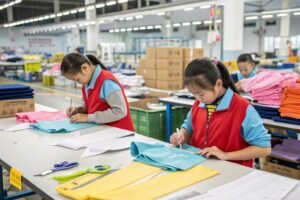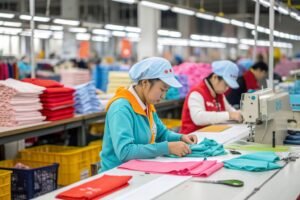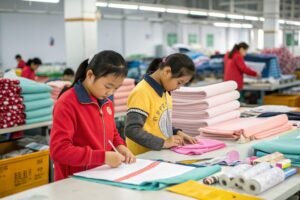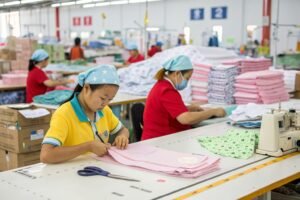

The children’s clothing market represents one of the most resilient and promising investment opportunities in the fashion industry. Having built a successful children’s wear manufacturing business over decades, I’ve witnessed firsthand how this market consistently outperforms many other fashion segments in long-term stability and growth potential.
The kids clothing market is an excellent long-term investment due to its recession-resistant nature, constant demand renewal, premiumization trends, technological innovation opportunities, and growing global middle class. These factors create a stable foundation that withstands economic fluctuations while offering multiple pathways for growth and profitability.
Unlike many fashion segments that rely on unpredictable trend cycles, children’s wear benefits from fundamental demographic and behavioral patterns that ensure consistent demand regardless of economic conditions.
What Market Fundamentals Support Long-Term Stability?
The children’s wear market operates on fundamental economic principles that create inherent stability and predictable growth patterns. Understanding these core drivers helps explain why this segment consistently delivers reliable returns.
The market’s stability stems from non-discretionary consumption patterns and demographic certainties that few other industries can match.

How Does Constant Demand Renewal Work?
Children’s clothing represents one of the few recession-resistant consumer goods because parents cannot defer clothing purchases for growing children. Unlike adult fashion where purchases can be postponed during economic uncertainty, children continuously outgrow their clothing regardless of economic conditions. This creates a consistent replacement cycle that ensures steady demand. The average child requires complete wardrobe replacements 3-4 times annually during early years, creating predictable purchasing patterns that sustain businesses through economic cycles.
What Demographic Trends Support Growth?
Global demographic patterns consistently favor children’s wear market expansion. Despite varying birth rates, the growing global middle class is spending more per child on clothing worldwide. Urbanization and rising disposable incomes in developing markets are creating new consumer bases, while developed markets show increasing expenditure per child despite lower birth rates. These trends create a favorable long-term outlook where market value grows even in regions with stable or slightly declining child populations.
| Market Fundamental | Impact on Stability | Long-Term Advantage | Risk Mitigation |
|---|---|---|---|
| Constant Growth Cycles | Predictable replacement demand | Steady revenue streams | Reduces seasonal volatility |
| Demographic Certainty | Known child population trends | Accurate forecasting | Minimizes inventory risk |
| Essential Nature | Non-discretionary spending | Recession resistance | Protects during downturns |
| Global Middle Class Growth | Expanding consumer base | Market diversification | Reduces geographic dependence |
How Does Premiumization Drive Profitability?
The children’s wear market has experienced significant premiumization, transforming from a basic necessity market to a premium lifestyle segment. This shift has dramatically improved profitability while creating stronger brand loyalty.
Premiumization allows businesses to command higher margins while building emotional connections that transcend price sensitivity.

Why Are Parents Investing More Per Item?
Modern parents approach children’s clothing as an expression of values rather than mere necessity. They’re willing to pay premium prices for organic materials, ethical production, educational benefits, and brand alignment with their parenting philosophy. This emotional connection reduces price sensitivity and increases customer lifetime value. Parents who invest in premium brands for newborns often maintain these purchasing patterns throughout childhood, creating long-term revenue streams that justify initial customer acquisition costs.
How Does Brand Loyalty Develop in Children’s Wear?
Children’s wear enjoys unusually strong cross-generational brand loyalty that adult fashion rarely achieves. Parents who develop trust in a brand during their child’s early years frequently remain loyal through subsequent children and even recommend these brands to other parents. Children themselves develop brand preferences as young as age three, creating early emotional connections that can last into adulthood. This loyalty dynamic creates customer relationships that span decades rather than seasons.
What Innovation Opportunities Support Future Growth?
The children’s wear sector offers abundant innovation opportunities that drive continuous market evolution and value creation. Technological advancements and changing consumer expectations create multiple pathways for growth and differentiation.
Innovation in children’s wear spans product development, retail experiences, and business models, ensuring the market remains dynamic and growth-oriented.

How Is Technology Transforming the Market?
Digital innovation is creating new growth avenues in children’s wear, from smart clothing with embedded sensors to augmented reality fitting rooms. E-commerce platforms specifically designed for children’s wear are capturing market share through specialized experiences like virtual try-ons and growth prediction algorithms. Manufacturing technologies enable greater customization and faster response to trends, reducing inventory risks while increasing consumer engagement. These technological advancements create barriers to entry that protect established players while driving industry-wide evolution.
What Sustainable Innovation Opportunities Exist?
Sustainability represents one of the most significant long-term growth drivers in children’s wear. Innovations in circular business models, including clothing rental, resale platforms, and recycling programs, are creating new revenue streams while addressing environmental concerns. Sustainable material development offers product differentiation opportunities, while transparent supply chains build consumer trust. These innovations not only drive immediate sales but position brands for long-term relevance in an increasingly environmentally conscious market.
How Does Market Diversification Reduce Risk?
The children’s wear market’s natural diversification across product categories, price points, and consumer segments creates inherent risk mitigation that supports long-term investment stability.
Diversification allows businesses to withstand segment-specific challenges while maintaining overall growth momentum.

What Natural Category Diversification Exists?
Children’s wear naturally spans multiple product categories with different demand drivers, including everyday wear, school uniforms, special occasion clothing, outerwear, and footwear. This category diversity ensures that weakness in one segment (such as reduced demand for occasion wear during economic downturns) is offset by stability in essentials (like school uniforms or basic playwear). Age segmentation further diversifies risk, as different age groups have distinct purchasing patterns and growth cycles.
How Does Geographic Expansion Mitigate Risk?
Global children’s wear markets offer diversification opportunities that reduce dependence on any single economy. Emerging markets offer growth through population expansion and rising incomes, while developed markets provide stability through premiumization and brand loyalty. Seasonal differences across hemispheres allow for year-round production efficiency, while cultural variations create opportunities for localized product development. This geographic diversity protects against regional economic fluctuations and political instability.
Conclusion
The children’s clothing market represents an exceptional long-term investment opportunity due to its unique combination of demographic stability, recession resistance, premiumization potential, and innovation capacity. The fundamental market dynamics ensure consistent demand, while evolving consumer behaviors create ongoing opportunities for growth and differentiation. Unlike many fashion segments vulnerable to unpredictable trend cycles, children’s wear benefits from reliable consumption patterns that transcend economic conditions.
At Shanghai Fumao Clothing, we’ve built our business around the long-term stability and growth potential of the children’s wear market. Our strategic investments in flexible manufacturing, sustainable practices, and technological innovation position us to capitalize on the market’s enduring strengths while adapting to its evolving opportunities. If you’re considering entering or expanding in the children’s wear market, contact our Business Director, Elaine, at elaine@fumaoclothing.com. Let’s build a business that grows with the market and withstands the test of time.