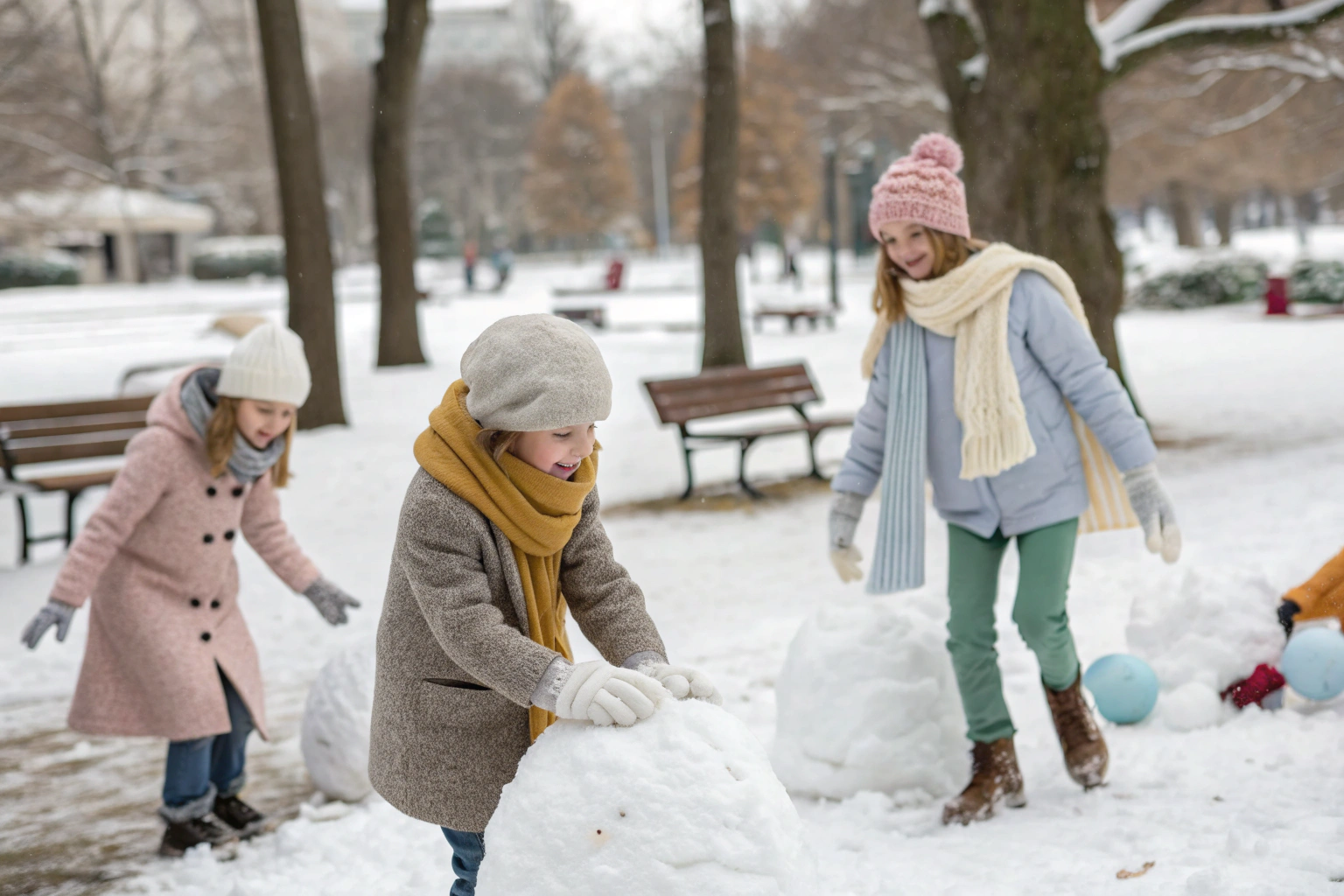
Choosing the right knitwear for children during winter involves balancing warmth, comfort, safety, and style. As a manufacturer specializing in children’s knitwear for the US market, I understand that parents need clothing that protects their children from harsh weather while allowing freedom of movement and meeting safety standards.
The best knitwear styles for kids in winter include layered cardigans, turtleneck sweaters, thermal base layers, hooded knit jackets, and versatile knit sets. These styles provide optimal warmth through strategic layering, accommodate varying indoor and outdoor temperatures, and offer practical features that make winter dressing easier for both children and parents.
The most successful winter knitwear combines technical functionality with appealing designs that children actually want to wear, ensuring both protection from the elements and everyday practicality.
Why Are Layering Pieces Essential for Winter?
Layering forms the foundation of effective winter dressing for children. The right layering pieces allow parents to adjust insulation levels as temperatures change throughout the day and between indoor and outdoor environments.
Strategic layering with knitwear creates air pockets that trap body heat while managing moisture, keeping children comfortable during active winter days.

What Makes Cardigans the Ultimate Layering Piece?
Cardigans offer unparalleled versatility for winter layering. Their front-opening design makes them easy to put on and remove as temperatures fluctuate. A medium-weight children’s cardigan can be worn over a t-shirt for mild days or over a thermal base layer for colder conditions. Look for cardigans with durable buttons or zippers that small hands can manage, and consider styles with ribbed cuffs that help seal in warmth. At our factory, we focus on creating cardigans with thoughtful details like reinforced buttonholes and stretchy knit fabrics that accommodate growth.
How Do Thermal Base Layers Work?
Thermal base layers form the crucial first layer in winter dressing. These close-fitting knit garments, often made from moisture-wicking materials, sit directly against the skin to regulate body temperature. For children, look for thermal knitwear with flatlock seams to prevent chafing and tagless labels for comfort. The best base layers provide warmth without bulk, allowing for easy movement and comfortable layering under other clothing. Merino wool blends are particularly effective as they provide excellent warmth even when damp from perspiration.
| Layer Type | Primary Function | Ideal Fabric | Key Features |
|---|---|---|---|
| Base Layer | Moisture management, warmth | Merino wool, synthetic blends | Tagless, flatlock seams, snug fit |
| Mid Layer | Insulation, temperature regulation | Cotton blends, wool mixes | Cardigans, lightweight sweaters |
| Outer Layer | Weather protection, wind blocking | Dense knits, technical blends | Hoods, longer lengths, water resistance |
What Styles Provide Maximum Warmth and Coverage?
Certain knitwear styles inherently provide better protection against winter elements through their design features and coverage areas. These styles focus on protecting vulnerable areas like the neck, wrists, and core from heat loss.
The most effective warm knitwear designs address common heat escape points while maintaining comfort and mobility for active children.

Why Are Turtlenecks and Turtleneck Sweaters Effective?
Turtlenecks provide exceptional neck protection, which is crucial since significant body heat escapes through the neck area. A well-designed children’s turtleneck should have a comfortably fitted neckband that doesn’t feel restrictive but still seals in warmth. Look for turtlenecks made from soft, stretchy knits that won’t irritate sensitive skin. Some styles feature partial zippers at the neck for easier dressing and temperature adjustment. The double layer of fabric around the neck provides insulation comparable to wearing a lightweight scarf without the safety concerns of loose accessories.
What Makes Hooded Knitwear Practical?
Hooded knit jackets and sweaters offer versatile head coverage that’s always available when needed. Unlike separate hats that can be lost, an attached hood provides immediate protection against wind and cold. The best hooded knitwear for children features deep hoods that don’t obstruct vision, soft lining for comfort, and adjustable toggles for secure fit. For added practicality, some designs include kangaroo pockets that serve as hand warmers and storage. These multi-functional pieces often become winter favorites for both children and parents due to their convenience and comfort.
How Does Fabric Choice Impact Winter Performance?
The material composition of knitwear significantly affects its warmth, weight, moisture management, and overall winter performance. Understanding different knit fabrics helps parents choose the right garments for specific winter conditions and activities.
Modern knit fabrics combine natural and synthetic fibers to optimize performance while maintaining comfort and ease of care.

What Are the Benefits of Wool and Wool Blends?
Wool and wool blends offer natural temperature regulation and moisture-wicking properties that make them ideal for winter knitwear. Merino wool is particularly suitable for children’s wear due to its softness and non-itch characteristics. Wool fibers naturally trap air pockets for insulation while wicking moisture away from the skin, keeping children dry and comfortable. Wool blends that incorporate a small amount of synthetic fibers often enhance durability and simplify care requirements. For maximum winter performance, look for wool content between 30-70% in knitwear blends.
Why Are Certain Knit Structures Warmer?
The construction of the knit itself determines its insulating properties. Winter-weight knits like ribbed patterns, cable knits, and double-knit constructions create more air pockets and thickness for better insulation. Ribbed cuffs, hems, and necklines help seal in warmth while maintaining stretch for comfortable movement. Denser knits provide wind resistance while still allowing breathability. At our factory, we use specialized knitting machines that create these warm structures while maintaining the softness and flexibility children need for comfortable wear.
What Designs Combine Style and Functionality?
The most successful winter knitwear balances aesthetic appeal with practical features that address real-world needs of both children and parents. These designs consider everything from ease of dressing to growth accommodation and safety.
Thoughtful design elements can significantly enhance the usability and longevity of winter knitwear while maintaining style appeal.

Why Are Knit Sets and Coordinated Pieces Popular?
Knit sets consisting of matching sweaters and pants or leggings provide complete winter outfits that ensure consistent warmth and style. These coordinated knit sets simplify dressing while offering mix-and-match possibilities with existing wardrobe pieces. For younger children, one-piece knit rompers provide continuous coverage without gaps that can let in cold air. The best sets use the same fabric weight throughout for consistent temperature regulation and feature practical elements like reinforced knees for play and easy-care fabrics for frequent washing.
How Do Color and Pattern Choices Matter?
Winter knitwear benefits from both practical and aesthetic color considerations. Darker colors and deeper tones show less dirt from winter outdoor play, while bright accents and patterns make children more visible in low-light conditions. High-visibility elements can be incorporated through reflective yarns or contrasting patterns without compromising style. Seasonal patterns like fair isle, snowflakes, or winter animals add cheerful elements that children enjoy. The most successful designs balance these practical considerations with appealing aesthetics that children feel excited to wear.
Conclusion
The best winter knitwear for children combines strategic layering options, maximum coverage designs, performance-driven fabrics, and thoughtful styling that addresses real-world needs. By focusing on versatile pieces that work together in a winter wardrobe, parents can ensure their children stay warm, comfortable, and protected throughout the season. The most successful knitwear styles grow with children, withstand active play, and maintain their appearance through repeated wear and cleaning.
At Shanghai Fumao Clothing, we specialize in creating winter knitwear that meets all these criteria for our US brand partners. Our expertise in knit fabric development and children’s wear construction ensures garments that deliver both style and performance. If you’re looking for a manufacturing partner to develop exceptional winter knitwear collections, contact our Business Director, Elaine, at elaine@fumaoclothing.com. Let’s create knitwear that keeps children warm while making winter dressing easier for families.