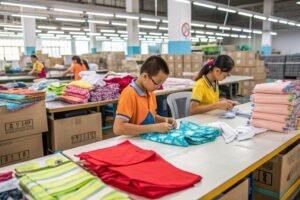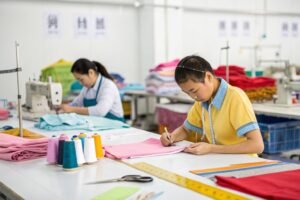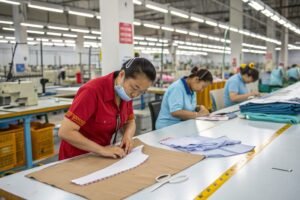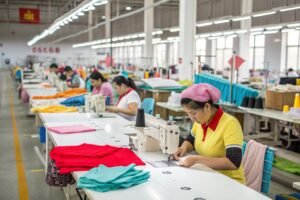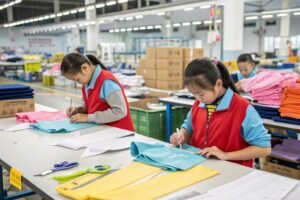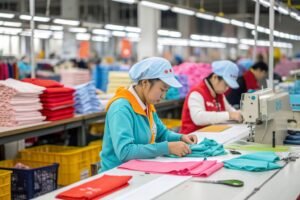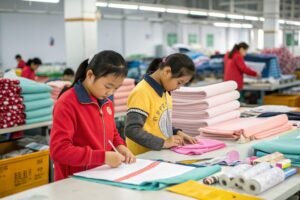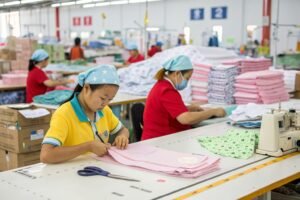
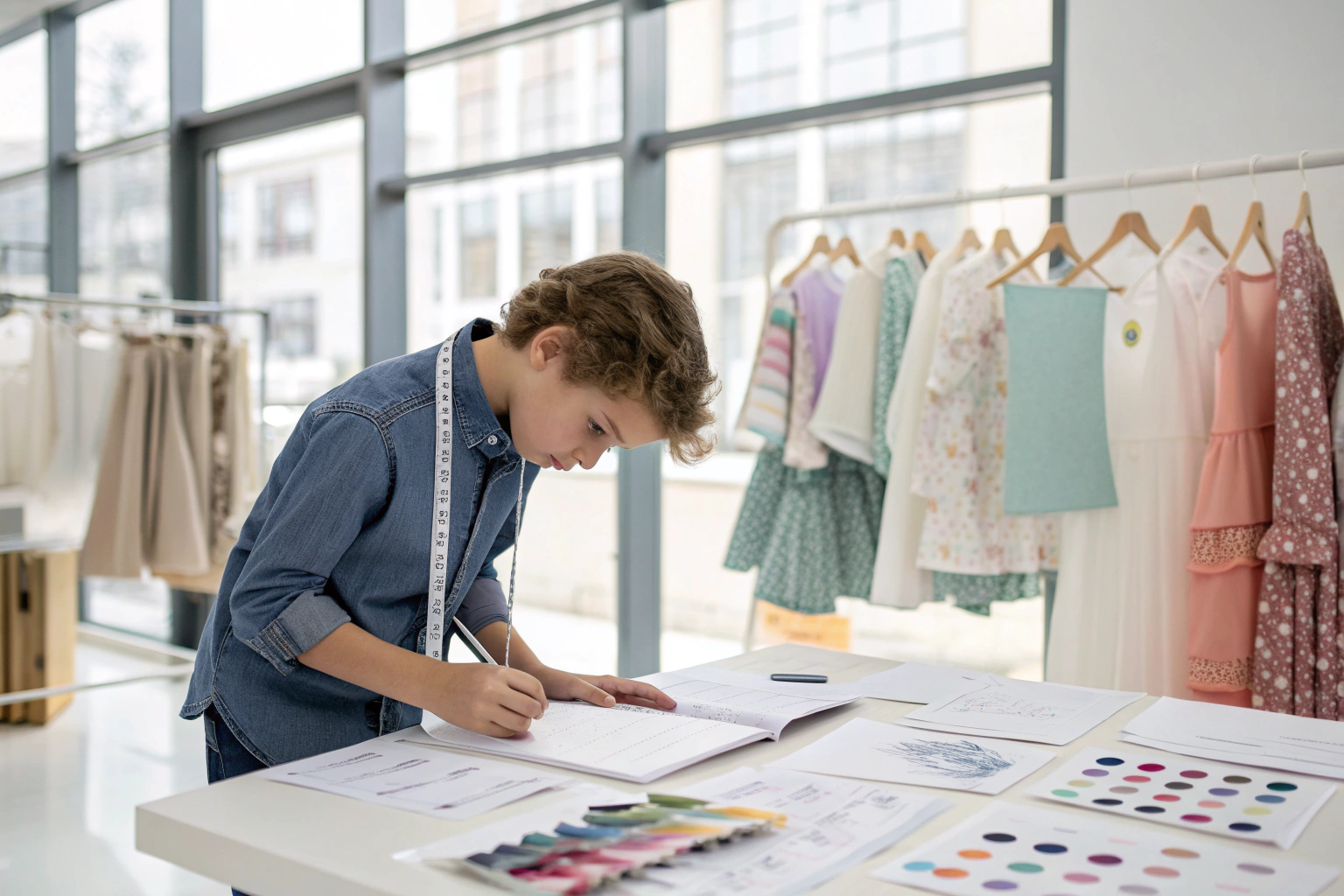
Designing children’s clothing involves much more than creating cute styles. As a manufacturer working with US brands for decades, I’ve learned that successful kids’ wear balances multiple critical factors. Parents today are discerning – they want clothing that’s not just attractive but also safe, comfortable, and durable enough to withstand active play.
The most important factors in kids clothing design are safety compliance, comfort and functionality, durable construction, age-appropriate sizing, and thoughtful aesthetic appeal. These elements work together to create clothing that protects children, satisfies parents’ practical needs, and stands up to the rigors of daily wear while maintaining its visual appeal throughout the garment’s lifespan.
Understanding how these factors interconnect separates mediocre children’s clothing from exceptional designs that build brand loyalty and drive repeat purchases.
Why is Safety the Non-Negotiable Foundation?
Safety is the absolute priority in children’s clothing design. Unlike adult apparel, kids’ wear must account for unique risks and regulations. A beautiful design becomes worthless if it poses any danger to a child.
Safety considerations span from fabric composition and chemical treatments to physical construction details. Every design decision must pass the safety test before considering aesthetics or other factors.

What Are the Critical Safety Standards and Certifications?
Mandatory safety standards form the baseline for all children’s clothing. In the US, CPSIA compliance regulates lead content, phthalates, and flammability requirements. Beyond legal minimums, voluntary certifications like OEKO-TEX Standard 100 provide additional assurance that fabrics are free from harmful substances. These certifications aren’t just paperwork – they represent rigorous testing that ensures every material touching a child’s skin is safe.
How Do Design Elements Impact Physical Safety?
Physical safety in clothing design addresses choking hazards, entanglement risks, and other potential dangers. Small detachable parts like buttons must be securely attached to prevent choking. Drawstrings around hoods present strangulation risks and should be avoided or designed with breakaway features. Even decorative elements like sequins or beads need secure attachment methods. At our factory, we implement ASTM standard testing for attachment security on all decorative trims to ensure they withstand reasonable wear and tear.
| Safety Element | Potential Risk | Design Solution | Testing Method |
|---|---|---|---|
| Small Parts | Choking hazard | Secure stitching, alternative closures | Pull test with specified force |
| Drawstrings | Strangulation risk | Eliminate or use breakaway design | Length measurement and function test |
| Flammability | Burn injury | Select naturally flame-resistant fabrics | Vertical flame test |
| Chemical Content | Skin irritation, toxicity | Use certified fabrics | Laboratory chemical analysis |
How Does Comfort Impact Wearability and Sales?
Comfort directly influences whether children will actually wear the clothing and whether parents will repurchase your brand. Discomfort leads to rejected clothing, frustrated parents, and lost customers.
Comfort encompasses fabric hand feel, ease of movement, temperature regulation, and how the clothing interacts with sensitive skin. Getting comfort right requires understanding children’s activities and sensory preferences.

What Fabric Properties Maximize Comfort?
Fabric selection drives comfort more than any other factor. Natural fibers like cotton and bamboo provide breathability and softness, while synthetic blends can offer stretch and moisture-wicking properties. The perfect fabric balances multiple characteristics: soft hand feel, good drape, appropriate weight, and breathability. For sensitive skin, sensitive skin considerations might dictate tagless designs, flat-lock seams, and ultra-soft fabric finishes that prevent irritation during all-day wear.
Why is Ease of Movement Crucial for Children?
Children’s clothing must accommodate constant motion – running, jumping, climbing, and playing. Designs that restrict movement become frustrating for active children. Strategic placement of stretch fabrics, raglan sleeves for shoulder mobility, and gussets in key areas allow freedom without compromising style. The best designs anticipate how children actually move and build that understanding into the pattern-making process, creating clothing that moves with the child rather than against them.
What Construction Techniques Ensure Durability?
Durability directly affects parent satisfaction and brand perception. Clothing that withstands multiple washes and active play justifies its price point and builds trust in your brand.
Durable construction begins with quality materials and continues through every stitching decision, reinforcement strategy, and finishing technique in the manufacturing process.

Which Seam Types Withstand Active Wear?
Seam selection varies by garment area and stress level. For high-stress areas like armholes and crotches, reinforced seam constructions like French seams or flatlock stitches provide strength while maintaining comfort. Seam quality isn’t just about stitch type – it includes stitch density, thread quality, and proper tensioning. At our factory, we specify different seam types for different garment areas, ensuring maximum durability where it matters most while maintaining comfort against the skin.
How Do Reinforcements Extend Garment Life?
Strategic reinforcements transform ordinary clothing into durable workhorses. Knee patches in pants, double-layer fabric in seat areas, and bar tacks at stress points like pocket corners significantly extend garment life. These reinforcements should be integrated thoughtfully into the design rather than appearing as afterthoughts. Even reinforced stitching at closure points can prevent common failure areas, ensuring the clothing lasts through multiple children or an entire season of heavy use.
How Does Age-Appropriate Design Affect Functionality?
Children’s needs change dramatically as they grow, and successful designs reflect these developmental stages. What works for a toddler won’t suit a school-aged child, both in terms of physical needs and style preferences.
Age-appropriate design considers physical proportions, self-dressing capabilities, activity levels, and social considerations at each developmental stage.

What Design Features Support Developmental Stages?
Infant clothing requires practical features like snap crotches for easy diaper changes, envelope shoulders for comfortable dressing, and mittens to prevent scratching. Toddler designs need to support emerging independence with stretch necklines, large easy-to-use fasteners, and clear front/back identification. School-aged children need clothing that allows complete independence in dressing while providing durability for active play and social appropriateness for their peer group.
Why Do Sizing and Proportions Matter Beyond Age?
Children’s bodies vary widely within age groups, making proportional sizing crucial. A well-designed size chart considers not just height and weight but also body proportions that change with age – such as the relationship between torso length and limb length. Successful designs accommodate these variations through strategic ease, adjustable features, and understanding that children grow at different rates. This attention to proportion ensures clothing fits properly throughout the entire size range, not just at the median measurements.
Conclusion
Exceptional children’s clothing design balances safety, comfort, durability, and age-appropriateness while maintaining aesthetic appeal. These factors work together to create clothing that protects children, satisfies practical parent needs, and stands up to real-world use. The most successful designs solve problems before they occur – anticipating how children move, grow, and interact with their clothing.
At Shanghai Fumao Clothing, we’ve built our manufacturing processes around these essential design factors. We help our partners create children’s clothing that not only looks great but performs beautifully in everyday life. If you’re looking for a manufacturing partner who understands what truly matters in kids wear design, contact our Business Director, Elaine, at elaine@fumaoclothing.com. Let’s create clothing that parents trust and children love to wear.