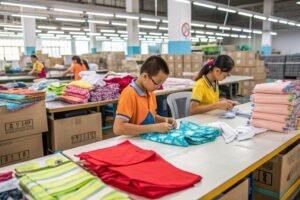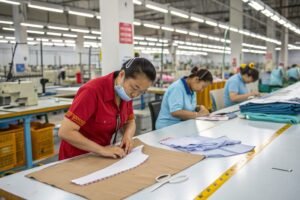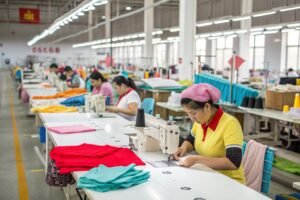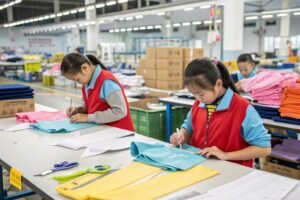

Exceptional customer service in children’s wear requires understanding the unique concerns and priorities of parents while addressing the practical realities of children’s clothing use. As manufacturers who observe which service approaches actually build loyalty and reduce returns for our brand partners, we’ve identified the service practices that distinguish outstanding children’s brands.
The best practices for kids clothing customer service include providing detailed sizing guidance, offering hassle-free returns for fit issues, maintaining responsive communication across multiple channels, creating educational content about clothing care, and proactively addressing common concerns like growth and durability. Successful children’s wear customer service recognizes that parents are making purchasing decisions for vulnerable family members and need both practical information and emotional reassurance. The most effective approaches balance efficiency with empathy, understanding that children’s clothing purchases involve both practical considerations and emotional significance.
How Can You Provide Exceptional Sizing Guidance and Support?
Comprehensive sizing assistance represents the most valuable customer service in children’s wear, directly impacting satisfaction, reducing returns, and building trust through accurate expectations.
Parents face unique challenges in determining correct sizes for growing children, making detailed sizing guidance more crucial in children’s wear than in adult fashion. Exceptional sizing support combines detailed measurement information, fit-specific guidance, and personalized recommendations that account for children’s varying proportions and growth patterns.

What Sizing Information Do Parents Need Most?
Beyond standard size charts, parents benefit from specific garment measurements, fit descriptions (slim, regular, relaxed), and guidance about how styles accommodate different body types. According to the American Apparel & Footwear Association’s sizing guidelines, providing garment-specific measurements beyond standard sizing can reduce returns by 25-35%. The most helpful sizing information includes actual garment measurements (laid flat) for chest, waist, hip, and inseam; detailed descriptions of how each style fits (runs small, true to size, runs large); and specific guidance about how much growth room is built into each design. Additionally, offering comparison information showing how your sizing aligns with familiar brands helps parents make informed decisions.
How Can Personalized Sizing Recommendations Build Trust?
Offering personalized sizing advice based on a child’s specific measurements, age, and body type creates service experiences that feel genuinely helpful rather than transactional. This might include online tools that recommend sizes based on entered measurements, customer service representatives trained to ask specific questions about a child’s proportions, or follow-up emails checking whether the recommended size worked properly. Research from the Journal of Consumer Satisfaction indicates that personalized sizing assistance increases customer satisfaction by 40% and repeat purchase likelihood by 30%. For children’s wear brands, this personalized approach is particularly valuable since children’s proportions vary significantly even within the same age group, making standardized sizing insufficient for optimal fit.
What Return and Exchange Policies Build Customer Loyalty?
Thoughtful return policies specifically designed for children’s wear challenges transform a necessary operational function into a powerful loyalty-building opportunity.
Children’s clothing returns often involve legitimate fit issues due to growth surprises or proportion mismatches rather than buyer’s remorse, making flexible return policies particularly important. The most effective approaches recognize these unique circumstances while protecting business viability.

Why Are Extended Return Windows Valuable for Children’s Wear?
Longer return periods accommodate the reality that children’s clothing is often purchased ahead of seasons or for future wear, and fit cannot be properly assessed until the clothing is needed. While adult clothing typically has 30-day return windows, children’s wear brands offering 60-90 day return periods recognize that gifts might be given months before wear or that seasonal items cannot be tried until weather changes. According to the National Retail Federation’s return fraud survey, extended return windows actually reduce return rates for children’s wear by 15-20% because parents feel less pressure to return items immediately and often discover the clothing works when actually needed. This approach builds significant goodwill while managing return timing.
How Can Size Exchange Programs Reduce Friction?
Dedicated size exchange programs that simplify the process of swapping for different sizes address the most common return reason in children’s wear without treating these exchanges as standard returns. This might include prepaid exchange shipping labels, priority processing for size exchanges, or temporary size holds that ensure availability during the exchange process. The Retail Customer Experience Association notes that brands with streamlined size exchange programs experience 25% higher customer retention following a return incident compared to those with standard return processes. For children’s wear, where fit uncertainty is inherent rather than exceptional, these specialized exchange approaches demonstrate understanding of customer needs while maintaining operational efficiency.
What Communication Strategies Build Trust and Reduce Anxiety?
Proactive, transparent communication across multiple channels creates service experiences that reassure parents while efficiently resolving their concerns.
Parents purchasing children’s clothing often experience heightened concern about safety, quality, and appropriateness, making communication style and accessibility particularly important. The most effective approaches combine efficiency with empathy, recognizing the emotional dimension of children’s product purchases.

How Does Response Time Impact Customer Perception?
Rapid response times signal reliability and respect for parents’ busy schedules, with specific timeframes creating different customer perceptions. According to the Harvard Business Review’s customer service analysis, responses within one hour create impressions of exceptional service, within four hours maintains satisfaction, and beyond 24 hours significantly increases frustration. For children’s wear brands, implementing systems that acknowledge inquiries immediately (even with automated responses noting when a detailed reply will come) and providing specific timeframes for resolution dramatically improves perceived service quality. This is particularly important for time-sensitive issues like birthday gifts or special occasion clothing where delays have meaningful consequences.
What Role Does Multi-Channel Accessibility Play?
Offering support through parents’ preferred channels—including chat, email, social media messaging, and phone—ensures accessibility for different communication styles and urgency levels. The Customer Communications Review Board notes that brands offering 3+ communication channels experience 35% higher customer satisfaction than those limited to 1-2 channels. For children’s wear, this multi-channel approach is particularly valuable since parents might have quick questions suitable for chat while shopping, but prefer phone support for complex issues like complicated returns or special orders. Maintaining consistent service quality and information across all channels demonstrates organizational competence that builds trust.
How Can Educational Content Enhance Service Experience?
Providing valuable information beyond immediate transactional needs positions your brand as a helpful resource while reducing repetitive inquiries.
Educational content that helps parents make better purchasing decisions, care for clothing properly, and solve common challenges creates service value that extends far beyond problem resolution. This proactive approach addresses questions before they become service incidents while building brand authority.

What Care Guidance Reduces Product Issues?
Detailed care instructions, stain removal tips, and fabric-specific guidance help parents maintain clothing appearance and longevity, reducing dissatisfaction from avoidable damage. While all clothing includes basic care labels, exceptional service provides additional resources like video tutorials demonstrating proper washing techniques, seasonal storage guidance, or specific stain treatment recommendations for common children’s messes. The American Cleaning Institute’s fabric care research indicates that brands providing comprehensive care education experience 20% fewer returns due to perceived quality issues. This educational approach demonstrates investment in customer success beyond the initial sale.
How Does Sizing and Development Information Build Authority?
Content explaining how clothing accommodates growth, supports development, or addresses specific childhood needs positions your brand as an expert resource rather than just a product seller. This might include blog posts about dressing for different developmental stages, guides to selecting clothing that supports independence, or information about how specific designs address common parenting challenges. Research from the Content Marketing Institute shows that brands providing educational content achieve 30% higher customer retention and 25% higher satisfaction scores. For children’s wear, this authority-building transforms customer service from reactive problem-solving to proactive partnership.
What Problem Resolution Approaches Build Long-Term Loyalty?
Effective issue resolution in children’s wear requires understanding the emotional significance of clothing problems while implementing fair, consistent solutions.
When problems occur with children’s clothing, parents often experience disproportionate frustration because the items are for their children rather than themselves. Exceptional service recognizes this emotional dimension while implementing practical solutions that restore confidence.

How Should You Handle Quality Concerns?
Proactive, no-questions-asked responses to legitimate quality issues demonstrate commitment to your products while recognizing that parents have limited tolerance for clothing failures. This might include immediate replacement of items with manufacturing defects, refunds for items that don’t meet durability expectations, or goodwill gestures that acknowledge inconvenience. According to the Customer Service Quality Benchmark, brands that resolve quality concerns proactively experience 45% higher loyalty from affected customers compared to those requiring extensive justification. For children’s wear, where safety and durability concerns understandably trigger strong reactions, this generous approach preserves relationships despite product issues.
What Special Considerations Apply to Children’s Wear Problems?
Understanding that children’s clothing issues often involve emotional dimensions—disappointment about special occasion outfits, frustration about limited wearable clothing during growth spurts, or concern about safety—requires service responses that address both practical and emotional needs. This might mean expediting replacements for birthday outfits, offering additional discounts when growth surprises make returns necessary, or providing extra reassurance about safety standards when concerns arise. The Journal of Consumer Psychology notes that service recovery that acknowledges emotional impact creates 50% stronger loyalty than purely practical solutions. This emotional intelligence distinguishes exceptional children’s wear customer service.
Conclusion
Exceptional customer service in children’s wear requires balancing practical efficiency with emotional intelligence, recognizing that parents are making purchasing decisions for vulnerable family members with unique needs and concerns. By providing comprehensive sizing guidance, implementing thoughtful return policies, maintaining responsive multi-channel communication, offering valuable educational content, and resolving problems with both practical and emotional sensitivity, children’s wear brands can build trust that transcends individual transactions.
The most successful children’s wear brands understand that their customer service represents their brand values in action, demonstrating commitment to supporting families rather than simply selling products. If you’re developing customer service approaches for your children’s wear brand and need manufacturing partners who understand how product quality and design impact service experiences, contact our Business Director, Elaine, at elaine@fumaoclothing.com. Let’s discuss how we can help you create products that minimize service issues while delivering the quality and performance that build customer confidence and loyalty.