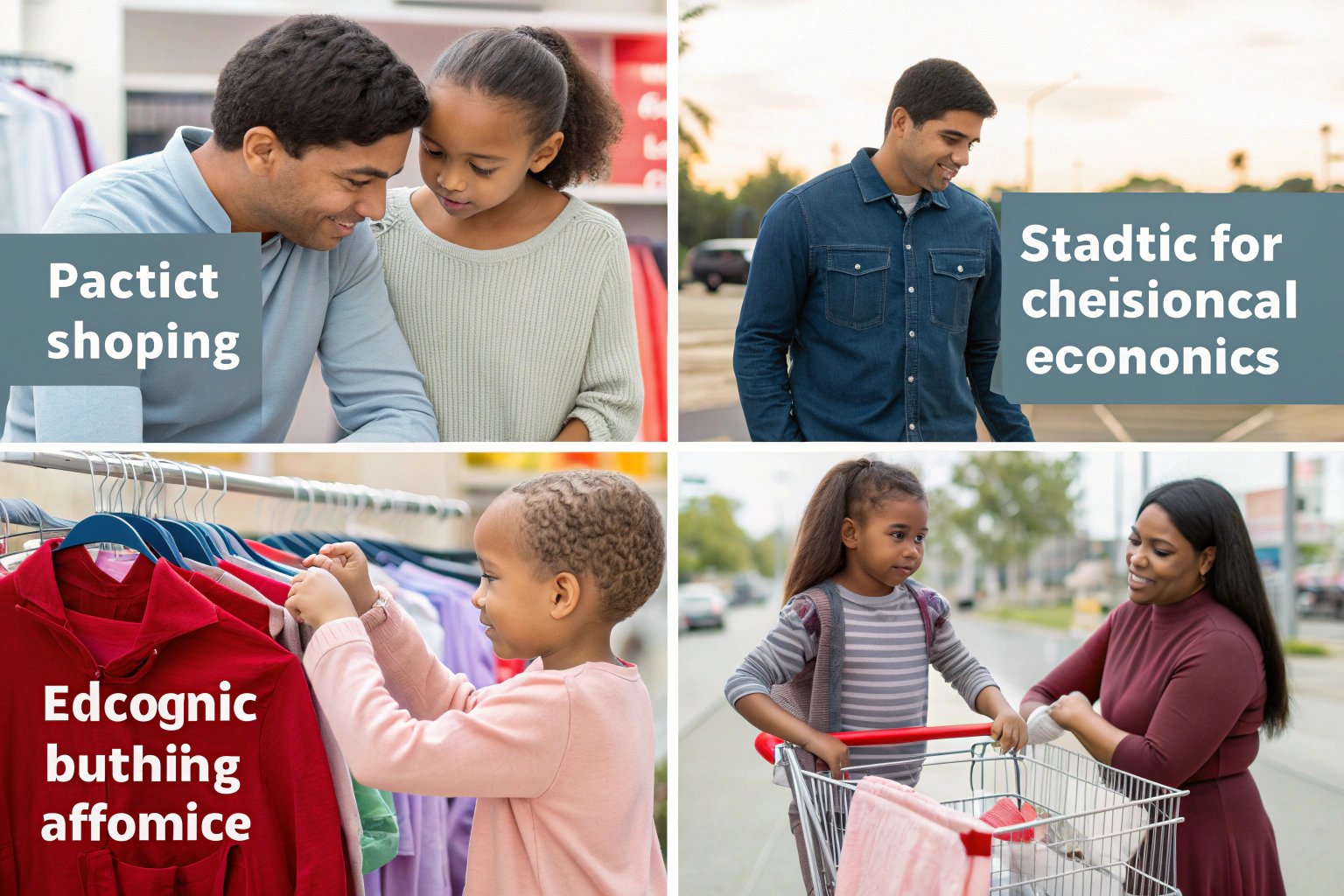
The children’s apparel market demonstrates remarkable resilience during economic downturns, maintaining more stable demand patterns than many other consumer categories. As manufacturers who have navigated multiple economic cycles with children’s brands, we observe the fundamental factors that insulate this market from the worst impacts of recession.
The kids clothing market is recession resistant due to non-discretionary replacement needs, emotional purchasing drivers, practical hand-me-down limitations, essential sizing updates, and the psychological importance of maintaining normalcy for children during difficult times. While not completely immune to economic pressures, children’s wear experiences shallower declines and faster recovery than adult fashion or true discretionary categories. This resilience stems from the fundamental reality that children continue growing regardless of economic conditions, creating ongoing replacement demand that cannot be indefinitely deferred.
How Do Essential Replacement Cycles Sustain Demand?
Children’s continuous physical development creates non-negotiable replacement needs that persist regardless of economic conditions, providing a stable demand foundation that distinguishes kids clothing from discretionary fashion purchases.
Unlike adult clothing where replacement can be deferred during financial uncertainty, children’s clothing becomes physically unwearable as they grow, creating essential rather than discretionary purchasing. This fundamental biological reality means that even during severe economic downturns, parents must continue acquiring clothing that fits their developing children, though they may adjust where they shop, what they buy, and how much they spend.
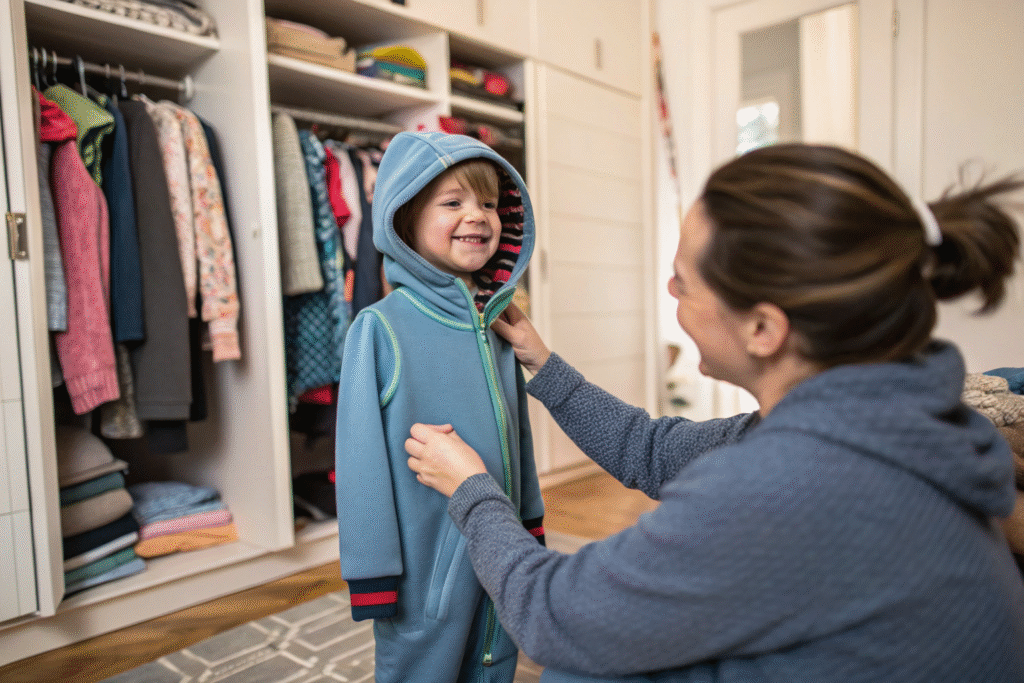
What Growth Patterns Create Non-Discretionary Demand?
Children experience predictable growth spurts that necessitate wardrobe updates approximately every 6-12 months, depending on age and individual development patterns. According to the American Academy of Pediatrics growth charts, children typically grow 2.5-3.5 inches in height annually between ages 2-10, making last season’s clothing physically unwearable regardless of its condition. This growth-driven replacement creates what economists term "built-in obsolescence" that sustains baseline demand even when consumer confidence declines. During the 2008 financial crisis, while overall apparel sales declined 8%, the children’s segment experienced only a 2% decrease according to the National Retail Federation’s historical data, demonstrating this relative resilience.
How Do Age-Specific Needs Maintain Market Stability?
Different childhood stages create consistent demand drivers that are less susceptible to economic fluctuation than adult fashion trends. Babies require frequent sizing updates due to rapid growth, toddlers need durable play clothes that withstand active use, school-aged children need uniform components and seasonal updates, and teenagers develop fashion consciousness that drives replacement. This age segmentation means that while specific categories might experience slight demand shifts during recessions, the overall market maintains stability because different segments peak at different times. The U.S. Census Bureau’s consumer expenditure data shows that children’s apparel spending per household declines only 10-15% during recessions compared to 25-30% for adult fashion, demonstrating this stabilizing effect.
What Emotional Factors Drive Consistent Purchasing?
The psychological dimensions of parenting create powerful emotional drivers that maintain children’s clothing purchases even when financial pressures suggest cutting discretionary spending.
Parents often prioritize their children’s needs above their own during economic uncertainty, maintaining clothing purchases as a visible expression of care and normalcy. This emotional component means children’s clothing functions partly as a psychological good rather than a purely practical one, with purchases serving emotional needs that transcend straightforward utility.
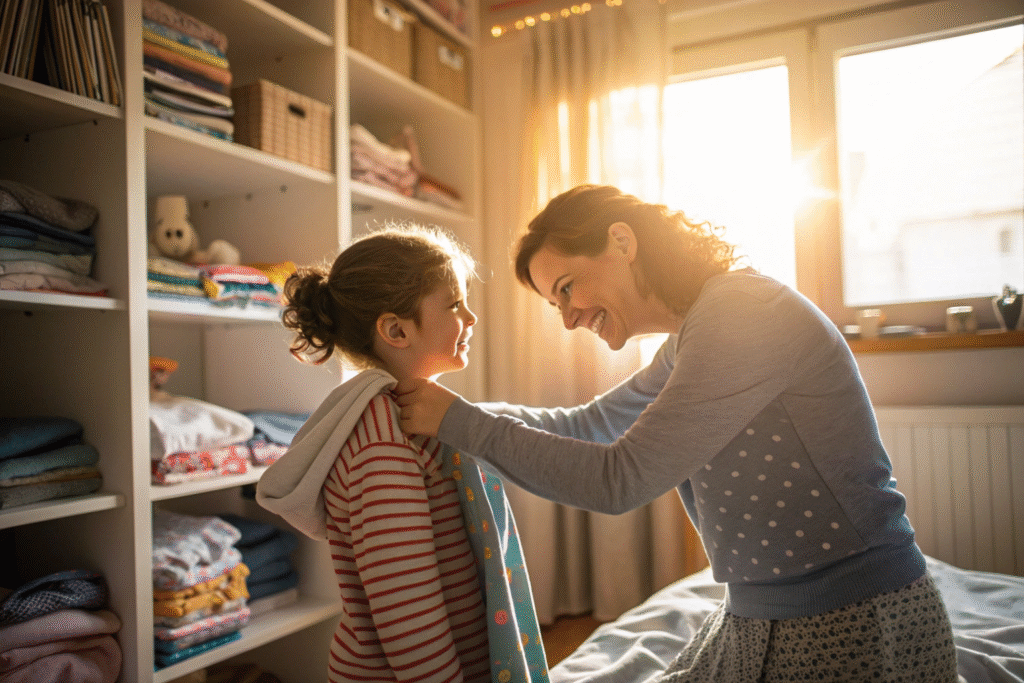
How Does the "Protection of Childhood" Instinct Influence Spending?
Parents have a powerful psychological drive to shield their children from economic hardships, maintaining routines and normalcy through consistent clothing provision even when making sacrifices in other areas. This protective instinct means that while parents might defer their own clothing purchases during recessions, they continue buying for their children to preserve childhood experiences and social inclusion. Research from the Journal of Consumer Psychology indicates that parents experience 3-5 times stronger negative emotions from cutting children’s expenses compared to reducing their own discretionary spending. This emotional dynamic creates a buffer for children’s wear during economic downturns that doesn’t exist for adult fashion or other discretionary categories.
What Role Does Social and School Pressure Play?
Children’s clothing serves social functions in educational and peer contexts that parents are reluctant to compromise, even during financial constraint. School dress codes, weather-appropriate clothing, and social inclusion concerns create practical pressures that maintain certain purchasing levels. According to a University of Michigan consumer sentiment study, parents consistently rank "clothing suitable for school" as a higher priority than "fashionable adult clothing" during economic uncertainty. This practical social function means that while parents might shift from premium to value brands or reduce the quantity of purchases, they continue acquiring essential children’s clothing that supports their children’s educational and social participation.
How Do Practical Limitations Sustain the Market?
Physical and practical constraints prevent the demand reduction that might otherwise occur during recessions, creating natural market protections that don’t exist for most consumer goods.
The practical realities of children’s clothing use—including wear and tear, size limitations, and seasonal requirements—create replacement needs that cannot be fully eliminated through extended use or repair, unlike many adult clothing items that can be maintained longer during financial constraint.
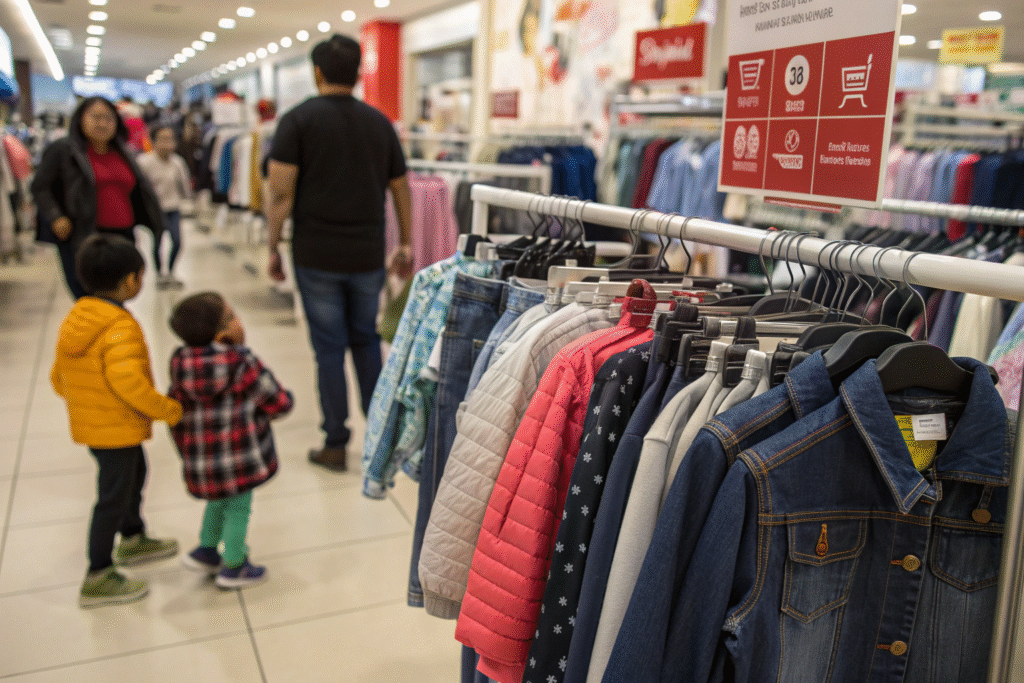
Why Can’t Hand-Me-Downs Fully Eliminate Purchasing?
While hand-me-downs between siblings increase during economic downturns, practical limitations prevent them from completely replacing new purchases. Age and season mismatches, gender differences, varying activity needs, and simple wear-and-tear mean most families still require significant new purchasing even with robust hand-me-down systems. According to the American Apparel & Footwear Association’s consumption data, even families that actively practice clothing inheritance still purchase 40-60% new clothing for their younger children due to these practical constraints. This reality means that while recession might increase hand-me-down utilization, it doesn’t eliminate the need for new purchases, particularly for items like shoes that fit more precisely or seasonal items that might not align between siblings’ growth timelines.
How Does Wear and Tear Create Inelastic Demand?
Children’s clothing experiences more rapid deterioration than adult clothing due to active use, frequent washing, and rough play, creating replacement needs that cannot be indefinitely deferred. Unlike adult office wear that might last for years with proper care, children’s play clothes typically show significant wear after 6-9 months of regular use. The International Association of Clothing Designers’ durability standards note that children’s clothing undergoes 2-3 times more stress during average use compared to adult clothing. This accelerated wear pattern means that even if families reduce the quantity of clothing owned per child, they cannot extend replacement cycles indefinitely without children having insufficient wearable clothing, creating a demand floor that persists through economic cycles.
What Market Adaptations Occur During Economic Downturns?
While the children’s wear market demonstrates resilience, it does undergo specific adaptations during recessions that reflect changed consumer behavior while maintaining overall market stability.
Understanding these adaptation patterns helps explain how the market remains recession-resistant rather than recession-proof, with specific segments and price points experiencing different impacts while the overall category maintains relatively stable demand.
How Do Purchasing Patterns Shift During Recessions?
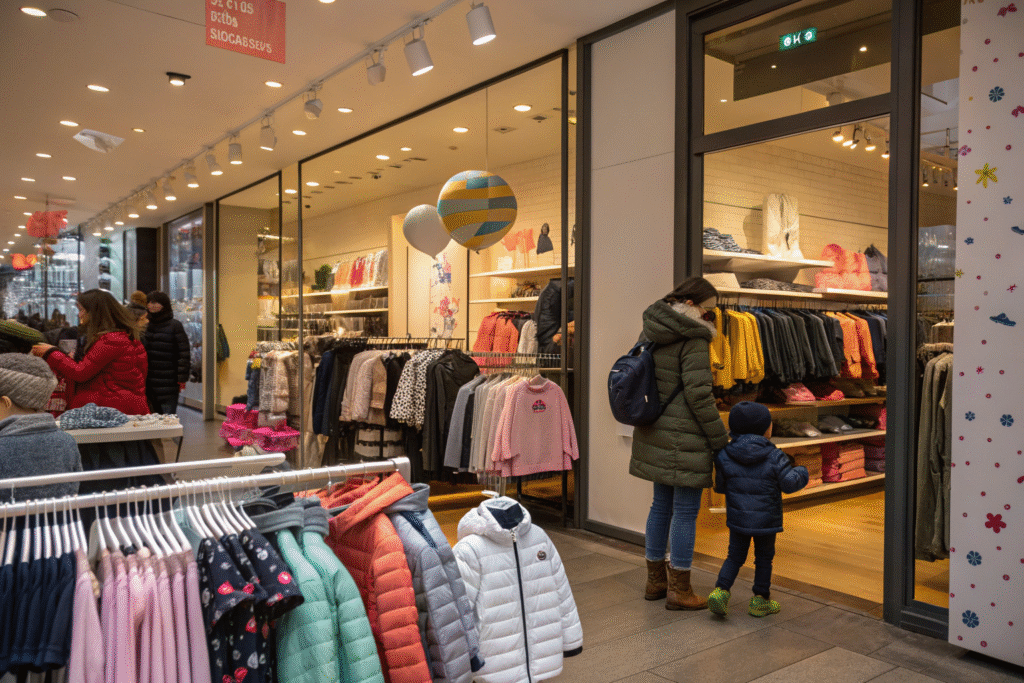
During economic downturns, children’s clothing purchases typically shift toward value channels, essential items, and practical features rather than disappearing entirely. According to the NPD Group’s consumer tracking, during the 2020 economic contraction, children’s wear sales at value retailers declined only 3% compared to 15% at premium specialty stores, while e-commerce channels actually grew as parents sought better prices and convenience. Additionally, purchases shift toward replacement essentials rather than discretionary additions, with basic items like jeans, t-shirts, and school uniforms maintaining stronger sales than fashion-forward or occasion-specific items. This channel and category shifting demonstrates how demand persists while expressing differently during financial constraint.
What Pricing and Promotion Strategies Maintain Sales?
Brands and retailers that successfully navigate recessions typically emphasize value perception, durability, and multi-use functionality rather than cutting prices indiscriminately. Research from the Journal of Marketing Research indicates that children’s wear brands maintaining strong value messaging during recessions experience only 5-10% sales declines compared to 20-25% for those relying solely on price promotion. Successful strategies include highlighting cost-per-wear for durable items, emphasizing clothing that accommodates growth (adjustable waistbands, longer sleeves), and bundling essentials at value price points. These approaches acknowledge parents’ budget constraints while maintaining brand value and avoiding the profit erosion that comes with deep discounting.
How Does Demographic Stability Support the Market?
Fundamental demographic patterns create a stable foundation of potential consumers that fluctuates less dramatically than economic conditions, providing underlying market stability.
Unlike discretionary categories that depend on consumer confidence and disposable income, children’s wear benefits from relatively predictable demographic trends that create consistent potential demand regardless of economic cycles.
What Role Do Birth Rates Play in Market Stability?
While birth rates experience some economic sensitivity, they typically decline more gradually and recover more quickly than discretionary spending, creating a stable base of young children requiring clothing. According to the U.S. Census Bureau population data, birth rates typically decline only 2-4% during recessions compared to 15-25% declines in discretionary apparel spending. This relative stability means the fundamental pool of children requiring clothing remains relatively consistent even during economic contractions. Additionally, children already born continue growing and requiring clothing replacement regardless of economic conditions, creating ongoing demand that isn’t dependent on new births during the recession period.
How Does the "Grandparent Economy" Provide Stability?
Grandparents represent a significant secondary purchasing source that often increases during economic downturns as they help support their children’s families. The AARP Grandparenting Study found that grandparents spend an average of $2,562 annually on grandchildren, with clothing representing the largest category. During recessions, this grandparent spending often increases as retirement incomes (often from more stable sources like Social Security and pensions) remain relatively steady while working-age parents experience income volatility. This multi-generational support system provides additional market stability that doesn’t exist for adult fashion, where purchases are more concentrated within single generations.
Conclusion
The children’s clothing market demonstrates notable recession resistance due to the convergence of practical necessities, emotional drivers, demographic stability, and adaptive market behaviors that collectively maintain demand even during economic uncertainty. While not completely immune to economic pressures, the sector experiences shallower declines and faster recoveries than most consumer categories because children’s fundamental needs for clothing that fits, functions, and facilitates their participation in daily life continue regardless of economic conditions.
This relative stability makes children’s wear an attractive segment for brands and manufacturers during uncertain economic periods, though success requires understanding how consumer behavior shifts and adapting strategies accordingly. If you’re navigating children’s wear manufacturing during economic uncertainty and need partners who understand how to balance quality, value, and production flexibility to meet changing market conditions, contact our Business Director, Elaine, at elaine@fumaoclothing.com. Let’s discuss how we can help you develop strategies and products that maintain relevance and performance throughout economic cycles while delivering the value today’s families need.