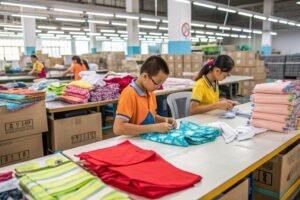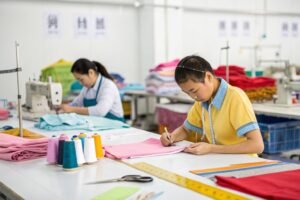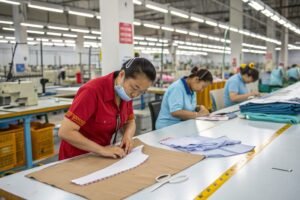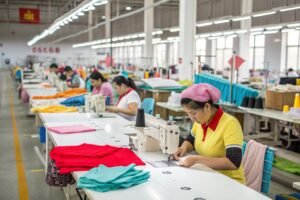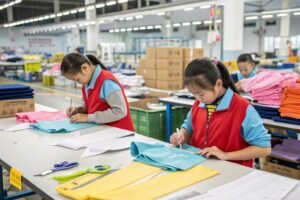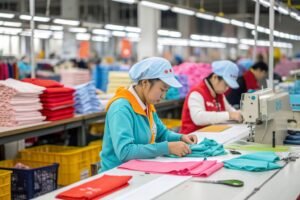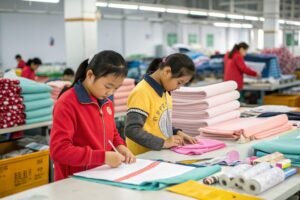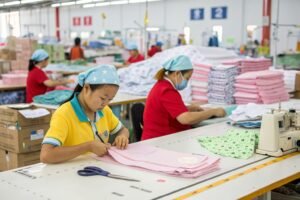

Finding specialized manufacturers for kids plus size clothing requires targeted sourcing strategies and understanding of the unique pattern-making and fit challenges in this underserved segment. As manufacturers who have developed extended size ranges for children, we recognize the specific expertise needed to create comfortable, well-fitting plus size options that maintain style and functionality.
To find a manufacturer for kids plus size clothing, you need to identify factories with experience in extended sizing, verify their pattern-making expertise for different body types, assess their understanding of children’s plus size proportions, confirm their quality control processes for size consistency, and evaluate their commitment to inclusive design principles. The right manufacturing partner should approach plus sizing as a design specialty rather than simply scaling up standard patterns, recognizing that children’s plus size bodies have different proportions and fit requirements than straight-size counterparts.
What Specialized Expertise Should You Look For in Plus Size Manufacturing?
Not all clothing manufacturers possess the specific technical knowledge required for proper plus size children’s wear production, making specialized expertise a critical selection criterion.
Plus size children’s clothing requires understanding of how children’s bodies develop differently, specialized pattern-making that accommodates varying proportions without compromising style, and construction techniques that provide comfort and durability for active wearers. Manufacturers experienced in this segment approach it as a specialized discipline rather than a simple scaling exercise.

Why Is Proportional Pattern-Making Crucial for Plus Size Kids Wear?
Plus size children have different body proportions than straight-size children, requiring specialized grading rules rather than simple size scaling. According to ASTM children’s plus size standards, proper plus size patterns must account for proportionally different relationships between chest, waist, hip, and limb measurements. Manufacturers experienced in this segment understand that a child who wears a plus size width may not necessarily require proportionally longer limbs or torso length. This expertise prevents the common fit issues like armholes that are too large, necklines that gap, or torsos that are incorrectly proportioned—problems that often occur when manufacturers simply enlarge straight-size patterns without understanding plus size proportions.
How Does Construction Expertise Differ for Plus Size Clothing?
Plus size children’s clothing requires reinforced construction at stress points, appropriate fabric selection with adequate recovery, and design elements that accommodate movement without adding bulk. The American Apparel & Footwear Association’s construction guidelines note that plus size garments typically need 20-30% more reinforcement at seam intersections and stress areas to withstand the additional tension from broader movement ranges. Experienced manufacturers understand how to select fabrics with appropriate stretch and recovery, implement flatlock seams that prevent chafing, and design silhouettes that flatter different body types while maintaining the playful aesthetic appropriate for children. This specialized construction knowledge separates manufacturers who truly understand plus size needs from those simply offering larger sizes.
How Can You Verify a Manufacturer’s Plus Size Experience?
Evaluating a manufacturer’s genuine expertise in children’s plus size clothing requires looking beyond claims to examine specific capabilities, past work, and technical approaches.
Many manufacturers claim plus size capability but lack the specialized pattern-making, grading, and construction experience needed for well-fitting, attractive extended sizes. Thorough vetting ensures you partner with manufacturers who approach plus size as a design specialty rather than a size extension.

What Evidence Demonstrates Authentic Plus Size Expertise?
Request to see examples of previous plus size children’s collections, technical packages showing their grading approach for extended sizes, and fit documentation demonstrating their understanding of plus size proportions. Reputable manufacturers should provide spec sheets showing their complete size range, including how they adjust proportions between straight and plus sizes. According to the International Association of Clothing Designers, manufacturers with genuine plus size experience typically maintain separate base patterns for straight and plus sizes rather than using simple grade rules across the entire range. This separate pattern development acknowledges the different proportions and fit requirements of plus size bodies rather than treating them as scaled versions of straight sizes.
How Should You Assess Their Fit Testing Processes?
Inquire about their fit model selection, testing protocols for different body types, and quality control measures for size consistency across plus size ranges. Manufacturers experienced in plus size production typically work with diverse fit models representing different plus size proportions to ensure their patterns accommodate various body types. The Textile and Apparel Production Association recommends that manufacturers producing plus size clothing should conduct fit tests on at least three different body types within each plus size category to ensure universal fit. This comprehensive approach prevents the common issue where plus size patterns are developed based on a single body type that doesn’t represent the full range of plus size proportions.
What Design and Production Considerations Are Unique to Plus Size Kids Wear?
Plus size children’s clothing requires specific design adjustments, fabric selections, and production approaches that differ from standard sizing, impacting everything from initial design through final production.
Successful plus size designs balance aesthetic appeal with functional requirements, recognizing that plus size children need both stylish options and practical features that support comfort, movement, and ease of dressing. These considerations should be integrated from the earliest design stages rather than added as afterthoughts.

How Should Design Elements Accommodate Plus Size Proportions?
Strategic design details like strategic seam placement, proportional pattern repeats, and appropriate ease calculations create flattering, functional plus size clothing. Vertical seams that create clean lines, strategically placed design elements that draw the eye appropriately, and prints scaled to plus size proportions all contribute to better aesthetics. According to the Fashion Institute of Design & Merchandising’s plus size curriculum, successful plus size design requires 15-20% more ease in specific areas like upper arm, thigh, and torso while maintaining closer fits in areas like shoulders and necklines. This balanced approach ensures comfort without excessive fabric that can make children look larger than they are.
What Fabric Considerations Are Particularly Important?
Plus size children’s clothing benefits from fabrics with mechanical stretch, good recovery, breathability, and durability at stress points. Fabrics with 20-30% horizontal stretch accommodate movement more comfortably, while good recovery ensures garments maintain their shape rather than becoming baggy. The Textile Exchange’s performance fabric guide recommends specific fabric constructions for plus size applications, including double-brushed knits for softness without transparency and sturdy interlock constructions that resist seam strain. These fabric considerations are particularly important for children’s plus size clothing, where active use combined with additional stress on seams requires materials that perform under more demanding conditions.
How Can You Ensure Consistent Sizing Across Plus Size Production?
Maintaining consistent fit and sizing in plus size children’s clothing requires specialized quality control processes that address the unique challenges of extended size ranges.
Plus size manufacturing introduces additional variables that can affect size consistency, requiring more rigorous measurement protocols, specialized equipment, and experienced quality control staff familiar with plus size fit requirements. These processes ensure that customers receive consistent sizing regardless of when or where garments were produced.

What Measurement Protocols Ensure Size Accuracy?
Comprehensive measurement protocols should include additional points beyond standard sizing checks, with particular attention to areas where plus size proportions differ most significantly. According to the American Society for Testing and Materials, plus size quality control should include underarm to underarm measurements, upper arm circumference, and thigh measurements in addition to standard chest, waist, and hip checks. These additional measurements prevent the common plus size issues like sleeves that are too tight despite correct chest measurements or pants that fit in the waist but are too narrow in the thigh. Manufacturers experienced in plus size production typically provide more detailed measurement charts showing these additional points and their acceptable tolerances.
How Should Sample Approval Processes Differ for Plus Sizes?
The sampling process for plus size clothing should include fit testing on multiple body types within the same size category to ensure the pattern accommodates natural variations in plus size proportions. Rather than approving samples based on a single fit model, experienced manufacturers test plus size samples on children with different body types—some with more abdominal prominence, others with broader shoulders, others with fuller thighs—to ensure the pattern works across common plus size variations. The International Association of Clothing Designers’ fit standards recommend this multi-model approach specifically for extended sizes where body type variations are more pronounced than in straight sizes.
Conclusion
Finding the right manufacturer for kids plus size clothing requires targeted search strategies, thorough evaluation of specialized expertise, and understanding of the unique design, production, and business considerations in this segment. The most successful partnerships emerge when brands and manufacturers share a commitment to creating well-fitting, stylish plus size options that respect children’s diverse bodies while delivering the quality, comfort, and durability that all children deserve.
The growing recognition of the need for inclusive sizing in children’s wear makes finding the right manufacturing partner increasingly important for brands seeking to serve this underserved market. If you’re developing a plus size children’s collection and need manufacturing partners with genuine expertise in extended sizing and inclusive design principles, contact our Business Director, Elaine, at elaine@fumaoclothing.com. Let’s discuss how we can help you create plus size collections that combine excellent fit, contemporary style, and the quality standards that build brand loyalty among families seeking better options for their children.