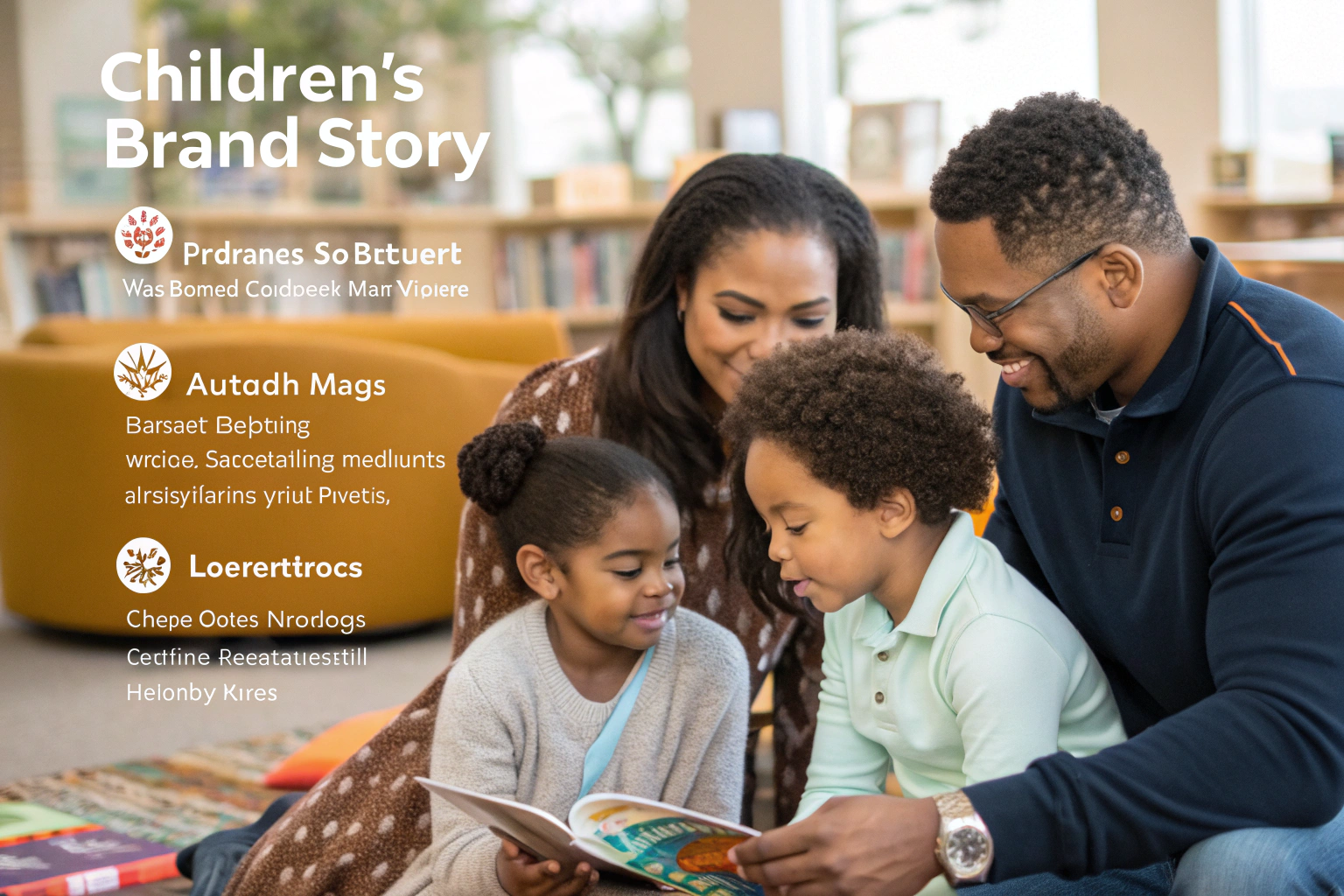
In the increasingly competitive children’s fashion market, brand storytelling has evolved from a marketing luxury to a business necessity. As manufacturers who have witnessed countless brands succeed or fail based on their narrative strength, we understand how compelling stories create emotional connections that transcend transactional relationships.
The story behind the brand is important for kids fashion because it creates emotional resonance with parents, builds trust through transparency, differentiates in a crowded market, communicates values that align with modern families, and transforms clothing from commodity to meaningful purchase. A compelling brand narrative provides context that helps parents understand not just what you make, but why you make it—establishing emotional connections that drive loyalty and justify premium positioning. In children’s fashion specifically, stories often focus on safety, sustainability, development, or creativity, addressing parents’ deepest concerns and aspirations for their children.
How Does Brand Storytelling Create Emotional Connections?
A compelling brand narrative transforms children’s clothing from mere products into vessels of meaning, connecting with parents on an emotional level that rational product features alone cannot achieve.
Parents make purchasing decisions for their children based on a complex mix of practical considerations and emotional drivers. While quality, price, and functionality matter, the story behind a brand often determines which products parents feel good about choosing—and which they enthusiastically recommend to other families. This emotional dimension becomes particularly important in children’s fashion, where clothing choices often reflect parents’ values, hopes, and identity.

What Emotional Needs Does Brand Storytelling Address?
Effective brand stories address fundamental parental emotions: the desire to protect, the aspiration to provide the best, the need to make values-aligned choices, and the hope for their children’s happiness and development. According to psychology research from the Journal of Consumer Research, emotionally-connected customers have a 306% higher lifetime value and are more likely to forgive occasional mistakes. For children’s wear brands, stories might focus on a founder’s personal journey as a parent, a commitment to safety born from a specific experience, or a design philosophy centered on supporting childhood development. These narratives create resonance that pure product features cannot match.
How Does Storytelling Build Multigenerational Loyalty?
Brands with compelling stories often achieve loyalty that spans generations, as parents who connected with a brand’s narrative during their own childhood seek out the same emotional experience for their children. Heritage brands like Polo Ralph Lauren Children leverage their established narratives, while newer brands create stories around contemporary values like sustainability or inclusivity. The Harvard Business Review’s brand loyalty analysis demonstrates that emotionally-connected customers are 25% more valuable than merely satisfied ones. In children’s fashion, this emotional connection often begins with the brand story and strengthens through positive experiences with products that deliver on the narrative promise.
How Does Brand Narrative Build Trust and Transparency?
In an era of increased consumer skepticism, a genuine brand story provides the transparency and authenticity that modern parents demand when making purchasing decisions for their children.
Trust has become a precious commodity in children’s products, where safety, ethical production, and material purity are paramount concerns. A compelling brand story that reveals origins, values, and practices helps build this trust by demonstrating there are real people with genuine intentions behind the products.

Why Does Origin Story Matter for Trust Building?
A brand’s origin story—why it was founded, what problem it sought to solve, what values guided its creation—provides crucial context that helps parents assess authenticity. When parents understand that a brand emerged from a founder’s personal frustration with unavailable safe organic clothing or was inspired by a specific developmental insight, they’re more likely to trust its claims. Research from the Edelman Trust Barometer shows that 81% of consumers say trust in a brand is a deal-breaker or deciding factor in their purchase decisions. For children’s wear, this trust is particularly crucial since parents are making decisions for vulnerable family members rather than just themselves.
How Does Supply Chain Storytelling Enhance Credibility?
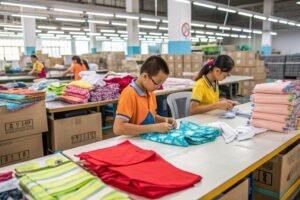
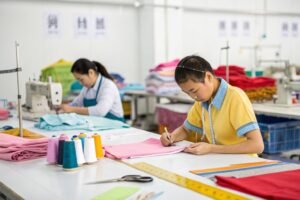
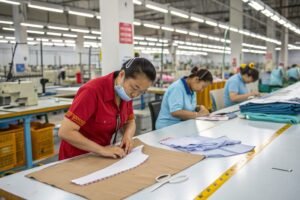
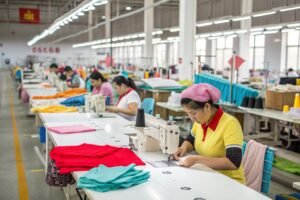
Brands that share stories about their manufacturing partners, material sources, and ethical practices provide tangible evidence supporting their values claims. This might include highlighting factory conditions, showcasing artisan partnerships, or explaining material traceability from source to finished product. According to the Fashion Revolution’s Consumer Survey, 70% of consumers want to know more about the fashion industry’s impact on the environment, and 60% want to know how their clothing is made. Brands that transparently share these stories, like Frugi with their ethical manufacturing narrative, build credibility that justifies premium positioning while addressing parent concerns about production ethics.
How Does Storytelling Create Competitive Differentiation?
In a crowded marketplace where product features and pricing often converge, a unique brand story provides sustainable differentiation that competitors cannot easily replicate.
While specific designs, fabrics, or features can be copied, a genuine brand story rooted in specific experiences, values, or perspectives represents intellectual property that competitors cannot legally or credibly appropriate. This narrative differentiation becomes particularly valuable in children’s fashion, where many brands offer similar product categories at overlapping price points.

What Types of Stories Create Meaningful Differentiation?
The most effective differentiating stories typically focus on unique founder experiences, specialized expertise, distinctive values, or novel approaches to common challenges. A brand founded by a pediatric occupational therapist might tell stories about how their designs support sensory development, while a brand launched by parents of multiples might focus on practical solutions they discovered through personal experience. According to the Journal of Brand Management, brands with strong, unique narratives achieve 20% higher brand recall and 30% higher preference in competitive blind tests. These stories provide "reasons to believe" that transcend product specifications.
How Does Consistent Narrative Execution Reinforce Differentiation?
A brand story only creates sustainable differentiation when consistently expressed across all touchpoints—product design, packaging, customer service, marketing, and retail environments. This consistent expression transforms a narrative from marketing claim to brand reality. The Design Management Institute’s brand consistency research indicates that brands with consistent presentation are 3-4 times more likely to experience brand visibility. For children’s wear brands, this might mean ensuring that sustainable values expressed in marketing are reflected in fabric choices and packaging, or that developmental benefits highlighted in storytelling are actually delivered through thoughtful design details.
How Do Brand Values Communicate Through Storytelling?
Modern parents increasingly seek brands whose values align with their own, making value-based storytelling a powerful filter for attracting ideal customers and repelling mismatched ones.
Brand stories centered on specific values—sustainability, inclusivity, creativity, independence—help parents quickly identify whether a brand aligns with their family’s priorities and principles. This values-based connection often proves more durable than style-based or price-based loyalty, as it taps into deeper identity and belief systems.

Why Do Value-Based Stories Resonate with Modern Parents?
Today’s parents, particularly millennials and Gen Z, increasingly view consumption as an expression of values and seek brands that align with their beliefs about environmental responsibility, social justice, and community engagement. A Nielsen Global Sustainability Report found that 73% of millennials are willing to pay more for sustainable offerings—but they need compelling stories to identify which brands genuinely embody these values. Children’s wear brands that tell authentic stories about their environmental practices, charitable initiatives, or inclusive design approaches attract these value-conscious parents while building brand communities around shared principles.
How Do Developmental Stories Address Parental Aspirations?
Brand stories focused on supporting children’s development, independence, or creativity tap into fundamental parental aspirations. Narratives about how clothing designs promote autonomous dressing, encourage imaginative play, or support physical development resonate deeply because they address parents’ hopes for their children’s growth. The American Academy of Pediatrics’ child development resources emphasize how environment, including clothing, can support or hinder development. Brands that tell credible stories connecting their designs to developmental benefits—like magnetic closures facilitating self-dressing or adaptable features accommodating growth—create meaningful differentiation based on understanding child development.
How Does Storytelling Transform Commodity to Meaningful Purchase?
A compelling brand story elevates children’s clothing from basic necessity to meaningful purchase by embedding products with significance that transcends their functional utility.
The same physical garment becomes more valuable when accompanied by a story that gives it meaning—whether that story concerns its sustainable origins, its developmental benefits, or its connection to cherished childhood experiences. This transformation from commodity to meaningful object justifies premium pricing while creating emotional connections that drive repeat purchases.

What Psychological Principles Make Stories Transformative?
Stories engage different parts of the brain than factual information, creating emotional connections and memories that make brands more memorable and meaningful. Neuroeconomic research published in Harvard Business Review demonstrates that stories activate multiple brain regions, including those responsible for emotions, sensory experiences, and memory. When parents connect with a brand’s story, they’re not just purchasing clothing—they’re buying into a narrative that reflects their identity, values, and aspirations for their family. This emotional engagement transforms routine purchases into meaningful decisions.
How Do Rituals and Traditions Build Story Equity?
Brands that encourage or create family rituals around their products build story equity that extends beyond the initial purchase. This might include special occasion clothing for annual celebrations, growth tracking systems built into designs, or clothing designed to be passed between siblings with narrative significance. According to the Journal of Marketing Research, products integrated into family rituals achieve 40% higher emotional attachment and 25% longer customer lifetimes. For children’s wear brands, creating or supporting these meaningful family traditions transforms clothing from disposable items to cherished possessions with stories that grow over time.
Conclusion
The story behind a children’s fashion brand has become increasingly crucial in a marketplace where parents seek not just clothing, but meaning, values, and emotional connection. A compelling narrative builds trust through transparency, creates sustainable competitive differentiation, communicates values that attract like-minded families, and transforms basic products into meaningful purchases. The most successful kids wear brands understand that they’re not just selling clothing—they’re offering parents opportunities to express their values, support their children’s development, and participate in stories that resonate with their family identity.
In an industry where product features and pricing often converge, brand storytelling provides the emotional dimension and meaningful differentiation that builds lasting loyalty across generations. If you’re developing a children’s wear brand and need manufacturing partners who understand how to translate your brand story into products that deliver on narrative promises, contact our Business Director, Elaine, at elaine@fumaoclothing.com. Let’s discuss how we can help you create collections that not only meet quality standards but also embody the stories and values that make your brand meaningful to modern families.