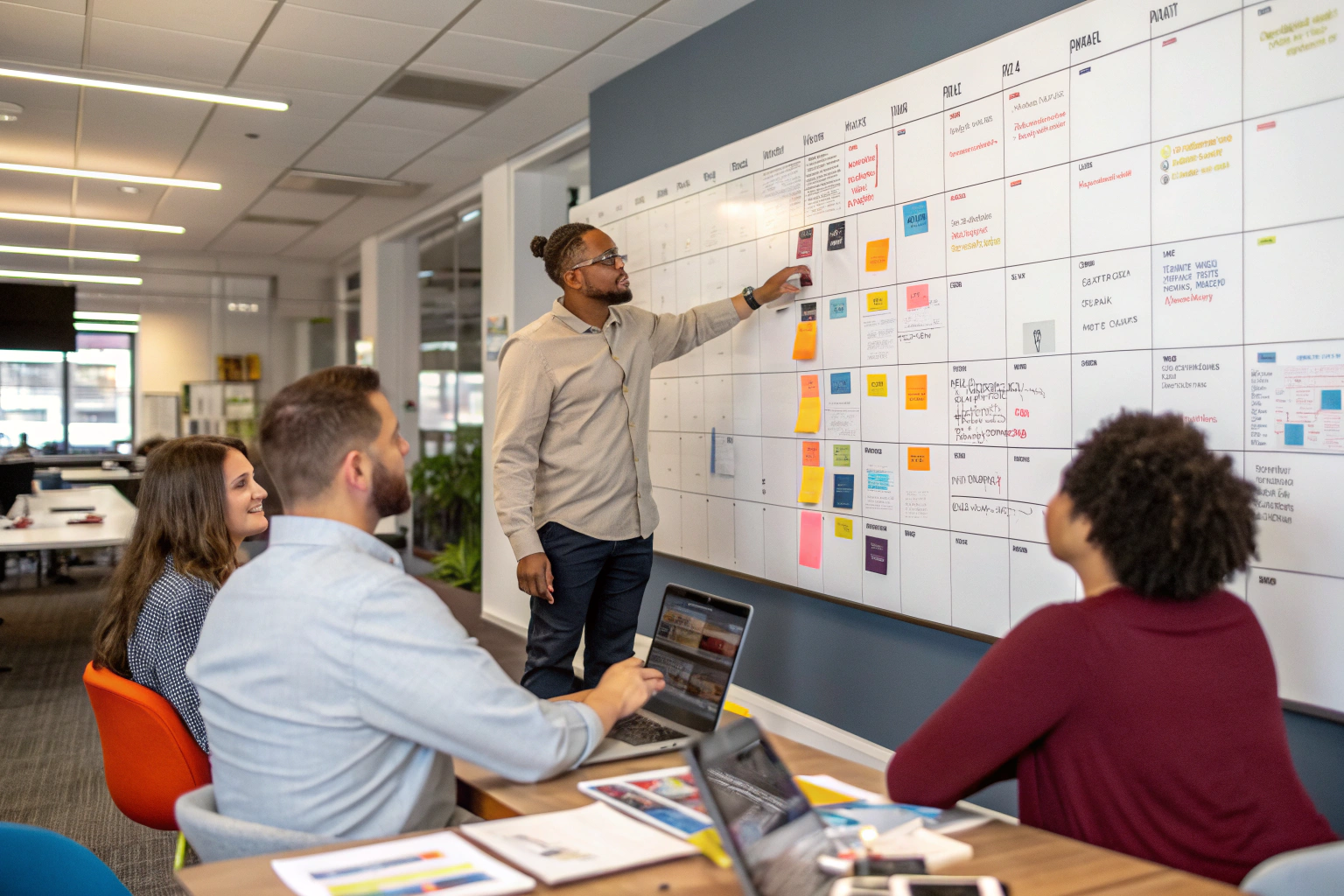
Launching a children’s clothing collection requires meticulous planning that balances creative vision with commercial reality. As manufacturers who have supported hundreds of successful brand launches, we’ve identified the key elements that separate memorable market entries from those that struggle to gain traction.
To create a successful kids clothing launch plan, you need to develop a compelling brand story, implement strategic pre-launch marketing, coordinate production with marketing timelines, plan multi-channel distribution, and establish systems for gathering and acting on early customer feedback. A successful launch functions as a coordinated business operation rather than simply releasing products into the market, with each element reinforcing the others to build momentum and establish a foundation for long-term growth. The most effective launches tell compelling stories that resonate emotionally while delivering practical value that keeps customers returning.
What Pre-Launch Strategies Build Essential Momentum?
Strategic activities before your official launch create anticipation, validate your concept, and build an initial audience that ensures your collection arrives to interested buyers rather than launching into silence.
The pre-launch phase transforms your clothing line from a private project into a public anticipation, building emotional investment and practical readiness that maximizes impact when products become available. This period allows you to test messaging, gather valuable feedback, and establish relationships with potential stockists and influencers who can amplify your launch.

How Can You Build an Audience Before Products Are Available?
Creating anticipation requires giving potential customers reasons to engage with your brand before they can make purchases. Email list building through valuable content, social media teasers showing behind-the-scenes development, and exclusive pre-launch community access all create invested audiences. According to Shopify’s launch guide, brands that systematically build pre-launch audiences achieve 3-5 times higher first-week sales compared to those that don’t. For kids wear brands, this might include sharing the design inspiration, introducing the brand story, or providing helpful content about children’s clothing topics that establishes your expertise before asking for sales.
What Role Does Influencer Seeding Play in Launch Preparation?
Strategic product seeding with carefully selected influencers and brand advocates generates authentic content and social proof before your public launch. Providing samples to parents who align with your target demographic and values creates genuine testimonials and visual content that demonstrates your clothing in real-life contexts. Research from the Influencer Marketing Hub shows that campaigns incorporating pre-launch influencer seeding achieve 35% higher engagement rates. For children’s wear, this approach is particularly effective since parents heavily rely on peer recommendations when making clothing decisions for their children.
How Should You Coordinate Production with Launch Timing?
Meticulous production planning ensures your inventory arrives precisely when needed to support your marketing activities, avoiding the costly mismatches that undermine many otherwise well-planned launches.
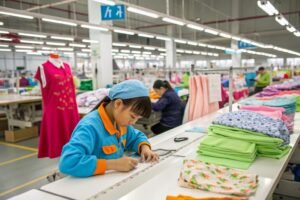
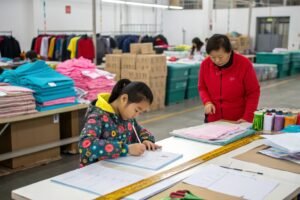
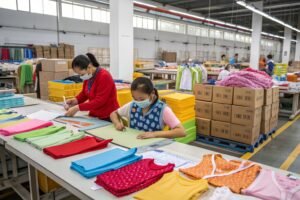
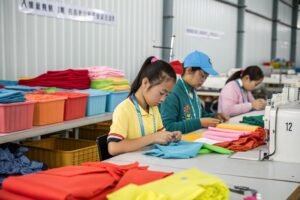
Production timing must align with marketing calendars, seasonal relevance, and distribution readiness, creating a seamless transition from manufacturing to market availability. This coordination requires understanding production lead times, building appropriate buffers for unexpected delays, and having contingency plans for potential timing disruptions.

What Is the Ideal Production Timeline for a Successful Launch?
A comprehensive production schedule should begin 6-8 months before your target launch date, allowing time for sampling, revisions, production, quality control, and shipping. The Fashion Incubator production calendar recommends specific milestones: initial sampling 6 months out, final approvals 4 months out, production completion 1 month out, and inventory receipt 2 weeks before launch. This timeline provides buffer for unexpected delays while ensuring products are physically available to fulfill orders generated by launch marketing. For children’s wear specifically, additional time may be needed for safety testing and certification processes that vary by market.
How Can You Mitigate Production Risks That Could Delay Launch?
Proactive risk management identifies potential production challenges before they impact your launch timeline. This includes ordering extra fabric to accommodate cutting errors, confirming component availability before finalizing designs, and building relationships with alternative manufacturers who can handle overflow or emergency production. According to the American Apparel & Footwear Association’s production guidelines, brands that implement formal risk management plans experience 60% fewer launch delays. Regular communication with your manufacturing partner throughout production provides early warning of potential issues, allowing time for course correction before deadlines are threatened.
What Marketing Strategies Maximize Launch Impact?
A multi-channel marketing approach ensures your launch reaches potential customers through their preferred platforms while creating the repetition needed for brand recognition and message retention.
Effective launch marketing balances brand-building activities that create emotional connections with conversion-focused tactics that drive immediate sales. This integrated approach recognizes that parents may need multiple exposures to your brand across different contexts before making their first purchase decision.

How Can You Create Compelling Launch Storytelling?
Your launch narrative should connect your products to meaningful values, experiences, or solutions that resonate with parents’ aspirations for their children. Rather than simply listing product features, storytelling frames your clothing within larger contexts—sustainability, creativity, independence, comfort—that create emotional resonance. Research from the Journal of Marketing Research demonstrates that brands using emotional storytelling achieve 35% higher recall and 22% higher conversion rates compared to feature-focused messaging. For kids wear, effective stories might focus on how your designs support children’s development, reflect family values, or solve specific parenting challenges.
What Launch Promotion Strategies Drive Initial Sales?
Strategic promotions encourage trial and generate early momentum that attracts additional customers through social proof. Limited-time introductory pricing, bundled offerings, or exclusive access for early subscribers create urgency while rewarding your most engaged potential customers. According to Nielsen’s pricing strategy research, well-structured launch promotions can increase initial sales volume by 40-60% without significantly damaging long-term price perception. The key is designing promotions that feel special rather than desperate—celebrating your launch rather than discounting your value.
How Should You Plan Distribution for Maximum Reach?
Strategic distribution planning ensures your products are available through channels that match your target customers’ shopping preferences while supporting your brand positioning and business model.
Your distribution strategy should balance reach with control, making your collection accessible to your target audience while maintaining the brand experience and margin structure needed for sustainable growth. This often involves a phased approach that expands channel availability as your brand establishes itself in the market.

What Is the Optimal Channel Mix for a New Kids Wear Brand?
Most successful launches begin with direct-to-consumer channels (e-commerce, pop-ups) that provide full margin, customer data, and brand control, then gradually expand to selective wholesale partnerships that increase reach. The Harvard Business Review’s retail strategy analysis recommends that new brands maintain 60-80% direct channel focus initially to build customer relationships and brand identity before pursuing broader distribution. For children’s wear specifically, this approach allows you to gather crucial fit feedback, understand customer preferences, and refine your offering before committing to wholesale partnerships with their inherent constraints.
How Can You Leverage Pop-Up and Experiential Retail?
Temporary physical retail experiences create buzz while allowing you to test markets and gather customer feedback without long-term lease commitments. Pop-up shops, trunk shows, or participation in relevant markets provide opportunities for customers to experience your products physically while generating content and press coverage. According to Retail Dive’s pop-up analysis, well-executed pop-up activations generate 30% higher social media engagement and 25% higher conversion rates than online-only launches. For children’s wear, these experiences can be particularly effective since parents often want to assess fabric quality and fit before purchasing, especially for new brands they haven’t previously tried.
How Can You Capture and Utilize Launch Feedback?
Systematic feedback collection during and immediately after your launch provides invaluable insights for refining your products, messaging, and operations while demonstrating responsiveness that builds customer loyalty.
Early customer feedback represents one of your most valuable launch assets, offering real-world perspectives that can guide product improvements, identify new opportunities, and strengthen customer relationships through responsive action.

What Feedback Mechanisms Provide the Most Valuable Insights?
Structured feedback collection through post-purchase surveys, product review invitations, and direct customer communication channels generates actionable data about your launch performance. The Qualtrics Customer Experience Management guide recommends implementing multiple feedback channels to capture different types of insights at various customer journey stages. For kids wear brands, specific questions about fit accuracy, fabric performance after washing, and design functionality provide crucial information for refining future collections. Offering small incentives for detailed feedback often increases response rates and comment quality.
How Should You Respond to Launch Feedback?
Acknowledging and acting on customer feedback demonstrates respect for your early adopters’ opinions while improving your products and operations. Public responses to reviews, implementation of suggested improvements, and communication about changes made based on customer input all strengthen relationships and build loyalty. Research from the Journal of Consumer Research shows that companies that visibly respond to feedback achieve 25% higher customer retention rates. For new kids wear brands, this responsiveness is particularly important since parents appreciate knowing that their concerns are heard and valued, especially regarding children’s products where practical considerations often outweigh brand loyalty.
Conclusion
A successful kids clothing launch requires integrating product development, production planning, marketing strategy, distribution management, and feedback systems into a cohesive operation that builds momentum while establishing a foundation for sustainable growth. The most effective launches balance ambitious vision with practical execution, telling compelling stories that resonate emotionally while delivering quality products that meet real needs in the children’s wear market.
Remember that your launch represents just the beginning of your brand journey—setting the tone for customer relationships, establishing market positioning, and creating momentum that can be sustained through subsequent collections and growth phases. If you’re planning a kids clothing launch and need manufacturing partners who understand how to coordinate production with marketing timelines while maintaining quality standards, contact our Business Director, Elaine, at elaine@fumaoclothing.com. Let’s discuss how we can help you execute a launch that captures attention, delivers on promises, and establishes a strong foundation for long-term success.