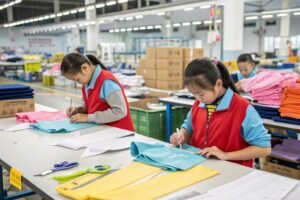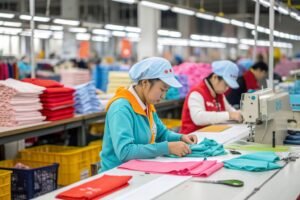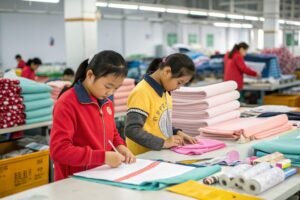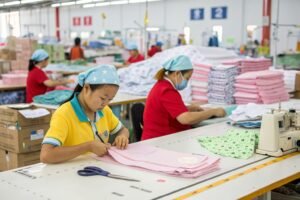

The UK children’s wear market features a dynamic mix of heritage brands, value retailers, and digital natives competing for family spending. As manufacturers supplying several UK brands, we observe firsthand which companies consistently resonate with British parents and children through quality, value, and brand identity.
The most popular kids clothing brands in the UK include John Lewis & Partners, Next, M&S (Marks & Spencer), Primark, JoJo Maman Bébé, and Frugi, each dominating different market segments from premium to value. These brands have earned parental trust through consistent quality, understanding of British childhood culture, and adapting to evolving consumer values around sustainability, inclusivity, and value retention. Their popularity stems from balancing practical parenting needs with children’s desire for self-expression through clothing.
Which Department Stores Dominate the Premium Kids Wear Market?
UK department stores have maintained their stronghold on the children’s wear market by combining quality, trust, and comprehensive sizing with the convenience of one-stop family shopping.
John Lewis & Partners and Marks & Spencer represent the gold standard for quality and reliability in British children’s clothing, earning multi-generational loyalty through consistent sizing, durable construction, and timeless designs. These retailers have successfully evolved their offerings to include both own-label collections and curated brand selections, creating destinations for everything from school uniforms to special occasion wear.
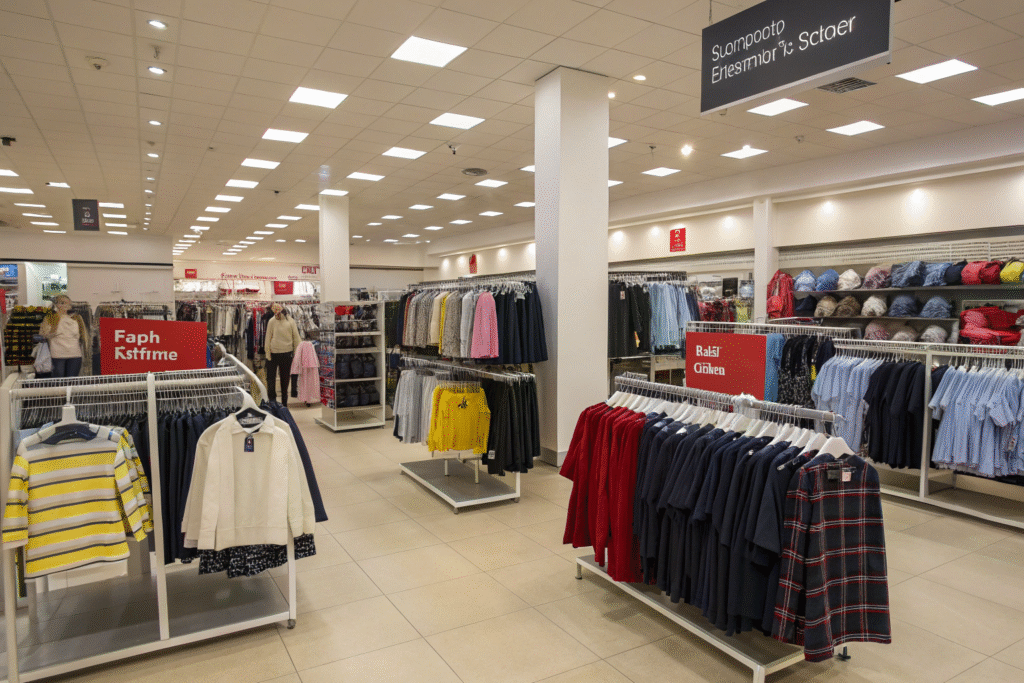
Why Has John Lewis Remained a Parent Favorite for Generations?
John Lewis & Partners has maintained its premium positioning through exceptional quality control, thoughtful design details, and reliable customer service including their famous returns policy. Their Anyday range offers affordable quality, while their more premium lines feature collaborations with designers like Boden and Joules. According to Retail Week analysis, John Lewis captures approximately 18% of the UK premium children’s wear market by focusing on durability, classic styling, and outfits that work for both school and special occasions. Their clothing often becomes hand-me-downs that maintain their appearance through multiple children, representing significant value despite higher initial price points.
How Has M&S Adapted to Changing Consumer Expectations?
Marks & Spencer has successfully reinvented its children’s wear offering by addressing modern parental concerns about sustainability while maintaining their reputation for quality school uniforms and practical everyday clothing. Their Kids & Co collection features increasingly fashionable designs that compete with specialty brands, while their Back to School range remains a market leader. The retailer’s commitment to Plan A sustainability initiatives has resonated with environmentally conscious parents, with their clothing recycling scheme and increased use of organic cotton helping maintain relevance in a competitive market.
What Value Retailers Capture the Mass Market?
Value-focused retailers have democratized fashion-forward children’s clothing in the UK, making trendy designs accessible across income levels while maintaining quality standards that satisfy practical British parents.
Primark, George at Asda, and Tu Clothing at Sainsbury’s dominate the value segment by combining fashion-forward designs with remarkable affordability. These brands have transformed expectations about what budget clothing can offer, with quality that often surpasses their price points and designs that quickly respond to trending themes from children’s media and fashion runways.
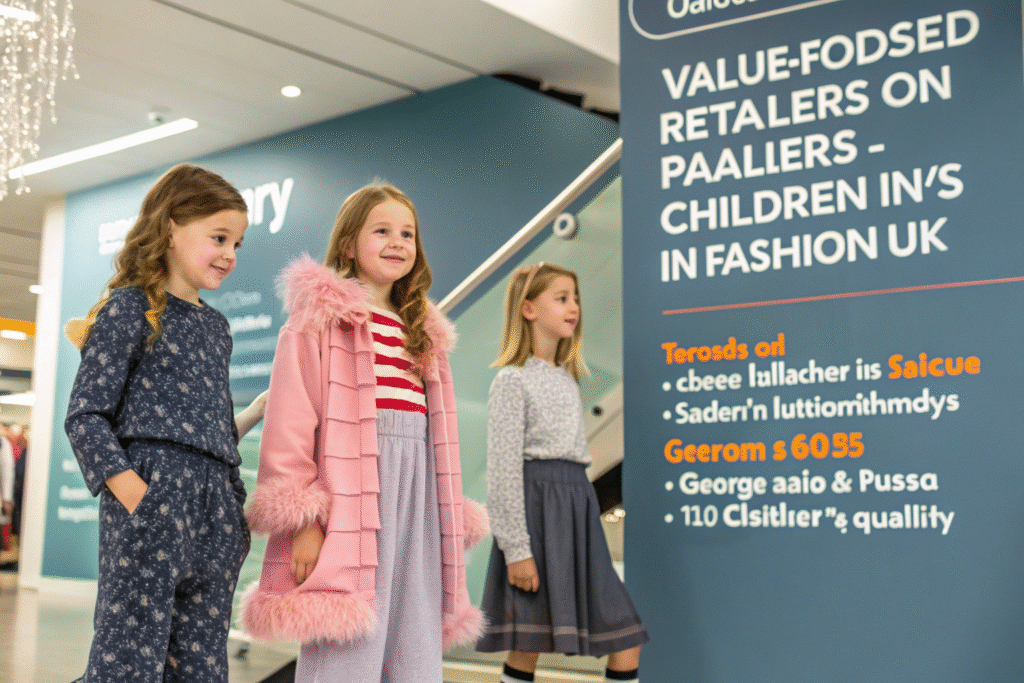
How Has Primark Revolutionized Kids Fast Fashion?
Primark has become a phenomenon in UK children’s wear by offering incredibly low prices alongside designs that closely follow current trends. Their success stems from massive volume, efficient supply chains, and minimal marketing costs passed to consumers as savings. According to Fashion United market analysis, Primark captures approximately 22% of the UK children’s wear market by volume, particularly dominating the toddler and young children segments where growth spurts make frequent replacement necessary. While facing criticism for fast fashion environmental impact, Primark has responded with their Primark Cares sustainability initiative and increased transparency about factory conditions, helping address parent concerns about ethical production.
Why Do Supermarket Clothing Lines Succeed with British Families?
Supermarket clothing brands like George (Asda) and Tu (Sainsbury’s) have gained significant market share by combining convenience with surprising quality. The IGD research organization reports that 65% of UK families regularly purchase children’s clothing during grocery shopping, valuing the time efficiency and competitive pricing. These brands have invested heavily in design talent, with Tu Clothing frequently winning industry awards for style and quality that belies its supermarket origins. Their integration of clothing with essential grocery shopping creates a captive audience of time-pressed parents who appreciate discovering well-priced, attractive children’s wear while completing their weekly shop.
Which Specialty Brands Define the Contemporary UK Market?
Beyond mass retailers, specialized children’s wear brands have cultivated loyal followings by focusing on specific values, aesthetics, or customer needs that broader retailers cannot fully address.
JoJo Maman Bébé, Frugi, and Boden have successfully carved out distinct market positions by understanding specific parent segments and delivering consistently against their brand promises. These brands typically command premium prices justified by specialized design, ethical production, or unique styling that mass retailers struggle to replicate at scale.
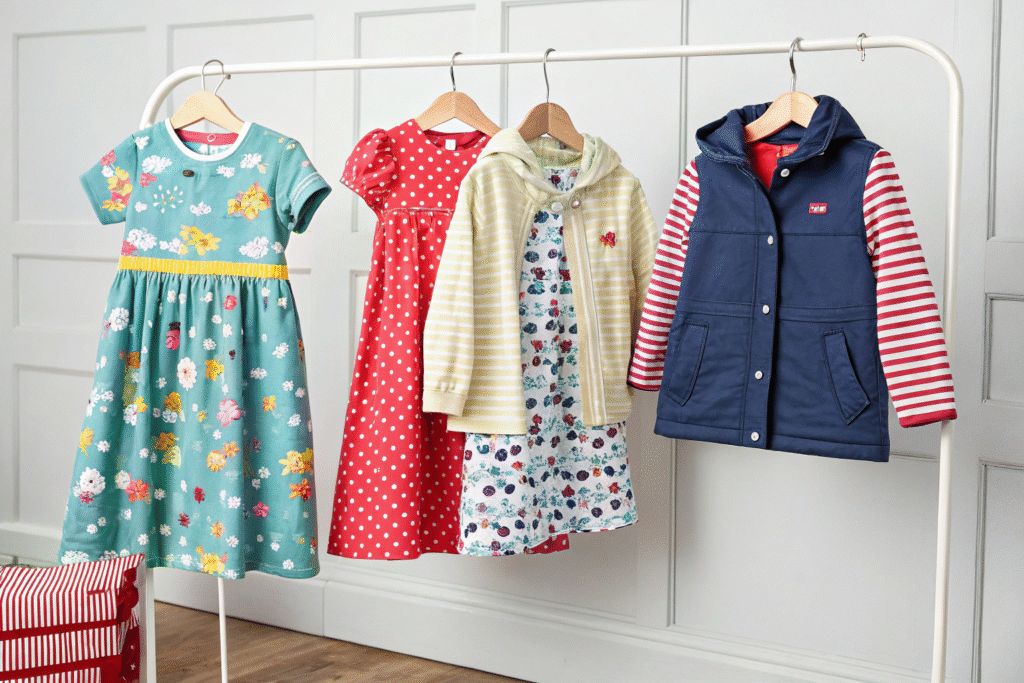
How Has JoJo Maman Bébé Captured the Premium Nursery Market?
JoJo Maman Bébé has dominated the premium baby and toddler market through French-inspired designs, exceptional attention to practical details, and outstanding customer service. Their success stems from understanding the specific needs of new parents, with features like pregnancy-friendly clothing that transitions to postpartum wear and innovative baby products that solve genuine parenting challenges. According to Nursery World industry analysis, JoJo maintains approximately 15% of the UK premium nursery market by creating emotional connections through beautiful catalog photography, thoughtful store environments, and products that feel special rather than merely functional.
Why Does Frugi Lead the Sustainable Children’s Wear Segment?
Frugi has become synonymous with ethical children’s wear in the UK by making sustainability central to their brand identity rather than a secondary consideration. Their use of GOTS-certified organic cotton, plastic-free packaging, and commitment to charitable giving through their 1% for the Planet membership resonates deeply with environmentally conscious parents. The brand’s vibrant prints and colorful designs appeal to children while their durability justifies premium pricing. Frugi’s success demonstrates how UK parents increasingly value transparency and environmental responsibility, even when it requires paying more for basic items like leggings and t-shirts.
How Have Digital Natives Disrupted the Traditional Market?
Online-first brands have captured significant market share by leveraging social media, influencer partnerships, and data-driven design to create communities around their products rather than simply selling clothing.
Trotters, Little Green Radicals, and Frangipani have built loyal followings without significant physical retail presence by creating distinctive brand worlds that resonate with specific parent values and aesthetics. These brands typically focus on design originality, storytelling, or value alignment that mass retailers cannot easily replicate.

What Makes Trotters a Coveted London Brand?
Trotters has cultivated an aspirational yet accessible positioning through their London-inspired designs and careful curation of both own-label and selected external brands. Their physical stores in affluent London neighborhoods serve as brand temples that drive online sales nationwide, while their editorial approach to content creation builds an aspirational lifestyle around their clothing. According to Drapers market analysis, Trotters has successfully expanded beyond their London base by maintaining design distinctiveness and quality that justifies their premium pricing, particularly for special occasion wear that parents photograph and share socially.
How Does Little Green Radicals Champion Social Values?
Little Green Radicals has built a devoted following by combining ethical production with designs that challenge gender stereotypes and celebrate diversity. Their organic cotton clothing features prints with positive messages and diverse representation that appeals to progressive parents seeking clothing that aligns with their values. The brand’s success demonstrates how UK parents increasingly consider corporate values and social impact when selecting children’s wear, supporting brands that visibly champion causes like sustainability, inclusion, and fair labor practices alongside attractive product design.
Conclusion
The UK children’s wear market remains dynamic, with established players continuously evolving while new entrants find success by addressing specific consumer needs or values. The most popular brands understand that British parents seek a careful balance of quality, value, style, and increasingly, ethical production practices. From department store reliability to supermarket convenience, specialty brand values, and digital-native community building, successful UK children’s wear companies create distinctive positions that resonate with specific family segments.
Understanding these market leaders provides valuable insights for any brand seeking to enter or expand in the UK children’s wear market. If you’re developing children’s clothing for the UK market and need manufacturing expertise familiar with British quality expectations and sizing standards, contact our Business Director, Elaine, at elaine@fumaoclothing.com. Let’s discuss how we can help you create products that meet the specific demands of UK families while standing out in this competitive but rewarding market.