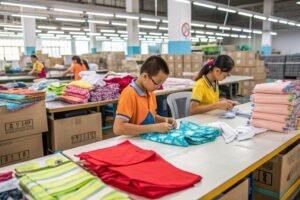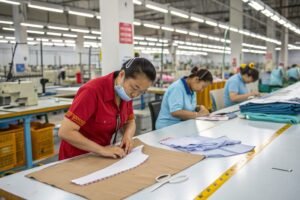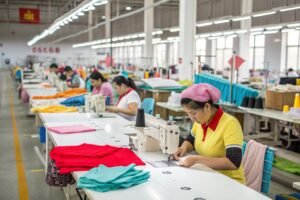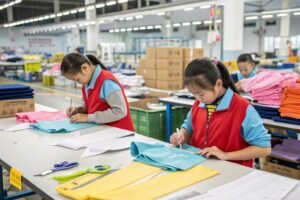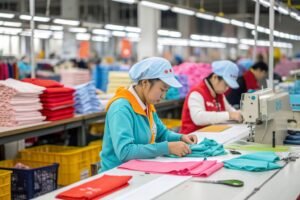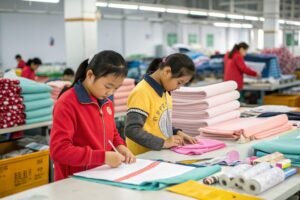
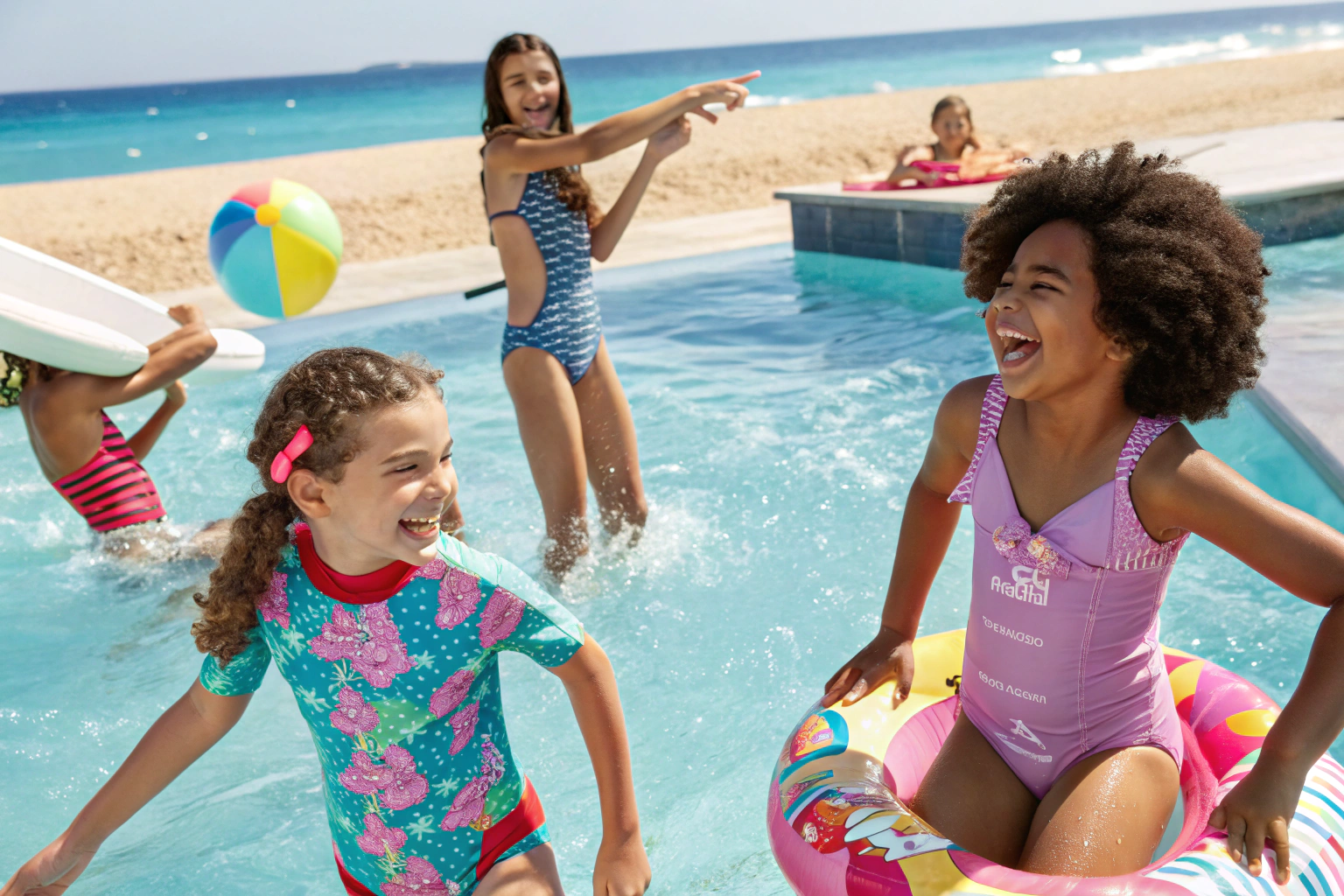
The kids swimwear market represents a critical seasonal category that combines practical necessity with significant business opportunity. As manufacturers specializing in children’s swimwear, we understand the unique factors that make this category both essential for families and valuable for brands during summer months.
The kids swimwear market is a summer essential because it addresses fundamental safety needs, accommodates children’s rapid growth requiring frequent replacement, aligns with seasonal family activities, and has evolved into a fashion category that drives multiple purchases per child. Beyond being a practical necessity for water safety, swimwear has become a seasonal fashion statement that refreshes annually, creating consistent demand despite economic fluctuations. The category’s unique characteristics—including size turnover, activity-specific designs, and seasonal urgency—make it a reliable revenue driver for children’s wear brands.
How Does Growth and Replacement Drive Consistent Demand?
Children’s continuous physical development creates natural replacement cycles that make swimwear a recurring purchase rather than a one-time acquisition, ensuring consistent market demand each summer season.
The rapid growth rate of children means last year’s swimwear rarely fits the following season, creating automatic replacement demand regardless of the garment’s condition. This growth-driven replacement cycle provides swimwear brands with predictable annual demand that remains relatively stable even during economic downturns, as parents prioritize properly fitting swimwear for water safety. Additionally, multiple children in a family often require separate swimwear sets, multiplying the per-household purchase quantity.

What Is the Typical Swimwear Replacement Cycle?
Most children require new swimwear every 12-18 months due to significant growth during early and middle childhood. According to American Academy of Pediatrics growth charts, children typically grow 2-3 inches in height annually between ages 2-10, necessitating size updates even for well-maintained swimwear. This predictable replacement pattern creates what industry analysts call "built-in obsolescence through growth"—a natural repurchase driver that distinguishes children’s swimwear from adult versions. Brands that establish trust with parents often benefit from multi-year loyalty as families return each season for new sizes.
How Does Multi-Child Impact Amplify Market Size?
Families with multiple children represent multiplied demand, as swimwear is rarely passed down between children of different ages due to simultaneous need during summer months. The U.S. Census Bureau reports that approximately 40% of households with children have more than one child under 18. During peak swimming season, these families often purchase multiple swim sets simultaneously—sometimes 2-3 per child for rotation, camp, and vacation needs. This household multiplication effect significantly expands the total addressable market beyond what simple child population numbers might suggest.
What Safety Innovations Are Transforming Swimwear Design?
Modern kids swimwear incorporates advanced safety features that address parents’ primary concerns about water safety, transforming basic swimwear into specialized protective gear.
Beyond traditional bright colors for visibility, today’s swimwear integrates UV protection, flotation elements, and quick-dry technologies that enhance safety while maintaining comfort and style. These innovations respond to growing parental awareness about sun safety and drowning prevention, making technical features key purchasing considerations rather than mere add-ons.

How Has UPF Protection Become Standard?
Ultraviolet Protection Factor (UPF) fabric technology has evolved from premium feature to expected standard in children’s swimwear. Fabrics with UPF 50+ block approximately 98% of UV radiation, significantly reducing sunburn risk during extended water exposure. According to the Skin Cancer Foundation, sun-protective clothing is particularly important for children who typically spend more time in water and have more sensitive skin. The integration of UPF into fashionable swimwear—rather than separate sun protection garments—represents a significant market evolution that addresses parent concerns without compromising children’s style preferences.
What Role Do Flotation Features Play in Swimwear Safety?
Integrated flotation elements provide an additional safety layer for developing swimmers while allowing freedom of movement that traditional life jackets restrict. These features, which must meet U.S. Coast Guard approval, include removable buoyancy panels strategically placed to help children maintain proper swimming position. While not replacing direct supervision, flotation-enhanced swimwear builds confidence in young swimmers and provides peace of mind for parents. This safety innovation has created a specialized subcategory within kids swimwear that commands premium pricing while addressing a fundamental parental concern.
How Has Swimwear Evolved as a Fashion Category?
Children’s swimwear has transformed from utilitarian garment to fashion item, driving multiple purchases per season as families acquire different styles for various occasions and to express personal style.
The fashionization of kids swimwear has expanded the category beyond basic need to include style-driven purchases, with parents and children selecting coordinating sets, character-themed designs, and occasion-specific styles. This evolution mirrors broader trends in children’s wear where self-expression and brand identity begin at increasingly young ages.

What Design Trends Are Driving Multiple Purchases?
The emergence of swimwear as fashion has created opportunities for wardrobe-building within the category. Families now commonly purchase multiple swim sets per child—separate designs for daily camp use, special vacation outfits, and backup options for rapid drying needs. According to the NPD Group’s apparel market analysis, "outfit duplication" for different occasions has increased 25% in children’s wear categories since 2018. Character licensing, coordinating sibling sets, and matching parent-child designs further drive multiple purchases, expanding the category beyond pure replacement demand.
How Has Occasion-Based Segmentation Expanded the Market?
Swimwear brands have successfully segmented the market by usage occasion, creating distinct product lines for different activities. Minimal, performance-focused designs target competitive swimming, while elaborate fashion-forward styles appeal to vacation and photo-oriented purchases. The Global Market Insights swimwear report identifies occasion-based segmentation as a key growth driver, with specialized designs for beach vacations, pool parties, and water parks commanding price premiums over basic swimwear. This segmentation allows brands to address multiple consumer needs within the same category, maximizing per-customer revenue.
What Seasonal Business Patterns Define the Swimwear Market?
The swimwear category operates within a compressed seasonal window that creates both challenges and opportunities, with precise timing and inventory management becoming critical success factors.
The highly seasonal nature of swimwear demand requires sophisticated inventory planning, targeted marketing calendars, and flexible supply chains that can respond to weather patterns and regional variations. Understanding these seasonal dynamics separates successful swimwear brands from those that struggle with margin erosion from off-season clearance.

How Does Regional Seasonality Impact Product Planning?
Swimwear seasonality varies significantly by geography, requiring regionalized product allocation and marketing strategies. Southern markets experience extended seasons with early spring demand, while northern regions concentrate purchases into a narrow summer window. According to the National Retail Federation’s seasonal planning guide, successful swimwear brands implement phased product launches aligned with regional weather patterns rather than uniform national rollouts. This geographic segmentation maximizes selling periods while reducing the need for deep end-of-season discounts in regions with shorter summers.
What Inventory Strategies Optimize Seasonal Profitability?
The compressed swimwear season demands precise inventory management to balance availability against markdown risk. Successful brands utilize pre-season ordering with carefully calculated initial allocations, followed by responsive replenishment of best-sellers. The Fashion Institute of Technology’s merchandising research indicates that swimwear brands achieving 70% sell-through at full price before initiating promotions typically achieve 15-20% higher gross margins than those requiring early discounts. This requires accurate demand forecasting, flexible manufacturing partnerships, and strategic promotion timing that clears remaining inventory without training customers to wait for discounts.
Conclusion
The kids swimwear market represents a summer essential that combines non-negotiable practical needs with evolving fashion expectations, creating a category with built-in demand drivers and significant premiumization opportunities. From growth-driven replacement cycles and safety innovations to fashion-forward designs and strategic seasonal management, swimwear offers children’s wear brands a reliable seasonal business with multiple revenue streams.
The category’s unique characteristics—including consistent replacement demand, technical innovation potential, and fashion relevance—make it an attractive segment for both established brands and new entrants. If you’re developing a kids swimwear collection and need a manufacturing partner with expertise in technical swim fabrics, safety compliance, and seasonal production planning, contact our Business Director, Elaine, at elaine@fumaoclothing.com. Let’s discuss how we can help you create swimwear that combines safety, style, and performance to capture this essential summer market.